






If you're already feeling a bit burnt out in 2026, we're here to tell you it's ok and things will work out. Even if you don't believe that yet, take a deep breath and focus on what brought you to publishing in the first place: Writing. When you start to get lost in all the publishing business sauce, revisiting your roots will always bring you back down to earth. If you want to fall in love with publishing again, it's time to rekindle your writing flame.
In this week's issue 📨
- Writing an effective rough draft
- How to fall back in love with writing
- Don't be scared to share
Was this email forwarded to you? Subscribe here!
Diamond in the rough

Your writing doesn't have to be perfect. In fact, thanks to AI, imperfect writing now carries some extra human charm. If you're staring at a blank page (screen) and feeling overwhelmed, starting with a rough draft can set you free from perfectionism. Only you see your drafts, and organizing your thoughts before hitting publish will let your creative muscles take the lead rather than your anxious ones.
The team at Grammarly examines how to write a smooth rough draft so you can discover your message on your own terms.
Your introduction
- If you've already written an outline, you should have the confidence to tackle drafting your introduction, body, or conclusion. You can start with the one that feels easiest to tackle, but most start with their intro. Begin by writing as if you're explaining your ideas to someone in person and concentrate on clarity.
- Even though most writers start with their intro, it's often the hardest part, so don't worry if it takes the longest. Consider starting with a hook, like a fun fact, a compelling question, or a joke. This leads your readers into your piece's purpose so they get what you're going for right away and want to keep reading.
Your body
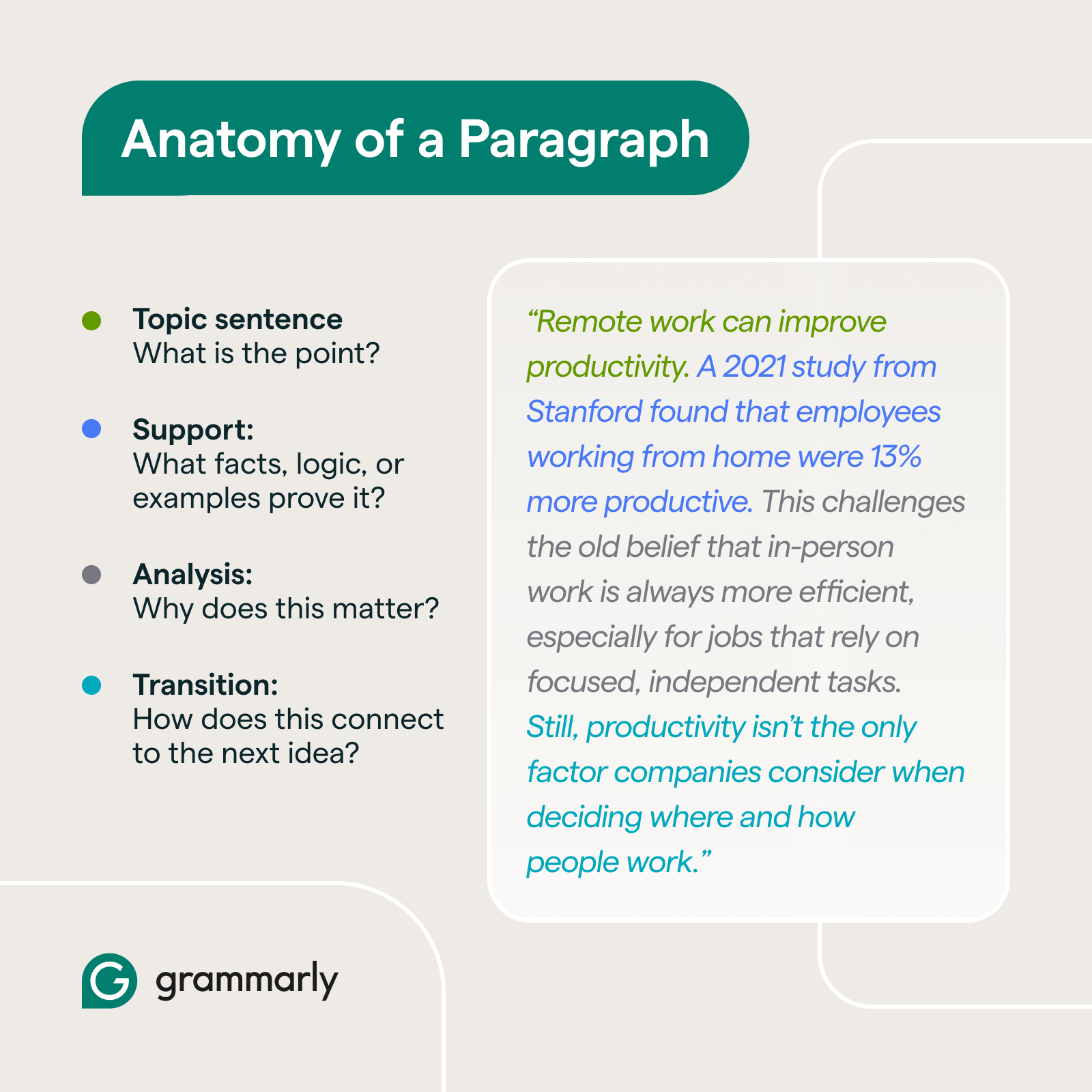
- The body of your draft is all about expanding your core message and essential arguments. Each paragraph should be based on one idea while using evidence, examples, or explanations to support your position. What is the point, what proves it, why does it matter, and how does it connect to everything else?
- When writing your draft's body, don't fret if your thoughts feel incomplete or redundant. Just write through it and focus on the big picture. Remember, your rough draft won't be perfect, and shouldn't be. Once all the chaos in your brain is written down, you can work on revising and improving it.
Your roadblocks
- You're going to hit some obstacles, and that's ok. Starting the drafting process can be a little daunting, and you may not be that impressed with the finished product, but that's exactly what rough drafts are for. You're going to feel uncertain, and it's going to be a bit messy, but that's perfectly normal.
- To keep things moving, drop quick notes for any changes you may need to make before publishing, set small word count/time-based goals for yourself, and resist the urge to reread or edit as you write your draft. Getting things down is better than getting them right. You don't have to love it, just finish it!
Your conclusion
- End your draft by reinforcing your argument, but don't just repeat everything you said. Leave your readers with a final thought, call to action, or question that encourages them to think more deeply (and maybe even click on another post or two). However you end, give them satisfaction and curiosity.
- No matter your approach to rough draft writing, always keep your audience in mind. Your tone and focus should center around their needs, which builds trust and keeps them coming back. The more you take yourself out of the equation and put your readers first, the easier writing will be.
Interesting stories & ideas 📚
- 10 charts that capture how the world is changing – Digital Native
- It's time to make a strategic hire – Creator Spotlight
- The monkey and the monument – Jessica Abel
- Things to create when your model feels off – Modern Maker
- How I write a newsletter with 40,000 subs – Kopywriting Kourse
Love letters

Remember when words flew out of your fingers like an infinite resource, and everything that landed on the page just made sense? Those were the days. Now, you may be struggling to find the spark. Honeymoon phases don't last forever, so if sitting down to write is starting to feel like homework, it might be time to rediscover what made you fall in love with writing in the first place.
The team at Famous Writing Routines breaks down how to fall back in love with writing so you can keep creating what you love.
#1 Write without goals in mind so it feels like fun again. Give yourself permission to journal, ramble, and express whatever you're feeling in the moment. Put aside word count and self-pressure for a bit to make writing fun again.
#2 Let yourself be messy and curious to escape the weight of deadlines, expectations, and self-criticism. Think of a subject that thrills you and write about it in an unpolished way, even if it doesn't fall under your publication's niche.
#3 Change where you write to switch things up. If you're always writing in the same room, the same seat, and even on the same platform, it might be time for a new environment so the act of writing feels new.
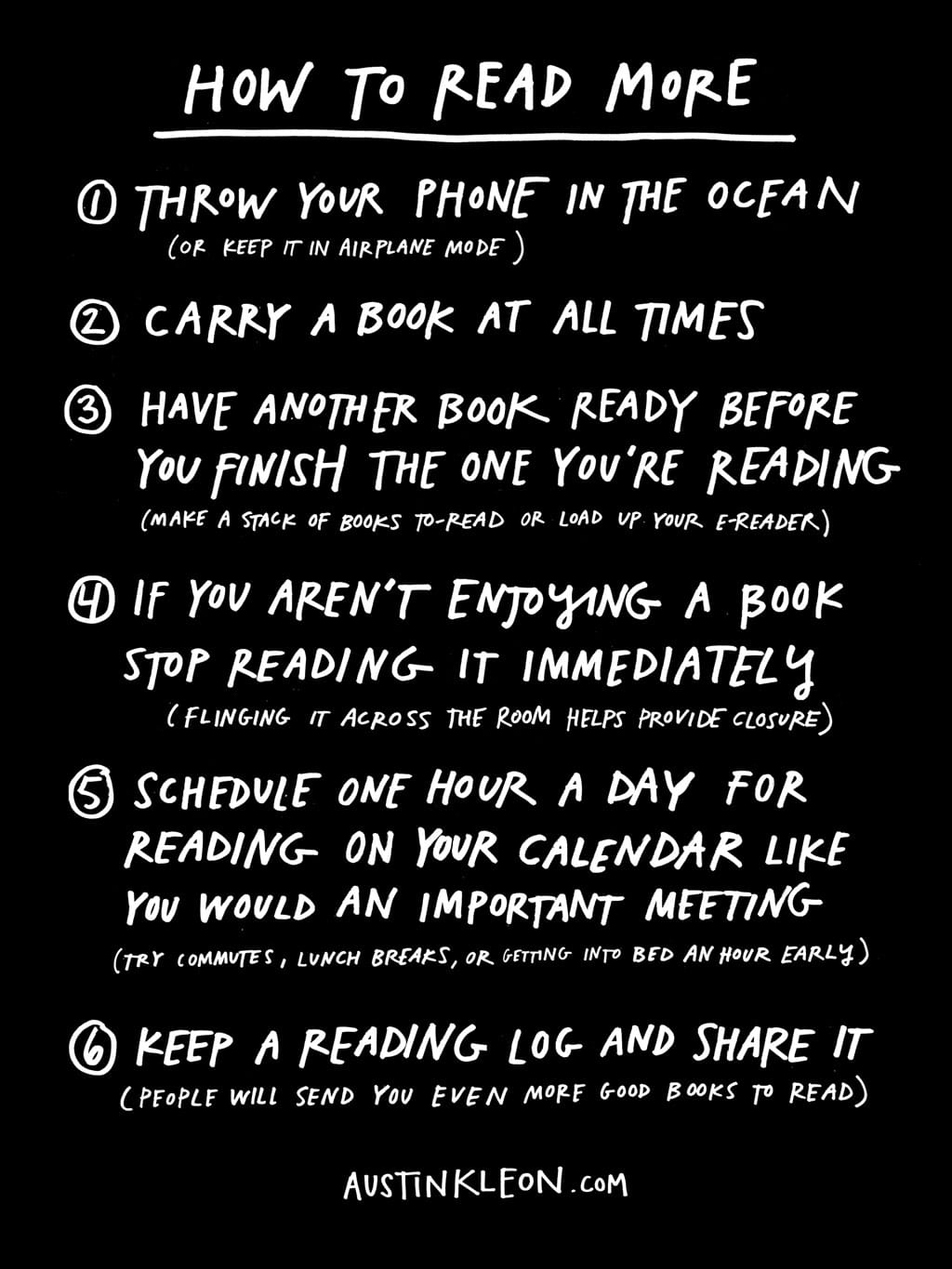
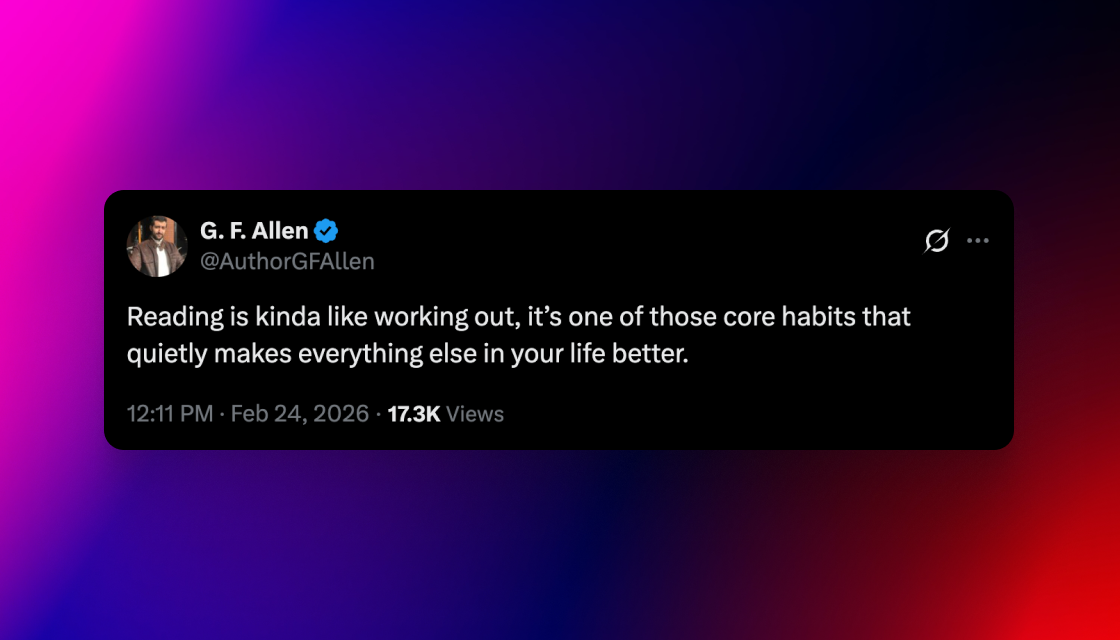
#4 Read more things that you love to energize your own writing. If you're not being moved by someone else's words, how can you find the inspiration to move your audience? Give yourself space to read more so you can write more.
#5 Stop telling yourself what you should be writing, and write what brings you joy. If you've fallen out of love with your niche, you can't expect to love writing about it. Don't be afraid of change if you're feeling stuck. It's your life.
#6 Write shorter and smaller to keep things simple and weightless. You don't have to stick to long-form content 24/7 to feel like a writer. Try publishing short-form content on multiple platforms to see what excites you and your audience.
#7 You've already found your voice, so stop searching for it in everything you create. Your readers want authenticity, which builds trust. Share what you really feel, so your subscribers fall in love with honesty. Just being you will take you far.
#8 Writing is a relationship, not a test. Some days you'll fall back into the groove easily, and other days will feel like walking through quicksand. It's ok to be tired. Just give yourself grace to feel what you feel that day and be present.

Sharing is caring

If writing comes easily to you, sharing what you've written with the world might be the hard part. You may love to write, but what about the act of loving yourself? 🤯 Everyone has fears, doubts, and insecurities, but if those emotions are keeping you from launching your creative business and publishing your work publicly, it's time to conquer them. (Shh, just take our hand. It's alright.)
Simon K. Jones from Write More explains how to overcome the fear of sharing your writing so you can enjoy being seen.
‣ Keep reminding yourself that you are a writer. If you're just starting out in the publishing world, this can be hard to say to yourself, let alone other people. Even if writing is just a side hustle for you, you're still a writer. If you're writing, you're a writer. Period. The more you believe it, the more others will too.
‣ Nothing else in your life is perfect, so don't wait for your writing to be perfect either. Nobody starts perfect, and you can't get better if you don't keep learning. Take a moment to look back on your old work. Kinda sucks, doesn't it? That's a good thing! That means you're getting better. Keep going.
‣ Just because something is popular doesn't mean everyone loves it. Even the most successful writers have haters. Every piece of creative work produces a spectrum of emotions, so if you're worried about someone not liking what you're putting out there, that's impossible to avoid. Do it because you love it. That's all that matters.
Afraid to share your work on social media? It's time to tackle the terror.
‣ It's always wise to consider any feedback from your subscribers, as long as it's constructive. You don't have to acknowledge every piece of feedback if it's just going to stress you out, especially if the criticism is abnormally negative. If it's feedback you can use to make everyone's lives better, great! If it's not, don't sweat it.
‣ Success is relative, and just because you don't have the largest audience or can't pay your rent with your publishing earnings quite yet doesn't mean you aren't successful. You get to define what success means for you. Sit back, enjoy the process, write for who you want to write for, and treat everything else as a bonus.
‣ This might sound backwards, but consider creating and publishing for free. If you've just started writing and you're already putting a price on it, you're assigning a value defined by money, not by what your work actually represents. Rather than paywalling from the start, leave things public for a while to attract more readers.
Curator's pick ✍️
Enjoy this newsletter? Forward to a friend or hit reply to share your thoughts. We don't bite! 👻
Want more how-tos? Search our library of tutorials and subscribe to our monthly "Build with Ghost" newsletter.
Join our Ghost Creator Community! Connect with like-minded people who create content professionally — apply here.