






By Paige Garvin, FPF Communications Intern

The Future of Privacy Forum hosted its third annual DC Privacy Forum: Advancing Principled Data Protection, AI, and Digital Governance Practices on June 10th, 2026. This year’s Forum gathered government officials, academics, civil society representatives, and privacy professionals to discuss developments in AI governance, privacy regulation, youth online safety, personalization, AgeTech, and other emerging digital technology issues.
Through keynote remarks, panel discussions, debates, and lightning talks, participants explored how policymakers, industry leaders, and researchers can address evolving privacy challenges while supporting innovation.
FPF CEO Jules Polonetsky opened the Forum before welcoming FPF Board President Alan Raul to introduce the keynote speaker, Congressman John Joyce, M.D., representative of Pennsylvania’s 13th Congressional District.
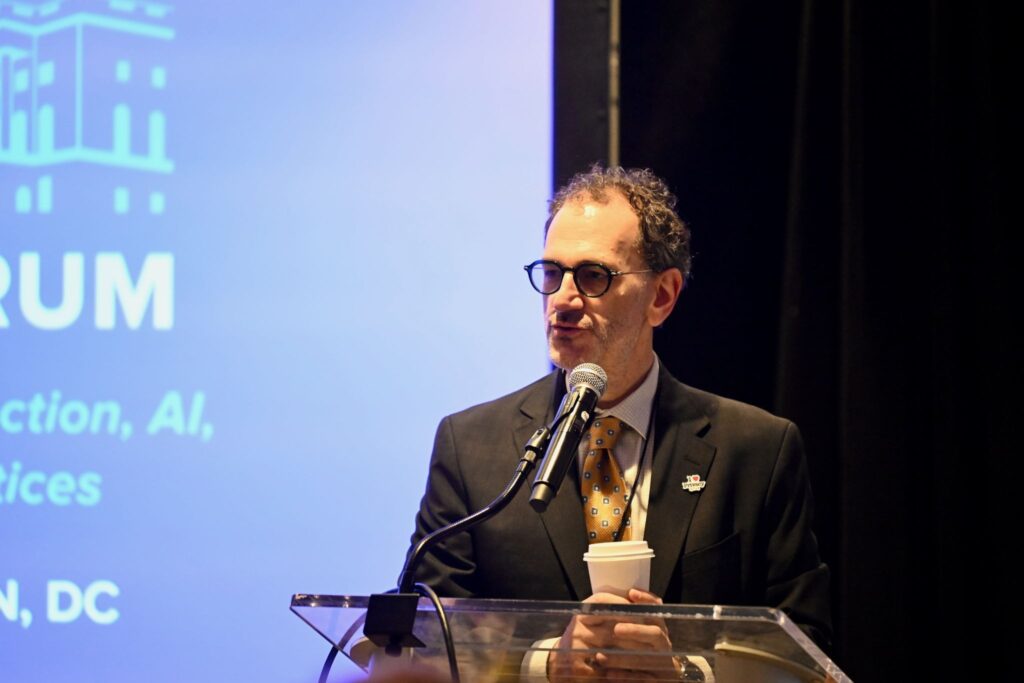
Congressman Joyce reflected on his work advancing federal privacy legislation, including his role as a lead sponsor of the Securing and Establishing Consumer Uniform Rights and Enforcement over Data Act (SECURE Data Act). Although he noted that he entered privacy policymaking without a technical or legal background in the field, he emphasized the value of stakeholder engagement in shaping effective privacy legislation. Over the past 18 months, he has participated in hundreds of meetings and received extensive public feedback on privacy reform proposals.
“Your participation allows the SECURE Data Act to be the legislation that can ultimately be that successful safeguard, that successful guideline, that successful piece of legislation that America needs,” Congressman Joyce detailed to the Forum attendees.
He also highlighted the SECURE Data Act’s focus on consumer protections, concise language, and centralized enforcement. He expressed optimism about the prospects for federal privacy legislation and emphasized that meaningful consumer protections and innovation can coexist.
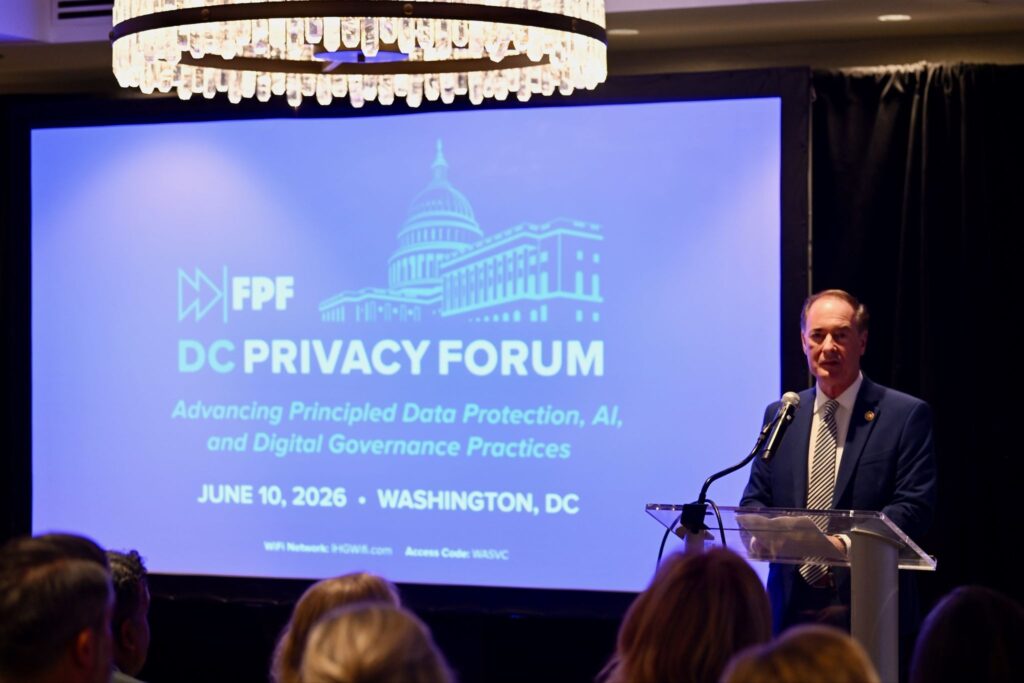
Concluding his keynote, Congressman Joyce reaffirmed his commitment to advancing privacy legislation and thanked FPF and Forum participants for contributing to the ongoing policy discussion.
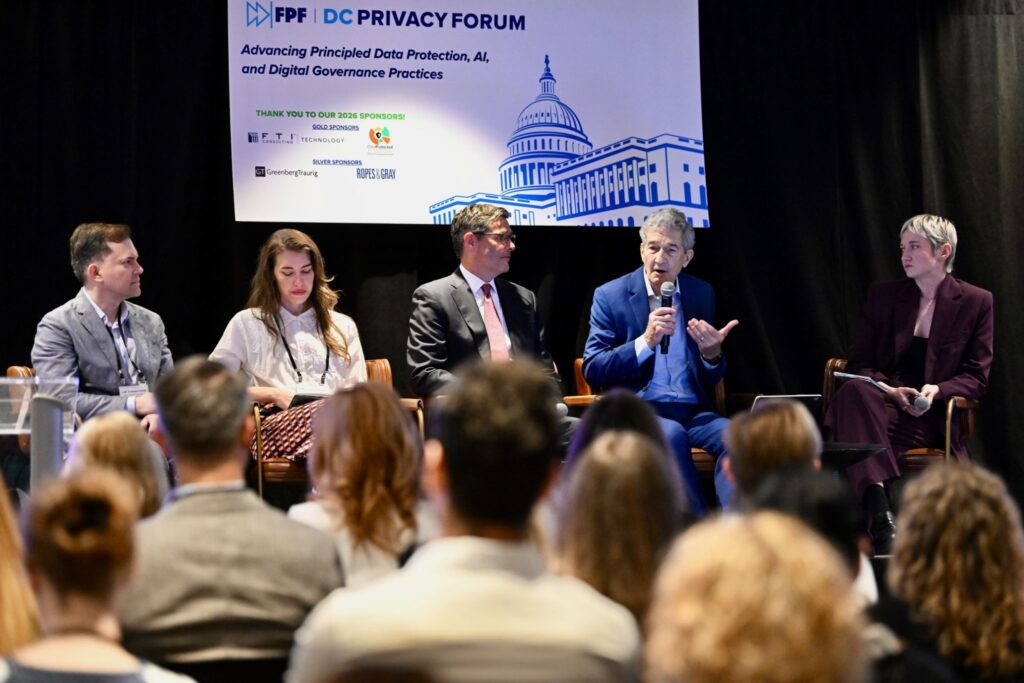
The opening panel, “Geostrategy of Regulation: Understanding and Responding to the Global Demand for Digital Data Sovereignty,” examined the growing influence of digital sovereignty initiatives worldwide. Moderated by Gabby Miller, AI and Tech Congressional Reporter at Politico, the discussion featured Pablo Chavez, Adjunct Senior Fellow, Technology and National Security Program, Center for a New American Security (CNAS), Bill Guidera, Deputy Assistant Secretary for Services at The Trade Administration, Cameron Kerry, Ann R. and Andrew H. Tisch Distinguished Fellow at the Brookings Institution and Kenton Thibaut, Senior Resident China Fellow, Atlantic Council, at the Digital Forensic Research Lab (DFRLab).
Panelists explored implications of regulatory fragmentation, the challenges U.S. technology companies face in global markets, and opportunities to strengthen trust in American technology.
Following a coffee networking break, Jordan Wrigley, FPF Senior Technologist, welcomed the second panel, “The Autonomy Equation: Tech, Privacy and the Future of Aging”.
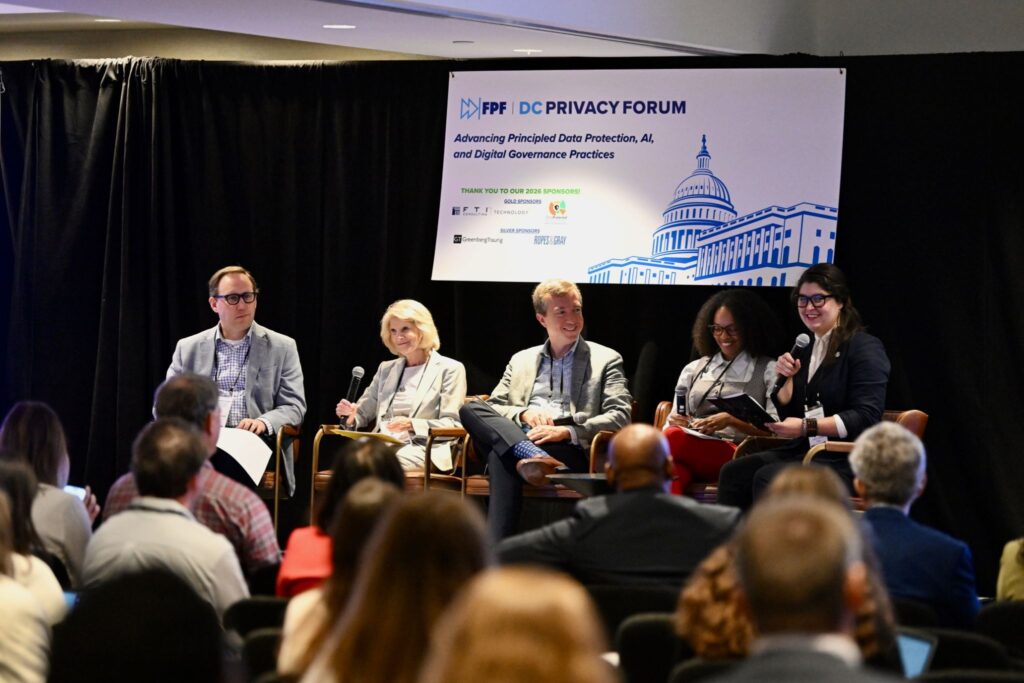
Panelists Debra Berlyn, FPF Board Director and Executive Director at Project GOAL, Ian Hartman-O’Connell, Senior Director, Policy Integration at AARP, Dr. Rachele Hendricks-Stirrup, Research Director, Real-World Evidence (RWE) at Duke-Margolis Institute for Health Policy, and Jeff Roby, Director, Enterprise Privacy at Best Buy, discussed the growing role of AgeTech in supporting older adults. The conversation focused on how technologies can promote independence while preserving privacy, autonomy, and user control over the collection of personal information.
Participants emphasized the importance of designing technologies that are accessible, understandable, and responsive to the needs of older adults. As Berlyn noted, privacy protections must be something that older adults “can touch and see.”
FPF Senior Policy Counsel, Jordan Francis, delivered a lightning talk on the role of enforcement in privacy governance. Francis presented the argument that rights and protections are meaningful only when supported by effective implementation and enforcement mechanisms.
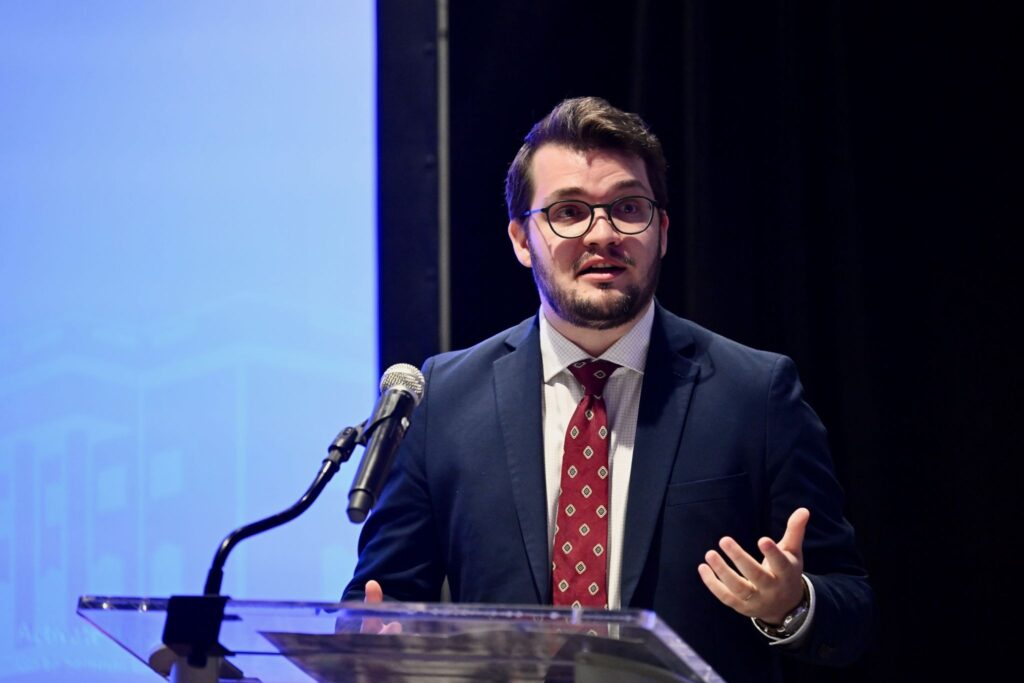
He highlighted the continued expansion of privacy legislation across the United States and discussed the importance of ensuring compliance in practice. Francis then introduced the panel “State of U.S. Privacy and AI Regulation,” moderated by Tatiana Rice, FPF Senior Director for U.S. Legislation.
Rice, joined by Hanna Abrams, Assistant Attorney General at the Office of the Attorney General of Maryland, Charlie Bullock, Senior Research Fellow at the Institute for Law & AI, Senator James Maroney, State Senator, Connecticut General Assembly and Cristy Phillips, Special Counsel, Economic Justice Division at the Office of the New York Attorney General discussed developments in privacy and AI regulation, including data minimization, youth online safety, chatbot governance, and the relationship between state and federal policymaking. Throughout the discussion, speakers emphasized the importance of continued collaboration among policymakers, regulators, technologists, and industry stakeholders.
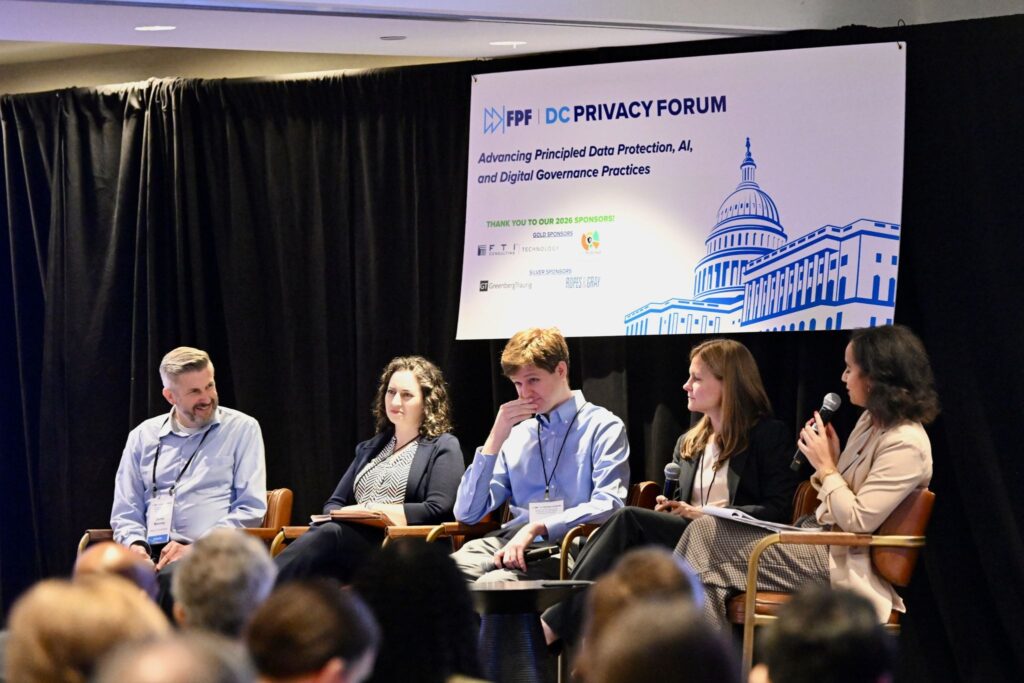
Following a networking lunch sponsored by Ropes & Gray, Gabriela Zanfir-Fortuna, FPF Vice President of Global Privacy, welcomed attendees back for a discussion on global developments in privacy and AI governance.
The panel featured Cari Benn, Chief Privacy Officer at Microsoft Corporation, John Miller, Executive Vice President of Policy and General Counsel at the Information Technology Industry Council, Hilary Wandall, Chief Ethics and Compliance Officer at Dun and Bradstreet, and Justin B. Weiss, Senior Counsel and Senior Director at Crowell & Moring LLP. Panelists examined differences in how privacy and AI regulation are approached globally and considered lessons U.S. policymakers can draw from international frameworks.
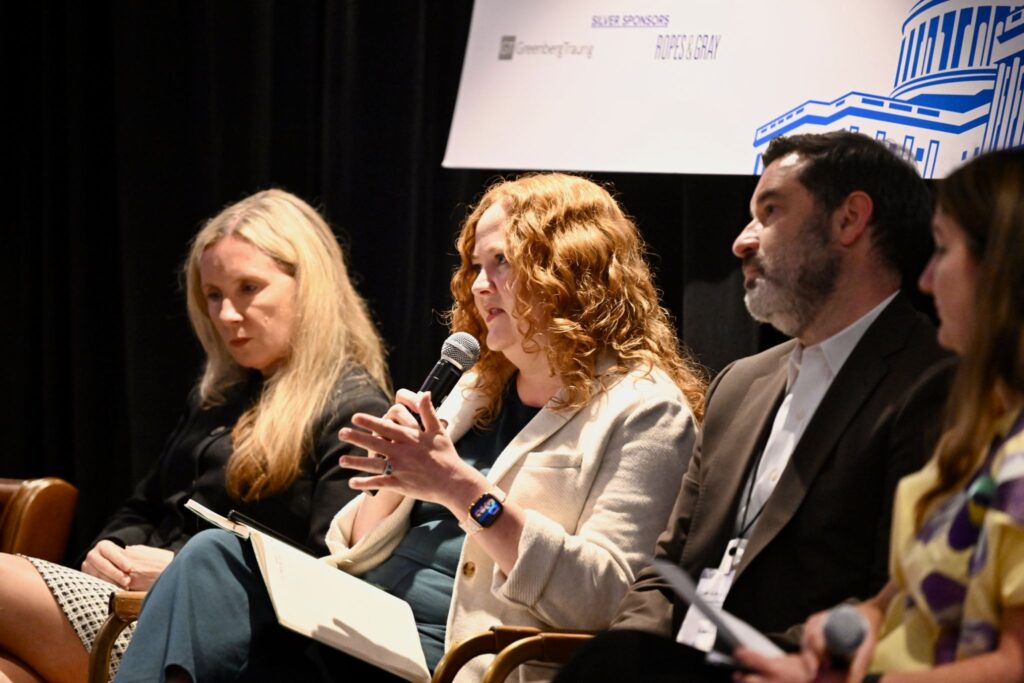
The discussion highlighted developments in the United Kingdom, South Korea, Singapore, and Latin America, with speakers emphasizing that effective governance requires not only legal and technical expertise but also an understanding of cultural and historical contexts. Panelists agreed that global privacy and AI governance will continue to evolve as governments seek to balance innovation, economic competitiveness, and individual rights.
Daniel Hales, FPF Policy Counsel for U.S. Legislation, brought energy to the second half of the Forum with FPF’s recurring debate series, an interactive format that allows attendees to participate via online voting before, during, and after hearing competing perspectives.
This year’s debate focused on youth engagement with chatbots. Meg Leta Jones, Provost’s Distinguished Associate Professor and Cartoonist at Georgetown University, argued in favor of regulations and restrictions. She cited concerns about manipulation, social isolation, sexual exploitation, and mental health risks, arguing that policymakers should establish guardrails to protect children and support parents.
Jennifer Huddleston, Senior Fellow, Technology Policy at the Cato Institute, argued against additional regulation, emphasizing parental choice, privacy considerations, and the challenges of implementing age-verification requirements. She suggested that many proposed legal solutions may create new privacy concerns while failing to address underlying issues effectively.
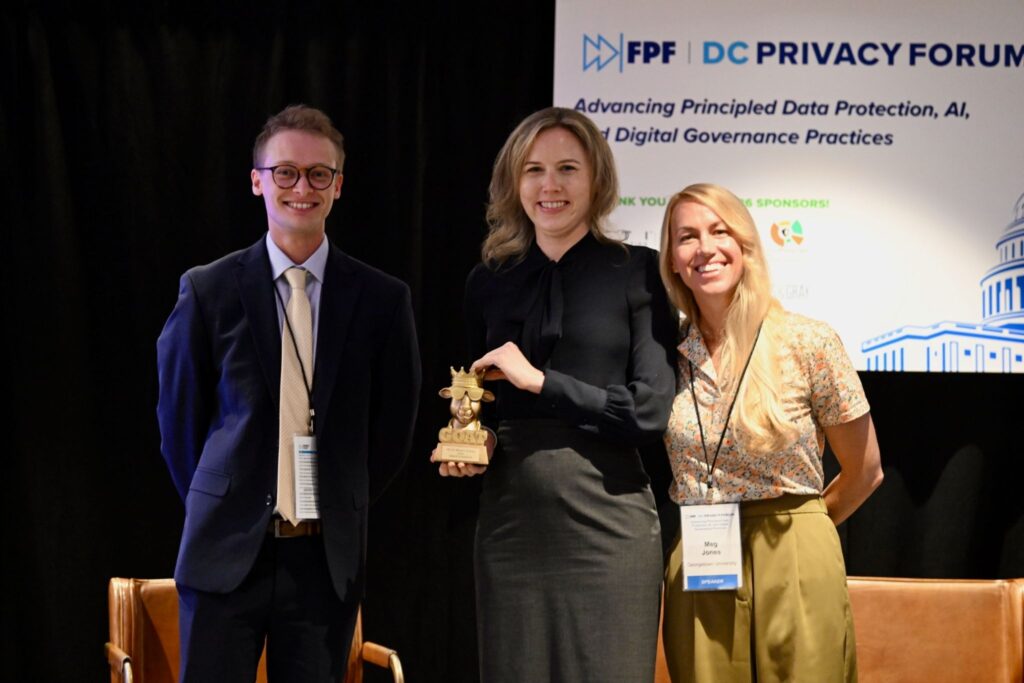
Although audience members initially and finally voted in favor of increased regulation, the debate’s outcome was determined by the percentage change in opinion throughout the session. Huddleston – who won a debate at FPF’s 2024 DC Privacy Forum: AI Forward – ultimately persuaded a larger share of attendees to move in her direction and was once again awarded the FPF GOAT Trophy.
Building on themes discussed during the debate, Carnegie Mellon University Professor and CyLab Security and Privacy Institute Director, Lorrie Cranor, presented findings from research titled “User (Non-)Compliance with Age Verification: Evidence from a Deceptive Web Experiment”.
Cranor noted that while substantial research has focused on age verification for minors, less attention has been paid to how adults respond to different verification methods. Her study explored how factors such as verification techniques, data handling practices, and privacy concerns influence users’ willingness to access age-restricted content online.
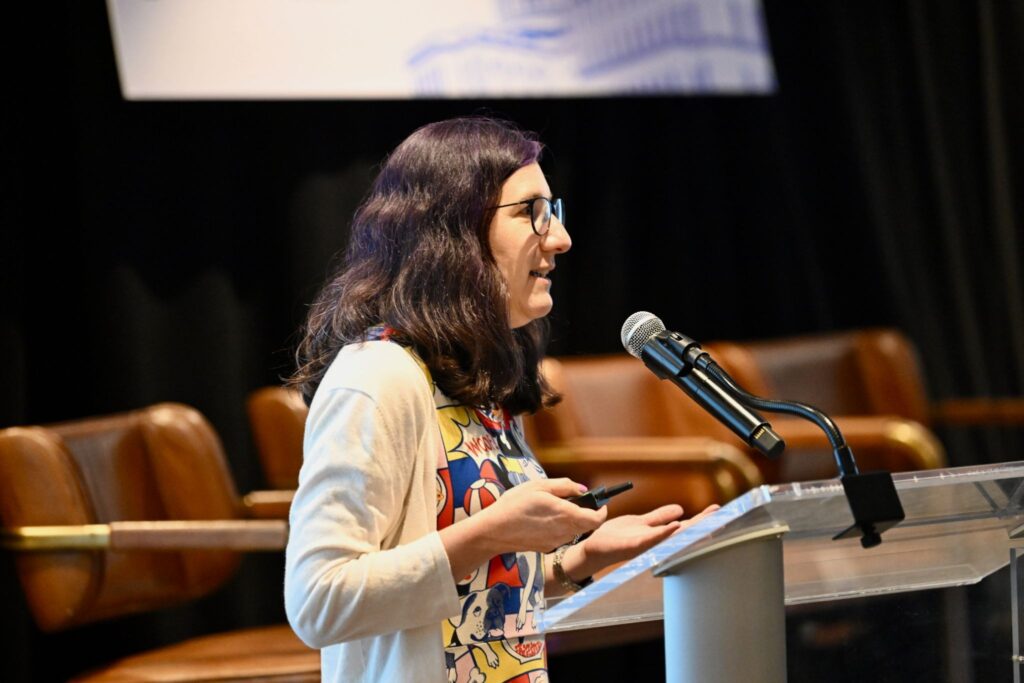
Drawing on responses from approximately 1,600 participants, the research found that willingness to engage decreased as verification methods became more invasive. While nearly all participants were willing to confirm their age through simple checkboxes, fewer than one-quarter indicated they would upload a government-issued identification document. The findings highlighted the importance of considering privacy, usability, and trust when designing age verification systems.
Stacey Gray, FPF Senior Director of Artificial Intelligence, introduced Taylor Stockton, Chief Innovation Officer at the Department of Labor, for a fireside chat on AI adoption in the workplace.
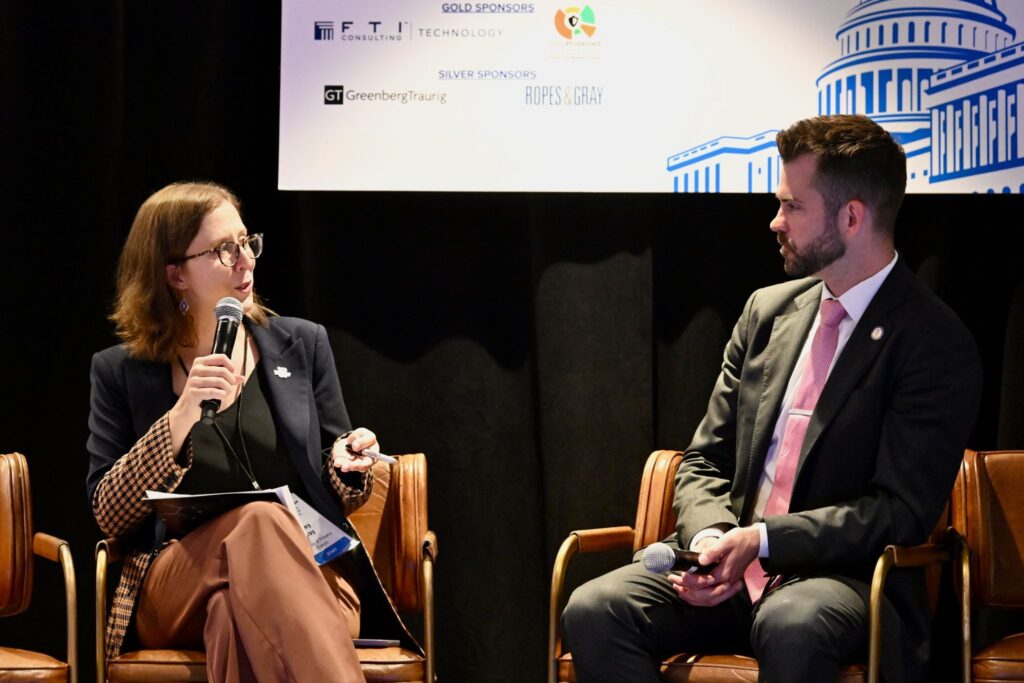
Stockton discussed the increasing use of AI across federal agencies and the opportunities these technologies present for improving government services. He emphasized the importance of cybersecurity, workforce training, and risk-based governance frameworks as organizations integrate AI into existing operations.
Stockton also addressed public perceptions of AI, encouraging a shift from viewing AI primarily through the lens of risk toward a more balanced understanding that recognizes both challenges and opportunities. He noted that adaptation and workforce development will be critical as technological change continues to accelerate.
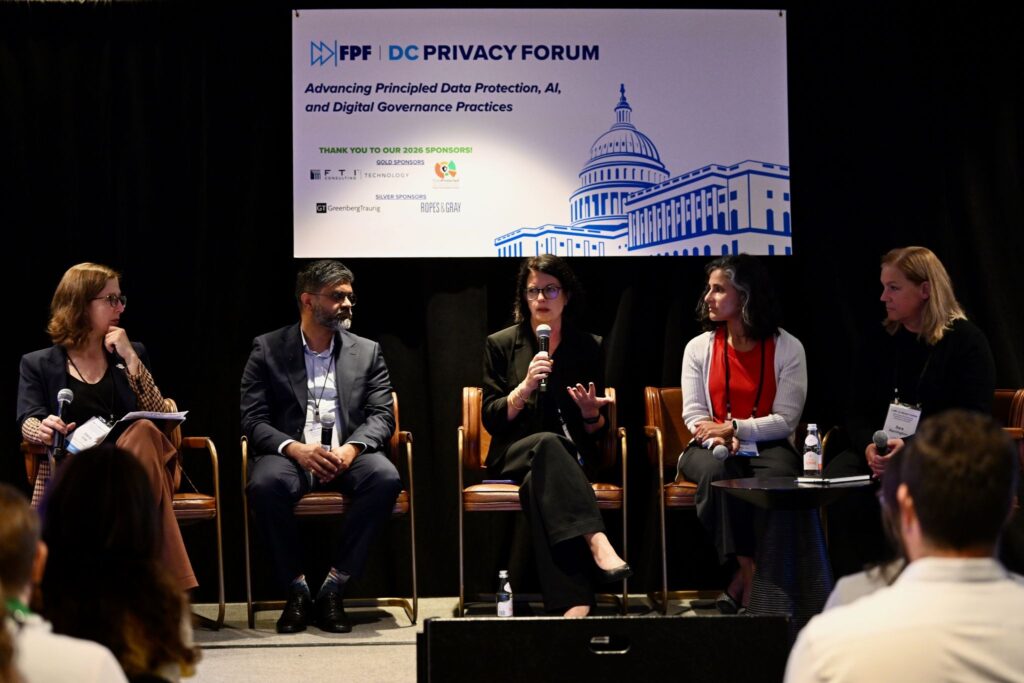
The discussion was followed by a panel featuring Aditya Bharadwaj, Senior Director, Assistant General Counsel at UKG, Barbara Cosgrove, Vice President and Chief Privacy Officer at Workday, Sara Harrington, Vice President, Legal (Data, AI and Privacy) at LinkedIn, and Sheila Jambekar, Senior Vice President, Chief Privacy Officer at DayForce. Panelists examined the use of AI in hiring and workforce management, discussing transparency, accountability, human oversight, and responsible deployment practices.
Following the panel, lightning talks from Jameson Spivack, FPF Deputy Director for Artificial Intelligence, and Stacey Gray, addressed emerging areas of focus in AI. Spivack discussed emerging questions surrounding data-driven pricing practices, while Gray explored topics of spatial intelligence, bystander privacy, and governance considerations for autonomous AI agents.
The concluding panel of the day focused on personalization and youth online. The panel started off with the debut of the new FPF report, Personalization and Youth Online: Assessing Benefits, Risks, and Safeguards, co-authored by FPF’s Daniel Hales and Holly Hawkins, which provides an overview of current policy discussions surrounding personalization of digital experiences.
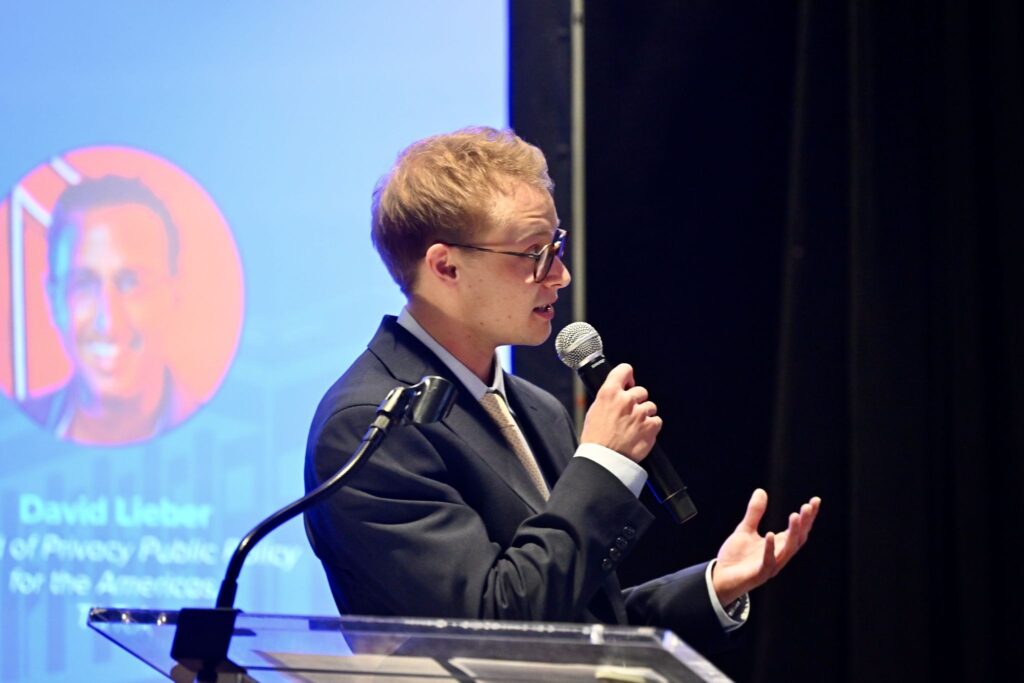
Hales moderated the panel and noted that conversations about personalization should focus not only on what information organizations collect, but also on how that information is used and who is affected by those uses. He observed that policymakers continue to evaluate potential safeguards while balancing the benefits that personalization can provide.
Joining the discussion were Holly Hawkins, FPF Director of Youth Policy, Jared Bomberg, U.S. Policy Lead, Privacy and Data Strategy at Google, Dona J. Fraser, Senior Vice President, Privacy Initiatives at BBB National Programs, and David Lieber, Head of Privacy, Public Policy for the Americas at TikTok.
Panelists explored both the benefits and risks associated with personalization technologies. Speakers highlighted how personalization can help users discover relevant content, improve accessibility, and create age-appropriate experiences. At the same time, they discussed concerns related to excessive data collection, profiling, autonomy, and transparency.
While panelists approached these issues from different perspectives, there was general agreement that personalization presents both opportunities and challenges that require thoughtful, context-specific policy solutions.
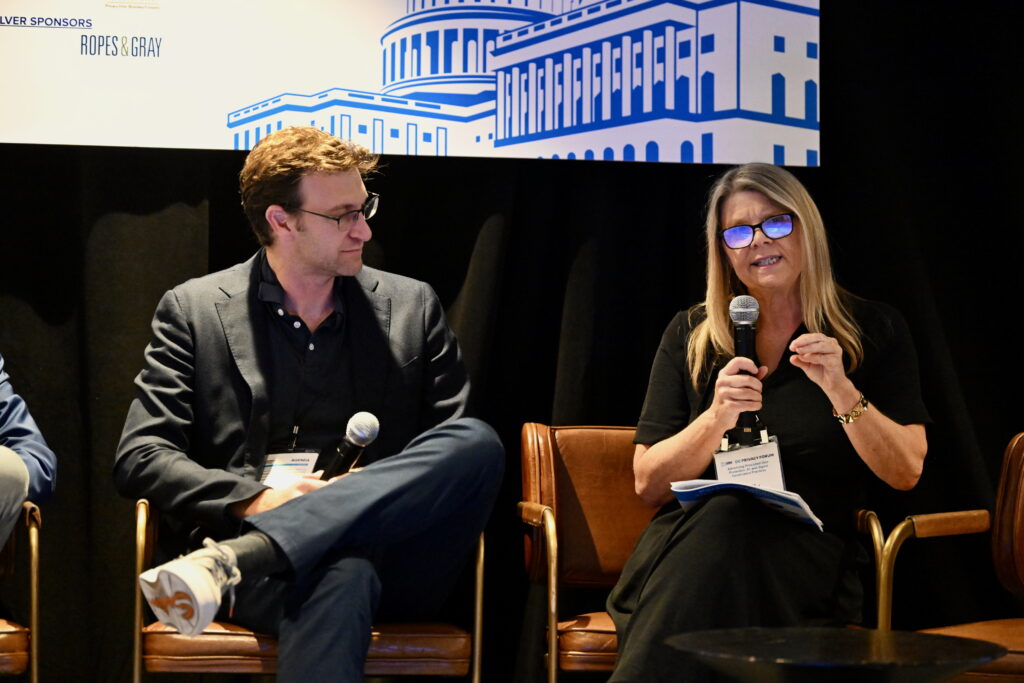
FPF Vice President for U.S. Policy Matthew Reisman delivered closing remarks, thanking attendees, speakers, sponsors, and partners for contributing to the Forum’s success.
Throughout the day, participants examined a wide range of issues shaping the future of privacy, artificial intelligence, and digital governance. Discussions highlighted the importance of collaboration among policymakers, industry leaders, academics, civil society organizations, and technical experts in addressing emerging challenges and opportunities.
Thank you to all who participated in our annual DC Privacy Forum: Advancing Principled Data Protection, AI, and Digital Governance Practices! This year’s DC Privacy Forum was made possible thanks to our sponsors FTI Consulting, SafePorter, Greenberg & Traurig, and Ropes & Gray.
We hope to see you next year! For updates on FPF work, please visit FPF.org for all our reports, publications, and infographics. Follow us on LinkedIn, Instagram, X, and YouTube, and subscribe to our newsletter for the latest.
此内容由惯性聚合(RSS阅读器)自动聚合整理,仅供阅读参考。 原文来自 — 版权归原作者所有。