

惯性聚合 高效追踪和阅读你感兴趣的博客、新闻、科技资讯
阅读原文 在惯性聚合中打开

推荐订阅源

D
DataBreaches.Net
钛媒体:引领未来商业与生活新知
钛媒体:引领未来商业与生活新知
云风的 BLOG
云风的 BLOG
B
Blog
博客园 - Franky
I
InfoQ
A
About on SuperTechFans
博客园_首页
L
LangChain Blog
量子位
腾讯CDC
Microsoft Security Blog
博客园 - 【当耐特】
美团技术团队
V
V2EX
Apple Machine Learning Research
雷峰网
雷峰网
MongoDB | Blog
MongoDB | Blog
Microsoft Azure Blog
月光博客
月光博客
T
The Blog of Author Tim Ferriss
P
Proofpoint News Feed
G
Google Developers Blog
Last Week in AI
Last Week in AI

9to5Mac

Apple permanently closing three US stores, here’s when [Updated] Apple Arcade just added 4 new ad-free games with these titles now available At least for now, Liquid Glass in Pixelmator Pro remains a Creator Studio exclusive Apple @ Work: How to add an existing Mac to Apple Business Manager without wiping it Hands-on: SkyDex turns your daily weather check into a Pokémon adventure App Store fight continues as Apple and Epic clash over court-ordered stay OpenAI says to update Mac apps including ChatGPT and Codex as security precaution Apple TV in-person ‘experience’ coming later this month in LA New iPhone Fold leaks cover ‘Ultra’ name, launch timing, more Report: Apple tops global smartphone market for first time in Q1 as overall shipments drop Car Keys in Apple Wallet coming soon to major new vehicle brand Apple previews AI, accessibility, and AirPods Pro 3 research for CHI 2026 April 10, 2026 – Apple Store closures, more VSCO report explores how photographers perceive, adopt, and actually use AI XChat, X’s standalone messaging app, launching soon with these features Apple TV has three shows with finales this week, here’s what’s ending iOS 26.4 adds setting to let you change new Liquid Glass effect Hands-on: Satechi’s 3-in-1 Qi2 charger brings 25W of power with a clean Apple aesthetic [Video] iOS 27 adding new ‘Siri’ app to Home Screen: Here are the rumored features Deals: All 15-inch M5 MacBook Air models $150 off, Series 11 $99 off, Nomad leather iPhone 17 cases, more Amazon launches ‘Prime Video Ultra’ with new features, higher price How the Mac changed the way I clear mental clutter YouTube Premium is getting a US price hike of up to $4/month Tribit StormBox Micro 3: My favorite travel speaker just got better and cheaper FBI used iPhone notification data to retrieve deleted Signal messages Adobe’s low-processing camera app expands support to select iPads and the iPhone 17e New Apple TV movie starring Keanu Reeves now available to stream Apple collector showcases 50 years of Mac startup sounds [Video] WhatsApp is bringing Status updates to the top of the Chats tab iOS 26’s Messages app got a big upgrade for an essential feature
Apple’s faulty chips are big business for the company, an...
Ben Lovejoy · 2026-05-18 · via 9to5Mac
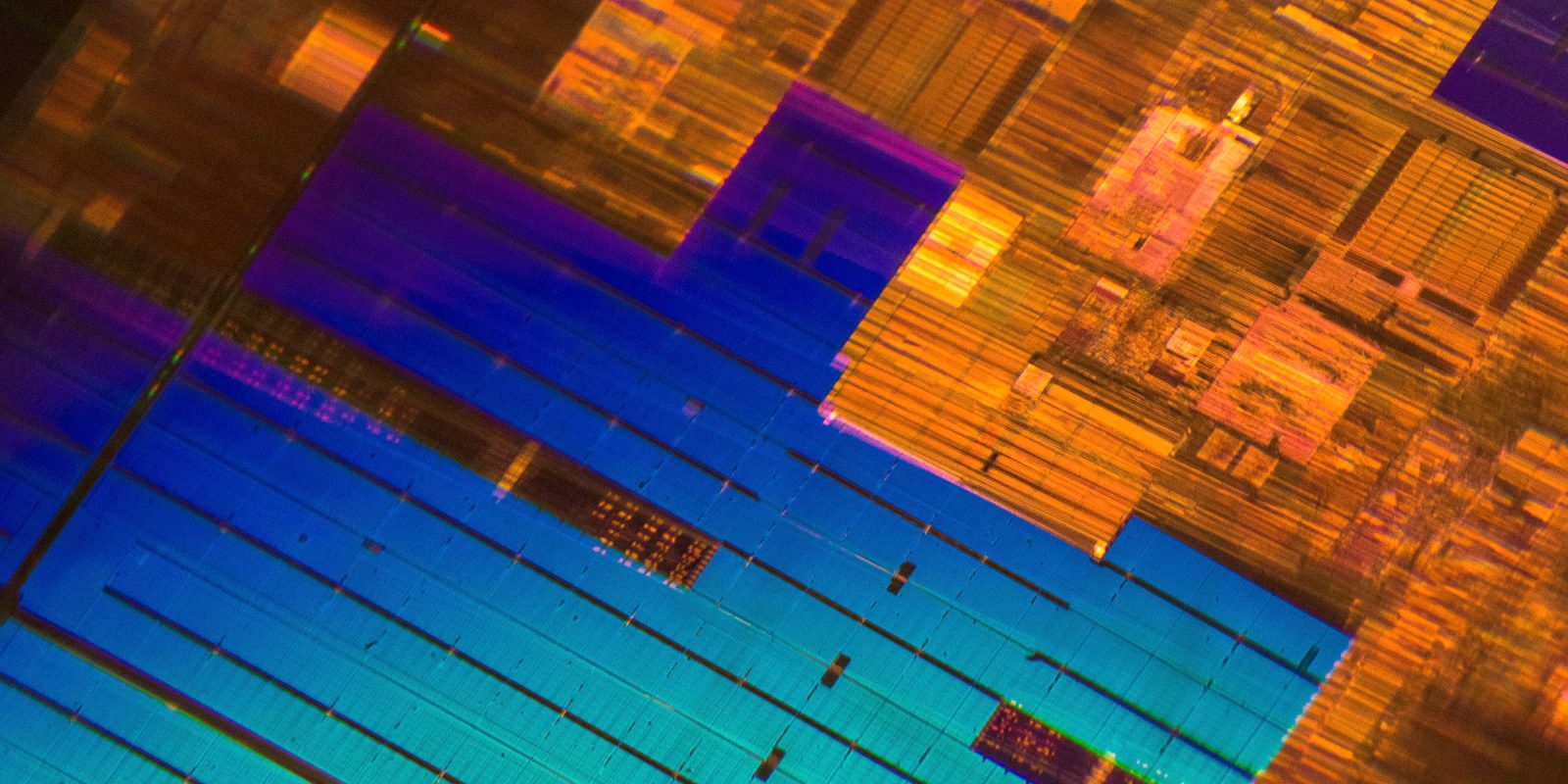
Apple's faulty chips are big business for the company, and not just in the MacBook Neo | Close-up image of a silicon chip

Apple has for years been using a procedure known as chip binning to reuse faulty chips in other models of a product, or even entirely different products.

A new report gives further examples of cases where Apple has been able to take chips which failed quality control for one product and subsequently use them in another – and says that the practice dates all the way back to the original iPad and iPhone 4 …

Chip binning

We first drew attention to the process back in 2020 when Apple used it for the M1 MacBook Air.

A number of people commented on what appears to be a comical difference in the new MacBook Air specs, between the $999 base model and the $1249 version. While the higher-spec model has an 8-core GPU – also seen in the new MacBook Pro and Mac mini – the base model only has a 7-core GPU.

Apple isn’t asking TSMC to produce a version of the M1 chip with a 7-core GPU instead of an 8-core one. Rather, it is taking those chips which are not capable of running the machine with all 8 graphics cores. Those are designated 7-core versions and allocated to the base model MacBook Air.

The benefit of taking this approach is cost savings. Instead of throwing away the chips which don’t quite live up to the full spec, Apple is able to use some of them. That increases yields and thus reduces costs.

MacBook Neo uses binned iPhone chips

We noted that this was key to Apple being able to offer the MacBook Neo at such an attractive price. The company was using binned A18 Pro chips that were rejected for use in the iPhone 16 Pro because only five of the six graphic cores were working.

That strategy was almost too successful. Demand for the MacBook Neo was so high that the company used up all of the binned chips it had saved from iPhone 16 Pro production and is now having to have more of them manufactured.

Binned chips in other Apple products

A Wall Street Journal report highlights a further five products using binned chips:

  • A15 Bionic: Used in the iPhone SE
  • A17 Pro: Used in the iPad mini
  • A18: Used in the iPhone 16e
  • A19: Used in the iPhone 17e
  • A19 Pro: Used in the iPhone Air

This is far from an exhaustive list, with the report suggesting that Apple has been using chip binning all the way back to the original iPad and iPhone 4.

A4 chips that drew too much power weren’t well-suited for smartphones running on a battery, but worked just fine in the Apple TV plugged into an outlet, said people familiar with the products. Something similar happened with less efficient S7 chips, which ended up in the second-generation HomePod rather than the Apple Watch for which they were originally designed, these people said.

This practice has likely produced savings for Apple amounting to hundreds of millions of dollars.

Photo by Jason Leung on Unsplash

Add 9to5Mac as a preferred source on Google Add 9to5Mac as a preferred source on Google

FTC: We use income earning auto affiliate links. More.
