






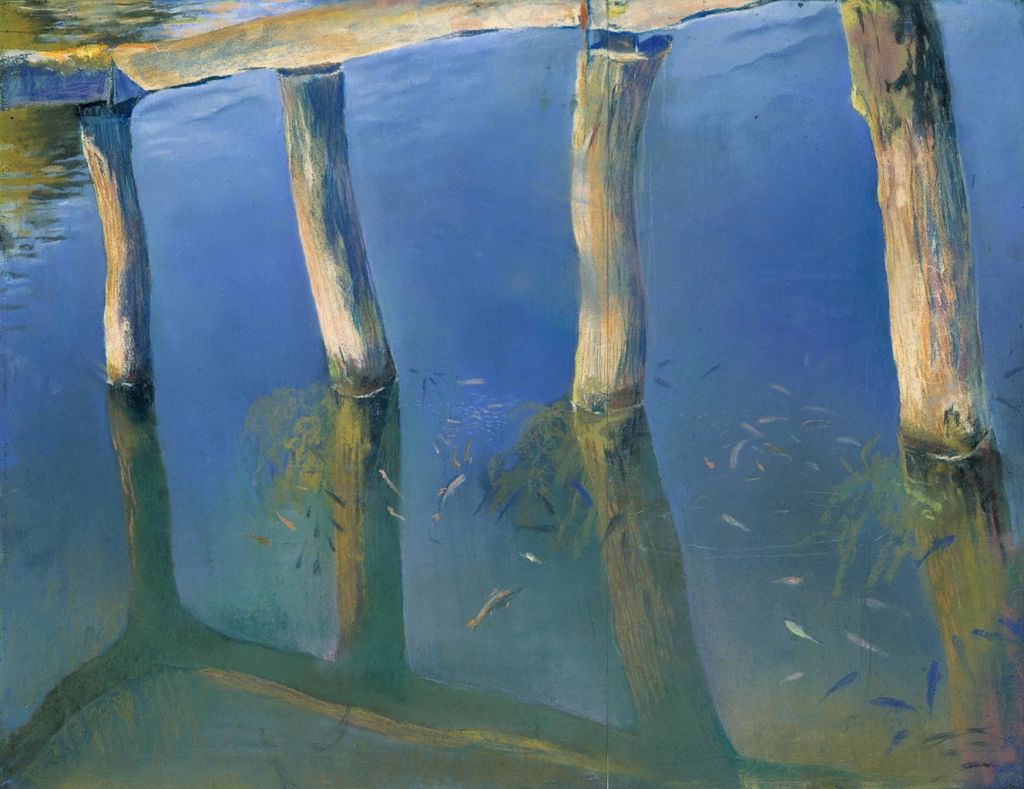
 Kazimierz Sichulski (1879–1942), Fish (1908), pastel on paperboard, 63 x 82 cm, Muzeum Narodowe w Poznaniu, Poznań, Poland. Wikimedia Commons.
This series looks at two contrasting groups of paintings featuring reflections: those of figures seen mostly in planar mirrors arranged vertically, such as that mounted on a dressing table, and those of landscapes seen reflected by a horizontal water surface like a lake. When intended to be faithful to nature, these should all adhere to the same optical principles.

Optical effects as a theme in the Northern Renaissance, as seen in Jan van Eyck’s most famous painting The Arnolfini Wedding, completed in 1434 (above), and in the landscape behind his Madonna of Chancellor Rolin, probably painted the following year (below).

Any faithful depiction of reflections on water should show the following:
Analogous principles apply to reflections in a vertical mirror.
Self-portraits almost invariably rely on painting the reflection seen in a plane mirror.

Defined by Marco Bertamini, Richard Latto and Alice Spooner as occurring “every time the observer sees both an actor (eg Venus) and a mirror, not placed along the observer’s line of sight, and concludes that Venus is seeing her reflection at the same location in the mirror that the observer is seeing.” They were intrigued by “the situations in which we as observers read the scene in a certain way, but the mirror itself is used (deliberately or not) to lead us down the wrong path. More specifically, the mirror shows us something that we accept as the view available to the actor in the scene. However, the actor has a different vantage point from us and therefore the laws of optics imply that he/she cannot be seeing what we see in the mirror.”

Where the artist manipulates a reflected image for an effect, whether or not that image remains faithful to optical principles.

Early mirror play by Pierre Bonnard (1867-1947).
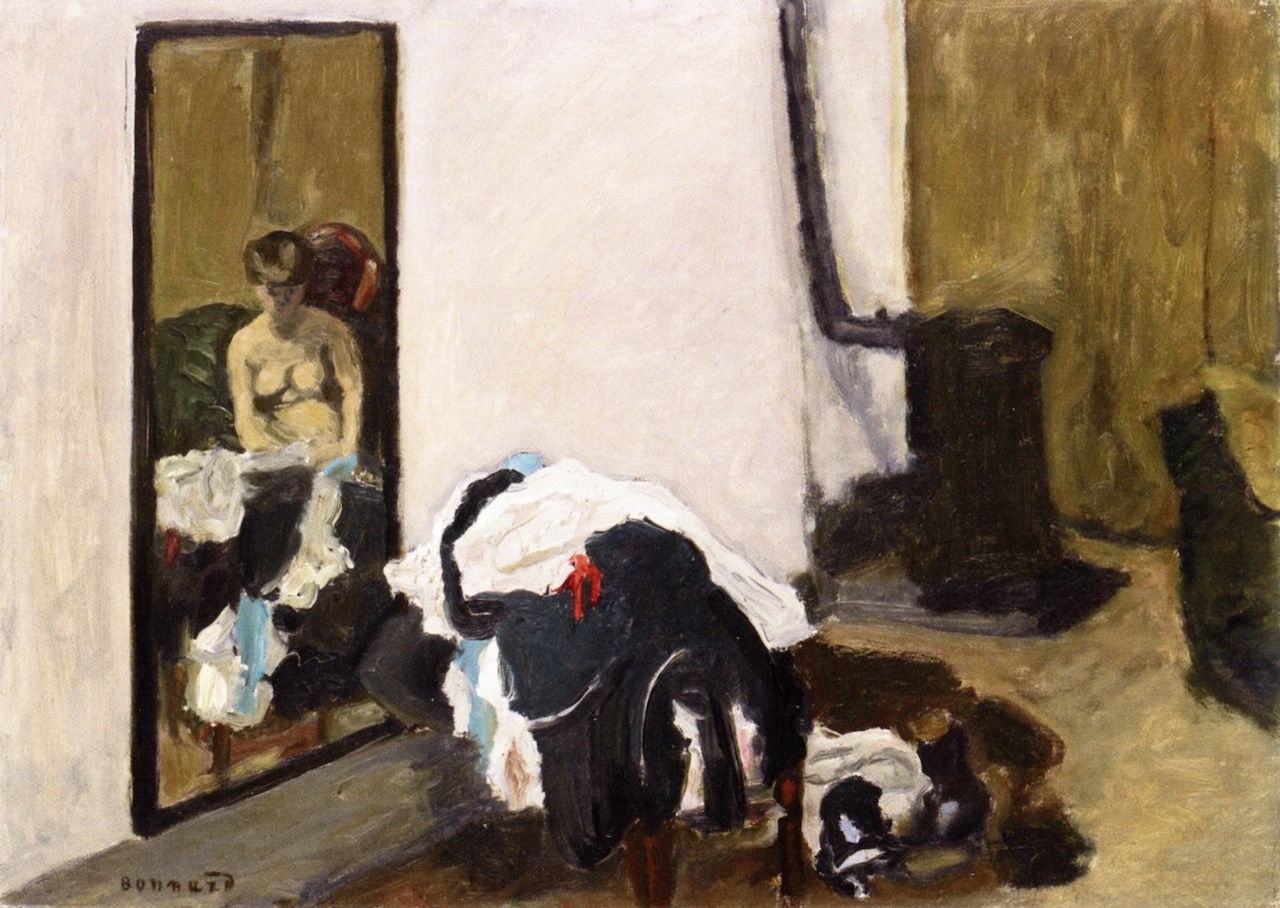
Later mirror play by Pierre Bonnard (1867-1947).

Where the artist uses a reflection to show more of the motif than can be seen directly, often to add information when developing a story.

Paintings by:
Albrecht Dürer (1471-1528)
Aelbert Cuyp (1620–1691)
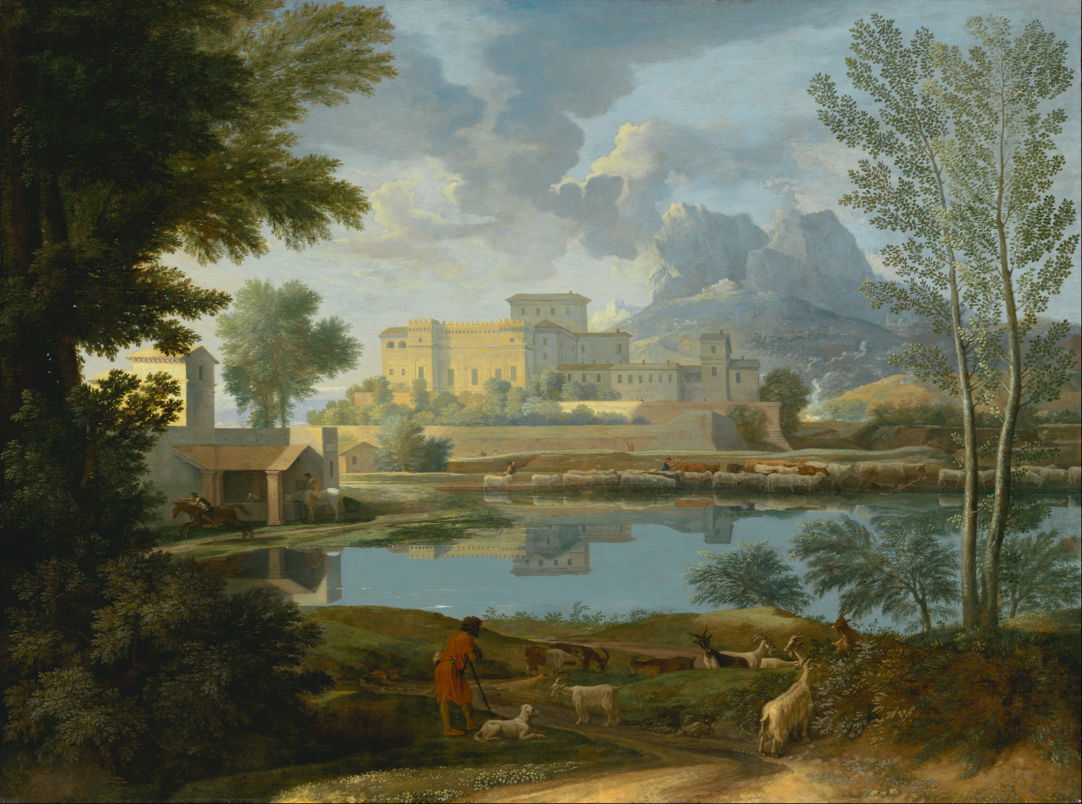
Nicolas Poussin (1694-1665), Landscape with a Calm (c 1651)
Claude Lorrain (1604/5–1682)
Canaletto (1697–1768)
Claude-Joseph Vernet (1714–1789)
Paintings by:
John Constable (1776–1837)
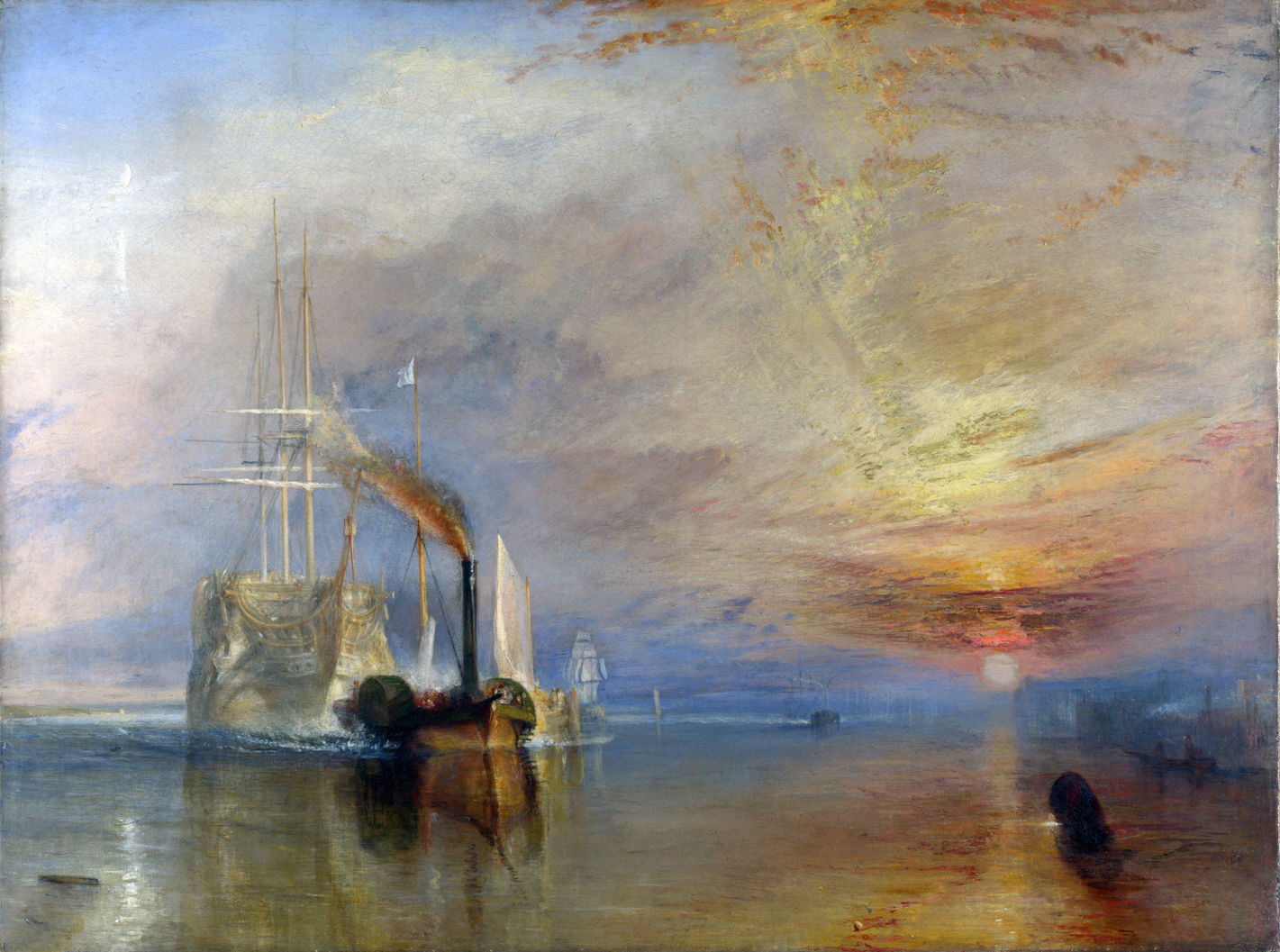
Joseph Mallord William Turner (1775–1851)
Paintings by:
Gustave Caillebotte (1848–1894)
Martín Rico y Ortega (1833–1908)
Eilert Adelsteen Normann (1848–1918)
Laurits Andersen Ring (1854–1933)
Frits Thaulow (1847–1906)
Kazimierz Sichulski (1879–1942)
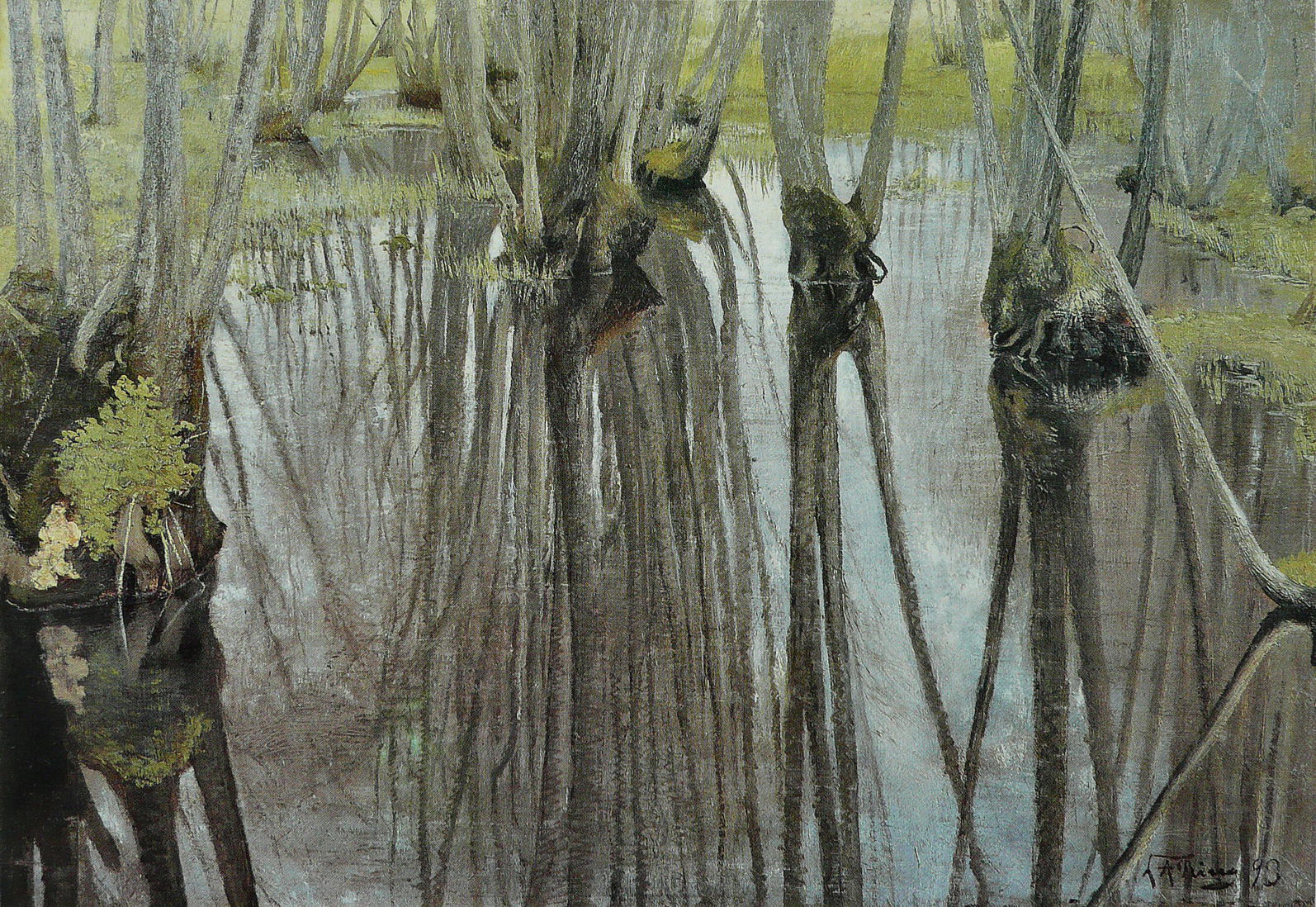
Paintings by:
Jean-Baptiste-Camille Corot (1796-1875)
Claude Monet (1840–1926)
Alfred Sisley (1839–1899)

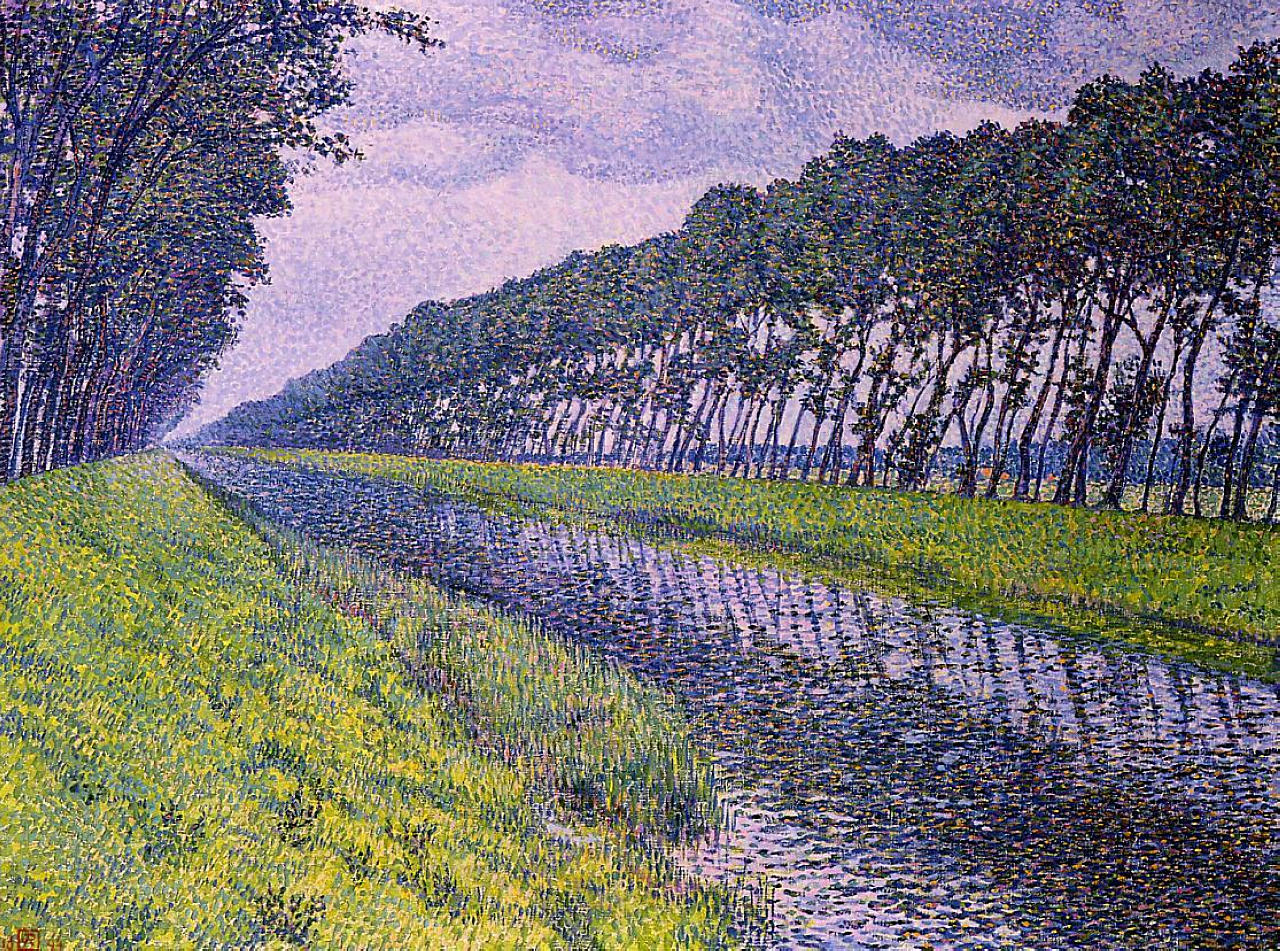
Paintings by:
Georges Seurat (1859–1891)
Camille Pissarro (1830-1903)
Paul Signac (1863-1935)
Théo van Rysselberghe (1862-1926)
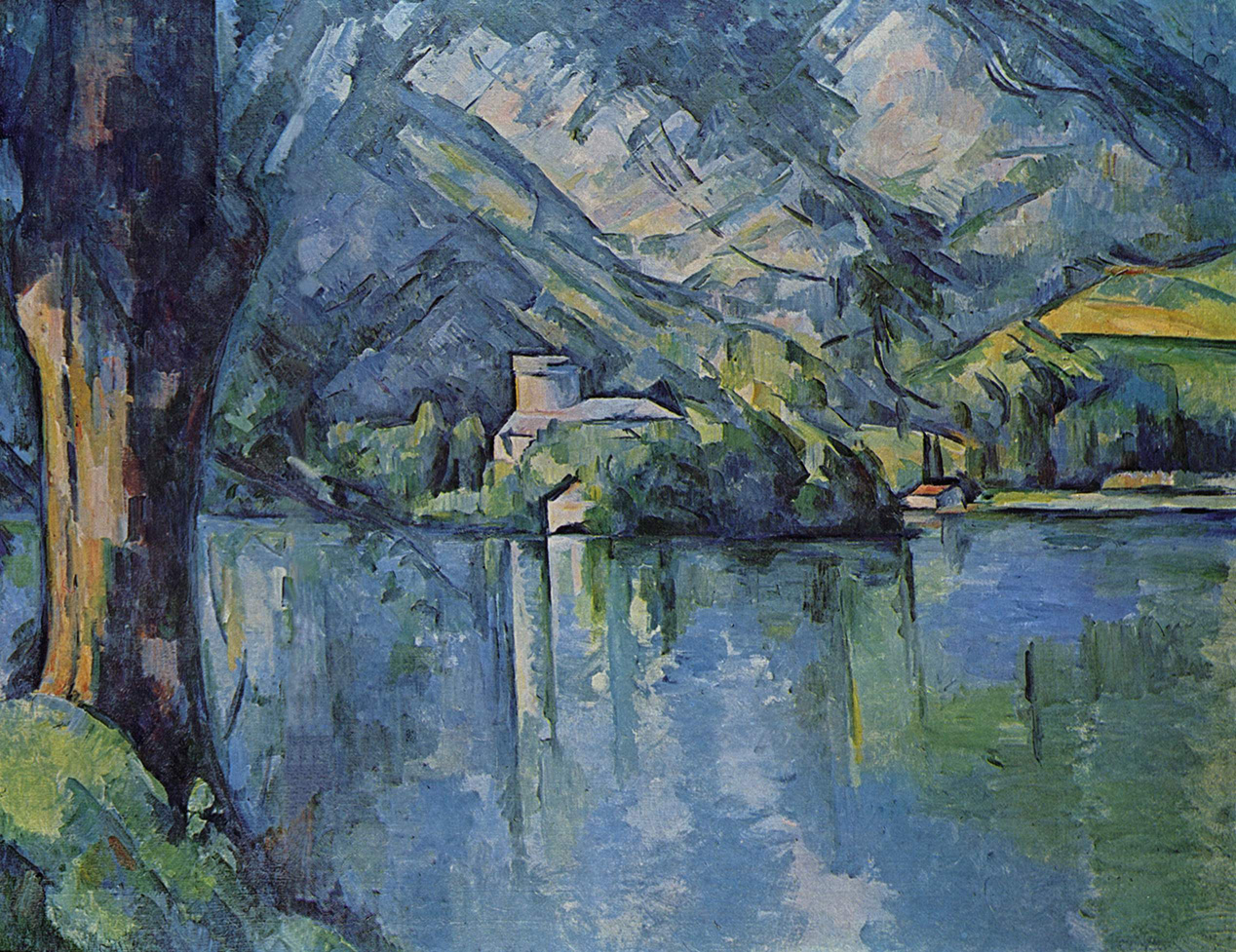
Paintings by Paul Cézanne (1839-1906)
Paintings by:
Ferdinand Hodler (1853–1918)
Gustav Klimt (1862–1918)

Brook Taylor (1719) New Principles of Linear Perspective, or the Art of Designing on a Plane the Representations of All Sorts of Objects, in a more General and Simple Method than has been done before, London. (Not available online, and later editions omit much of the material on reflections.)
Cole, Rex Vicat (1921) Perspective, Seeley, Service and Co, London. (Available in various reprints, and Archive.org.)
de Piles, Roger (1708) Cours de Peinture par Principes, Paris. (Available at Archive.org.)
de Valenciennes P-H (1820) Élémens de Perspective Pratique à l’usage des artistes, 2nd edn., Paris.
此内容由惯性聚合(RSS阅读器)自动聚合整理,仅供阅读参考。 原文来自 — 版权归原作者所有。