








Many millennial designers grew up playing with Microsoft Paint—often the first UI drawing tool they used whether they knew it or not. This was also true for me, but there was another software that inspired me as a kid—Visual Basic 1.0. I thought the visual development environment for BASIC created by Alan Cooper was a design tool. From Visual Basic, to HyperCard, and to Macromedia Dreamweaver, I never cared (or knew) the difference between a design tool and development tool. It was about making something.
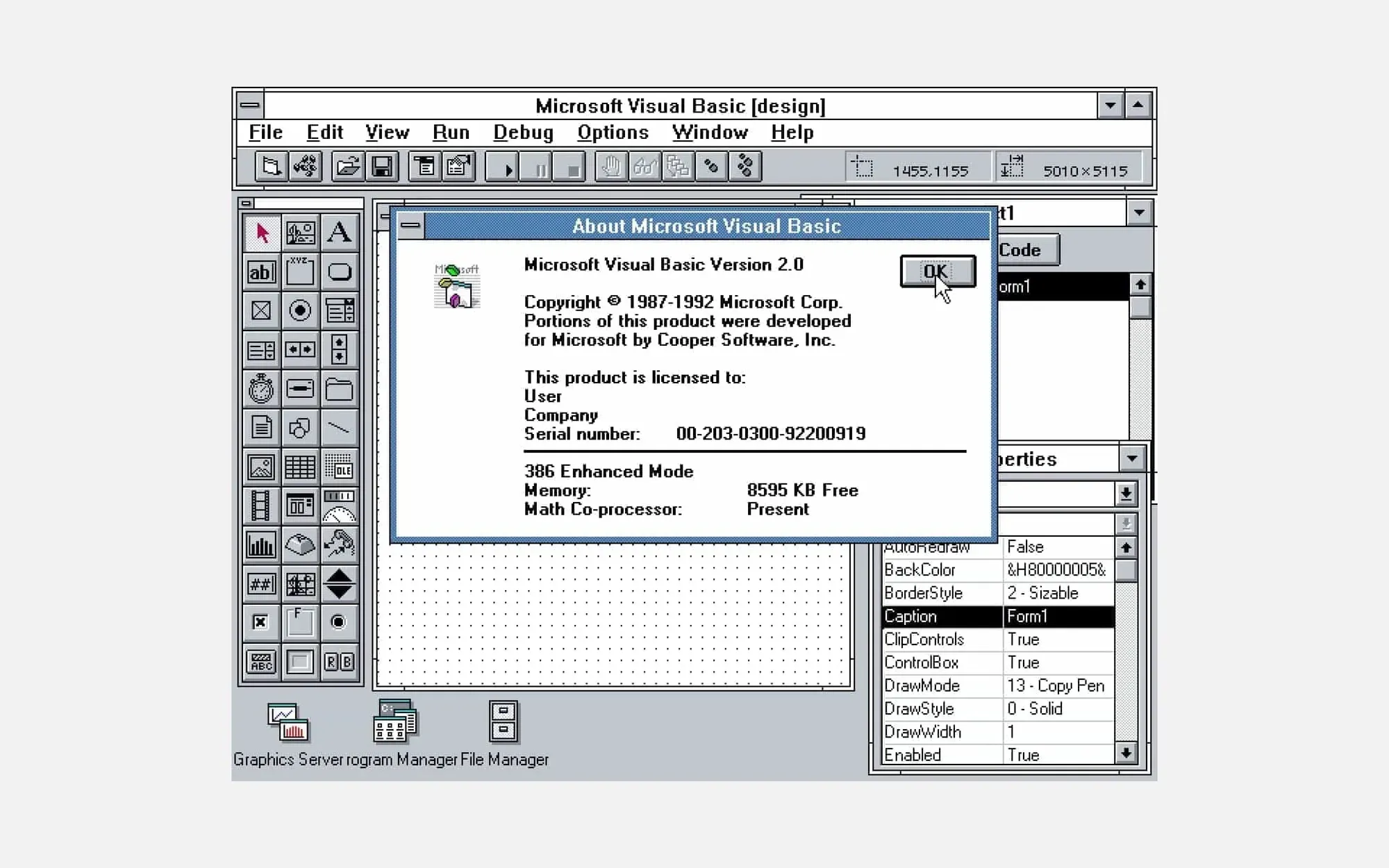
2008 to 2015 were formative years as a designer. I immersed myself in as many tools as possible and found ways to subvert them to build something; some of my favorites being Quartz Composer, Xcode, Framer.js, and coding on TextMate 2. Blending design tools with ways to build, I became enamored with the concept of an Integrated Design (and) Development Environment (IDDE).
The traditional IDE is a suite of tools and features needed for you to build and ship software. I never understood why design wasn’t a part of it. Funny story: when I interviewed with Apple’s Xcode team many years ago, one of the interviewers asked me what wild idea I would propose. “I would buy Sketch 2.0 and make it the new Interface Builder.” This probably killed the interview for me.
Today, this vision of design tools and developer tools coming together is becoming more real than ever—not because of my experiences with Visual Basic as an eight year-old, but the way software is made is rapidly changing.
There are forces of nature in play accelerating this change, and it’s more timely than ever. The first is the adoption of Large Language Models (LLMs)—no surprise if you’ve been following tech trends in the past 12–18 months. I don’t think LLMs are a fad or hype cycle but a foundational change. Because of the complexity of these systems, drawing UI isn’t sufficient to design for something so dynamic. LLMs are only one example of a dynamic system being a core aspect of software. With innovations like Open Interpreter’s 01, multiple-device interaction is another complex system that drawing software cannot comprehend.
Second, the skill range of designers and engineers is expanding through natural skill building or augmentation with AI workflows. A designer who may not be comfortable with coding can hack something together through natural language. It also means a software engineer who may not like front-end work can get help with AI tools to close the skill gap. Both disciplines are getting more and more comfortable within their traditional workflows. According to Figma, 30% of their users are developers.
Finally, shipping software is getting more seamless, resulting in faster iteration cycles to production. In my early career the most magical dev-ex experience was building apps with Ruby on Rails and deploying to Heroku. Today’s experiences will continue to get better for dev ex (and design ex!) for software creators.
The concept of merging design and developer tools sounds great, but infusing the workflows can’t be slapped on. Regardless of how innovative or cool your product is, existing human behaviors and adoption will be the biggest competitor to your product’s success. Remember, the two most opinionated people about workflows on the planet are designers and developers. If the workflows are well considered and evolved, adoption can occur.
I came up with a few thoughts on what matters in an infused workflow and this is not a comprehensive list:
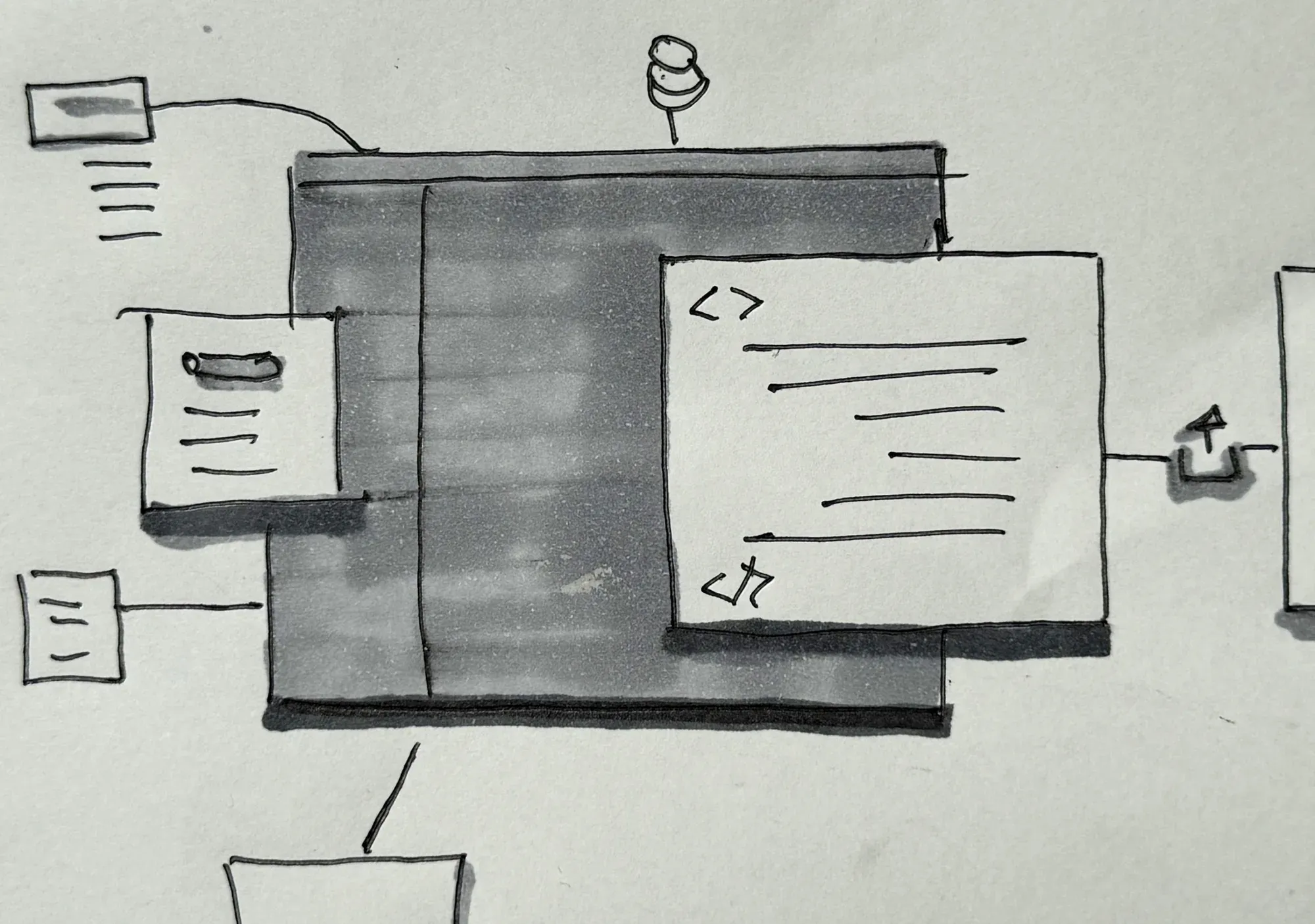
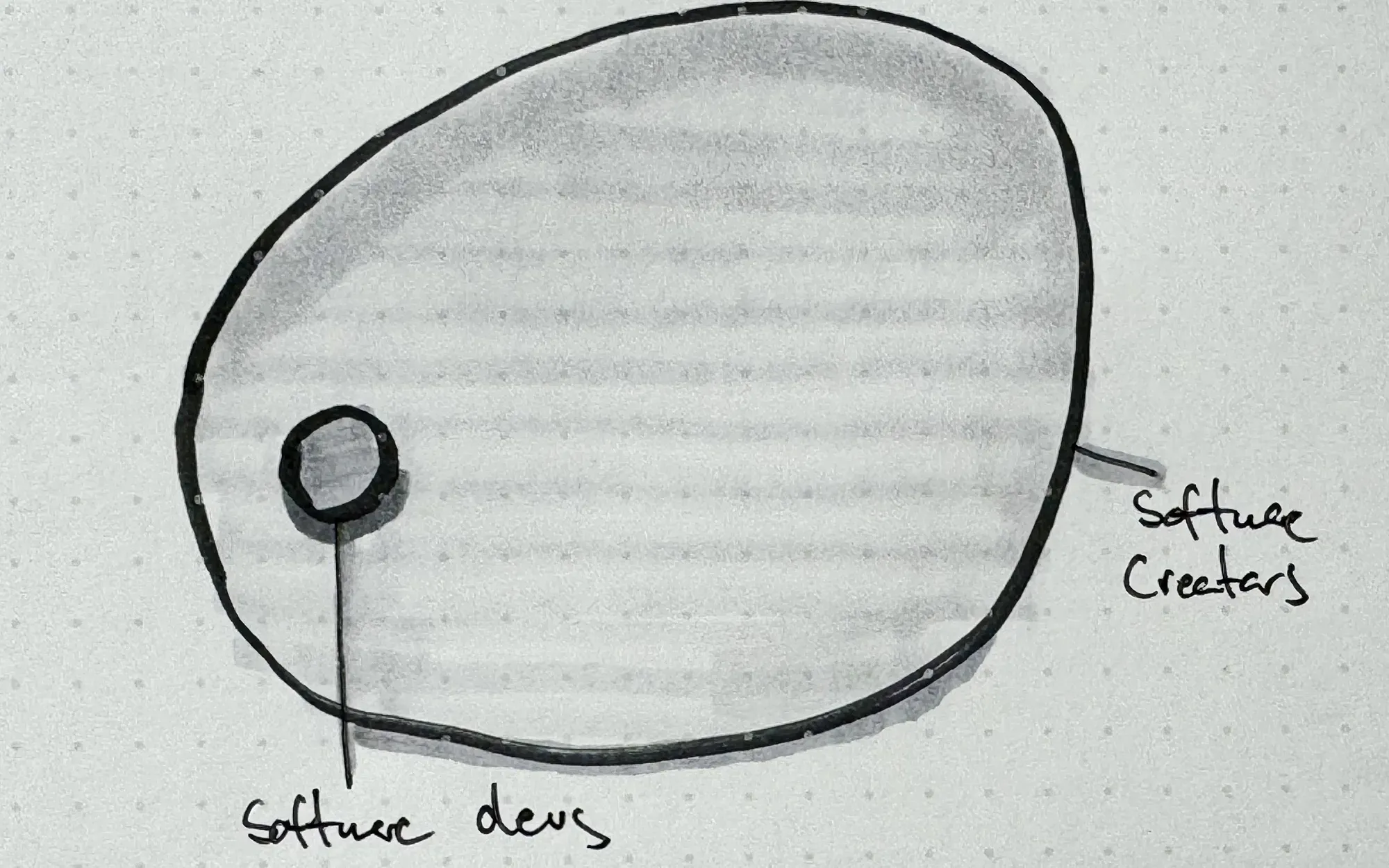
It’s an exciting time for everyone to participate in software creation. The infusion of design and dev tools is not replacing people, but empowering so many others with software developers being more important than ever.
The IDDE has been something I’ve been thinking about for more than ten years in my career. I can’t think of a greater purpose than building tools that revolutionize the internet. I was motivated by this mission at Webflow and now get to work on it at Replit.
As Linus Pauling said, “The best way to have a good idea is to have lots of ideas.” If we can get more people to create software in the world, perhaps one of those people’s ideas is the next idea that changes the world.
此内容由惯性聚合(RSS阅读器)自动聚合整理,仅供阅读参考。 原文来自 — 版权归原作者所有。