



Happy Sunday from Brooklyn, NY. This week, many new memories made were in familiar places in my former neighborhood of Brooklyn Heights. I lived in the neighborhood near the promenade overlooking the iconic bridge named after the borough and skyline of Manhattan for four years—a place that still feels like home every time I visit.
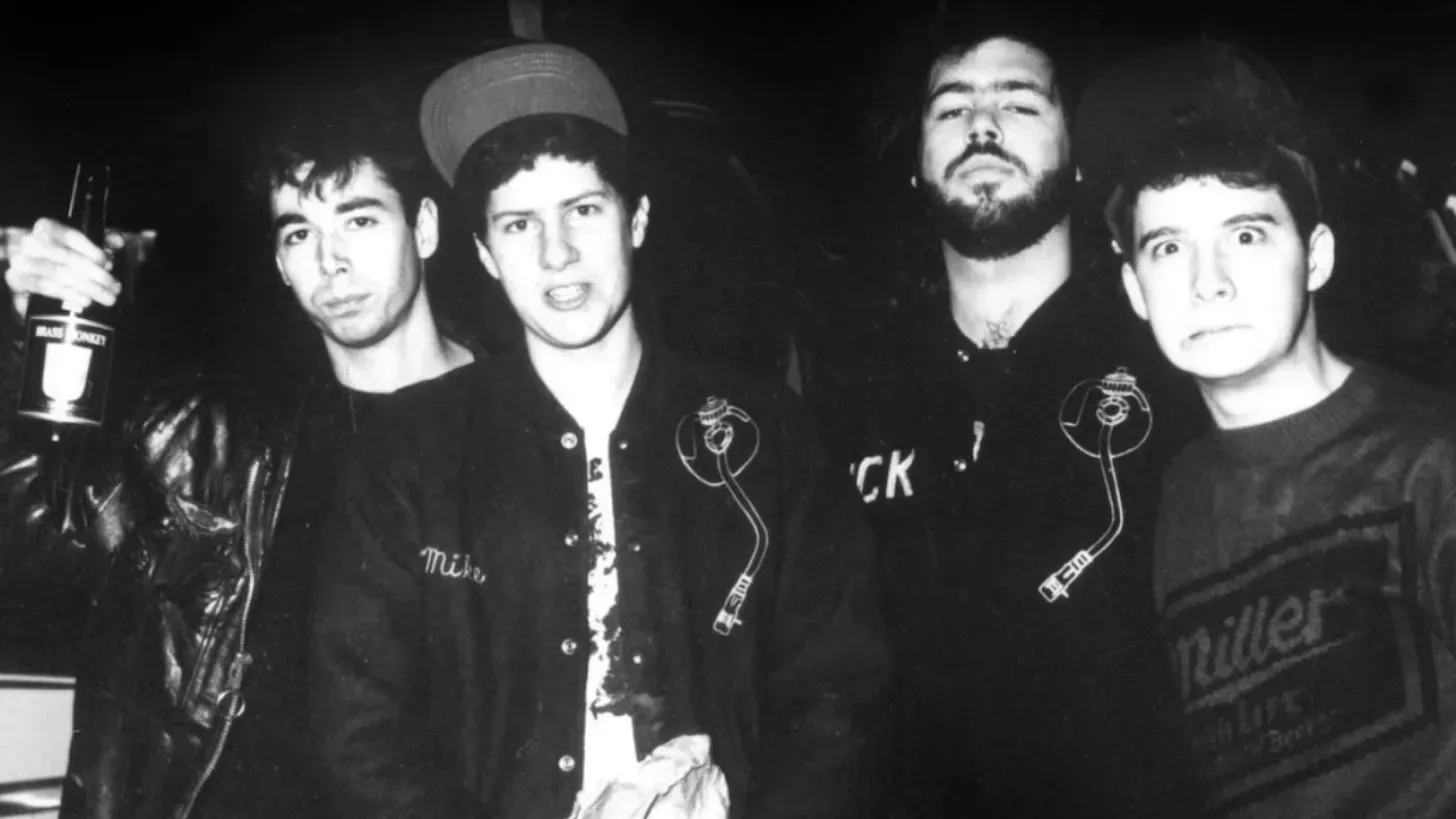
In addition to being home to the best Sardinian restaurant in New York, Brooklyn Heights is where Adam Yauch Park is named after the legendary member of the Beastie Boys, MCA. Formerly, Squibb Park, the park was renamed to dedicate Yauch, who died of cancer in 2012 (RIP MCA). Brooklyn Heights is where Yauch grew up, and his mom Frances still lived there at the time I was there. This isn’t an important prelude, but a segue to talk about a man who had a close relationship with the Beastie Boys and many other iconic musicians: Rick Rubin. This week, we’ll talk about Rubin as the proxy of the role of taste in design.
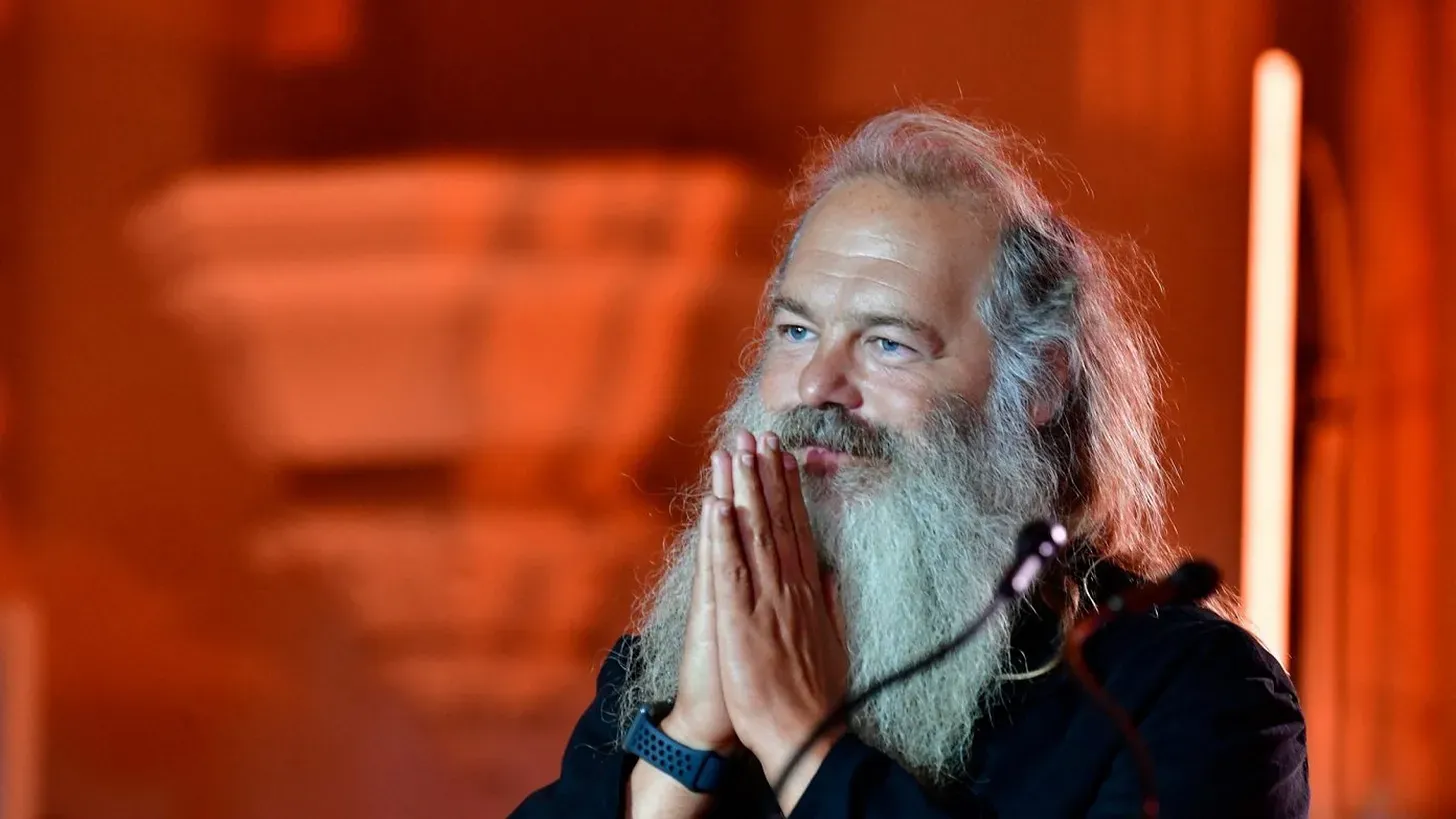
A few weeks ago, 60 Minutes posted their 60 Minutes interview, a sit-down with Anderson Cooper and Rick Rubin, a record producer, and co-founder of Def Jam Records. This interview is in part of the launch of Rubin’s new book, The Creative Act: A Way of Being. The tweet from the 60 Minutes account sparked many thoughts about Rubin, such as, “What does he actually do then?”
— 60 Minutes (@60Minutes) January 16, 2023“I have no technical ability. And I know nothing about music.”
Music producer Rick Rubin says he can barely play any instruments, but says artists come to him because of “the confidence I have in my taste and my ability to express what I feel.” https://t.co/zLrPYRUjvs pic.twitter.com/KRZWLCpSB2
Wait, what on Earth does Rubin actually do then? Is he one of those “I have an app idea” guys (it’s always a guy) who needs the talents of product developers who can actually build the app? Surely someone who hasn’t been a designer cannot have design taste because they haven’t spent hundreds of thousands of dollars to go to the Rhode Island School of Design, right? The answer is, Rubin is kind of like all these things, but he’s damn good at his job, which is having great taste, spotting talent, and popularizing it. Rubin represented artists such as the Beastie Boys, Run-DMC, Public Enemy, LL Cool J, Red Hot Chili Peppers, Rage Against the Machine, and the litany of legends go on.
Let’s talk about taste and the role it plays in creativity and software. “Taste” undefined is vague like those words that generalize without substance, like “cultural fit.” In essence, taste is curating subjectivity in a way that brings objectivity to your vision. It’s the ability to say, “this is dope, and I’ll tell you in a detailed manner why it is.” Taste is being able to articulate why you enjoy the Riot in Belgium’s remix of Chromeo’s Bonafied Lovin’ more than the original.
Everyone has taste, but not all of it is good. In fact, much of it is bad. For example, I could tell you I love Nickelback and listen to it every waking minute of my life (to be clear, I don’t) but that doesn’t mean my taste is good in comparison to the taste of others. Taste also doesn’t equate to things you like. I love watching The Expendables or Jean-Claude Van Damme films but would absolutely not equate that to my film curation of great taste.
There was a reason artists like LL Cool J were sending demo tapes to Rick Rubin’s dorm room at NYU to get it in front of him. His taste was respected and trend-setting. There are two ways to get respect for your taste. The first is Rubin’s way, where you have such a grasp on what you like that it influences how other people like it. The second is having such a pedigree in the work you’ve done in your craft that people respect your taste. As a designer and builder, the second one is your greatest power.
One of my favorite series is Detail by the late, great Kobe Bryant on ESPN. In this series, Bryant breaks down the specific attributes of what makes certain players great—a great comparison of how great taste can be articulated. Saying something is modern or on brand without any articulation of why is not taste. It’s saying a very obvious thing with no substance.
此内容由惯性聚合(RSS阅读器)自动聚合整理,仅供阅读参考。 原文来自 — 版权归原作者所有。