








If you’re a content creator or blogger wondering how to create a newsletter that effectively engages your audience, drives traffic to your website, and helps you build a loyal following, then you’ve come to the right place!
Creating a newsletter may seem like a huge task, but in this article, we’ll provide you with tips, tricks, and templates to help you create a successful newsletter that works. Whether you’re new to newsletter creation or just looking to improve your existing one, we’ve got the knowledge and resources you need to get started.
So, let’s dive into “How to Create a Newsletter” that your readers will love! 👀
At a glance ⬇️
- What is a Newsletter?
- How to start a newsletter?
- Planning Your Newsletter
- ✍🏻 Writing Your Newsletter Content
- 🎨 Designing Your Newsletter
- 🔖 How to create your newsletter using templates
- How to Increase Your Newsletter Subscriber Base
- Be careful! Newsletter legal requirements
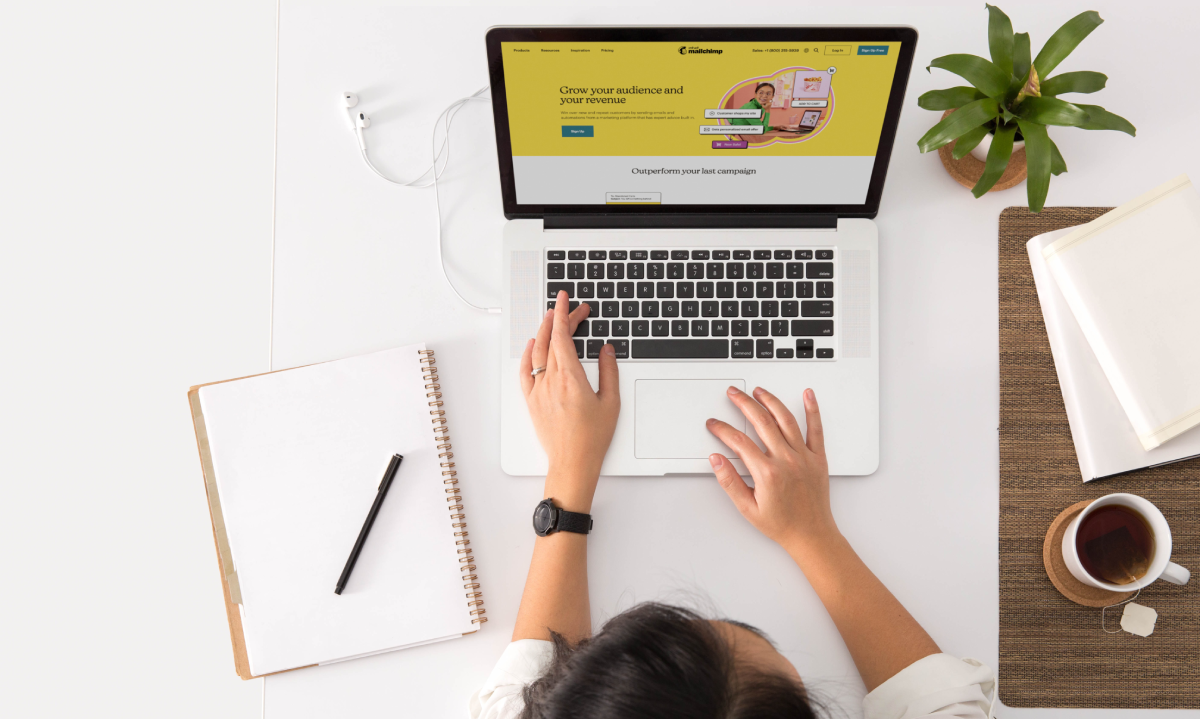
What is a Newsletter?
A newsletter is a regular email that contains updates, news, and useful content for subscribers. By creating a newsletter, content creators and bloggers can establish a direct line of communication with their audience and keep them informed about new blog posts, products, and services. In this article, we will cover everything you need to know about how to create a newsletter, including tips, tricks, and templates to help you get started.
Creating a newsletter is an essential tool for content creators and bloggers to engage with their audience and provide them with valuable information.
Whether you are a beginner or an experienced blogger, this article will provide you with the information you need to create a successful newsletter that will keep your subscribers engaged and informed.
How to start a newsletter?
Before starting a newsletter, it’s important to do your research and understand your niche. Once you have a clear idea of what your audience is looking for, you can move on to planning your frequency and marketing strategy. Crafting your newsletter is the next step, and it’s important to focus on creating a readable, and skimmable layout. If you’re not a designer, using templates is a great way to get a professional look. Finally, you’ll need to choose an email management software that fits your needs. Some popular options include Mailchimp and Constant Contact. Continue reading below for a full breakdown of what you need to do.
How to create a newsletter:
Planning Your Newsletter
To create a successful newsletter, the first step is to set clear goals for what you want to achieve with your newsletter, for example:
- drive traffic to your website,
- increase sales, or
- build brand awareness, among many other issues.
💡 Having a specific goal in mind will help you create content that aligns with your objectives.
👉 Defining your target audience is another critical aspect of creating a newsletter. Understanding who your subscribers are (employees, leads), their interests, and their needs will help you create content that resonates with them and keeps them engaged.
👉 Determining the frequency and timing of your newsletter is also crucial. You don’t want to overwhelm your subscribers with too many emails, but you also don’t want to send them too infrequently, as they may forget about your newsletter altogether.
👉 Consider your goals and your audience’s preferences when deciding on the frequency and timing of your newsletter. Testing different frequencies and analyzing subscriber engagement can also help you find the sweet spot for your newsletter.
👉 Consider a Marketing Strategy. Using social media platforms to promote your newsletter and attract new subscribers and collab with other businesses or influencers in your niche to expand your reach. Use lead magnets, such as offers, premium content or discount codes, to entice people to subscribe to your newsletter.
👉 Using email management software can save you time and make your newsletter creation process much easier. Consider templates that align with your brand’s look and feel. And look for user-friendly interface that allows you to easily create and edit content, and integration with social media platforms for easy sharing and promotion. And remember to track subscriber engagement it can help you optimize your newsletter.
✍🏻 Writing Your Newsletter Content
As a content creator or blogger, you want your newsletter to be engaging and informative for your subscribers. Here are some tips for writing engaging content that will keep your readers interested:
- Keep it concise: Your newsletter should be easy to read and to the point. Avoid long paragraphs and use bullet points to break up your content.
- Provide value: Your subscribers are looking for valuable information. Make sure that your content is relevant to your niche and provides value to your readers.
- Use a conversational tone: Your newsletter should be personal and engaging. Use a conversational tone to connect with your readers and build a relationship with them.
- Use short paragraphs: Long paragraphs can be overwhelming and difficult to read. Keep your paragraphs short and to the point.
- Use images: Images, videos and Infographics can help to illustrate your points and make your newsletter more visually appealing.
👆🏼 These tips helps to create a newsletter that is engaging, informative, and visually appealing.
🎨 Designing Your Newsletter
When you’re designing your newsletter, it’s important to make it look great and be easy to read for your subscribers. Here are some friendly tips to help you out:
- Pick a layout and colors that match your style: Choose a layout (including header) and color scheme that fits your brand and your content. Keep it simple and easy to read.
- Follow best practices for design: Make sure your design is consistent throughout your newsletter. Use white space to break up your content and make it easy to read.
- Optimize your newsletter for different devices: Make sure your newsletter looks good on all types of devices.
🔖 How to create your newsletter using templates
Creating a newsletter can seem time-consuming, but using templates can make the process much easier. Here are some friendly tips to help you get started:
✅ Benefits of using templates for your newsletter:
Templates can save you time, provide a consistent design, and make it easy for you to create a professional-looking newsletter without any design experience.
✅ Examples of newsletter templates and where to find them:
There are plenty of options for newsletter templates, including popular design tools like Canva, Mailchimp, Substack, and Adobe Express. You can choose from a variety of layouts and customize them to fit your brand.
✅ Tips for customizing templates to fit your brand:
When customizing your template, remember to add your own branding elements, like your logo and colors. Adjust the layout to fit your content and make it easy to read. Use your own images to make it more engaging.
Using templates can make the process much easier and save you a lot of time. So why not give it a try and see how it can benefit your newsletter?
How to Increase Your Newsletter Subscriber Base
Growing your newsletter subscribers is essential for getting your content out there and engaging with your audience. Here are some tips to help you get started:
- Build your email list: The first step to growing your subscribers is to build your email list. Make sure to have sign-up forms on your website and social media platforms. Offer incentives for signing up, such as exclusive content or a freebie.
- Increase newsletter subscribers: There are several strategies you can use to increase your subscribers. For example, you can promote your newsletter on your social media platforms, collaborate with other content creators, or guest post on other blogs.
- Track and analyze your newsletter performance: To understand how your newsletter is performing, you need to track and analyze your metrics. Use tools like Google Analytics or Mailchimp to monitor your open rates, click-through rates, and subscriber growth.
When it comes to building your email list, there are some best practices to keep in mind:
✅ Make sure to get permission before adding someone to your list, and provide clear information on what they can expect from your newsletter. You should also make it easy for subscribers to unsubscribe if they choose to do so.
💡 Legal obligations when adding users to your mailing list
Is it illegal to add someone to a mailing list?
No, it’s not illegal to add someone to a mailing list; nevertheless, there are legal obligations you need to abide by when adding users to your mailing list. Depending on where your customers live, specific laws relating to spam may apply.
👉 Check How to Make your Emails and Newsletter Compliant (with Form Examples)
🔎
Looking for a simple and compliant way to manage consent for newsletter subscriptions?
Try our Newsletter Opt-in Booster 👉 it adds a customizable signup form to your site, allowing you to collect and manage consent through a double opt-in process for a more engaged and responsive audience.
✅ To increase your newsletter subscribers, consider leveraging your social media platforms. Share your newsletter sign-up form and promote your content to your followers. Collaborating with other content creators can also be a great way to expand your reach and attract new subscribers.
✅ When analyzing your newsletter performance, focus on key metrics like open rates, click-through rates, and subscriber growth. This will give you insight into what’s working and what’s not, so you can make adjustments and improve your newsletter over time.
✅ There are several tools available to help you track and analyze your newsletter performance. Google Analytics is a popular option, and Mailchimp also offers detailed reporting and analytics. Use these tools to gain insight into your newsletter’s performance and make data-driven decisions.
Be careful! Don’t forget to check the legal requirements for a newsletter.
What you need to do:
In regards to compliance, it is always a good idea that you approach your data processing activities with the strictest applicable regulations in mind. In regards to the newsletter process, compliance, at the very least, requires that you put the following into practice:
- ✅ Step 1: Inform your users of the data you collect, why, and the method of delivery (If you’re using direct email marking, make sure to include this in your privacy policy)
- ✅ Step 2: Inform your users of all third-party providers involved in your newsletter management process, (including links to their privacy documents and their rights in regard to their data including the right to withdraw consent.)
- ✅ Step 3: Keep valid records of the consent collected. Without these records, the consent you collect is considered invalid.
👋 This can be a technical challenge. Our Consent Database simplifies this process, making it easy for you to view, manage and export your recorded consents. You can read more about it here for how to achieve this!
Make your newsletters compliant with the law
Create your privacy policy, collect consent and keep records