
惯性聚合 高效追踪和阅读你感兴趣的博客、新闻、科技资讯
阅读原文 在惯性聚合中打开

推荐订阅源

Vercel News
Vercel News
Recorded Future
Recorded Future
CTFtime.org: upcoming CTF events
The GitHub Blog
The GitHub Blog
Application and Cybersecurity Blog
Google DeepMind News
cs.AI updates on arXiv.org
Microsoft Azure Blog
K
KPMG report finds enterprise disconnect between AI and its ROI | CIO
M
MIT News - Artificial intelligence
云风的 BLOG
云风的 BLOG
Y
Y Combinator Blog
N
News | PayPal Newsroom
freeCodeCamp Programming Tutorials: Python, JavaScript, Git & More
Help Net Security
Help Net Security
博客园 - Franky
SecWiki News
SecWiki News
Recent Announcements
T
Troy Hunt's Blog
The Register - Security
The Last Watchdog
The Last Watchdog
Webroot Blog
Webroot Blog
S
Security Affairs
博客园 - 司徒正美
S
Schneier on Security
I
InfoQ
博客园_首页
www.infosecurity-magazine.com
T
Threat Research - Cisco Blogs
Forbes - Security
Forbes - Security
腾讯CDC
N
Netflix TechBlog - Medium
N
News and Events Feed by Topic
Cloudbric
Cloudbric
T
The Exploit Database - CXSecurity.com
P
Proofpoint News Feed
A
About on SuperTechFans
Engineering at Meta
Engineering at Meta
Recent Commits to openclaw:main
B
Blog
V
Vulnerabilities – Threatpost
C
Check Point Blog
Google DeepMind News
Google Online Security Blog
C
Cyber Attacks, Cyber Crime and Cyber Security
Hacker News - Newest:
Hacker News - Newest: "LLM"
C
Cisco Blogs
Schneier on Security
O
OpenAI News
K
Kaspersky official blog

Compliance Solutions for Websites, Apps and Organizations | iubenda

AI can build your website. It can't manage your consent. | iubenda Browser signals and machine-readable consent: what they are and what the EU’s Digital Omnibus could change California Consumer Privacy Act (CCPA): Complete Guide DPO Newsletter: Global Data Protection & Privacy News (issue #153) Why your consent management setup is a marketing performance question Everything you need to know about GDPR The redesigned cookie banner and configurator What nobody tells you about handing over the company you built European marketers are betting on retention. Privacy could be the edge they’re not using yet. The 5 best alternatives to Didomi in 2026: Pros, cons, pricing, and comparison Looking back on 15 years: what iubenda's founder would tell his 2011 self | iubenda The best cookie policy generator in 2026 DPO Newsletter: Global Data Protection & Privacy News (issue #152) | iubenda What publishers should expect from the EU’s Digital Omnibus proposal Uncertainty is the biggest blocker to AI adoption in marketing | iubenda Everything AI app builders need to know about vibecoding and privacy compliance | iubenda Introducing 1-Click Embedding for Google Tag Manager The Essential Small Business Terms and Conditions Template: What You Need to Know Terms of Use Template | iubenda IAB Europe Raises Concerns Over GDPR Procedural Regulation Draft Report | iubenda Learn from HelloFresh's Costly Mistake: Ensure Compliance with iubenda | iubenda Understanding the Spanish DPA Guide on Audience Measurement Cookies | iubenda The Austrian Data Protection Authority's FAQs on Cookies and Privacy | iubenda DPO Newsletter: Global Data Protection & Privacy News (issue #127) | iubenda Microsoft Ensuring European Data Stays Within the EU Cloud Boundary | iubenda Businesses Beware: ICO’s Record £14.3m in Fines for Data Misuse in 2023 Understanding the Risks and Responsibilities of Model-as-a-Service Companies in AI Development Facebook's New “Link History” Feature: A Blend of Convenience and Surveillance? | iubenda OpenAI’s Strategic Move in the EU: Aligning with Data Privacy Regulations TikTok Faces Lawsuit Over Tracking Non-Users What’s the Digital Markets Act (DMA) and how will it affect you? | iubenda Simplifying Cookie Consent: The European Commission's Approach | iubenda Google Settles Landmark Privacy Lawsuit for $5 Billion | iubenda Navigate GDPR Compliance with Confidence: Lessons from Recent Fines in Italy Simplifying the Commission's New Reporting Template for Digital Market Gatekeepers | iubenda Understanding the GDPR Complaint Against X (Twitter) for Illegal MicroTargeting | iubenda Spanish Media Giants Take On Meta in a Groundbreaking $600 Million Lawsuit | iubenda DPO Newsletter: Data Protection & Privacy News (issue #126) | iubenda Belgian DPA Mandates Cookie Banner Changes for Major Media Websites | iubenda UK's Top Websites Warned by ICO to Revise Cookie Practices | iubenda Understanding the European Union's Data Act | iubenda Google Announces Consent Mode v2 – here’s what it means for your business and advertising Noyb Challenges EU Commission Over Controversial Ad Campaign | iubenda OECD Updates AI Definition: A Step Forward in Shaping EU’s AI Law Firefox To Introduce Simplified Global Privacy Control Berlin Court Cracks Down on LinkedIn’s Privacy Violations The YouTube Ad Blocker Controversy: A Test of the ePrivacy Directive? | iubenda DPO Newsletter: Data Protection & Privacy News (issue #125) Facebook and Instagram Subscription: Meta adds a paywall | iubenda GDPR Violation: Lack of Transparency in Data Processing via Google Fonts Amazon Introduces AWS European Sovereign Cloud to Address EU Regulations | iubenda Texas New Data Privacy Law TDPSA: Everything you need to know How to Make Money with a Website Without Selling Anything Oregon Consumer Privacy Act: Overview | iubenda Google’s Move to Disable Third-Party Cookies: What Advertisers Need to Know IMY Fines H&M for GDPR Violations: A Closer Look EU Commission Requests Information from X Under Digital Services Act: What You Need to Know | iubenda Understanding California’s “Delete Act” and Data Broker Regulations TCF v 2.2 Initial Layer (Banner) Requirements | iubenda Grindr Faces €5.8 Million Fine: A Reminder on the Importance of GDPR Compliance | iubenda Newly Enacted Iowa Consumer Data Protection Act (ICDPA) | iubenda The Witch’s Brew of Privacy: A Halloween Tale of Compliance and Consequences IAB TCF 2.2 – What you need to do DPO Newsletter: Data Protection & Privacy News (issue #124) Blog Ideas That Make Money: How To Make Money From Your Blog + Examples | iubenda Maximize your Growth with Online Presence Management | iubenda Meta's New Pivot in Europe: To Pay or Not to Pay for an Ad-Free Experience? | iubenda Consumer Reports Launches Free ‘Permission Slip’ App to Protect Your Data | iubenda DAZN’s Access Request Saga Personal Brand Logo: How to Stand Out in a Crowded Marketplace UK-US Data Bridge: A New Era for Secure Data Transfers 7 Ways How to Promote Affiliate Links Effectively (And Boost Commissions) | iubenda Mastering LinkedIn Personal Branding: A Guide to More Opportunities Meta's New Approach: Pay for Your Privacy? | iubenda No Return, No Refund Policy Template & Guide GDPR in the US: a GDPR Checklist for US Companies Crafting a Niche with Branding and Identity Design | iubenda The Online Safety Bill: A Leap Towards a Safer Digital United Kingdom Understanding Google's $93m Settlement over Consumer Location Data Accusations | iubenda CCPA vs CPRA: Key Differences You Need to Know | iubenda How To Use Ecommerce Retargeting to Grow Your Business | iubenda PECR: Everything you need to know | iubenda How Mobile Apps Illegally Share Your Personal Data: A Deep Dive | iubenda Legal Spotlight: Privacy Concerns Surrounding OpenAI’s ChatGPT and Microsoft’s Involvement Legal Scrutiny Looms Over Transatlantic Data Deal: French MEP Takes Action Understanding the Digital Markets Act: A Comprehensive Guide Block AI Crawlers: Here’s How To Stop Your Site From Being Used for AI Training (OpenAI and Google Bard Irish Regulator Slaps $368M Fine on TikTok DPO Newsletter: Data Protection & Privacy News (issue #123) | iubenda The Privacy Pitfalls of Vehicle Data Collection: What You Need to Know | iubenda Twitter customer’s data on the menu for xAI models Update: Revised Swiss Privacy Law Takes Effect Fitbit and the GDPR Hurdle: What You Need to Know About Your Data Privacy | iubenda Terms of Service Template for your site | iubenda Senators Urge FTC to Investigate YouTube and Google for Violating Children's Privacy: What You Need to Google AdSense Requirements: Here's What You Need to Know | iubenda Users can’t opt out from marketing emails: FTC fines Experian $650,000 | iubenda DPO Newsletter: Data Protection & Privacy News (issue #122) | iubenda 7 Ways Business Process Automation Can Increase Your Profits Google Faces Setback in Privacy Lawsuit Over Incognito Mode
How to increase your cookie banner opt-in rates: 5 mistakes to fix today | iubenda
Alice Perseval · 2026-03-25 · via Compliance Solutions for Websites, Apps and Organizations | iubenda

If only a small share of your visitors accepts cookies on your site, there are small (and legit, of course) tweaks you can make to improve your performance.

Your opt-in rate is the percentage of visitors who consent to cookies when they land on your site. It’s the share of people who click “Accept.”

Why does it matter? Because without consent, most of your analytics, advertising, and personalization tools don’t fire. This negatively impacts your retargeting, attribution, and conversion tracking data.

A low opt-in rate means a less complete picture of your users and less effective campaigns. Getting more people to say yes, genuinely and legally, is worth the effort.

Here are five mistakes that may be keeping your rate low.

A banner that appears after the rest of your page has loaded, or causes content to jump as it slides in, creates a poor first impression. Some visitors may leave before they even see it.

A slow or disruptive banner signals low quality before the user has read a single word. It also makes the consent interaction feel like an afterthought rather than something you take seriously. That perception matters.

Fix it: Make sure your banner loads quickly and doesn’t shift the page as it appears. Choose an overlay banner that sits on top of your content rather than pushing it down. Test on mobile too, where performance issues tend to be more noticeable. Use a trusted CMP provider that performs well in terms of speed.

2. You’re making it too hard to choose

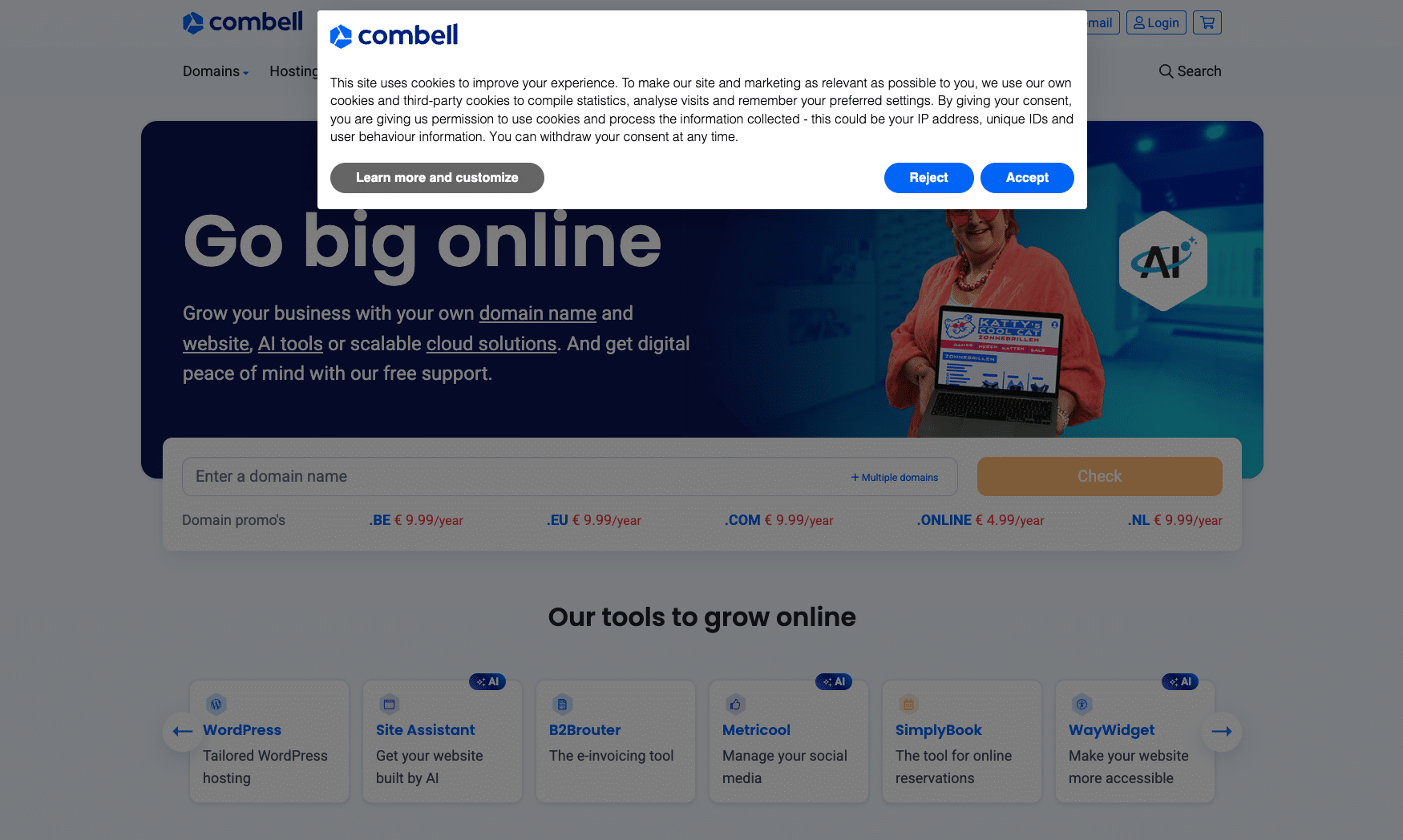
Consent is only valid when it’s freely given. That means accepting and rejecting cookies needs to feel equally straightforward. The most obvious form of friction is visual: a bold “Accept” button paired with a barely visible “Reject” link.

Friction shows up in other ways, too:

  • Too many steps to manage preferences.
  • A preference center that buries options behind layers of clicks.
  • Category names that are vague or confusing.
  • A layout that guides users toward one outcome while making the other feel deliberately difficult.

The CNIL has issued formal compliance notices to websites where rejecting cookies was harder than accepting. noyb found that 81% of the 500+ banners it examined had no visible reject option on the first layer.

Beyond the legal risk, a frustrating experience damages trust.

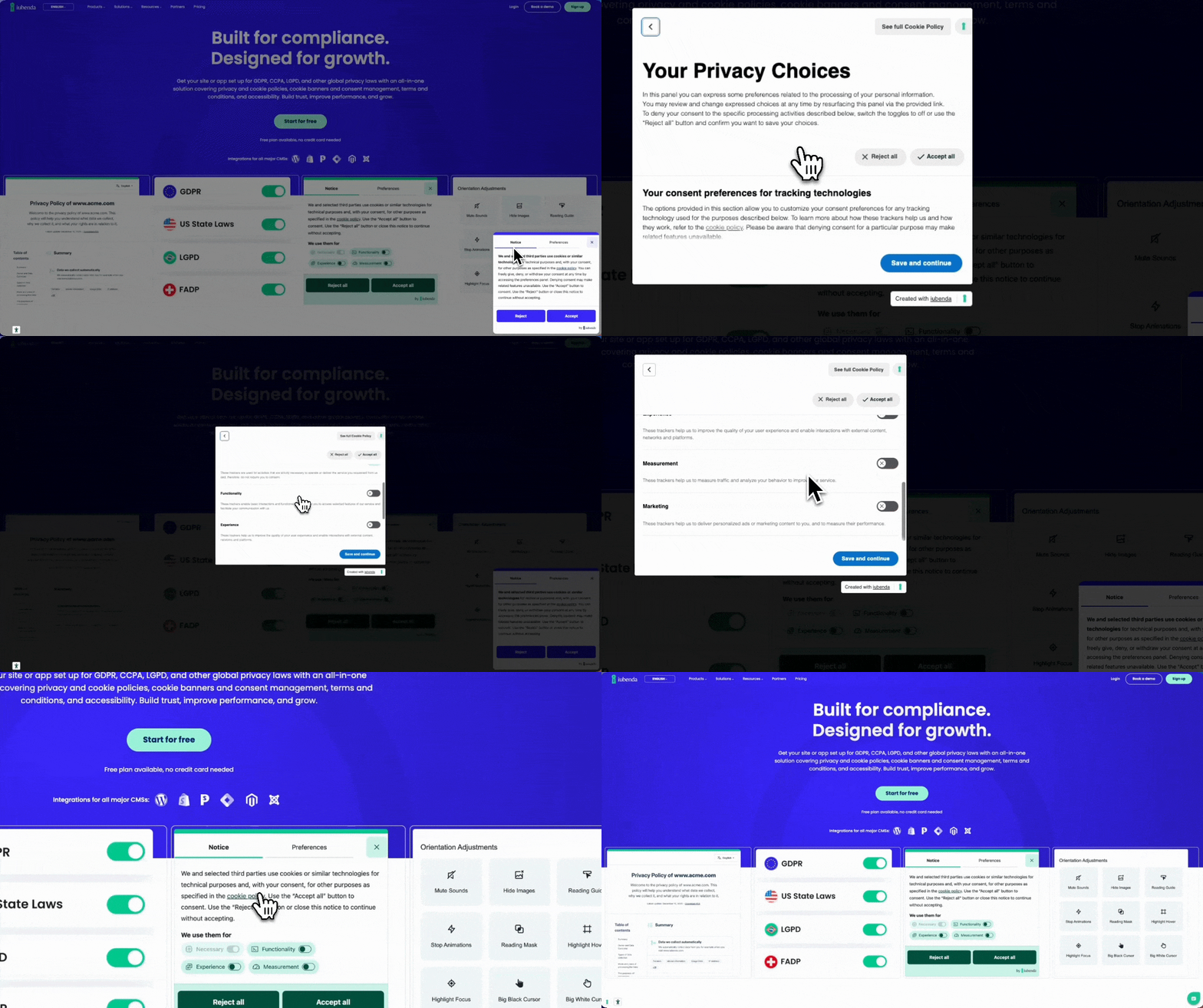
Fix it: Give “Accept” and “Reject” equal visual weight on the first layer. Keep your preference center simple and easy to navigate for anyone who wants to customize. If a user can manage their choices quickly and confidently, you’ve done it right.
3. You’re not explaining why

“We use cookies. Accept or decline.” gives visitors no reason to say yes.

People are more likely to consent when they understand what their data is used for and feel it’s a fair exchange. A single plain-language sentence changes the dynamic entirely. “We use analytics to understand how visitors use this site” is clearer and more trustworthy than a generic legal blurb.

Fix it: Add one short sentence to your banner explaining what consenting to analytics or marketing cookies actually means for the user. Don’t use legal jargon.
4. You’re not using your CMP’s built-in features

Most CMPs come with tools designed specifically to improve consent rates. Two worth using right away:

  • Rejection recovery re-engages users who declined. Instead of losing them entirely, it displays a notice where blocked content would appear and invites them to revisit their preferences. It’s not manipulative: it shows users what they’re missing and gives them a genuine second chance to choose.
  • A/B testing lets you compare banner designs, button labels, and copy to see what earns more genuine opt-ins. Small changes can make a meaningful difference over time.

Fix it: Open your CMP dashboard and explore what’s available. iubenda’s Privacy Controls & Cookie Solution includes rejection recovery. iubenda by consentmanager has a great A/B testing feature.

A generic banner can undermine trust before a user reads a single word. If it doesn’t match your brand, it feels like a third-party interruption rather than a natural part of the experience. That affects whether people engage with it at all.

Design and placement both play a role here. On the design side, use your brand colors, fonts, and visual style, and add your logo if your CMP supports it. A banner that looks like it belongs builds confidence and signals care. For placement, bottom-right performs particularly well on desktop: it sits within the natural reading flow without blocking content.

Fix it: Customize your banner to match your brand. Test different positions, starting with bottom-right on desktop. Track changes in your consent rate through your CMP analytics and adjust from there.

A note on doing this right

Higher cookie banner opt-in rates only count if they reflect genuine consent. Under the General Data Protection Regulation (GDPR), nudging users into clicking “Accept” through deceptive design (also called dark patterns) doesn’t create valid consent and exposes you to legal risk.

These fixes aren’t tricks. They’re improvements to speed, transparency, clarity, and user experience. When your banner works well, users understand what they’re agreeing to. The ones who say yes mean it. That’s better data, more effective marketing, and valid consent.