





Email marketing is a great way to keep in touch with your customers and clients, but what do you do when your subscribers stop engaging with your emails? 👉 This is where a re engagement email comes in.
In this article, we’ll discuss the anatomy of a successful re engagement email and provide you with examples and resources to help you create your own.
- What is a re engagement email?
- How to Write a Re Engagement Email
- Re engagement Email Examples
- Steps of a re engagement campaign
- How many emails in a reengagement campaign?
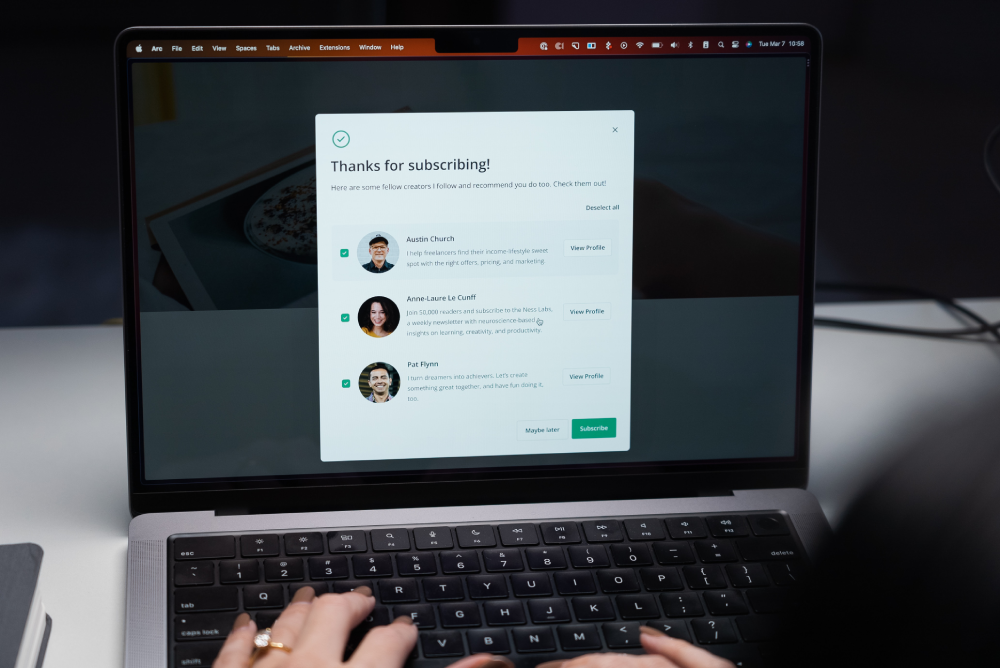
📌 What is a re engagement email?
A re engagement email is a message sent to subscribers who have stopped engaging with your emails. The purpose of this email is to encourage subscribers to start interacting with your brand again. Re-engagement emails are a great way to reconnect with subscribers, build brand loyalty, and increase engagement.
📌 How to Write a Re Engagement Email
- Attention-grabbing subject line: The subject line is the first thing your subscribers will see, so it needs to be attention-grabbing. Use a subject line that will make your subscribers want to open the email and find out more.
- Personalization: Personalization is key to a successful re engagement email. Use the subscriber’s name and any other information you have about them to create a personalized message.
- Clear call-to-action: The call-to-action is the action you want your subscribers to take. Make sure it’s clear and concise. Use action-oriented language and provide a sense of urgency to encourage subscribers to act.
- Incentives: Offering incentives is a great way to entice subscribers to engage with your brand again. Offer a discount, free trial, or other exclusive offer to encourage subscribers to take action.
- Emotional appeal: Use emotional language to appeal to your subscribers’ emotions. Let them know how much you value their loyalty and how much you miss their engagement.
👋
Do you provide a way for your readers to unsubscribe?
Under major privacy laws, including Europe’s GDPR and the US’s CAN SPAN Act, it’s a requirement. Plus, it’s useful for feedback and for avoiding being labeled as spam.
🔍 Check out our guide on how to add an unsubscribe link and comply with the law!
Re engagement Email Examples
When it comes to a re engagement email campaign, there are several types of messages that you can use to encourage subscribers to become active again. These messages can range from a simple reminder of your brand’s value to offering exclusive incentives or personalized recommendations. Let’s see:
- 👉 “We Miss You” email: Use this type of email to let subscribers know that you miss their engagement and encourage them to start interacting with your brand again.
- 👉 “Exclusive Offer” email: Offer subscribers an exclusive discount or other incentive to encourage them to engage with your brand again.
- 👉 “New Products” email: Use this type of email to showcase new products or services and encourage subscribers to come back and explore what’s new.
💡 Consider that a well-crafted re engagement email can be a powerful tool to win back their attention and re-establish a relationship. Check out how these examples illustrate how to encourage subscribers to take action and engage with your brand once again:
Example 1: Sephora
“We Miss You” email from Sephora
Subject line: Come back and get rewarded – it’s worth it!
Dear [Subscriber],
It’s been a while since we’ve seen you around here, and we just wanted to let you know that we miss you! As a loyal subscriber, we wanted to offer you an exclusive deal just for you – a $15 reward on your next purchase of $50 or more.
We’ve been working hard to bring you the latest in beauty trends and products, and we don’t want you to miss out. Come back and see what’s new, and get rewarded for it!
Thank you for your loyalty and support, and we hope to see you soon.
Best, The Sephora Team
This email uses personalization by addressing the subscriber by name, and offers an exclusive reward to entice them to come back and make a purchase. The subject line is attention-grabbing and creates a sense of urgency by highlighting the exclusive reward. And lastly, a clear call-to-action button.
Example 2: Grammarly
“Exclusive Offer” email from Grammarly
Subject line: Your free month of Grammarly Premium is waiting!
Hi [Subscriber],
We noticed that you haven’t been using Grammarly as much lately, and we wanted to remind you of all the great features that you’re missing out on. As a loyal subscriber, we’re offering you a free month of Grammarly Premium – no strings attached.
With Grammarly Premium, you’ll get access to advanced grammar and spelling checks, a plagiarism checker, and more. Plus, you’ll be able to use Grammarly across all your devices, so you can write with confidence wherever you are.
Don’t miss out on this exclusive offer – just click the button below to redeem your free month of Grammarly Premium!
Best, The Grammarly Team
This another example uses personalization by addressing the subscriber by name, and offers an exclusive reward (a free month of Grammarly Premium) to entice them to come back and use the product. The subject line is attention-grabbing and creates a sense of urgency by highlighting the free month offer.
📌 Steps of a re engagement campaign
A re engagement campaign is a series of emails sent to subscribers who have stopped engaging with your emails. This type of campaign is designed to gradually re-engage subscribers and encourage them to start interacting with your brand again.
How many emails in a reengagement campaign?
A typical re-engagement campaign might include:
- Reminder email: This email is a gentle reminder that the subscriber hasn’t engaged with your emails in a while.
- Incentive email: Offer the subscriber an incentive to encourage them to engage with your brand again.
- Exclusive offer email: Offer the subscriber an exclusive discount or other incentive to encourage them to take action.
- Final goodbye email: If the subscriber still hasn’t engaged with your brand after the previous emails, it’s time to say goodbye. Use this email to let the subscriber know that you’re removing them from your email list.
💡 Re-engagement emails are a great way to reconnect with subscribers who have stopped engaging with your brand. But remember that there are some legal requirements to consider when sending marketing emails, so please don’t overlook them.
Let’s see below how you can easily comply with these requirements ⬇️
👋 Is your re engagement campaign compliant with the law?
We get it, compliance can be complicated. But this is a crucial step in implementing your re engagement email strategy. Some privacy laws like the GDPR most likely apply to you. Before sending emails to people, you need to:
- in most cases, obtain prior consent via an affirmative action (no pre-checked boxes): see where and when you can legally send emails without obtaining prior consent in this guide;
- inform the recipient: email addresses are considered personal data. You need to mention what you do with this data, why, if it is shared (and more!), in your privacy policy. Provide a means to unsubscribe;
- under the GDPR, keep valid records of consent: they must include the person’s identity, the time, disclosures, methods of the consent obtained.
🤔 Not sure how to set this up?
Don’t worry, we’ve got you. Use our all-in-one tool to do all of the above in minutes ⬇️
Make your re engagement email campaigns compliant with the law
Create your privacy policy, collect consent and keep records
Read also
- Abandoned Cart Email Templates
- Targeted Email Marketing – Reach the Right People, with the Right Message
- Your Essential Email Marketing Checklist – 3 Steps Only!
About us

The solution to draft, update and maintain your Terms and Conditions. Optimised for eCommerce, marketplace, SaaS, apps & more.