





Ready to start developing your app? It can be an exciting, but complex task! The success of your mobile app project relies on many factors, and a crucial element is selecting the best language for app development. With numerous programming languages available, it can be difficult to determine which one is the perfect fit for you.
👀 In this quick guide, we’ll explore the main programming languages used for developing an app on various platforms, including iOS and Android. Let’s get started!
Short on time? Jump to… ⬇️
- Tips for Choosing the Best Language for App Development
- Choosing the Best Language for Native iOS Apps
- Choosing the Best Language for Native Android Apps
- Cross-Platform Mobile App Programming Languages
Tips for Choosing the Best Language for App Development
Programming languages are fundamental building blocks for developers to create software that runs on various devices.
Each language comes with its own characteristics, and it’s important to choose one that aligns with your app’s requirements, target audience, and desired platform(s).
There are many mobile app development languages out there, so choosing the best really depends on what you need. Here are a few questions you should answer before getting started:
- Determine your app’s primary platform 👉 is your app meant for iOS, Android, or both?
- Consider your existing skill set 👉 do you or does your team already have some expertise in a particular language that you could leverage?
- Analyze performance requirements 👉 some languages are better suited for high-performance apps. What are your requirements in terms of UX and performance?
- Assess the language’s ecosystem 👉 is there a great community with lots of resources such as libraries, frameworks, and development tools to support you during the development process?
💡 Pro tip: before making a final decision, make sure to understand what’s the difference between native and hybrid apps.
Now, let’s dive into the top mobile app development languages for different types of platforms.
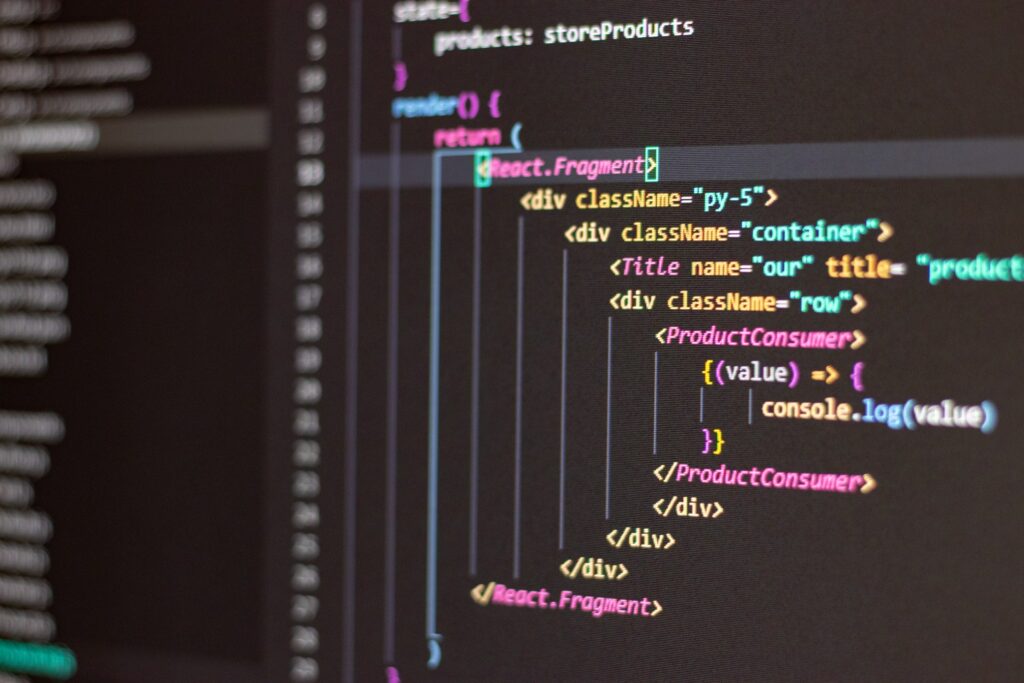
Choosing the Best Language for Native iOS Apps Development
Note: This list is not published in any particular order. Choose a solution that is best suited to your unique situation.
Swift
Given that Swift is Apple’s own open-source programming language for building apps (iOS, Mac, Apple TV, Apple Watch), many find it to be the best language for app development when it comes to iOS.
Introduced in 2014, it has quickly become the go-to iOS language for many developers due to its modern syntax, safe and reliable features, and excellent performance. It can be seamlessly incorporated into existing Objective-C code. Apple says Swift is up to 2.6 times faster than Objective-C and 8.4 times faster than Python 2.7.
Objective-C
Objective-C is the predecessor of Swift and was the primary language for iOS and OS X development for many years. It’s a superset of the C programming language.
Although Swift has taken the lead in popularity since it is easier to use and offers a lot of new features, Objective-C remains relevant, particularly for maintaining and updating legacy iOS apps. It is known for its strong integration with Apple’s frameworks and its extensive developer community.
💡 Ready to create your app for iOS? Here’s our 10 tips for a successful development.
Choosing the Best Language for Native Android Apps Development
Java
Java has long been the standard language for Android app development. With its platform independence, rich libraries, and strong community support, Java continues to be a popular choice for Android developers. Java allows for the development of robust, feature-rich apps that can run on various Android devices. It’s an object-oriented option for mobile development.
Kotlin
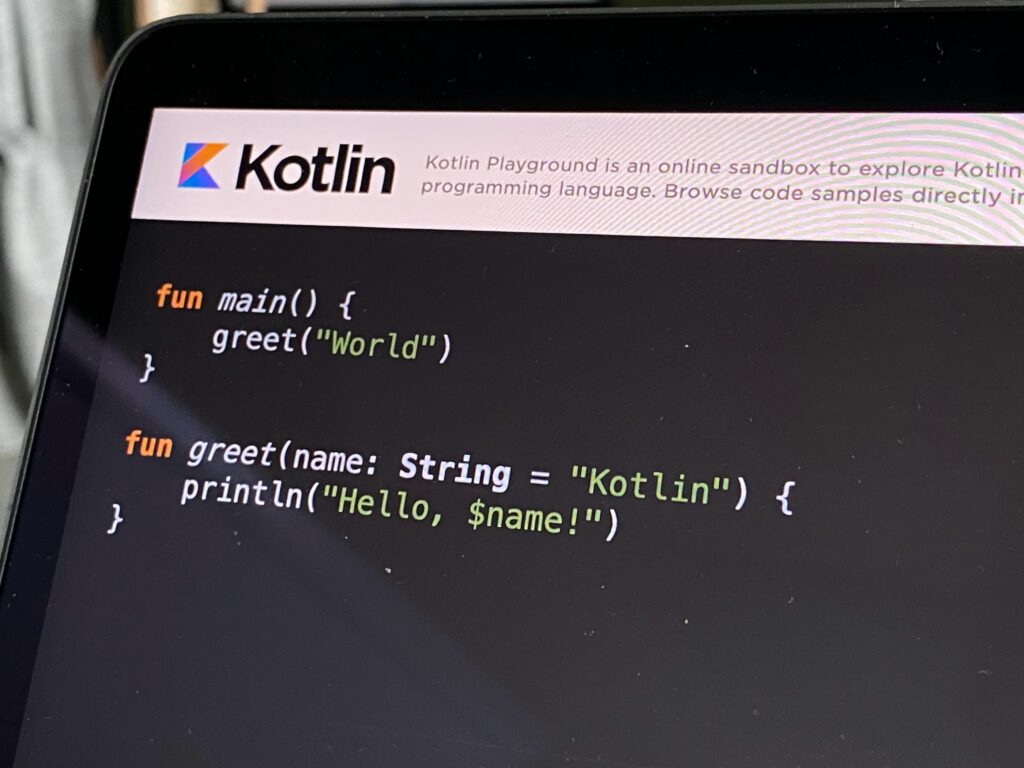
Kotlin is a modern programming language that runs on the Java Virtual Machine (JVM). It was introduced by JetBrains and gained official support from Google as an Android development language in 2017. Kotlin’s clean syntax, null safety, and seamless interoperability with Java make it an increasingly popular choice for Android app development.
Kotlin Multiplatform technology also simplifies the development of cross-platform projects and will work on different operating systems, such as iOS, Android, macOS, Windows, Linux, watchOS, and others.
👋 Want to know the best practices for iOS and Android development?
🔍 Read this
Cross-Platform Mobile App Programming Languages
Talking about cross-platform projects, there are a few languages that don’t particularly target any platform like Swift does with iOS, for instance. Let’s see some of them below.
React Native (JavaScript)
React Native is a popular cross-platform app development framework that uses JavaScript as its core language. Developed by Facebook, React Native allows developers to create native-like apps for both iOS and Android. It provides a seamless development experience, reusable components, and access to native device features.
With React Native, you can create platform-specific versions of components so a single codebase can share code across platforms.
Xamarin (C#)
Xamarin is an open source cross-platform app development framework that utilizes C# as its primary programming language. Developed by Microsoft, Xamarin allows developers to build apps for iOS, Android, and Windows using a single codebase.
Xamarin offers the benefits of C#’s strong type system, modern language features, and the vast .NET ecosystem, making it a compelling choice for cross-platform app development.
Flutter (Dart)
Flutter is a cross-platform app development framework created by Google that uses Dart as its programming language. Dart is a language optimized for fast apps, with a syntax similar to languages like C++. Flutter allows developers to build, test, and deploy mobile, web, desktop, and embedded apps from a single codebase.
Is C++ enough for app development?
C++ can technically be used for iOS and Android mobile application development. However, an application cannot be created only using C++. It can be more difficult to install and less flexible. Because it is a complex language, it can also increase bugs and lead to more errors. For this reason, C++ is not as much of a good fit as the languages mentioned in the article.
We hope this list was useful!