



惯性聚合 高效追踪和阅读你感兴趣的博客、新闻、科技资讯
阅读原文 在惯性聚合中打开

推荐订阅源

腾讯CDC
Microsoft Azure Blog
L
LangChain Blog
Y
Y Combinator Blog
Microsoft Security Blog
宝玉的分享
宝玉的分享
B
Blog RSS Feed
MongoDB | Blog
MongoDB | Blog
Jina AI
Jina AI
D
Docker
B
Blog
Engineering at Meta
Engineering at Meta
Last Week in AI
Last Week in AI
OSCHINA 社区最新新闻
OSCHINA 社区最新新闻
I
InfoQ
G
Google Developers Blog
博客园 - Franky
freeCodeCamp Programming Tutorials: Python, JavaScript, Git & More
让小产品的独立变现更简单 - ezindie.com
The GitHub Blog
The GitHub Blog
T
The Blog of Author Tim Ferriss
大猫的无限游戏
大猫的无限游戏
阮一峰的网络日志
阮一峰的网络日志
U
Unit 42

Runpod Blog.

New Runpod datacenter now live: AP-IN-1 Track GPU spend across your team with Cost Centers The GPU supply supercycle is here. Here’s what AI builders need to know. Community Spotlight: One-click AI image and video generation on Runpod with SwarmUI | Runpod Blog Community Spotlight: LoRA Pilot Data Prep to Inference Introducing the Runpod Assistant: Manage Your Cloud GPU Resources with Natural Language OpenAI's Parameter Golf: Train the Best Language Model That Fits in 16MB on Runpod LLM inference optimization: techniques that actually reduce latency and cost Pruna P-Video and Vidu Q3 public endpoints now available on Runpod Runpod brand spelling guide Quickstart - Runpod Documentation The AI market looks nothing like the narrative Training StyleGAN3 with Vision-Aided GAN on Runpod KoboldAI – The Other Roleplay Front End, And Why You May Want to Use It How to Connect Cursor to LLM Pods on Runpod for Seamless AI Dev Community Spotlight: How AnonAI Scaled Its Private Chatbot Platform with Runpod Prompt Scheduling with Disco Diffusion on Runpod Runpod's Latest Innovation: Dockerless CLI for Streamlined AI Development Run Your Own AI from Your iPhone Using Runpod Introducing Flash: Run GPU workloads on Runpod Serverless: No Docker required Use Claude Code with your own model on Runpod: No Anthropic account required Avoid Errors by Selecting the Proper Resources for Your Pod What hackers built on Runpod at TreeHacks 2026 Easily Back Up and Restore Your Pod with Cloud Sync + Backblaze B2 The Complete Guide to GPU Requirements for LLM Fine-Tuning AI Guides, Tutorials & GPU Infrastructure Insights | Runpod Your first Claude Code project within Runpod: a complete setup guide 10 billion Serverless requests and counting Building for resilience: Runpod’s response to the AWS us-east-1 outage How to Connect Google Colab to Runpod
InvokeAI Stable Diffusion on Runpod: Easy GPU Setup
Zhen Lu · 2022-12-07 · via Runpod Blog.

InvokeAI is a web-based creative engine for Stable Diffusion models used to generate, refine, and build visual AI workflows. This guide shows how to launch InvokeAI on Runpod when you want GPU-backed image generation without setting up CUDA and model dependencies locally.

Ever wanted to try invoke ai's awesome stable diffusion infinite canvas out, but didn't want to go through the hassle of installing a bunch of stuff? Maybe you just don't have a local GPU that can run it fast enough? No worries, we've got you covered with our easy deploy template for invoke ai!

If you don't have a powerful Nvidia GPU at home or you just don't want to go through the hassle of installing a bunch of drivers and managing dependencies, here's a really easy way to get started with invoke ai!

Just make sure to go to https://www.runpod.io/ and sign up for an account. Load up as little as $10 to get started.

I would recommend picking a 3090 GPU for this.

You can configure other settings to your liking, like requesting more disk space, or you can leave everything else default!

Deploy your instance through the UI, or you can click here to automatically load the template.
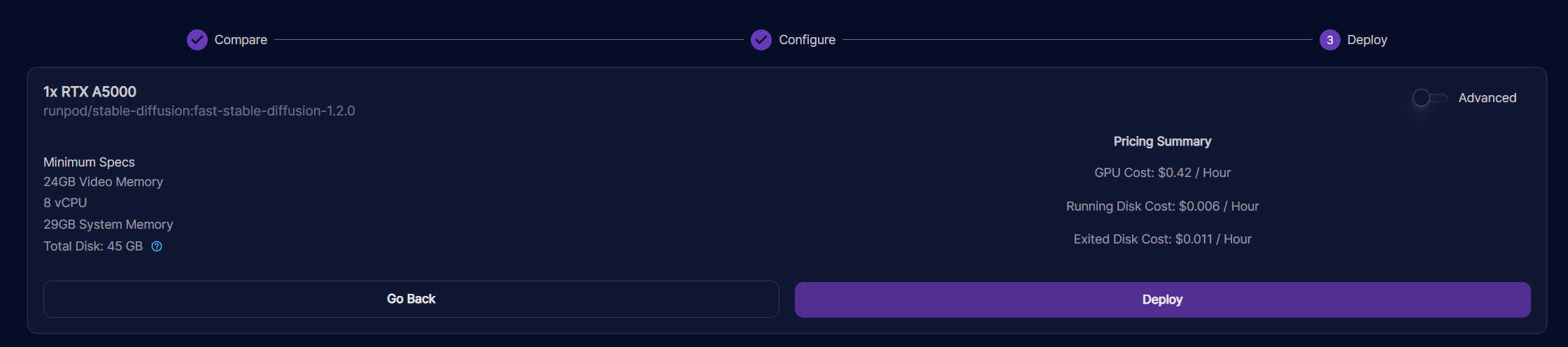
Runpod deploy step for 1x RTX A5000 with the fast Stable Diffusion image and a pricing summary

Go to your "My Pods" dashboard.

The new Invoke AI template does take a bit longer to set up, so this could take a few minutes or more depending on your pod's internet connection and CPU speed; please be patient! The older one started faster, but was harder to keep up to date with the latest features.
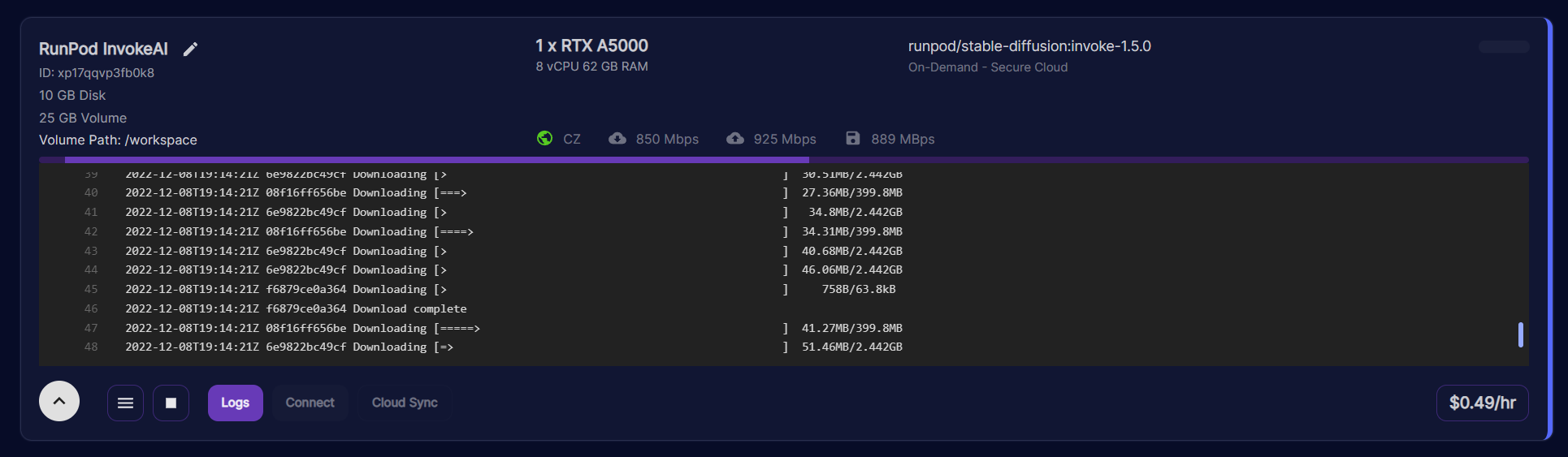
docker pull in InvokeAI Stable Diffusion on Runpod: Easy GPU Setup

You will know when your pod is ready when the CPU Utilization drops to 0%. This may take a minute or two.

After a few minutes, you can click Connect and then connect to jupyter lab:
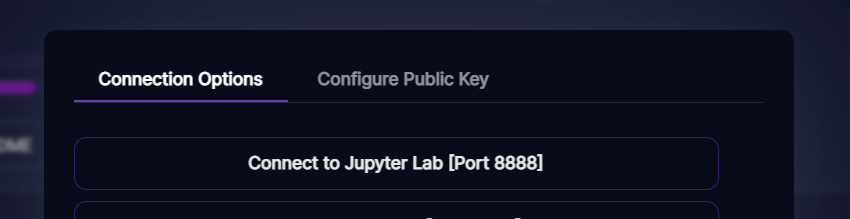
Runpod connection options dialog with a Connect to Jupyter Lab on port 8888 button

Once you're in jupyter, start a terminal tab:
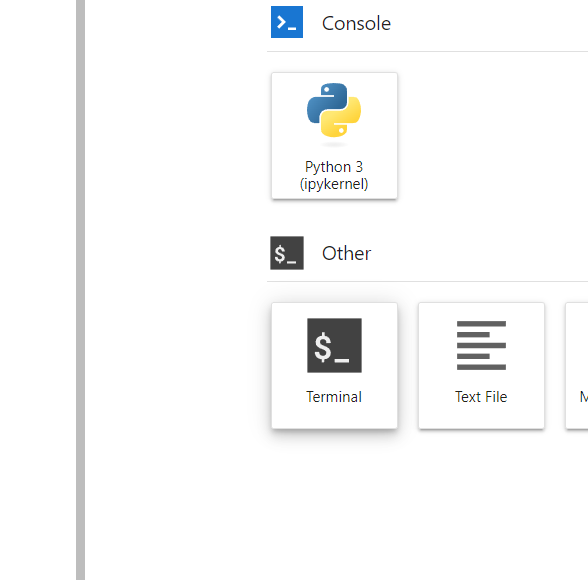
terminal JupyterLab in InvokeAI Stable Diffusion on Runpod: Easy GPU Setup

Then type invokeai-configure in your terminal window:
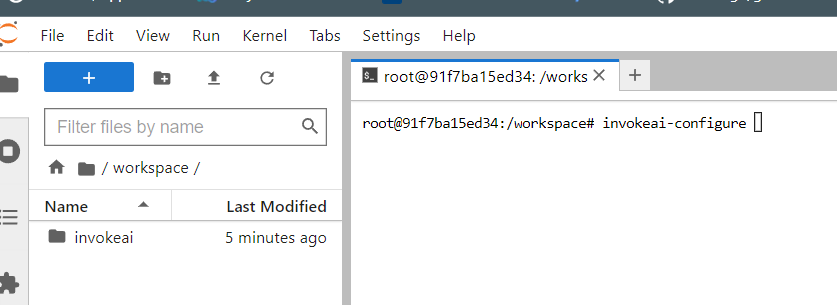
invoke launch in InvokeAI Stable Diffusion on Runpod: Easy GPU Setup

You should be presented with a menu of configuration options. Go through the menu options and make your choices to customize your invokeai experience.
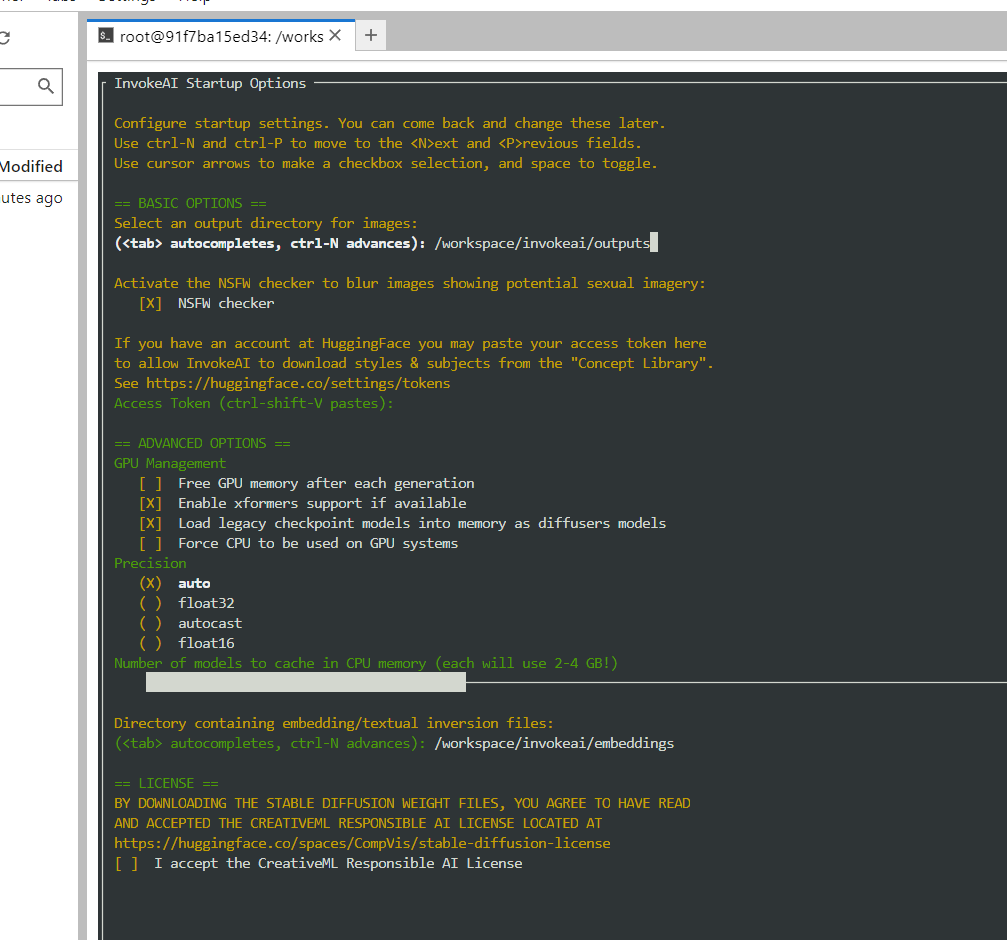
invoke configure in InvokeAI Stable Diffusion on Runpod: Easy GPU Setup

Once this is complete, you should be able to launch the invoke UI by typing invokeai --web --host 0.0.0.0

in a terminal window.
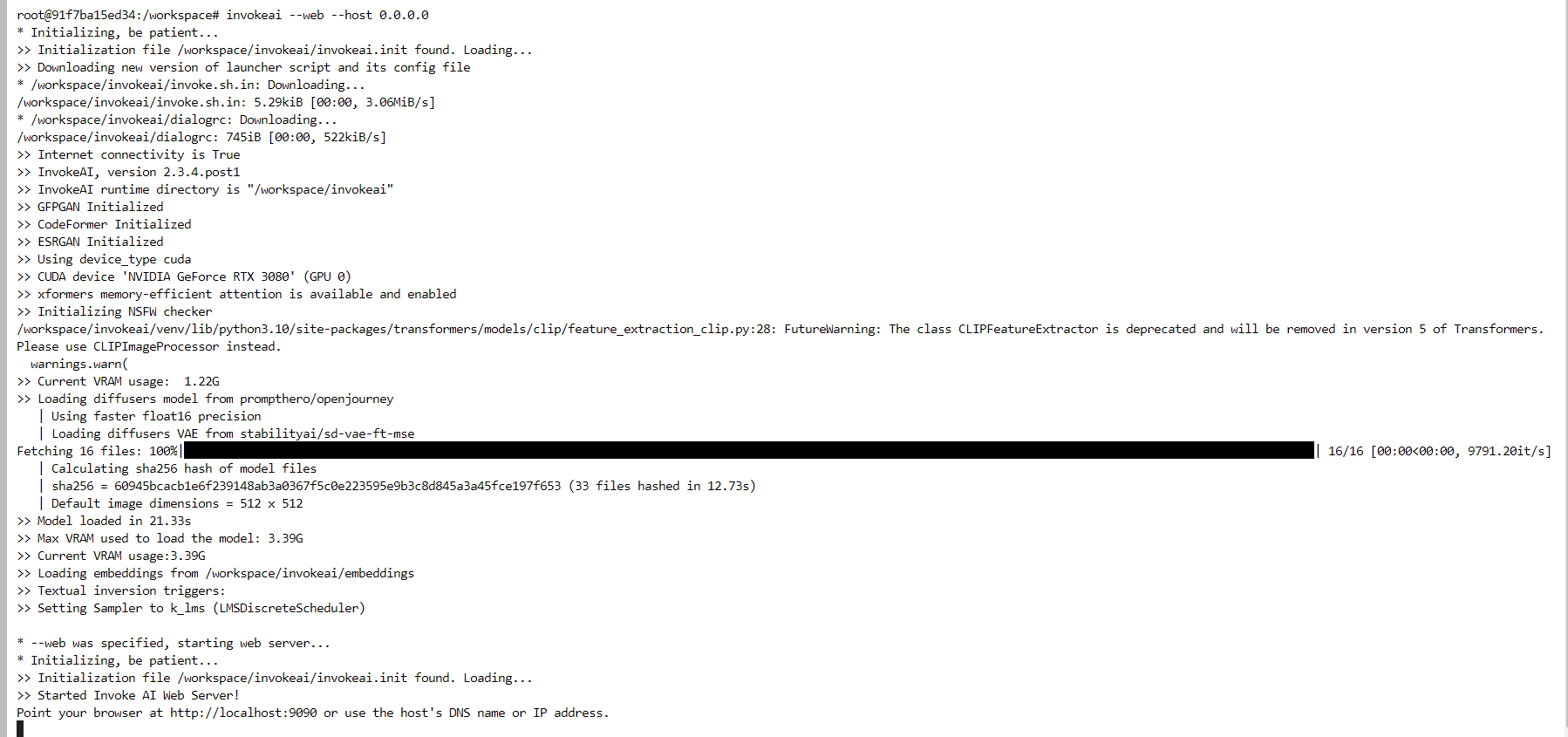
invoke finished in InvokeAI Stable Diffusion on Runpod: Easy GPU Setup

Go back to your pod dashboard, where you can now connect via port 9090

invoke connect in InvokeAI Stable Diffusion on Runpod: Easy GPU Setup

You should then be directed to the invoke ai starting page
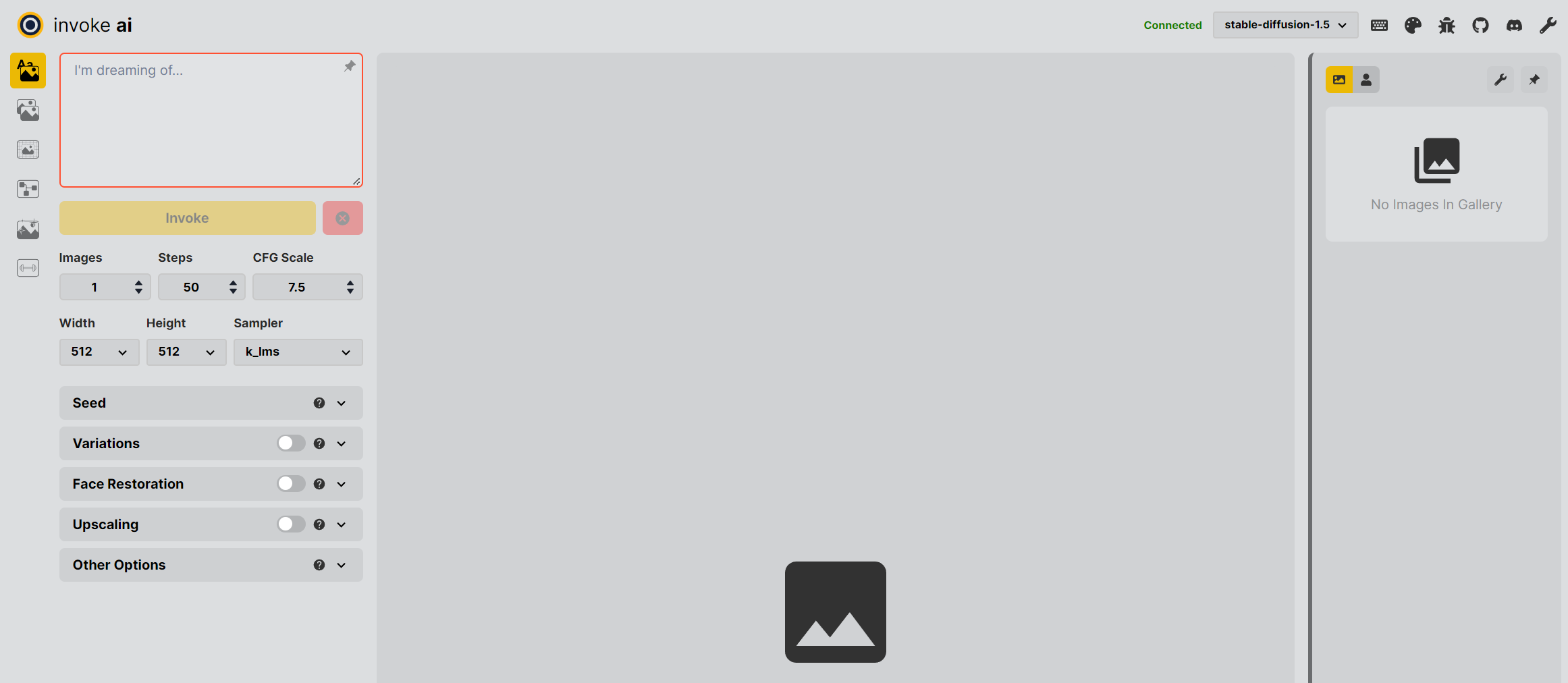
invoke ai started in InvokeAI Stable Diffusion on Runpod: Easy GPU Setup

Here are some cool videos made by the Invoke team showcasing their UI!

If you have any questions, or would just like to join the Runpod community, please visit us in Discord.

Author profile: Zhen Lu