



惯性聚合 高效追踪和阅读你感兴趣的博客、新闻、科技资讯
阅读原文 在惯性聚合中打开

推荐订阅源

大猫的无限游戏
大猫的无限游戏
博客园 - 叶小钗
H
Help Net Security
P
Privacy & Cybersecurity Law Blog
Exploit-DB.com RSS Feed
Application and Cybersecurity Blog
Help Net Security
Help Net Security
Hugging Face - Blog
Hugging Face - Blog
D
Docker
Security Archives - TechRepublic
K
KPMG report finds enterprise disconnect between AI and its ROI | CIO
V2EX - 技术
V2EX - 技术
人人都是产品经理
人人都是产品经理
L
LINUX DO - 最新话题
CTFtime.org: upcoming CTF events
Google Online Security Blog
博客园 - 聂微东
WordPress大学
WordPress大学
freeCodeCamp Programming Tutorials: Python, JavaScript, Git & More
Latest news
Latest news
OSCHINA 社区最新新闻
OSCHINA 社区最新新闻
B
Blog RSS Feed
cs.CV updates on arXiv.org
D
Darknet – Hacking Tools, Hacker News & Cyber Security
Blog — PlanetScale
Blog — PlanetScale
C
Cisco Blogs
cs.CL updates on arXiv.org
Know Your Adversary
Know Your Adversary
奇客Solidot–传递最新科技情报
奇客Solidot–传递最新科技情报
爱范儿
爱范儿
Webroot Blog
Webroot Blog
宝玉的分享
宝玉的分享
Google DeepMind News
D
DataBreaches.Net
Recent Commits to openclaw:main
The Register - Security
Simon Willison's Weblog
A
Arctic Wolf
Scott Helme
Scott Helme
The Last Watchdog
The Last Watchdog
Y
Y Combinator Blog
Last Week in AI
Last Week in AI
S
Securelist
Cloudbric
Cloudbric
G
GRAHAM CLULEY
M
MIT News - Artificial intelligence
Threat Intelligence Blog | Flashpoint
V
Visual Studio Blog
S
Schneier on Security
Engineering at Meta
Engineering at Meta

Learn Cloud Native

Agentgateway rate limiting for agents | Learn Cloud Native Local development with coding agents on Kubernetes using Signadot | Learn Cloud Native cuenv: one typed file for your whole project | Learn Cloud Native Preflight: AI Code Review Before You Push Anatomy of AI Agents Accessing Google Drive from Next.js Deploying to Fly.io using Dagger and Github Top Cloud-Native & Kubernetes Certifications [2026 Guide] Rapid microservices development with Signadot How to prepare for Istio certified associate exam (ICA) Global Rate Limiting in Istio with Envoy Rate Limit Service My Journey with Istio: From Incubation to Graduation Cilium Network Policy Tutorial: Secure Kubernetes Step by Step Kubernetes Networking: How kube-proxy and iptables Work Istio ServiceEntry: DNS vs. STATIC Resolution & Endpoints Explained Apply an Istio DestinationRule Globally (Mesh-Wide) Istio Rate Limiting: Configure a Local Rate Limiter in Envoy How to expose custom ports on Istio ingress gateway Portainer Tutorial: A Web UI for Kubernetes & Containers Traefik Proxy 2.x and TLS 101 Kubernetes CLI (kubectl) tips you didn't know about Setting up SSL certificates with Istio Gateway ArgoCD Best Practices You Should Know 在 OCI Ampere A1 计算实例上运行 AI Running AI On OCI Ampere A1 Instance How to Deploy Traefik Proxy Using Flux and GitOps Principles Firebase Emulators with Next.js: Local Setup Guide Running Hugo on free Ampere VM (Oracle Cloud Infrastructure) How to use kwatch to detect crashes in Kubernetes clusters Continuous profiling in Kubernetes using Pyroscope Monitoring containers with cAdvisor Creating a Kubernetes cluster in Google Cloud (LAB) Your first Kubernetes Pod and ReplicaSet (LABS) Container Lifecycle Hooks Maybe Convert Wasm Extension Config? GetIstio - CLI, training, and community Attach multiple VirtualServices to Istio Gateway Kubernetes Volumes Explained: Keep Data Beyond the Pod Send a Slack message when Docker images are updated Kubernetes Network Policy Ambassador Container Pattern Start Kubernetes Release Sidecar Container Pattern Kubernetes Init Containers Deploying multiple Istio Ingress Gateways Branch by Abstraction Pattern The Strangler Pattern Kubernetes Development Environment with Skaffold Securing Kubernetes Ingress with Ambassador and Let's Encrypt All About the Ingress Resource How to quarantine Kubernetes pods? Getting started with Kubernetes Horizontal partitioning in MongoDB Docker image tagging scheme Six things to keep in mind when working with Dockerfiles Beginners guide to Docker Beginners guide to gateways and proxies Deploy and Operate Multiple Istio Meshes in one Kubernetes Cluster Managing service meshes with Meshery Circuit Breaking in Istio Explained Build and push your Docker images using Github Actions Kubernetes and Istio service mesh workshop materials Build Netlify-like deployment for React app using Kubernetes pods Six exciting enhancements in Istio 1.4.0 Fallacies of Distributed Systems Master the Kubernetes CLI (kubectl) - Cheatsheet Minikube Basics and How to Get Started with Kubernetes 5 Tips to Be More Productive with Kubernetes What are sticky sessions and how to configure them with Istio? Debugging Kubernetes applications using Istio Kubernetes Ingress and Istio Gateway Resource Zero Downtime Releases using Kubernetes and Istio Traffic Mirroring with Istio Service Mesh Expose a Kubernetes service on your own custom domain
CAP Theorem Explained
Peter Jausovec · 2019-11-23 · via Learn Cloud Native

CAP theorem or Brewers theorem (named after computer scientist Eric Brewer) often gets mentioned in combination with distributed systems.

The theorem states that it is impossible for a distributed system to have more than two of the following three properties:

  • Consistency
  • High Availability
  • Partition tolerance

Note

Distributed system is a collection of computers that are connected through a network and appear as a single computer.

What is consistency?

We have a cluster of four computers that are connected to each other and two operations that we can the cluster understands: read and write. The read operation returns a value that is stored, and write updates the stored value in the cluster.

In the current state of the cluster, all computers have a value called Hello stored as shown in the figure below.

Consistency - 1
Consistency - 1

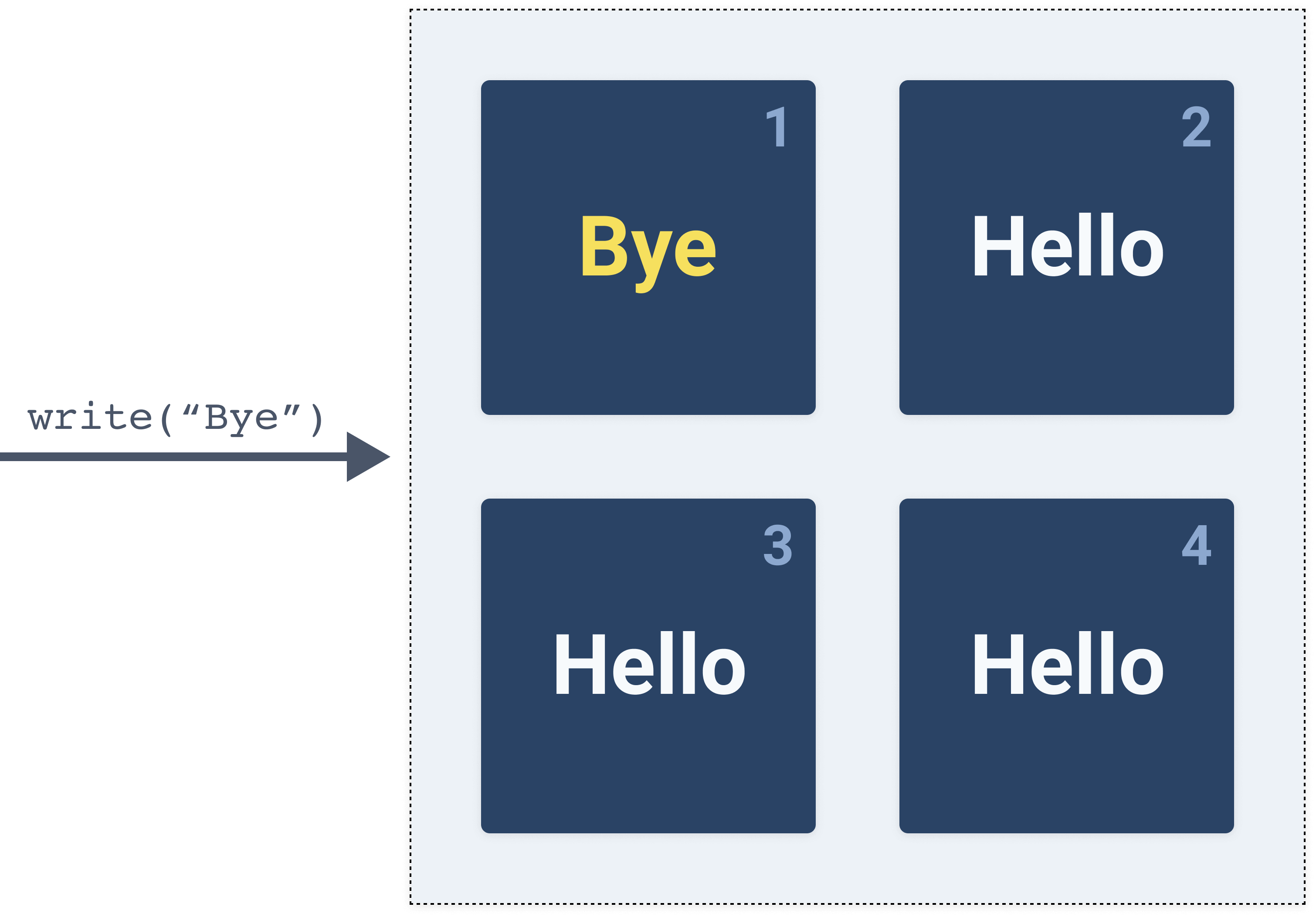
Let's say we want to update the value from Hello to Bye and call the write operation. We make the call to the cluster and the call ends up on computer 1 (top left) and the value gets updated as shown below.
Consistency - 2
Consistency - 2

As soon as that write operation happens, the value should get replicated to other computers in the cluster. However, if we try to read the value before the replication happens and the call ends up on computer 3 for example (bottom left), we will get back value Hello. If that happens, we can say that the system is inconsistent.

Consistency is saying that every computer or node in the system provides the most recent state and that no node in the system will return an outdated state.

What is availability?

Using the same cluster, let's assume two of the nodes went offline and are not reachable by other nodes.

Availability - 1
Availability - 1

To say the system is available it would mean that we can invoke read and write operations and get back a response, even though there are unavailable nodes in the cluster.

What is partition tolerance?

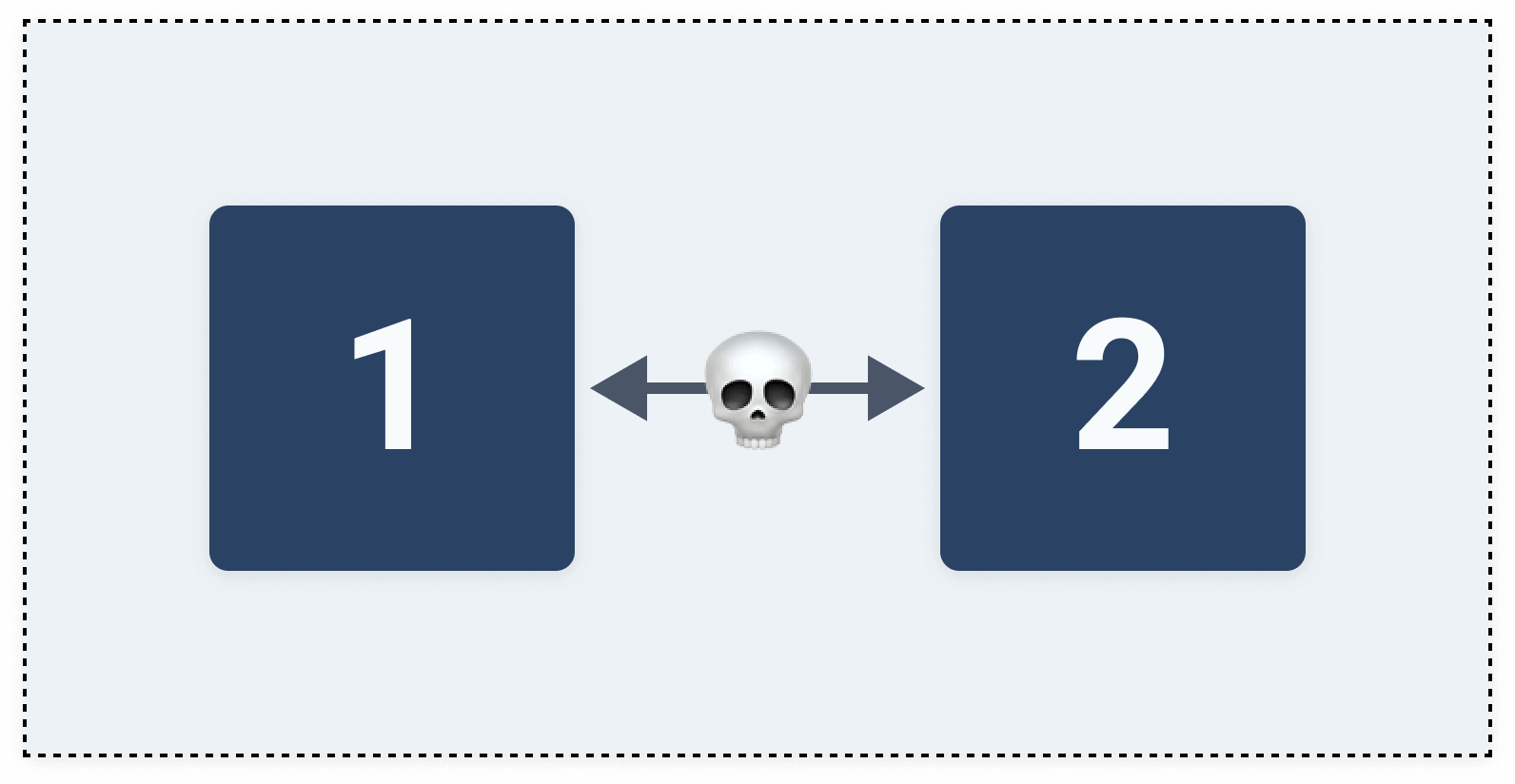
Partition is the inability of two or more nodes in the network to communicate with each other.
Partition - 1
Partition - 1

If node 1 cannot receive messages from node 2, it means that there is a partition between them, and the message send from one node will not reach the other node.

Partition tolerance is saying that even though the connection between nodes is severed (or that there are partitions), the system should still be up and running.

What follows is a couple of different scenarios that prove systems can only have two out of the three properties.

Partition tolerant and available system

If we want the system to be partition tolerant and available, we will be sacrificing consistency.

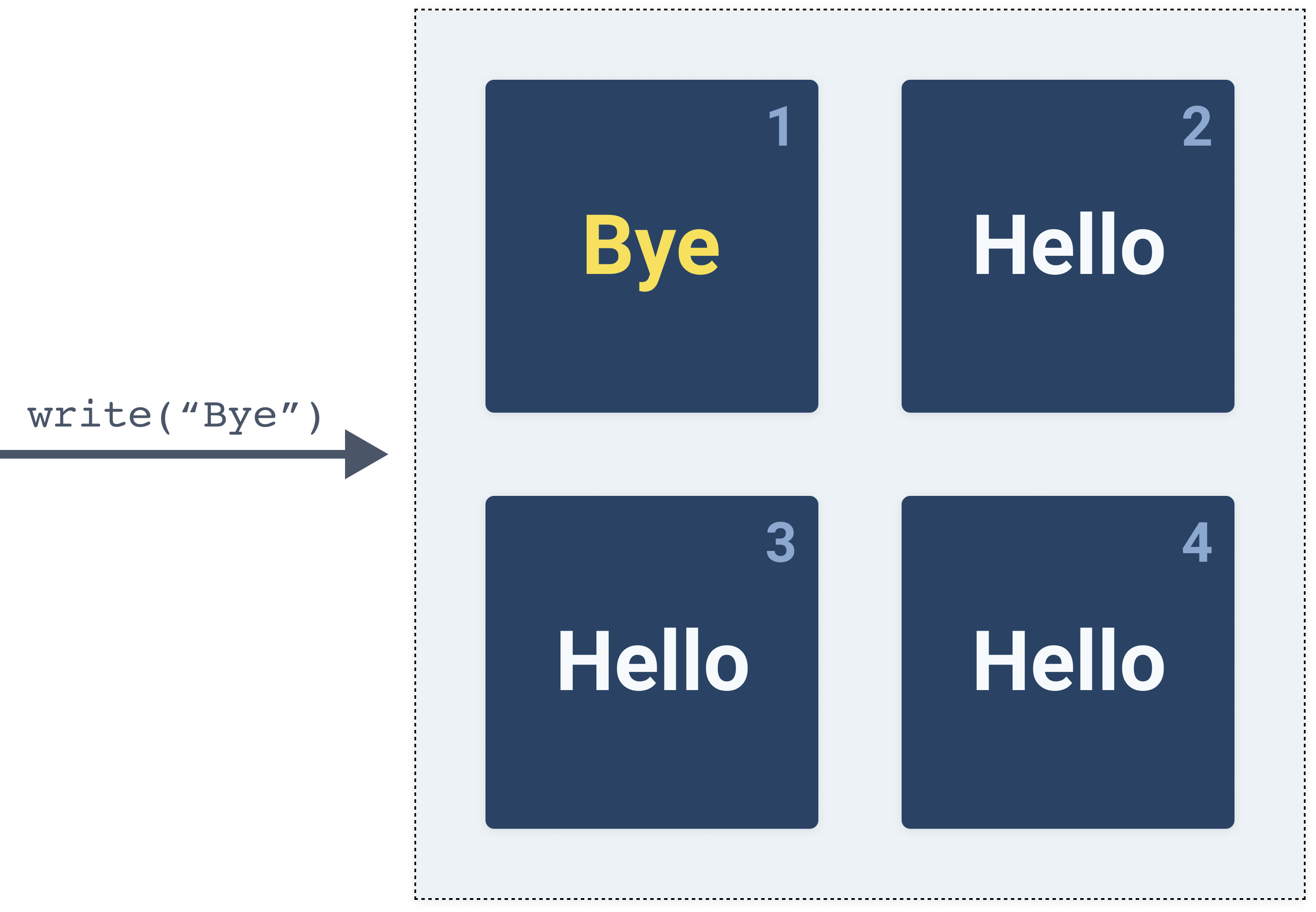
We call the write("Bye") operation and the call end up on node 1.
Partition tolerant and available - 1

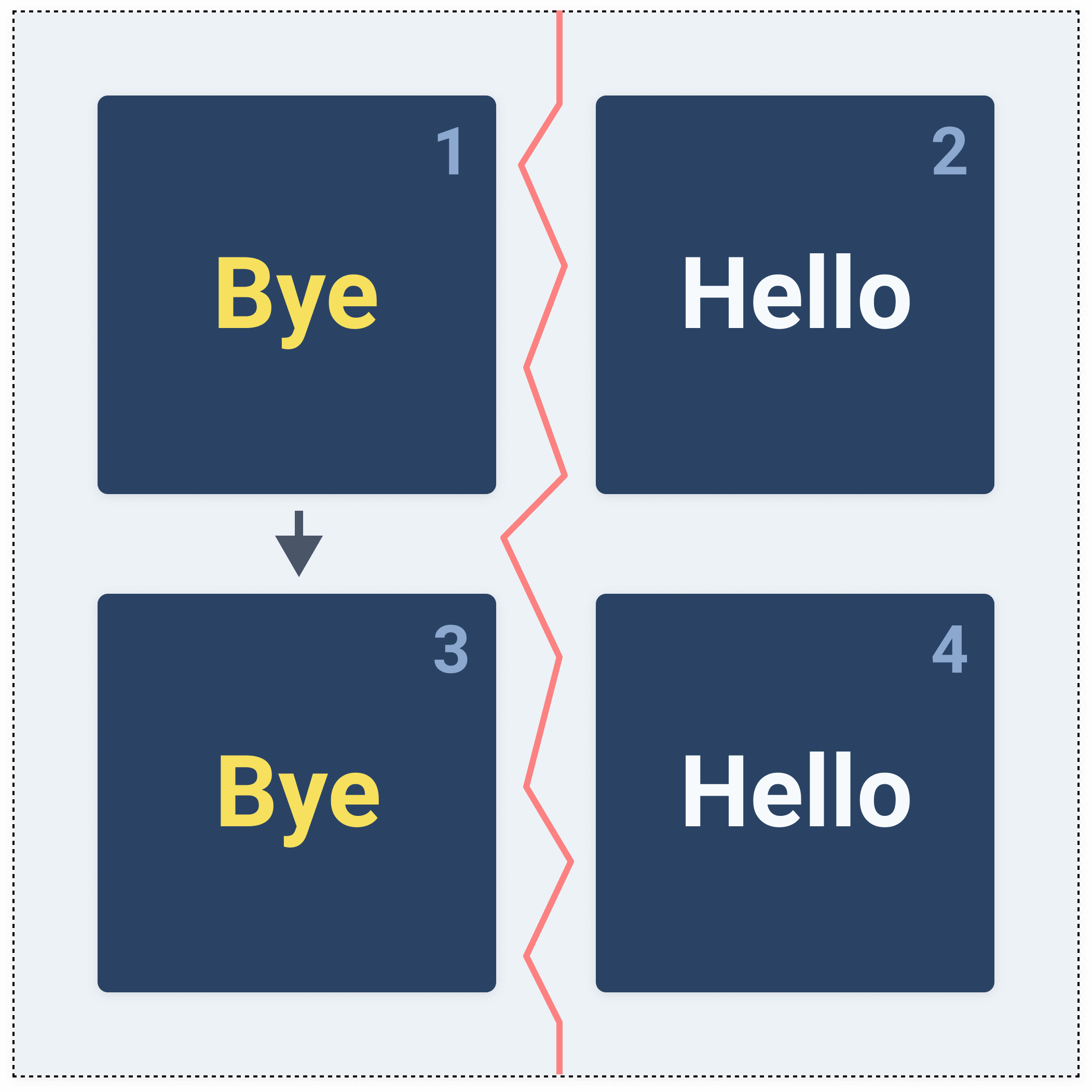
Node 1 tells other available nodes to update their state, however nodes 2 and 4 cannot receive updates (there's a partition). The nodes are not aware of the updated state and keep the old value (Hello).
Partition tolerant and available - 2

Later, if we call the read operation and the call ends up on either node 2 or 4, we get back the value of Hello. However, since this is not the recent state (as per consistency definition) which makes the system inconsistent, but partition tolerant and available.

Partition tolerant and consistent system

The second combination we are looking at is a partition tolerant and consistent system. In this case, we are losing the availability property.

We have the exact same scenario as before. We update node 1 and the value gets replicated to node 3, but not on nodes 2 and 4 as there's a partition.

What is going to happen when read operation is invoked and the call ends up on node 2 for example?
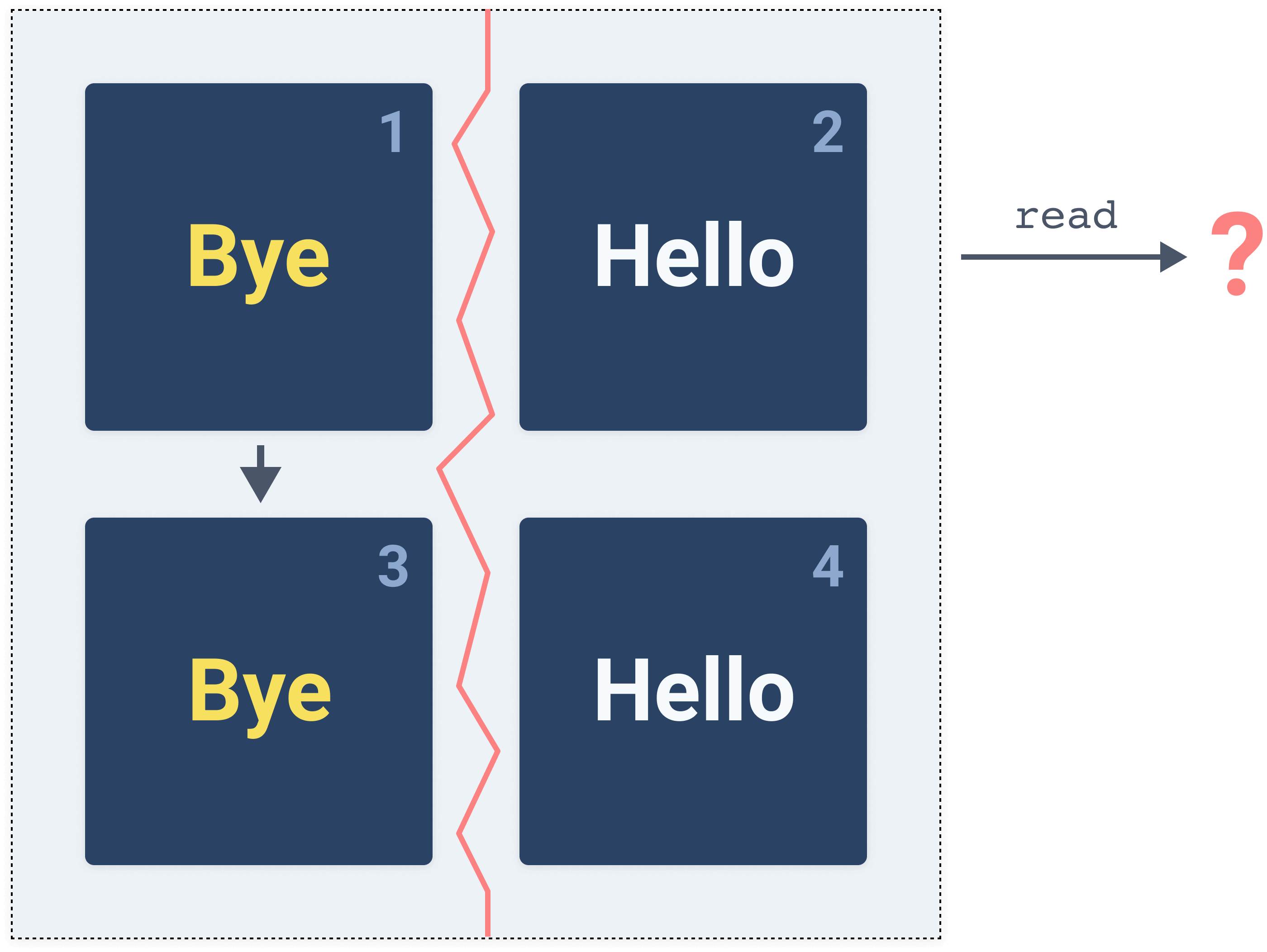
Partition tolerant and consistent - 1

Node 2 cannot return any values, because it's bound to consistency which says that every node provides the most recent state and will never return an outdated state. The way a certain node knows it has an outdated value is to ask other nodes for an updated state. If it doesn't hear back from all nodes, it assumes it's outdated and it won't return a value.

Consistent and available system

In the final scenario we want our system to be consistent and available.
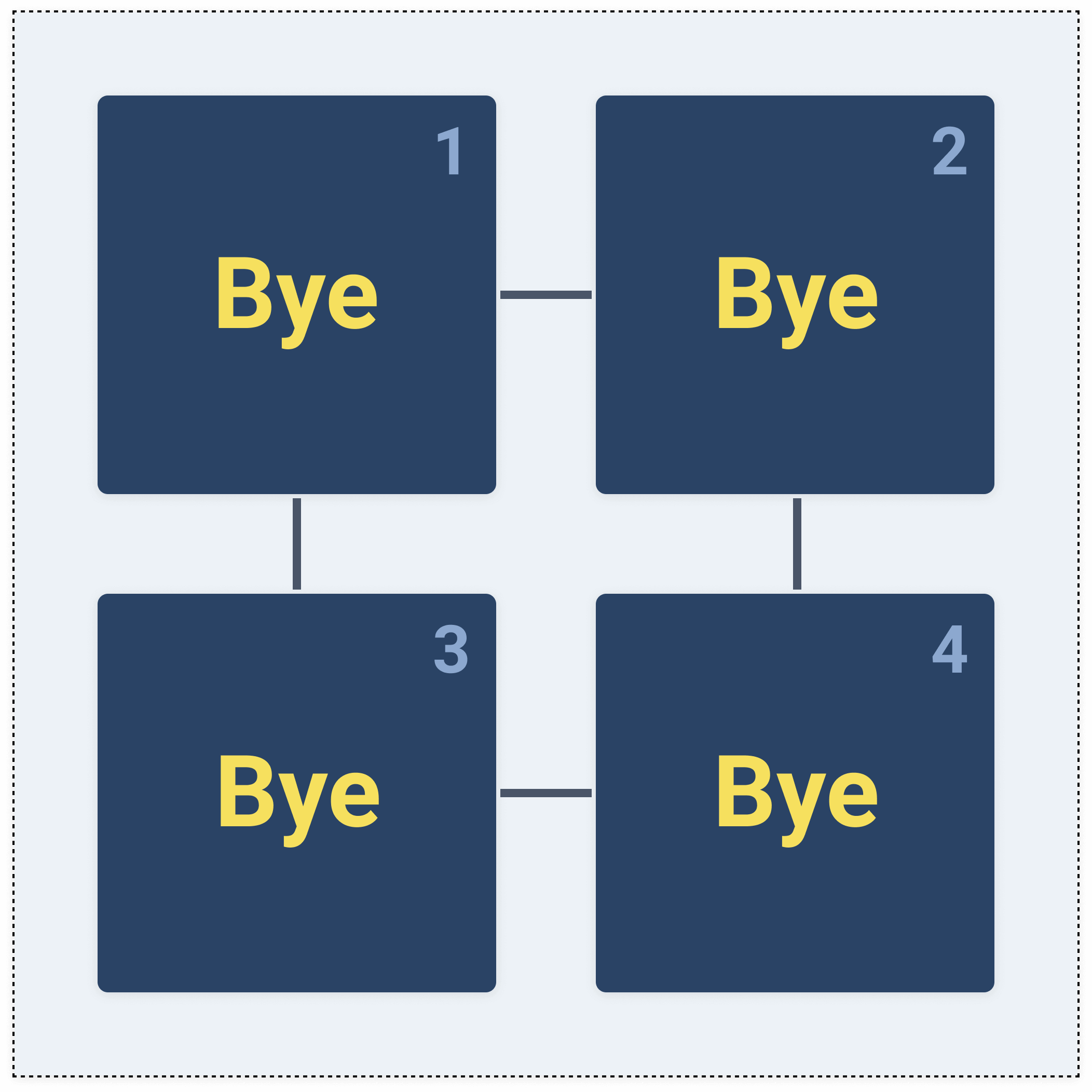
Consistent and available - 1

Same flow as before: we update node 1, the values get replicated to all nodes in the cluster. Later, we try to read from node 2 and we get the latest value.

Everything looks good!

However, as soon as there's a network partition, nothing works anymore and we are forced into one of the previous two situations.
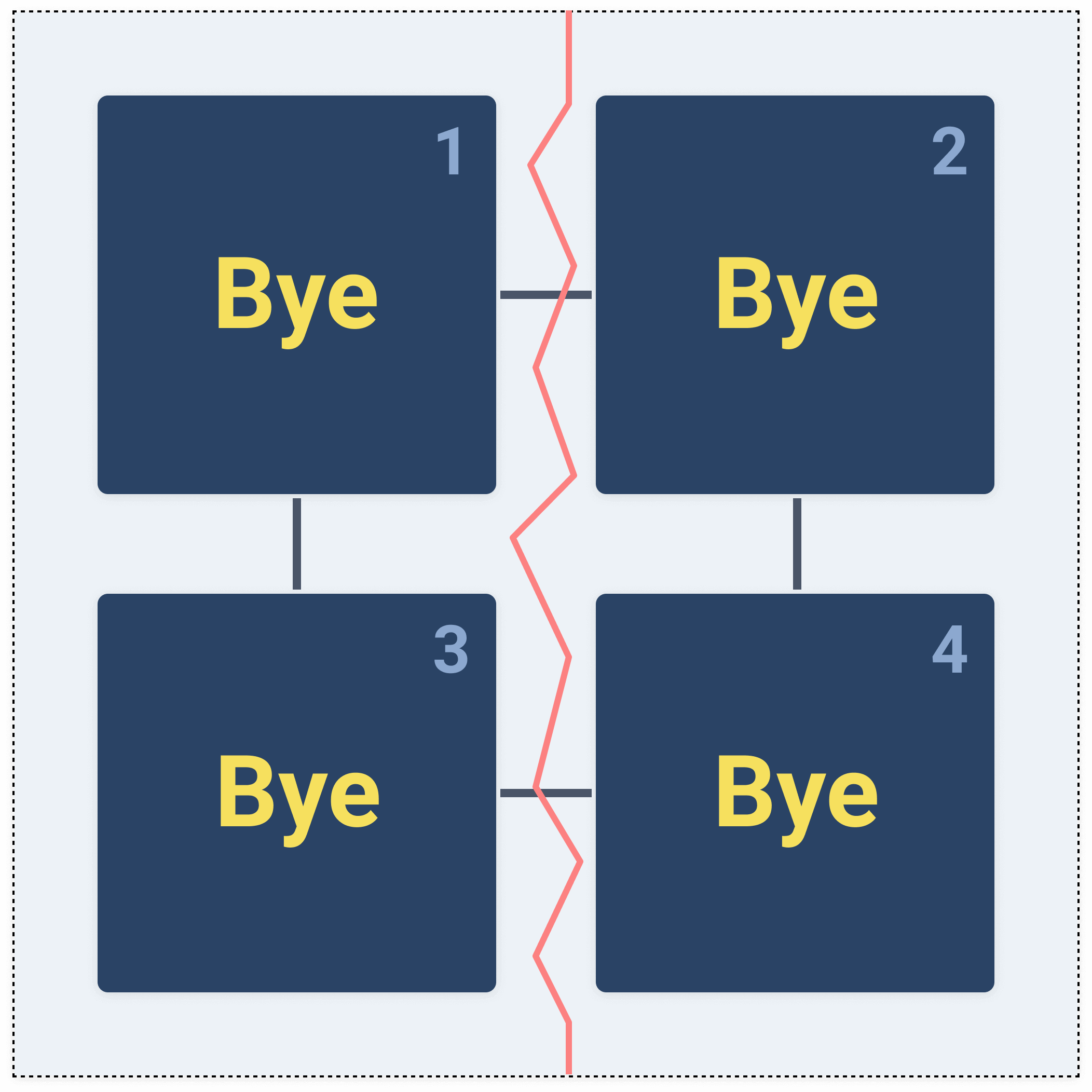
Consistent and available - 2

Conclusion

What this shows is that systems need to compromise. We know networks are not reliable and that there will always be network issues or partitions, even if it's not a completely severed connection, it could simply be network latency.

For that reason, partition tolerance is one of the properties that's already picked for us. This gives us the option of choosing between consistency or availability.

When you pick consistency over availability, your system will return an error or time out if the consistency cannot be guaranteed.

When you pick availability over consistency, the system will always process the request and try to return the most recent available value, even if it cannot guarantee that it is the latest value.

If there are no network partitions, both availability and consistency can be satisfied.

The examples given above are extremes - you don't really have to completely abandon one or another property. You need to figure out what are you going to do and how your system will behave if there are network partitions - you can always retry the call or try to be eventually consistent and return the not-the-most-recent value.