







AI is no longer just a technology wave; it is the operating system of our modern economy. Yet, across industries, academia, and geographies, one pattern is increasingly clear: organizations that invest in AI tools alone will underperform, while those that combine AI adoption with systematic skills development will pull ahead.
Infrastructure alone is a stranded asset. The true engine of innovation is the person behind the screen. As AI evolves into Connected Intelligence, where humans and AI agents work side-by-side, the most significant risk we face is not the technology itself, but the readiness gap.
I have a front-row seat to this transformation as the Vice President of Operations for Cisco’s Digital Impact Office, where I dedicate my career to bridging the gap between cutting-edge technology and the people who will shape our future. My work is driven by a firm belief: technology is only as powerful as the minds behind it, and our true success lies in fostering ecosystems where innovation and human potential converge.
Investing in AI without investing in people is like building a plane with no one trained to fly it.
The skills gap is the new system downtime. In the early phases of digital transformation, competitive advantage came from deploying new platforms: cloud, mobility, and data analytics. AI changes the equation.
But AI alone does not create value. AI combined with human skills does.
Here is a statistic that should keep every technology leader awake: 90% of enterprises have an AI strategy, but fewer than 15% have a workforce trained to execute it. This is not a technology problem; it is a leadership gap, and it becomes more expensive every quarter it goes unaddressed. And there’s more data where that came from:
Building capability today is not about sending people to a training seminar once a year. It is about integrated learning ecosystems that evolve as fast as technology itself. Organizations that adopt this mindset also address one of the most underestimated barriers to AI adoption: resistance to change. Familiarity breeds confidence, and confidence turns a skeptic into an advocate.
The gap that should worry every leader is not the one between humans and machines. It is the one between having an AI strategy on paper and having the people to carry it out.
Cisco Networking Academy has reached 28 million learners across 195 countries, many in regions where a career in technology was previously out of reach.
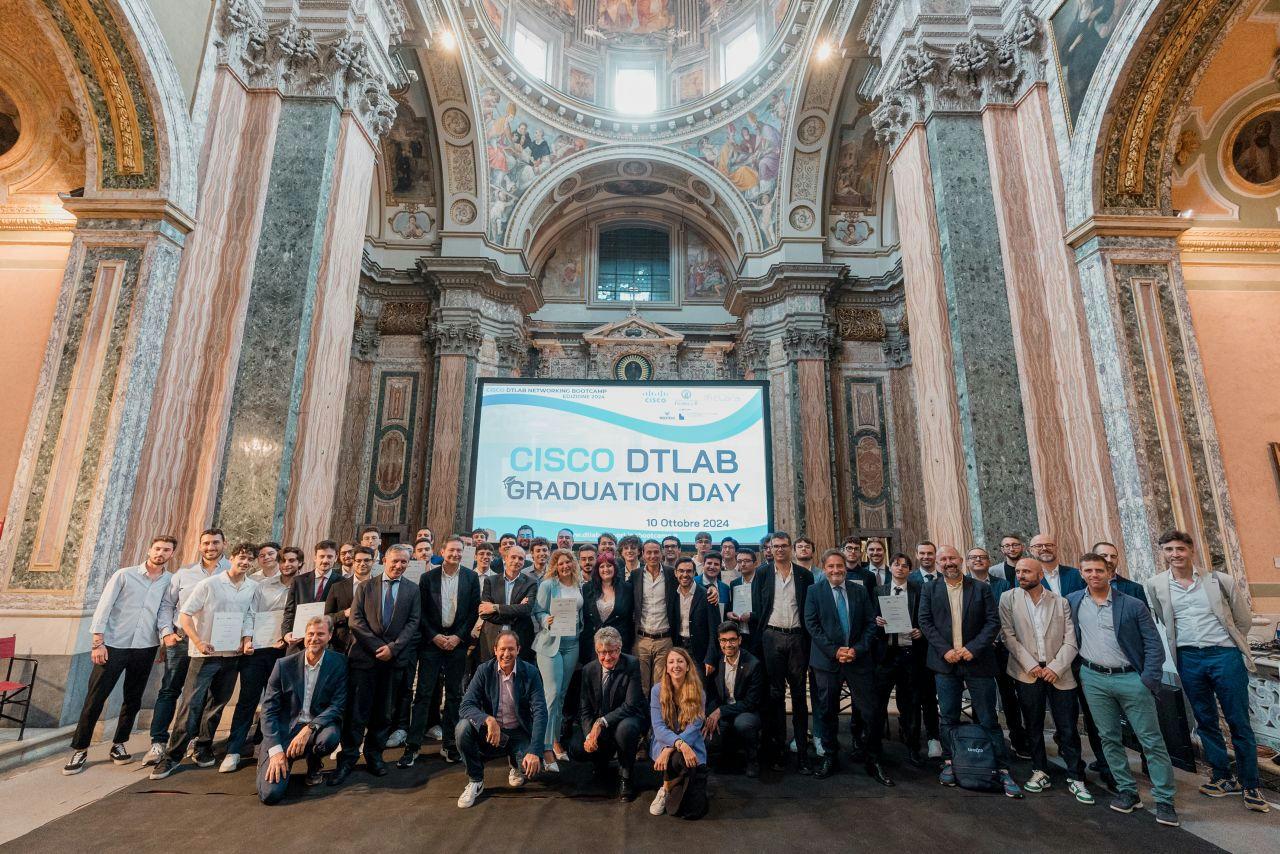
In my experience, this program truly unlocks the potential of every participant, regardless of their academic or professional background. I have witnessed this firsthand through the Cisco DTlab, a specialized academy we host in Naples. Each year, 20 of Italy’s brightest minds come together for intensive training in networking — the essential foundation of AI.
The initiative’s ultimate goal is to bridge the gap between education and industry, enabling these talents to collaborate on pilot projects with Cisco customers and partners. By fostering an environment where innovation thrives, we empower these individuals to master the latest technologies and apply their skills to real-world challenges.
Cisco Networking Academy’s curriculum keeps pace with the industry as it exists today, not where it was five years ago. Professionals who once mastered routing protocols now need to master prompt engineering, agentic AI workflows, and responsible AI governance. The job has changed, and the urgency to support people through that transition has never been higher.
Cisco has committed to training one million Americans in AI skills over four years and 1.5 million Europeans by 2030, including 5,000 new instructors under the EU’s Union of Skills initiative. These commitments reflect Cisco’s belief that an AI economy only works if the workforce can participate in it.
Whether co-investing with governments to build AI-ready data centers in the Middle East, supporting smart territories in Europe and Africa, or uplifting underserved communities in the Americas, the goal of our Country Digital Acceleration (CDA) projects are the same: to provide the foundation for mission-critical services.
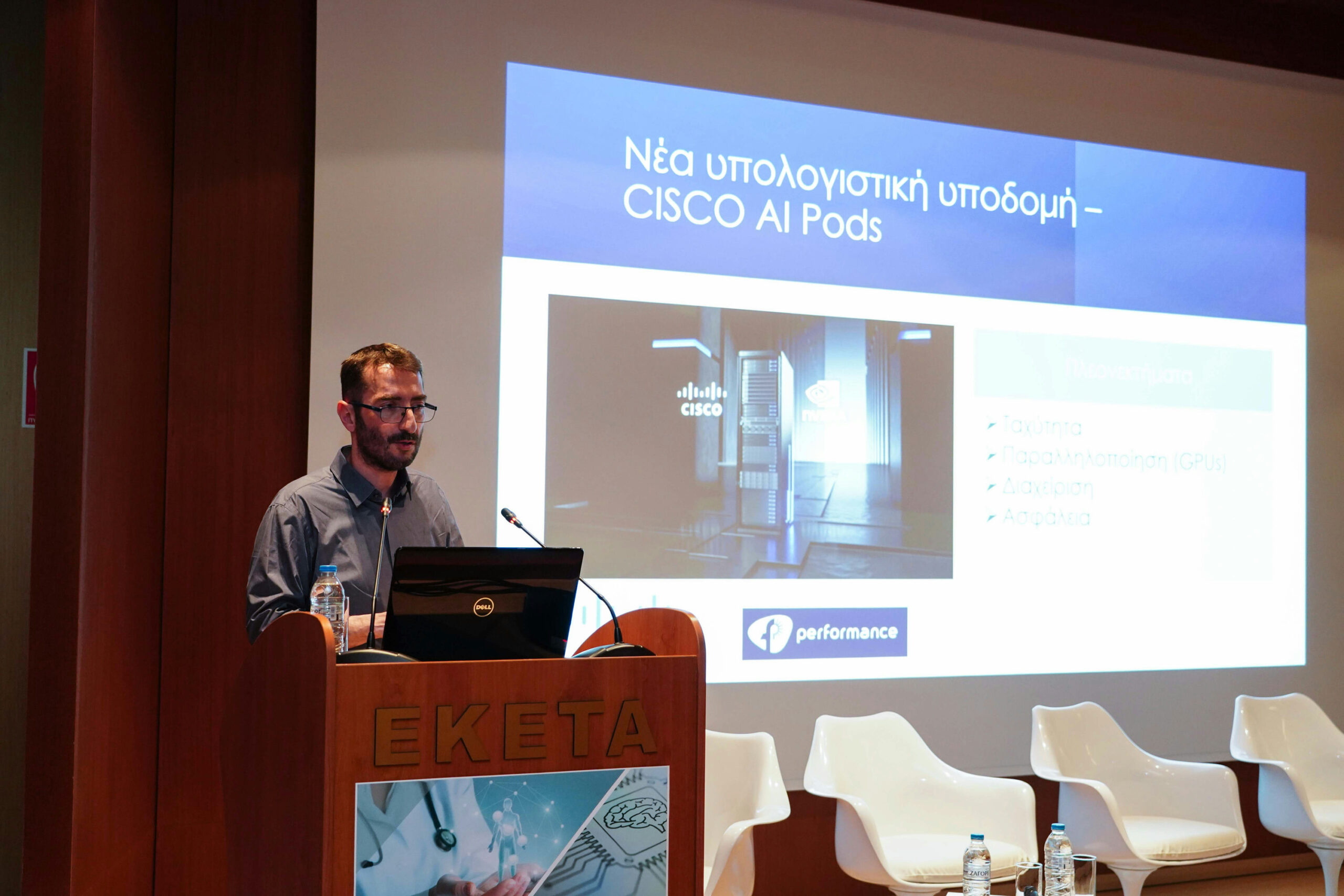
Consider our latest initiative in Greece, where we have partnered with the Institute of Applied Biosciences (INAB/CERTH) and Papageorgiou Hospital to establish a transformative AI-driven health ecosystem. By deploying a high-performance AI infrastructure, an “AI Pod,” this project enables the secure, large-scale processing of over 1.4 million patient records. This initiative bridges the gap between clinical research and real-world patient care, accelerating research cycles and empowering the Ministry of Health with actionable, data-driven insights. By strengthening national digital sovereignty and ensuring alignment with EU research frameworks, this project is positioning Greece as a premier hub for clinical innovation, ultimately leading to faster diagnostics and more personalized treatments for patients.
When we invest in infrastructure (the CDA model) and pair it with learning (the Cisco Networking Academy model), we do more than innovate. We build trust and resilience. We live our Purpose to Power an Inclusive Future for All, helping technology serve everyone, not just a few.
Every technology initiative I review comes down to one question: Who benefits, and how broadly? It demands that we look beyond ROI and ask whether the value being created will spread to the workers navigating disruption, to the communities building around new industries, and to the students in markets where opportunity has been scarce.
To my peers and partners, I offer this guidance: We must stop viewing innovation and social impact as separate objectives. When we align our innovation strategy with our purpose, we ensure that digital progress serves everyone:
The investments that survive market shifts and technology generations start with silicon and software, but they are scaled by human potential. In a world where speed is our competitive advantage, the leaders who will define the next decade are those who don’t just innovate they are the ones who empower everyone around them to innovate, too.
此内容由惯性聚合(RSS阅读器)自动聚合整理,仅供阅读参考。 原文来自 — 版权归原作者所有。