


Serving tech enthusiasts for over 25 years.
TechSpot means tech analysis and advice you can trust.
A hot potato: While it's fair to say that a lot of people really dislike AI, those living near AI data centers hate the technology even more. The latest example of why sentiment against these facilities is so negative is the $16 billion Stargate AI data center, which is being built despite a township board voting to reject it.
Unsurprisingly, the few thousand residents of the small community of Saline Township in Washtenaw County, Michigan, were worried about OpenAI and Oracle's massive new $16 billion Stargate data center. Their concerns covered the usual issues: excessive water usage, the power draw on the regional grid, a huge increase in traffic, and the transformation of agricultural land into industrial campus.
The project, developed by Related Digital, was originally presented as a $7 billion facility before its price tag more than doubled. It is tied to Oracle and OpenAI's Stargate infrastructure push, the $500 billion plan to build the compute backbone needed for the next generation of AI services, including ChatGPT.
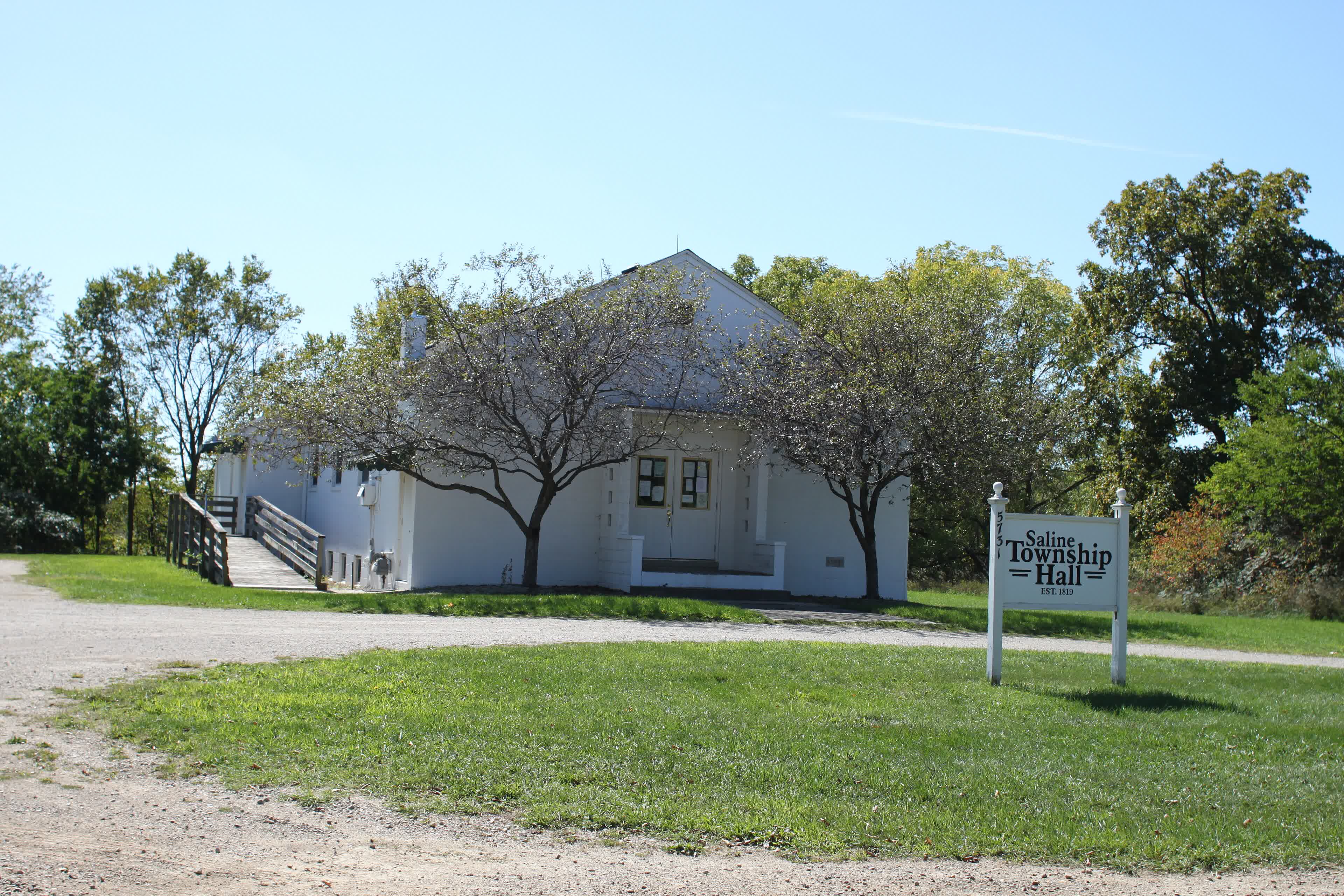
Saline Township Hall
Residents assumed they had killed the proposal last year when the township board voted 4-1 to reject the rezoning request. Two days later, Related Digital and the landowners sued the township, arguing that the rejection amounted to exclusionary zoning because there was no land zoned for industrial use. Within weeks, the township settled, and construction eventually began anyway.
Residents did get some perks from the deal. The township secured around $14 million in community benefits, including money for farmland preservation and the local fire department, along with environmental restrictions and limits on water use. Related Digital also says the facility will use a closed-loop cooling system rather than evaporative cooling, meaning ongoing water consumption should be far lower than the worst-case scenarios locals feared.
Also read: Amazon data center linked to rare cancers and miscarriages in Oregon, report warns
However, the power problem is another matter. The campus is expected to draw around 1.4 gigawatts of electricity from DTE Energy, roughly the output of a nuclear power plant.
Related Digital says Oracle will fund the infrastructure needed to serve the site and that existing ratepayers could even save money by spreading fixed grid costs across a larger customer base. But critics, including Michigan Attorney General Dana Nessel's office, have challenged whether those protections are enough.
Michigan towns have clearly taken notice of what's happening in Saline. At least 19 municipalities have enacted moratoriums on new data center development, while Washtenaw County commissioners have encouraged more communities to do the same. A bipartisan state bill proposing a one-year statewide pause has also been introduced, though Governor Gretchen Whitmer and House Speaker Matt Hall oppose the measure.
AI data centers are doing little to endear themselves to the public. As we recently reported, these facilities are delaying Texas housing projects by hiring away electricians.
There was also the JPMorgan data center expansion that received a $77 million tax break despite being expected to create just one permanent job. Meanwhile, in Festus, Missouri, voters ousted half the city council after it approved a $6 billion AI data center.
此内容由惯性聚合(RSS阅读器)自动聚合整理,仅供阅读参考。 原文来自 — 版权归原作者所有。