


Serving tech enthusiasts for over 25 years.
TechSpot means tech analysis and advice you can trust.
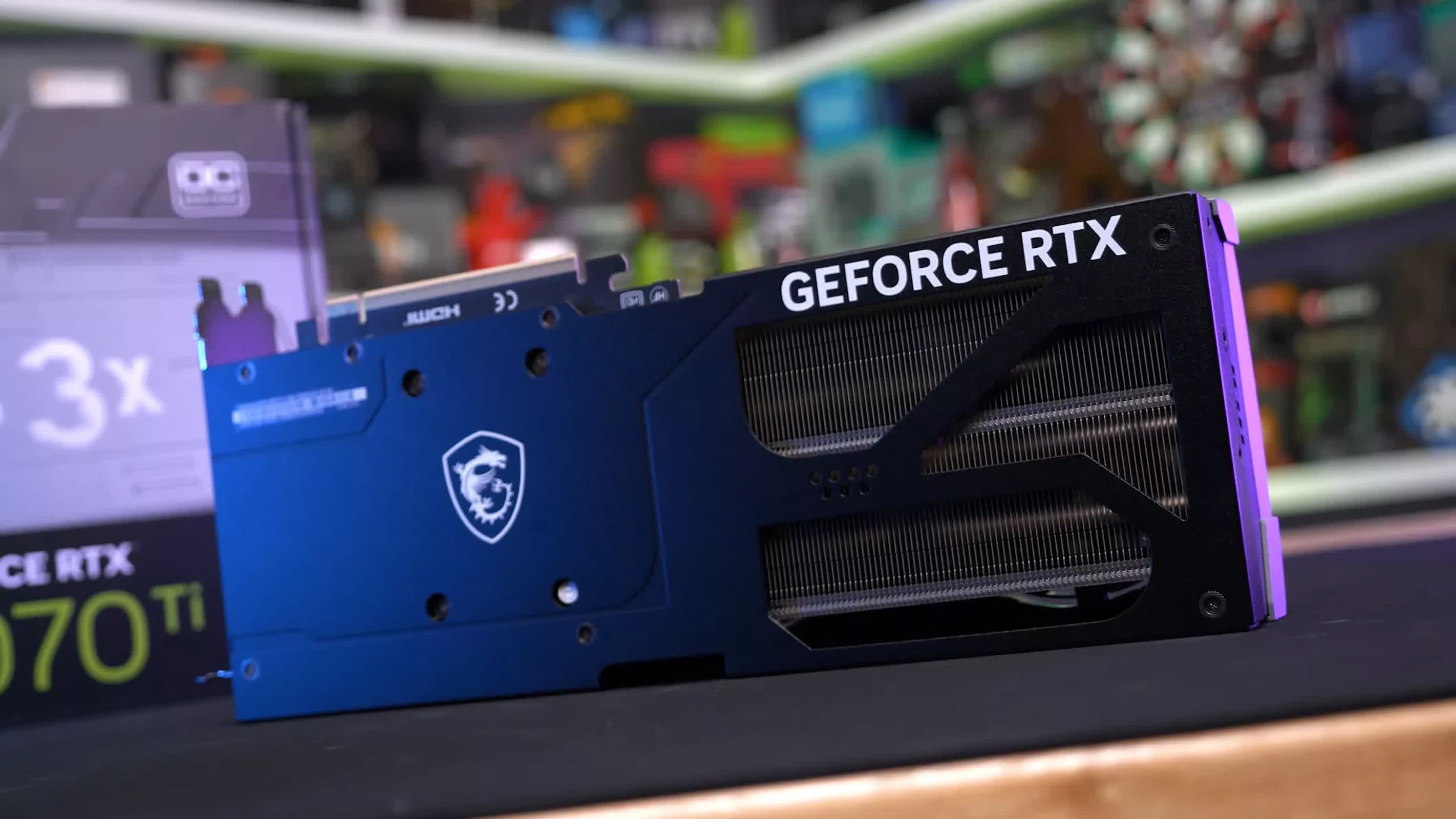
The big picture: Microsoft is easing one of the strict lines it previously drew around Copilot+ PCs, allowing more Windows 11 machines to run local AI workloads with the right GPU. An update shows that systems equipped with Nvidia RTX 30-series GPUs or newer, with at least 6GB of VRAM, can now support Windows' local language model APIs. On paper, it's a small, developer-only tweak, but it suggests Microsoft may be rethinking how tightly it ties on-device AI to Copilot+ branding.
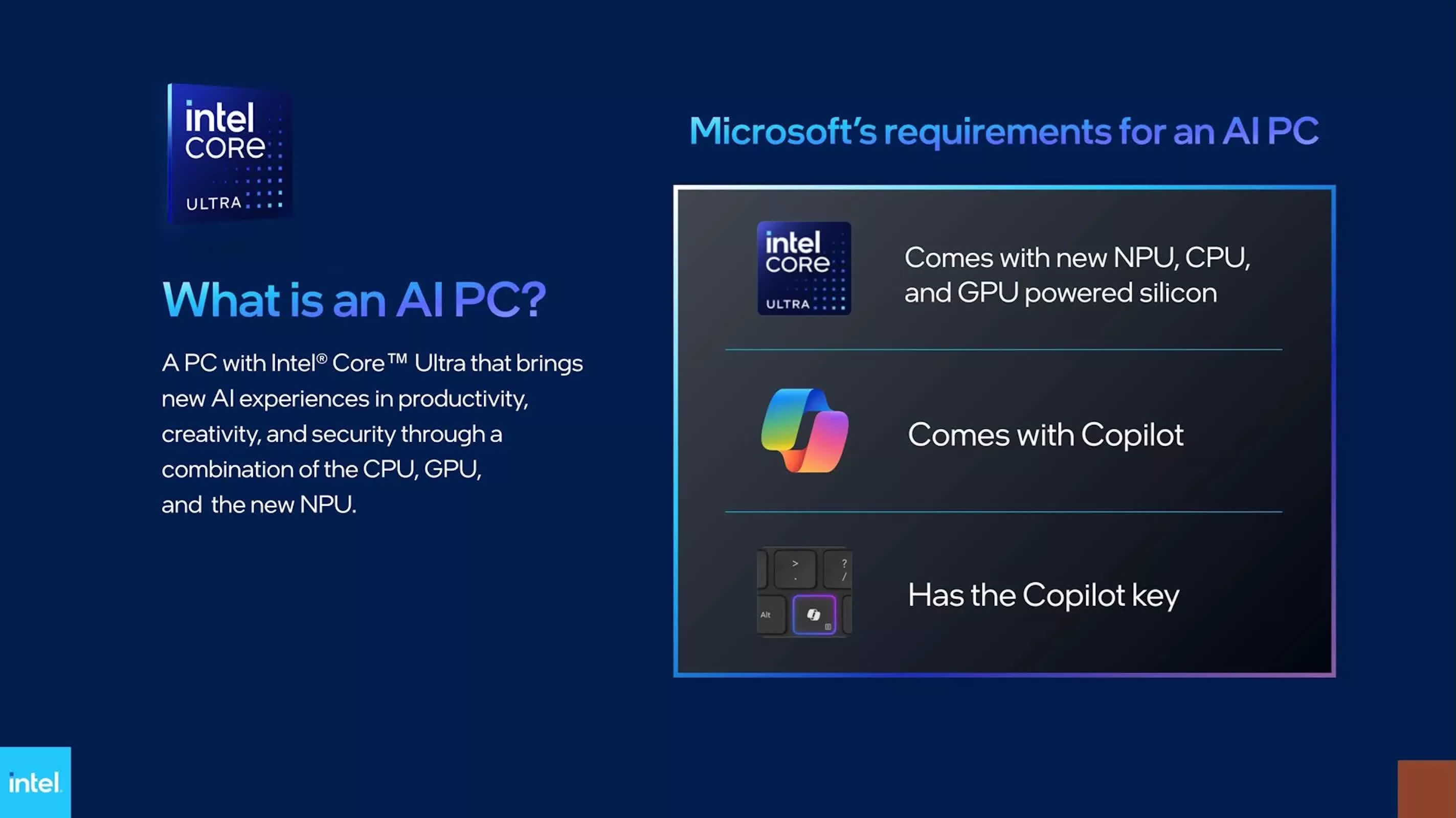
When Copilot+ PCs launched on June 18, 2024, the messaging was clear: dedicated AI hardware was essential. These machines were defined in part by their neural processing units, along with baseline specs such as 16GB of RAM and solid-state storage. The NPU requirement, in particular, was positioned as the key to unlocking local AI features in Windows.
But NPUs are not the only chips capable of handling AI workloads. GPUs, especially modern ones, are built for heavy parallel processing and have long been used to run machine learning models. In practical terms, they can offer more raw throughput for many AI workloads than today's NPUs, though typically at a higher power cost.
Until now, Microsoft had kept most of its built-in AI features tied to NPU-equipped devices. That left many powerful GPU-based PCs unable to access local text and image generation, as well as features like Windows Recall and other AI tools.
Now that gap is starting to close. In updated documentation and a GitHub post, Microsoft confirmed that developers can now run language model APIs on non-Copilot+ PCs using supported GPUs.
The company described the feature this way: "Language Model APIs on GPU [Experimental]. The Language Model APIs now run on non-Copilot+ PCs equipped with a supported GPU, bringing local language model capabilities to a broader range of Windows 11 devices." It also specified that "supported hardware includes NVIDIA GeForce RTX 30 series and newer with 6+ GB VRAM."
For now, this capability is still tucked inside the developer layer rather than exposed directly to everyday users. Running these APIs requires building or using applications that tap into the Windows AI framework. Still, it sets the stage for local AI to reach a much wider range of Windows machines.
At the center of this is a small on-device model called Phi Silica. Instead of being pre-installed on all systems, it can be downloaded through Windows Update when an app requires it. Once installed, the model runs locally on the machine's hardware, using the GPU when available.
The current feature set is focused on text-based tasks. Through the Windows.AI.Text APIs, apps can summarize content, rewrite text, convert text into structured formats, and generate prompts. The functionality is similar to what users might expect from cloud-based AI tools, but it all runs locally on the device.
Running everything locally has practical benefits. It reduces reliance on cloud processing, which can improve responsiveness, and keeps data on the machine rather than sending it to external servers. For developers and enterprise users, that could make a meaningful difference in how AI features are adopted.
Still, the rollout is partial. Some of the more visible Copilot+ features, including Windows Recall and Click to Do, remain tied to systems with NPUs. GPU support, at least for now, is limited to the language model API layer rather than the broader suite of AI integrations.
Even with those limits, the trend is hard to miss. Microsoft is no longer treating NPUs as the only path to local AI on Windows. Letting GPUs take on these workloads broadens the pool of compatible hardware and makes Copilot+ PCs feel less exclusive than they did at launch.
此内容由惯性聚合(RSS阅读器)自动聚合整理,仅供阅读参考。 原文来自 — 版权归原作者所有。