


A plant root commonly used in Chinese traditional medicine could be an effective treatment option for male pattern baldness, a new study reveals.
Androgenetic alopecia, or male pattern baldness, is the most common type of hair loss, affecting millions of men around the world.
The condition develops gradually as hair follicles shrink over time, producing thinner, shorter hairs, after which growth may slow dramatically or completely stop.
Treatments like finasteride and minoxidil can help, but may not be ideal for everyone as they may also pose unwanted outcomes in some people, such as sexual side effects or scalp irritation.
Now, researchers have found that a root, long used in traditional Chinese medicine, could be a potential therapy for androgenetic alopecia.
"Our analysis bridges ancient wisdom and modern science," said Han Bixian, an author of the new study published in the Journal of Holistic Integrative Pharmacy.
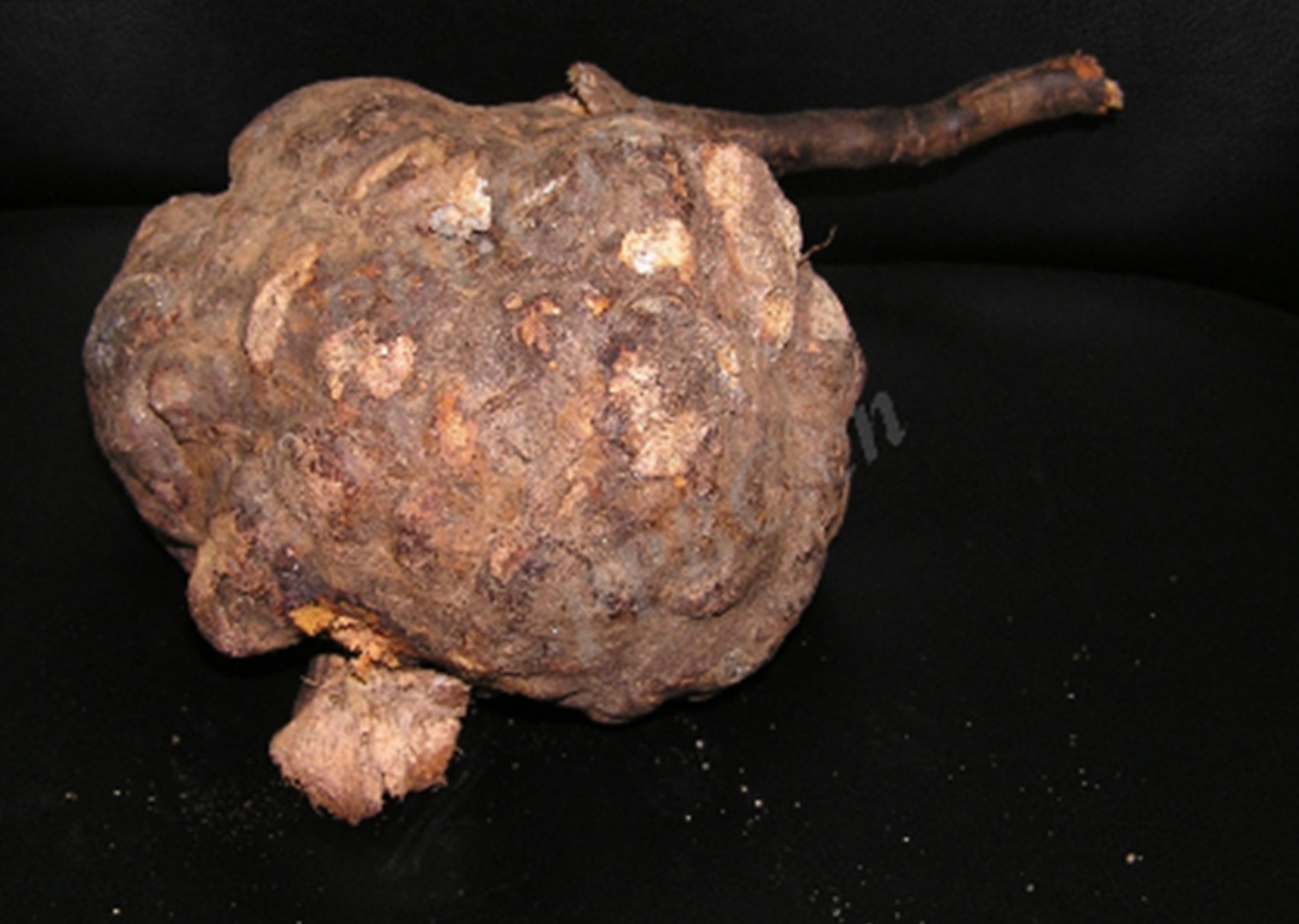
The herb Polygonum multiflorum, best known by its Chinese name He Shou Wu, has been used for more than 1,000 years and has traditionally been associated with "blacken hair and nourish essence”.
However, the exact biological pathway through which the herb enriches hair growth has remained unclear.
Researchers now believe Polygonum multiflorum influences hair growth not just via one biological route, but through several processes involved in hair loss and regrowth at the same time.
In androgenetic alopecia, a hormone called dihydrotestosterone gradually shrinks hair follicles, making it harder for them to keep producing strong, healthy hair.
The latest review shows that Polygonum multiflorum could help reduce the impact of this hormone, protecting follicles from one of the major drivers of pattern hair loss.
Polygonum multiflorum may also help prevent follicle cells from dying too early and also improve blood flow to the scalp, scientists say.
This is important as healthy follicles need active, living cells to maintain the hair growth cycle, researchers explain.
The herb also activates key biological signals involved in regeneration, and control how cells grow, communicate, and repair tissue, they say.
When these signals are stronger, hair follicles are more likely to reenter a growth state, scientists say.
"What surprised us was how consistently historical texts – from the Tang Dynasty onward – described effects that align perfectly with today's understanding of hair biology,” Dr Bixian said.
“Modern studies now confirm that this isn't folklore; it's pharmacology,” he said.
In the study, scientists assessed and compared several types of information about the plant, including from laboratory research, clinical reports, and historical herbal records.
The review shows that the herb can do more than slow hair loss, also creating conditions that support regeneration.
In comparison, many hair loss treatments are designed to only preserve existing hair, scientists say.
“When properly processed – a key step in traditional preparation – the herb shows a favourable safety profile, making it more acceptable to patients wary of side effects like sexual dysfunction or scalp irritation linked to current medications,” they wrote.
Researchers hope the latest study could help guide the next generation of hair regrowth therapies.