


Starbucks Korea fired its CEO after a promotional campaign for a line of tumblers used phrases that allegedly mocked South Korea’s pro-democracy movement and the death of a student activist under military dictatorship.
The Shinsegae Group, the retail conglomerate operating Starbucks Korea under licence, dismissed Sohn Jeong Hyun over what it described as “inappropriate marketing”.
The controversy started after the company launched a “Tank Day” campaign for its “Tank” tumbler series on 18 May, the anniversary of the 1980 military crackdown on pro-democracy protesters in Gwangju.
For many South Koreans, the use of the word “tank” on that date seemed to refer to military vehicles deployed against civilians during one of the country’s most traumatic episodes of state violence.
The promotion also used the phrase “Tak! on the desk”, which many said echoed the dictatorship-era cover-up surrounding the 1987 torture death of student activist Park Jong Cheol.
Starbucks Korea promoted discounts on products such as the “Colorful Tank Tumbler Set” and “Tank Duo Set” before withdrawing the campaign after backlash escalated online.
Apologising for the ad campaign, the company said that it recognised that “wording connected to the May 18 Gwangju Democratic Uprising, which carries profound historical significance, was used in an extremely inappropriate manner”.
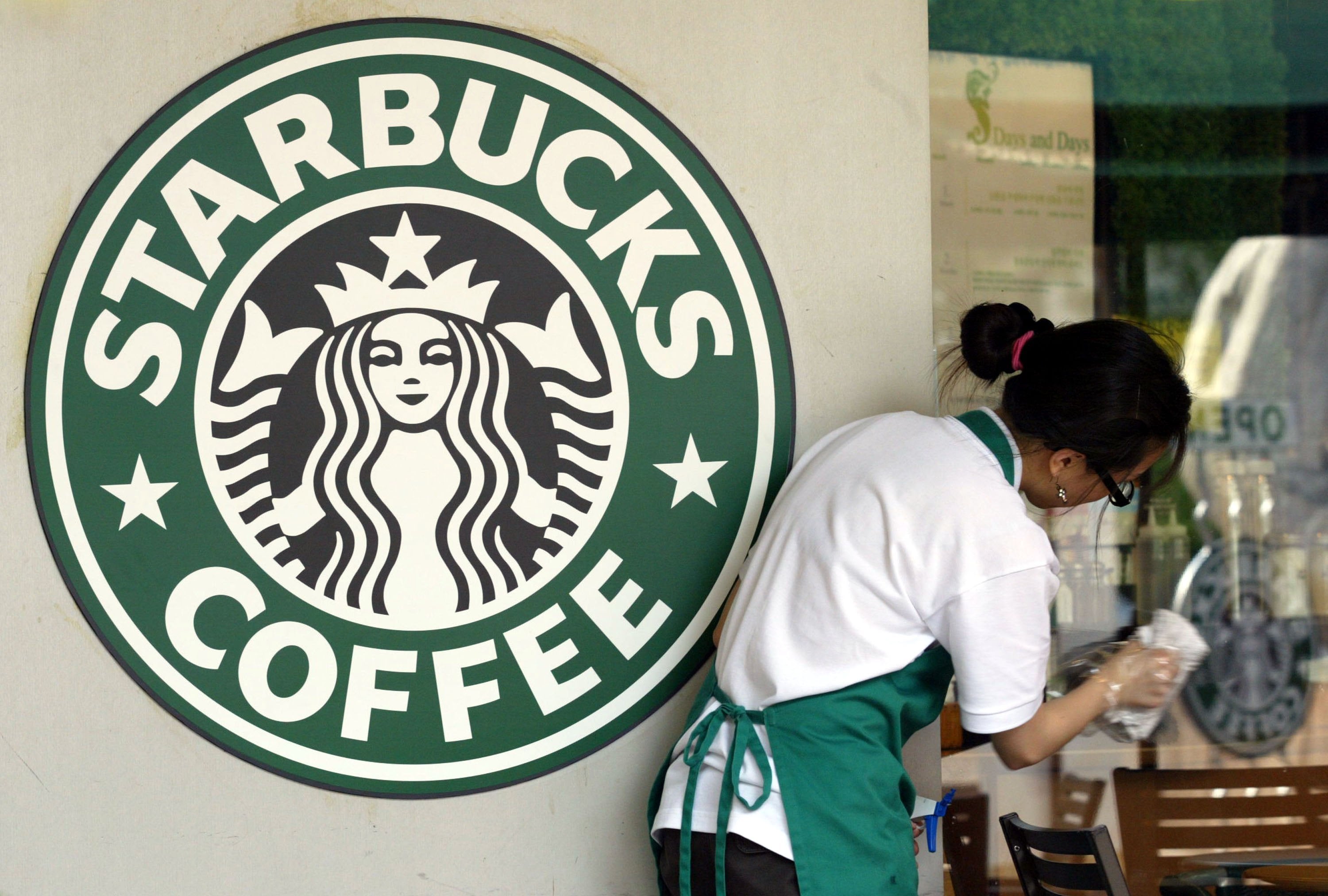
“We once again apologise for causing this controversy on a memorial day that honours the noble spirit of the May 18 democratic movement and the sacrifices of its victims,” it said in a statement.
The company promised to investigate how the campaign was approved, strengthen internal review procedures, and introduce training on “historical awareness and ethical standards”.
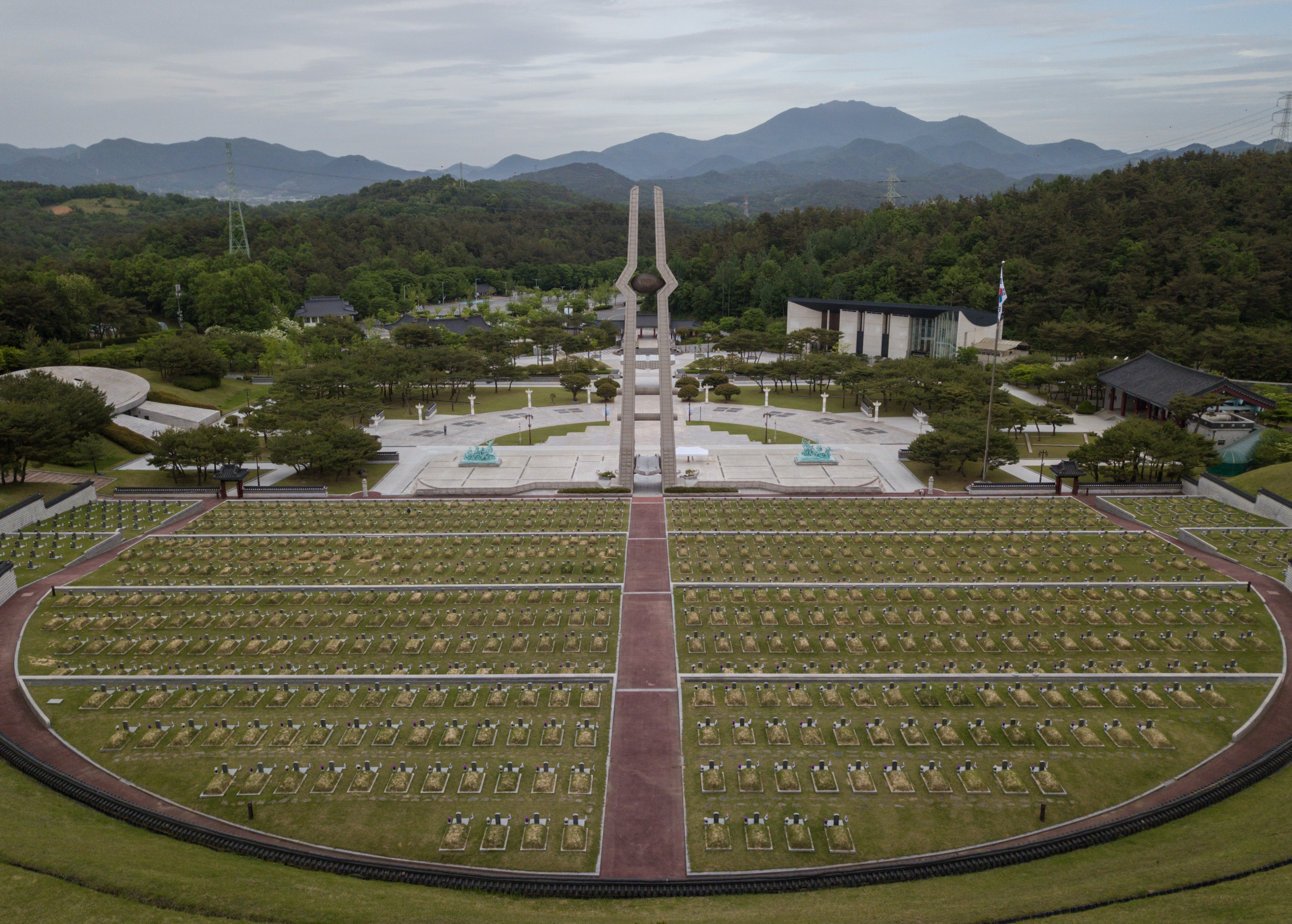
The Gwangju uprising began on 18 May 1980 after people in the southwestern city protested against martial law imposed by the military leader Chun Doo Hwan following his seizure of power. Troops and paratroopers were sent into the city to suppress the demonstrations, with soldiers using batons, bayonets, live ammunition and tanks against civilians over 10 days of violence that later became a defining symbol of the country’s democracy movement.
Government figures place the death toll at around 200 people, but victims’ groups and historians say the real number is significantly higher, with estimates ranging from several hundred to around 2,000 dead.
The phrase “Tak! on the desk” carried a separate historical reference that many South Koreans recognised immediately. After the student activist Park died during police interrogation in 1987, authorities falsely claimed that he collapsed when an officer struck the desk with a “tak” sound.
The explanation became infamous as a symbol of brutality and deception of the dictatorship after it emerged that Park had died under torture. His death helped ignite the pro-democracy protests that eventually forced the military to accept direct presidential elections.
Anger against the Starbucks ad campaign spread quickly on South Korean social media. “What were they trying to celebrate with ‘Tank Day’ anyway? The military dictatorship deploying army tanks to crush and massacre innocent civilian protesters, causing a bloodbath? Insanity!” said one user on X.
Some users called for boycotts, several posted pictures and videos of their Starbucks cups crumpled and mugs smashed and thrown into bins, and the phrase “tal-buck” – a Korean expression meaning to quit Starbucks – began trending online.
South Korean president Lee Jae Myung publicly condemned the campaign after attending a memorial ceremony in Gwangju on Monday. He wrote that he was “outraged” by the company’s actions and said the campaign had “tarnished the bloody protests of Gwangju citizens and the victims of the protests”.
“On this historic Gwangju May 18 Democratization Movement Memorial Day, calling an event ‘5.18 Tank Day’ that mocks the blood-soaked struggle of the Gwangju victims and citizens,” he wrote. “How many lives were unjustly lost that day, and how devastating is the damage to justice and history as a result. Out of what twisted resentment did they commit such an act? I am outraged by this inhumane, bottom-feeding behaviour from these low-class peddlers who deny the Republic of Korea's community, basic human rights, and democratic values.”
Chung Yong Jin, chair of Shinsegae Group, issued a public apology on Tuesday. In a statement, he said the campaign was “an inexcusable wrongdoing that trivialised the pain and sacrifice of everyone who devoted themselves to advancing democracy in this nation”.
Starbucks headquarters in Seattle, US, also apologised. “While unintentional, this should never have happened. We recognise the deep pain and offence this has caused, particularly to those who honour the victims, their families and all who contributed to Korea’s democratisation.”
Kim Soo Wan, senior executive vice president at the Shinsegae Group, went to Gwangju to apologise to organisations representing victims of the pro-democracy movement. According to the Korea Times, the groups refused to meet him, saying he had arrived without prior consultation.
The executive said the company took the controversy “very seriously”, but insisted the campaign had no “malicious intent”. The Shinsegae Group would investigate how the promotion was approved and return to apologise again, he added.