






Sign up to see the future, today
Can’t-miss innovations from the bleeding edge of science and tech
A shortcut to sprucing up any dreary urban locale is by throwing in some beautiful greenery. Now, Chinese scientists have unveiled new genetically engineered plants that can glow in the dark, which they say could be a compelling draw for tourism and even help light cities at night.
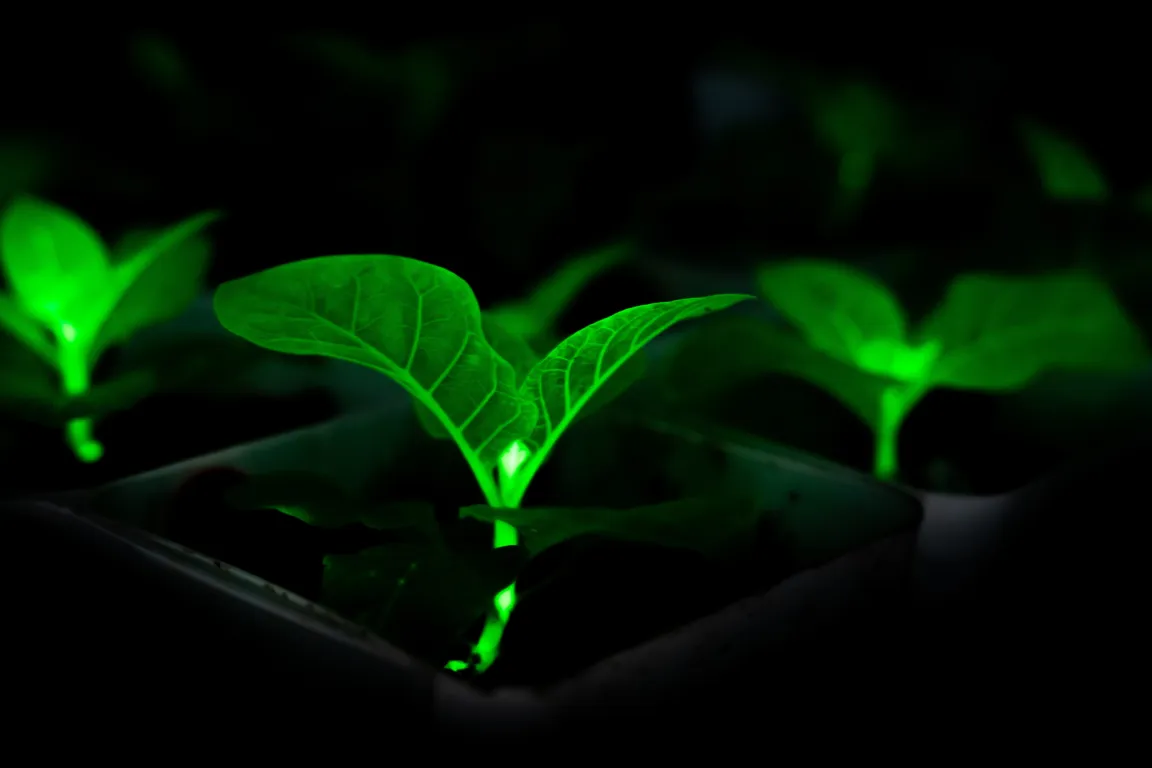
The bioluminescent flora were created by splicing genes from fireflies and glowing fungi into the plant cells, allowing them to emit a soft glow. Using these techniques, the scientists have modified over twenty species to glow in the dark, including orchids, sunflowers, and chrysanthemums, Euronews reports.
Li Renhan, founder of the biotechnology company Magicpen Bio which developed the plants, envisioned a spectacle comparable to an exotic alien planet.
“We’re dedicated to bringing this technology to cultural tourism and the nighttime economy,” Li told Euronews. “Imagine a valley filled with glowing plants in the dark, it would be like bringing the ‘Avatar’ world to Earth,” he added, referring to the popular sci-fi franchise.
The sheer number of species is impressive. Hype around glow-in-the-dark plants exploded around the release of the “Firefly Petunia” in 2024, a household plant sold by Light Bio. Much like the Chinese scientists’ invention, it was also made by injecting genes from bioluminescent mushrooms, glowing far brighter than previous efforts at gene-hacking glow in the dark plants.
That was with a single species. Now, with over twenty of them, one could potentially populate an entire park or garden with magical-seeming verdure. They won’t replace streetlights, but will in at least certain darker sections of a city offer something different to their soul-crushingly municipal glare. Maybe a park and other public spaces could even remain accessible after dark without spending money to keep lights on.
“Beyond tourism, we could also use them in urban parks without the need for electricity,” Li told Euronews. “These plants don’t need electricity. They only need water and fertilizer. They save energy, reduce emissions, and can light up cities at night.”
Last year, another team of Chinese researchers unveiled their own glow-in-the-dark succulents created by using very different means. Instead of gene-editing the plants, the team from South China Agricultural University injected metal nanoparticles into their leaves, including strontium and aluminum. The metals were “charged” by sunlight during the day, and then let off an afterglow during the night. By controlling the mixture of metals, the researchers could determine the color the plants glowed in.
If this spate of innovations in are anything to go by, we’re living in a golden — or glowing? — age of boutique, bioluminescent foliage.
More on biology: The Moon Astronauts Brought Along USB Stick-Sized Living Samples of Their Own Tissue