


Here’s a confession that may alarm faithful readers of this newsletter: I am an environment reporter who does not love nature.
Before I get cancelled, yes, I do care about the fate of the natural world – scientists are clear that wrecking it hurts us – but the weird wonders of wildlife have always occupied a smaller place in my heart than those of most people I interview. One reason for that, I realised last week, is that hay fever has seriously dampened the pleasure I get from ambling through forests or squelching through wetlands.
Strangely, the same forces driving the destruction of nature have also contributed to my lack of appreciation for it. Climate breakdown has made the European pollen season one to two weeks longer than it was when I was born in the 1990s, a study in the Lancet medical journal found last week.
How does global heating change our ability to relate to the great outdoors? Let’s take a look, after the headlines.
Essential reads
-
BP profits more than double as oil and gas prices soar in Iran war
-
Inside Chornobyl: 40 years after disaster, nuclear site still at risk in Russia’s war
-
Nordic heatwave part of record year that saw temperatures scorch most of Europe, report finds
In focus
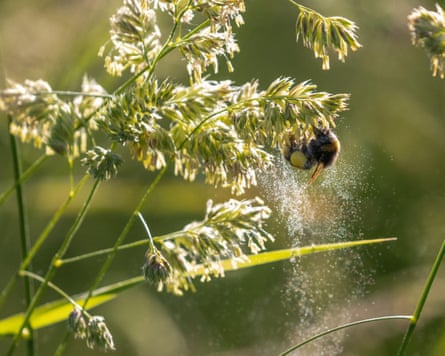
The start of spring is something I feel viscerally – my eyes itch, my nose runs and breathing becomes a chore. That’s because my immune system thinks tiny particles of pollen are a threat to be fought. “Touch grass” – the internet’s way of telling people to log off and reconnect with the outside world – is the exact opposite of what doctors advise people like me to do when the pollen count is high.
Allergic rhinitis affects tens of millions of people in Europe alone and, unfortunately, climate breakdown is set to make it worse. Global heating has significantly lengthened the pollen season, the latest review of the continent’s climate-health impacts found last week. The seasons for birch, alder and olive trees are now starting between one and two weeks earlier than they did in the 1990s. Separate research from the US has found that some plants release more pollen as a result of the extra carbon dioxide they breathe.
Grumbling about allergies may seem self-indulgent compared to the extreme harms that fossil fuels inflict on us, but the cumulative impact – on everything from productivity to quality of life – shows how infuriatingly mundane climate damages can be. There is even something perverse about the process: big oil has unwittingly used nature to turn our bodies against us, hampering our ability to appreciate the very thing we’re losing.
Readers who enjoy nature when jetting off on summer holidays may have experienced an echo of these frustrations through the changing face of travel. Beach resorts choked by wildfire smoke and Alpine mountains deprived of snow are joining a growing list of examples of natural beauty clashing with climate breakdown. At the more extreme end is the impending demise of treasured ecosystems such as coral reefs, which will be wiped out if global heating rises 2C above preindustrial levels. We are on track for 2.6C by the end of the century.
Well before that point, though, our access to Earth’s natural wonders is likely to be hampered. One leading tourism researcher believes that climate-driven price spikes on everything from insurance to coffee have begun to push us from the era of mass tourism into the era of “non-tourism”. Add in the flight shame that already deters some climate-conscious travellers from stepping on a plane, and the ability to explore the rich biodiversity on the planet first-hand – a privilege, it should be said, that was only ever enjoyed by a minority to begin with – shrinks even further.
There isn’t a huge amount to be done about pollen allergies, but encouraging people to seek natural beauty closer to home may be a compelling antidote to the loss of far-flung biodiversity. My colleagues have written movingly on the joys of nature that can be found in back gardens, national parks and beyond. And embracing the nature that’s on our doorsteps – in my case, after popping an antihistamine – means cherishing something that we have the agency to keep safe.
Read more:
13 hay fever remedies that actually work (and the ones that don’t)
How heat, thunder, smog and new species are making hay fever worse