


Timmy the whale is lost at sea, presumed dead.
In normal circumstances, the loss of a young humpback whale would be a sad yet unremarkable part of the circle of life. Dead whales help sustain thousands of marine species – and are part of the global carbon cycle.
But in the age of social media, the case took on a different meaning: millions of people saw videos and images of the juvenile male (given his nickname by the German media after repeated strandings on the Baltic coast) hovering between life and death, and many demanded that something was done to help the animal.
Last week, a privately funded rescue mission – believed to have cost about €1.5m (£1.3m) – helped float Timmy away from the sandbanks. The photos of the whale in the barge are extraordinary – an apparent moment of hope that the creature would be saved.
But the effort has ended in farce. The tracker, meant to monitor Timmy’s progress back into deeper waters, is not working. The animal is presumed dead, an outcome that many conservationist and scientists warned about before the private initiative, with one describing the operation as “an all-round catastrophe”.
What does the case of Timmy the whale say about the complex work of conservation? More, after this week’s climate headlines.
Essential reads
-
Smuggled in syringes: how Nairobi became a nexus for the black market in giant harvester ants
-
Labour must fulfil promise to introduce clean air act, charities urge
In focus
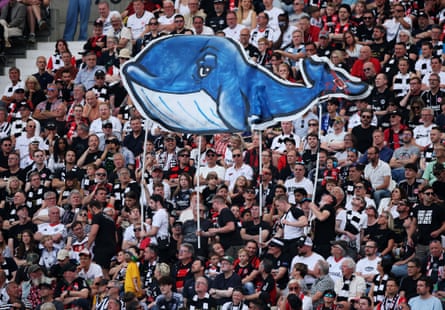
Timmy was already weak after repeated strandings, and had spent weeks in water with low salinity. Many experts said it would be cruel to prolong his life – and some even suggested euthanasia would be the most humane outcome.
Amy Dickham, a professor of wildlife conservation at the University of Oxford, says there are many lessons to reflect on from the case.
“It’s really striking that there’s been such a focus on this individual animal at such great cost during a time of great crisis for wildlife funding around the world,” she told me. “It is really questionable whether it was a good use of funds, particularly compared with issues that impact much greater numbers of whales, such as collisions with vessels and entanglements with fishing gear.”
Timmy’s botched rescue is a perfect example of the tension between animal rights activism and conservation – and a teachable moment for those of us who want to see biodiversity recover and thrive. Conservation is almost always subject to immense financial strain and can require difficult, messy choices that prioritise the best overall outcome for a rare or precious ecosystem, not a single animal. Animal rights activism, while making enormous achievements in protecting welfare in many countries, can do more harm than good sometimes, despite the best intentions.
The International Fund for Animal Welfare said that the rescue for Timmy should “give us all pause”, highlighting it as an example of the challenges of social media.
“As attention intensified, so did expectations that something must be done. Marine mammal biologists advising on the case faced hostility online, despite working in the whale’s best interests. Though global stranding experts and the International Whaling Commission expressed concerns about the welfare impacts of additional rescue attempts, the decision to proceed with the rescue was ultimately approved,” they said. “In complex cases like Timmy’s, the most compassionate choice is not always the most dramatic one.”
While many species of great whales suffered through years of hunting, humpbacks are one of the species that have made a strong recovery, classified as a species of least concern on the IUCN Red List of Threatened Species. From climate breakdown to ocean pollution, they face challenges – like all marine creatures in a human-dominated world – and it is likely that the resources given to save Timmy would have made more of an impact spent elsewhere.
“What feels good for the public might not actually be what’s best for the animal,” says Dickman. “The case demonstrates the movement towards more social media-driven wildlife management, which is alarming. There’s a huge pressure to move rapidly and that doesn’t necessarily give experts the time to carefully consider what the best course of action should be, including things such as euthanasia, which might not be popular with the public but might be the best course of action for the animal’s welfare.”
Read more:
Stranded and dying, the German whale is a parable of our troubled relationship with these sea giants
Shark or sea monster? The Canadian marine mystery that still intrigues experts 90 years on
One ship, three deaths: the shocking truth behind working conditions on a Chinese fishing vessel
To read the complete version of this newsletter – subscribe to receive Down to Earth in your inbox every Thursday.