惯性聚合 高效追踪和阅读你感兴趣的博客、新闻、科技资讯
阅读原文 在惯性聚合中打开

推荐订阅源

Engineering at Meta
Engineering at Meta
奇客Solidot–传递最新科技情报
奇客Solidot–传递最新科技情报
小众软件
小众软件
博客园_首页
T
Tailwind CSS Blog
美团技术团队
博客园 - 叶小钗
Microsoft Security Blog
有赞技术团队
有赞技术团队
Apple Machine Learning Research
大猫的无限游戏
大猫的无限游戏
Microsoft Azure Blog
H
Hackread – Cybersecurity News, Data Breaches, AI and More
I
InfoQ
MongoDB | Blog
MongoDB | Blog
The Cloudflare Blog
J
Java Code Geeks
OSCHINA 社区最新新闻
OSCHINA 社区最新新闻
博客园 - 聂微东
酷 壳 – CoolShell
酷 壳 – CoolShell
Blog — PlanetScale
Blog — PlanetScale
IT之家
IT之家
Cyber Security Advisories - MS-ISAC
Y
Y Combinator Blog

PYMNTS.com

Crypto Payments Are Back. Will Merchants Actually Care This Time? B2B’s New Battlefield Is Everything Before the Button Amazon Targets the GLP-1 Gap Big Pharma Left Open LendingClub Signals Expanded Capabilities With Happen Bank Rebrand Congress Moves to Give FinTechs Direct Fed Payment Access Microsoft Tests Mythos to Identify and Mitigate Vulnerabilities United Airlines Hikes Fares as Fuel Costs Surge OpenAI Images 2.0 Is a Real Leap With a Real Price Tag Morgan Stanley Says Gaming Could Score $22 Billion With AI FTC Shuts Down Alleged Healthcare Fraud Scheme Sam’s Club Offers eCommerce Shoppers Hour-or-Less Deliveries FinTechs Cut Staff as AI and Margins Redefine Growth JPMorganChase Extends Critical Industries Investment Program to Continental Europe OpenAI Lands $75 Million Investment From Robinhood Ventures House Bill Would Reduce Small Lenders’ Reporting Requirements Coinbase Lists tGBP to Expand Locally-Denominated Stablecoin Access BNY Names New Head for Payments/Trade Client Platform KnowBe4 Automates Global Cash Flow Via Flywire Partnership Treasury Calls for Programmable Financial Enforcement Across Crypto DeepSeek Seeks $20 Billion Valuation as Tech Giants Weigh Investment Google Accelerates Agentic AI Shift With New Enterprise Platform OpenAI Begins Briefing Governments on Cybersecurity Capabilities DeFi Security Suffers New Blow With $3 Million Volo Exploit Uninvited Users Access Anthropic’s Mythos AI Model Block and Uber Expand Partnership Across Several Global Markets OpenAI Pledges $1.5 Billion to PE Enterprise AI Project Podcast: Inside the $9 Billion DeFi Hack That’s Shaking Crypto’s Foundations Synchrony CFO Flags Momentum in Spending and Credit Banks Risk Slowing the Emerging Middle Market Firms Driving Growth Paysafe Expands Digital Wallet Availability Across 18 European Markets
Capital One Sues Impersonation Scammers for Trademark Inf...
PYMNTS · 2026-05-14 · via PYMNTS.com

 | 

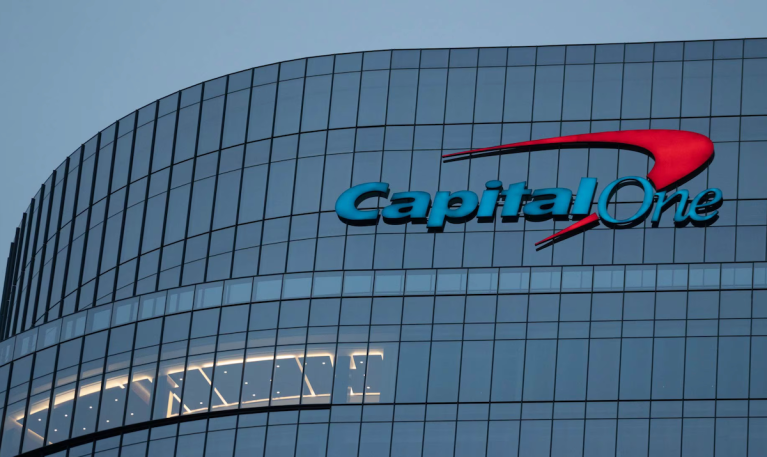
Capital One building

Financial services giant Capital One is taking legal action against scammers committing impersonation fraud.

But rather than accusing fraudsters of violating criminal law, the company says it is taking a different tactic in a federal lawsuit filed Wednesday (May 13): alleging that the scammers are guilty of infringing on the Capital One trademark.

A trademark infringement case “represents one of the only legal levers currently available to companies seeking to identify and hold accountable the often anonymous networks perpetrating financial schemes against U.S. consumers,” Capital One said in a news release.

The alleged scammers — who were not identified by name in the suit — use a variety of phone, text and digital platforms to carry out “spoofing,” the company added, making them tough to identify and stop via conventional means.

Spoofing refers to bad actors impersonating a trusted brand or logo to set up phony emails, websites, text messages and phone solicitations. While Capital One has taken measures to stop phone-based spoofing, it says this effort can’t prevent fraudsters from spoofing text messages, emails or websites.

“For years we’ve invested in advanced technology, training, and tools to help detect and prevent financial misconduct,” said Chad Miller, the company’s vice president of customer protections.

Advertisement: Scroll to Continue

“But stopping these scammers requires more than strong defenses. It means going on offense to expose and disrupt the networks that enable these schemes and prevent harm to our customers. That’s exactly what this action is intended to do.”

The lawsuit comes days after the Federal Trade Commission (FTC) said it was seeing a surge in two common types of impersonation scams: text messages that demand money for unpaid tolls, and new online friends or love interests suddenly requesting money.

Imposter scams have been the subject of the most fraud reports sent to the agency for the last nine years, the FTC said last week. In 2025, consumers sent the FTC upwards of 1 million reports about imposter scams and said that they lost $3.5 billion to those types of scams. Text messages about overdue tolls helped drive a 40% rise in reports of imposter scams.

“These bogus messages might spoof real toll collection programs (like EZ-Pass, SunPass, FasTrak and TxTag) to seem more credible. And they threaten to charge you late fees or suspend your vehicle’s registration if you don’t pay right away,” the consumer alert said.

Meanwhile, the PYMNTS Intelligence report “Financial Scams and Consumer Trust” found that more than 80% of reported scams involve impersonation. In nearly two-thirds of those cases, the victims send money within 24 hours, with younger, affluent and college-educated consumers facing the highest levels of scam exposure.