惯性聚合 高效追踪和阅读你感兴趣的博客、新闻、科技资讯
阅读原文 在惯性聚合中打开

推荐订阅源

P
Palo Alto Networks Blog
P
Proofpoint News Feed
GbyAI
GbyAI
Microsoft Azure Blog
B
Blog
Google DeepMind News
N
Netflix TechBlog - Medium
Recorded Future
Recorded Future
M
MIT News - Artificial intelligence
罗磊的独立博客
J
Java Code Geeks
月光博客
月光博客
F
Full Disclosure
博客园 - 聂微东
人人都是产品经理
人人都是产品经理
U
Unit 42
WordPress大学
WordPress大学
A
About on SuperTechFans
C
Cyber Attacks, Cyber Crime and Cyber Security
SecWiki News
SecWiki News
Security Latest
Security Latest
C
Check Point Blog
C
CERT Recently Published Vulnerability Notes
小众软件
小众软件
I
InfoQ
钛媒体:引领未来商业与生活新知
钛媒体:引领未来商业与生活新知
B
Blog RSS Feed
V
Visual Studio Blog
博客园_首页
NISL@THU
NISL@THU
I
Intezer
Spread Privacy
Spread Privacy
AWS News Blog
AWS News Blog
The Register - Security
D
Darknet – Hacking Tools, Hacker News & Cyber Security
Latest news
Latest news
Project Zero
Project Zero
博客园 - 叶小钗
C
Cybersecurity and Infrastructure Security Agency CISA
Threat Intelligence Blog | Flashpoint
P
Privacy International News Feed
博客园 - 【当耐特】
cs.CL updates on arXiv.org
T
Threat Research - Cisco Blogs
Simon Willison's Weblog
T
Tor Project blog
V
Vulnerabilities – Threatpost
博客园 - 司徒正美
freeCodeCamp Programming Tutorials: Python, JavaScript, Git & More
雷峰网
雷峰网

NVIDIA Newsroom

Claude Meets Blackwell Ultra: Anthropic’s Models Now Run on NVIDIA GB300 in Azure Open Models, Closed Environments: Palantir Brings Secure AI to US Agencies With NVIDIA Nemotron The Ultimate Summer Sale Pairing: Steam Sale Meets GeForce NOW Discounts NVIDIA and AWS Collaborate to Bring AI to Production at Scale How Businesses Are Building Specialized AI They Can Trust NVIDIA Announces BioNeMo Agent Toolkit — Tools for Agents to Accelerate Scientific Discovery NVIDIA Powers Over 400 of the World’s 500 Fastest Supercomputers NVIDIA Brings Trusted, 24/7 AI Agents to Telecom Operations At ISC, JUPITER Shows What Exascale Science Looks Like NAIRR Science Program Reshapes Scientific Research, Powered by NVIDIA AI Infrastructure From Materials Simulation to Experimental Astronomy, New NVIDIA AI Software Unlocks Scientific Discoveries NVIDIA Vera CPU Opens the Way for Agentic Scientific AI at Los Alamos National Laboratory Eco Wave Power Turns Waves Into Watts With NVIDIA AI Infrastructure and Digital Twins NVIDIA Vera Rubin Delivers World-Class Supercomputers for Science Europe Unveils a Record 35 New NVIDIA AI Supercomputers NVIDIA Announces Halos for Robotics, the Industry’s First Full-Stack Safety System for Physical AI Hotter Than a Hot Tub: The 45°C Breakthrough to Cool AI’s Biggest Machines How FERC’s Large-Load Interconnection Actions Help Address Grid Stress, Improve Affordability At Cannes Lions, NVIDIA Partners Reshape Advertising and Marketing With AI Sync and Stream: GeForce NOW Connects to Members’ Game Libraries Across Devices France Advances Europe’s AI Future With NVIDIA Technologies Hands Free, AIs Forward: NVIDIA XR AI Brings Agents to AR Glasses Coherent Breaks Ground on Expanded Texas Facility, Scaling AI’s Optical Backbone HPE AI Factory With NVIDIA Expands for the Era of Agents Fastest, Largest, Strongest: NVIDIA Blackwell Sweeps MLPerf Training 6.0 NVIDIA Blackwell Leads on First Agentic AI Infrastructure Benchmark NVIDIA Stockholder Meeting Set for June 24; Individuals Can Participate Online Save Big and Play Bigger: GeForce NOW Summer Sale Brings Major Membership Savings For Robotaxis, Safety Must Be Built In, Not Bolted On NVIDIA Accelerates Google DeepMind’s DiffusionGemma for Local AI NVIDIA Confidential Computing to Help Expand Apple’s Private Cloud Compute How the UK Is Turning Sovereign AI Ambition Into Action With NVIDIA Technologies NVIDIA and LG Group Build an AI Factory to Advance Physical AI, Mobility and AI Infrastructure NVIDIA and Doosan Group Collaborate to Advance Physical AI and AI Factory Infrastructure NVIDIA and SK hynix Announce Multiyear Technology Partnership to Advance Memory for AI Factories SK Telecom and NVIDIA Build AI Infrastructure to Power Korea’s AI Innovation NAVER Expands AI Infrastructure With NVIDIA to Serve Surging Global AI Demand NVIDIA, KRAFTON, NC and Reigning ‘League of Legends’ Champions T1 Celebrate RTX Spark at Korea’s PC Bangs Seoul Purpose: How NVIDIA and South Korea Are Building the Future of AI Forecast: Fun Ahead — 18 Games Join in June to Stream on GeForce NOW NVIDIA Research Unlocks Advanced Grasping, Smarter Autonomous Driving and Agent Training at Scale NVIDIA Enables the Next Era Of Physical AI Research With Agent Skills For Autonomous Vehicles, Robotics And Vision AI Industrial Software Leaders Build Secure, Autonomous AI Engineers With NVIDIA NemoClaw NVIDIA Partners With Microsoft on Unified Stack for Agentic AI Deployment, From Windows Devices to Cloud to Local Why Financial Institutions Are Converging on Transaction Foundation Models to Build Their Own Intelligence NVIDIA Jetson Brings Agentic AI to the Physical World NVIDIA AI Cloud Ecosystem Expands Worldwide to Meet Global AI Compute Demand NVIDIA Factory Operations Blueprint Gives Factories a New AI Brain Taiwan’s Industry Titans Turbocharge World’s AI Infrastructure Buildout With NVIDIA NVIDIA and TSMC Bring AI Into Fabs to Advance Semiconductor Design and Manufacturing NVIDIA, Foxconn and Taiwan Medical Centers Bring Agentic and Physical AI to ‘Healthy Taiwan’ NVIDIA Releases Major Collection of Open Source Agent Tools and Skills for Physical AI NVIDIA Announces NVIDIA Isaac GR00T Reference Humanoid Robot for Academic Research NVIDIA DRIVE Hyperion Becomes the Global Platform for a Robotaxi-Ready World NVIDIA Launches Alpamayo 2 Super Open Reasoning Model for Robotaxis How Cosmos 3 Helps Physical AI Think Before It Acts NVIDIA Launches Cosmos 3, the Open Frontier Foundation Model for Physical AI NVIDIA DGX Station for Windows Puts a Trillion-Parameter AI Supercomputer on Every Enterprise Desk NVIDIA Levels Up Local AI Agents Across RTX PCs and DGX Spark NVIDIA and Microsoft Reinvent Windows PCs for the Age of Personal AI Enterprise Software Leaders Build AI Agents With NVIDIA NVIDIA Unveils Vera, the CPU for Agents NVIDIA Vera BlueField-4 STX Brings Agentic AI Storage Processing With In-Silicon Security NVIDIA Vera Rubin Ramps Into Full Production to Power Agentic AI Factories Worldwide NVIDIA DSX Gives Infrastructure Builders the Playbook for AI Factories NVIDIA Research Advances Robotics From Simulation to the Real World The Name’s Gaming … Cloud Gaming: ‘007 First Light’ Launches on GeForce NOW NVIDIA GTC Taipei at COMPUTEX: Live Updates on What’s Next in AI NVIDIA CEO Jensen Huang at Dell Technologies World: ‘Demand Is Going Parabolic, Utterly Parabolic’ Linked and Loaded: Gaijin Single Sign-On Now Available on GeForce NOW NVIDIA and ServiceNow Partner on New Autonomous AI Agents for Enterprises It’s Gonna Be May: 16 Games Hit the Cloud This Month, With More NVIDIA GeForce RTX 5080 Power NVIDIA Launches Nemotron 3 Nano Omni Model, Unifying Vision, Audio and Language for up to 9x More Efficient AI Agents Into the Omniverse: Manufacturing’s Simulation-First Era Has Arrived Tag, You’re It: GeForce NOW Levels Up Game Discovery With Xbox Game Pass and Ubisoft+ Labels Making Sense of the Early Universe From Rainforests to Recycling Plants: 5 Ways NVIDIA AI Is Protecting the Planet NVIDIA and Google Cloud Collaborate to Advance Agentic and Physical AI Autonomous AI at Scale: Adobe Agents Unlock Breakthrough Creative Intelligence With NVIDIA and WPP No Need for Space Gear — Capcom’s ‘PRAGMATA’ Joins GeForce NOW on Launch Day Rethinking AI TCO: Why Cost per Token Is the Only Metric That Matters New Adobe Premiere Color Grading Mode Accelerated on NVIDIA GPUs Strength and Destiny Collide: ‘Samson: A Tyndalston Story’ Arrives in the Cloud National Robotics Week — Latest Physical AI Research, Breakthroughs and Resources From RTX to Spark: NVIDIA Accelerates Gemma 4 for Local Agentic AI Press Start on April: GeForce NOW Brings 10 Games to the Cloud Efficiency at Scale: NVIDIA, Energy Leaders Accelerating Power‑Flexible AI Factories to Fortify the Grid Into the Omniverse: NVIDIA GTC Showcases Virtual Worlds Powering the Physical AI Era Game On: Five New Titles Now Streaming on GeForce NOW The Future of AI Is Open and Proprietary Blowing Off Steam: How Power-Flexible AI Factories Can Stabilize the Global Energy Grid Advancing Open Source AI, NVIDIA Donates Dynamic Resource Allocation Driver for GPUs to Kubernetes Community How Autonomous AI Agents Become Secure by Design With NVIDIA OpenShell NVIDIA's CEO Projects $1 Trillion in AI Chip Sales as New Computing Era Begins Nvidia CEO: We have the most energy efficient architecture in the world An Interview with Nvidia CEO Jensen Huang About Accelerated Computing NVIDIA GTC 2026: Live Updates on What’s Next in AI Smooth Moves: 90 Frames-Per-Second Virtual Reality Arrives on GeForce NOW From Simulation to Production: How to Build Robots With AI More Than Meets the Eye: NVIDIA RTX-Accelerated Computers Now Connect Directly to Apple Vision Pro
Firefly Aerospace Operates NVIDIA Jetson in Lunar Orbit for the First Time
Chen Su · 2026-06-29 · via NVIDIA Newsroom

The NVIDIA Inception member’s Ocula moon imaging service will harness the NVIDIA Jetson platform for edge AI, running inference directly in space to significantly accelerate insights compared with downlinking all data back down to Earth.
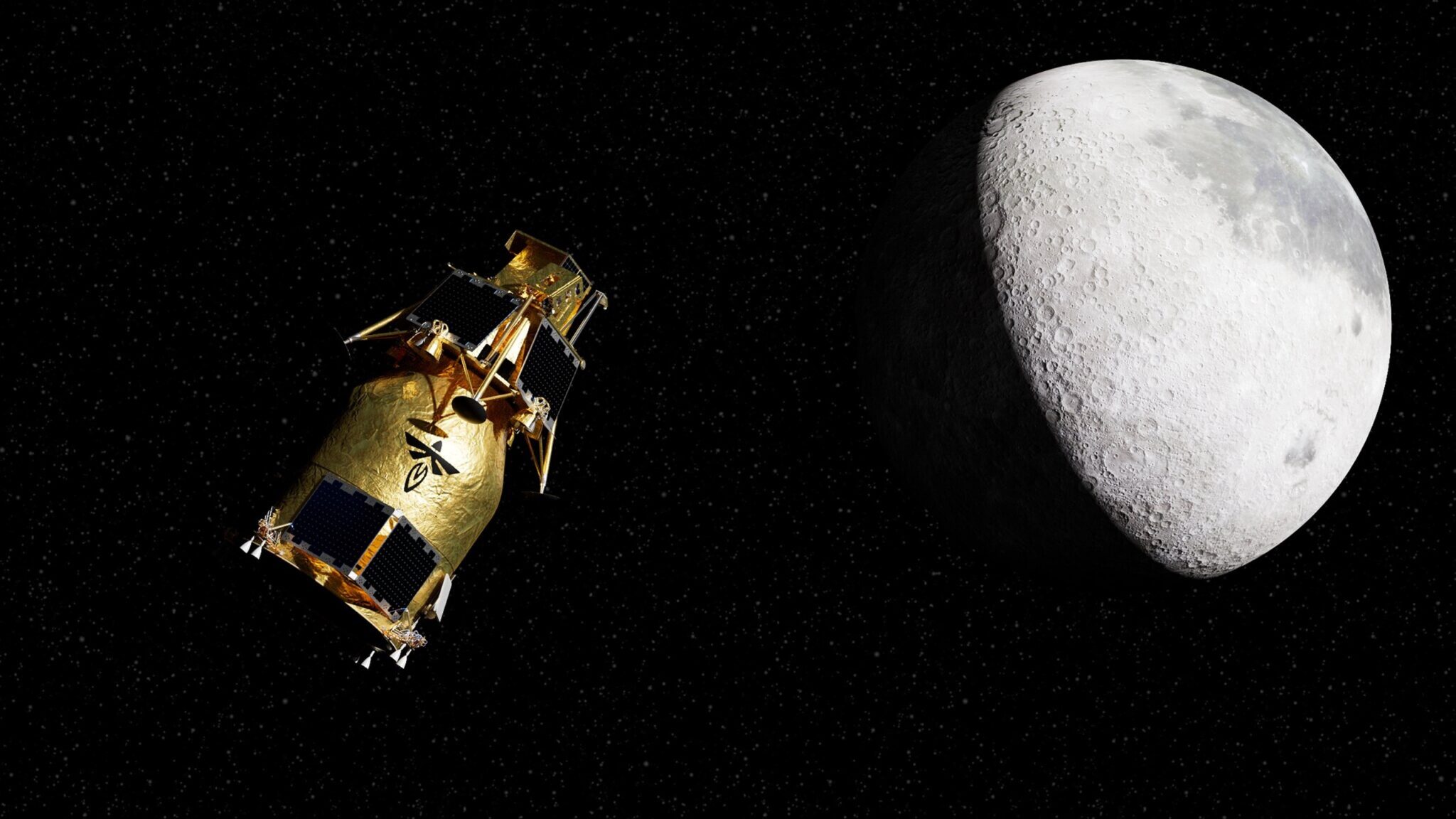
When Firefly Aerospace’s Blue Ghost Mission 1 landed on the moon in March 2025, the lander downlinked nearly 120 gigabytes of raw data back to Earth — imagery and video captured by onboard cameras that scientists are still processing today.

The company’s next lunar mission, Blue Ghost Mission 2 — targeted for launch in late 2026 — will carry Firefly’s Ocula moon imaging service, marking the first time the NVIDIA Jetson edge AI platform has operated in lunar orbit.

On Blue Ghost Mission 1, Firefly captured the first HD imagery of the lunar sunset from the moon, which helped researchers understand how lunar regolith reacts to solar influences and creates a lunar horizon glow, a phenomenon originally documented by Apollo 17 astronaut Eugene Cernan. Video courtesy of Firefly.

This time, rather than sending massive volumes of raw data home for processing that takes weeks or months, Ocula will run AI algorithms directly on orbit, using Jetson to extract critical insights and transmit only the most relevant information — based on customer need — back to Earth in near real time, vastly reducing latency and costly downlink. 

For Blue Ghost Mission 2, a lunar lander will separate and descend to the far side of the moon — carrying science and technology instruments including a radio telescope — in support of NASA-funded, UC Berkeley-led research to detect faint signals from the cosmic Dark Ages shortly after the Big Bang. 

Meanwhile, Firefly’s Elytra spacecraft will continue orbiting the moon for its five-year mission, running Ocula and its NVIDIA Jetson AI-powered processing chain.
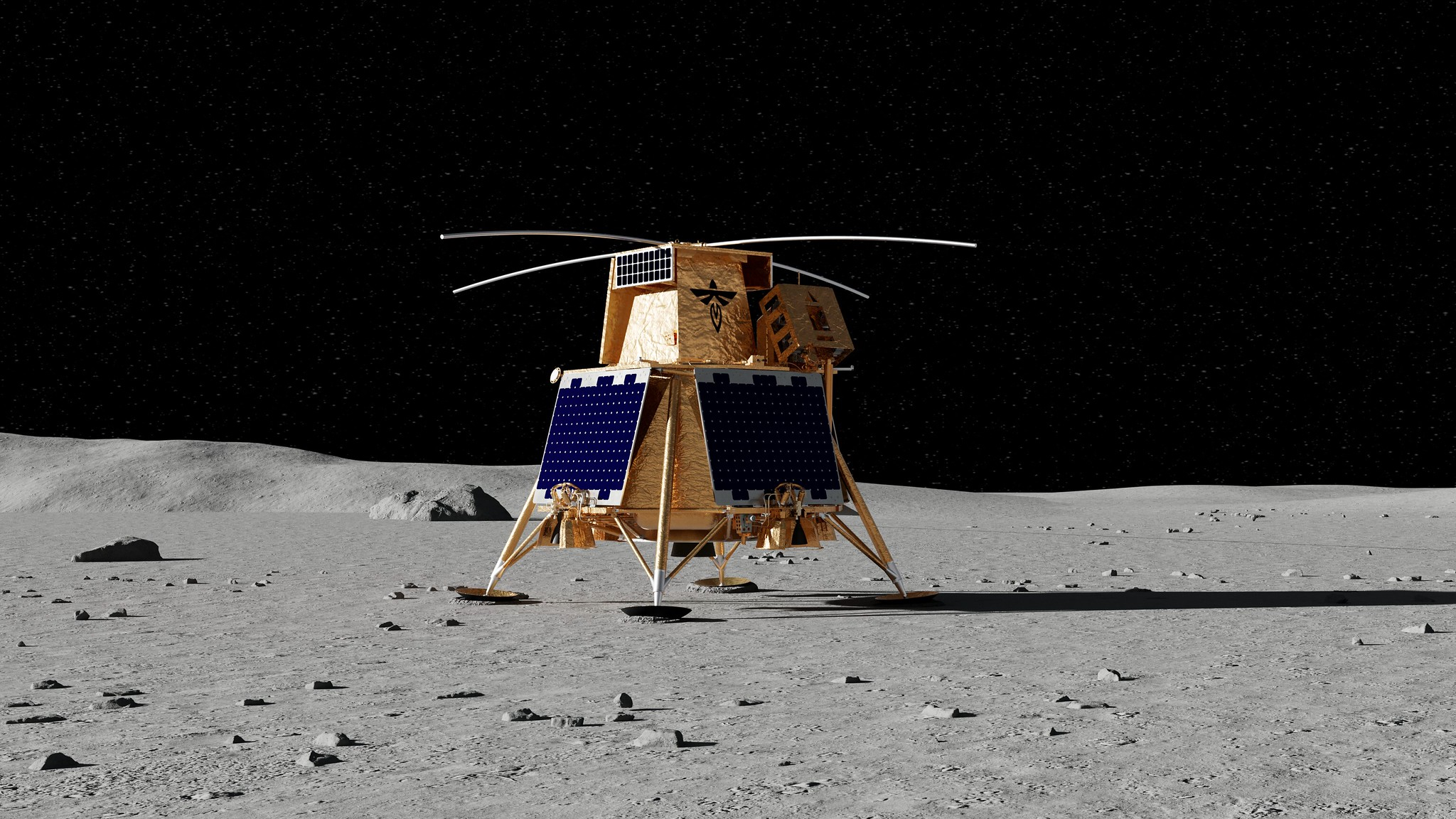
A rendering of the Blue Ghost Mission 2 lander on the lunar surface. Image courtesy of Firefly.

“Our vision is to continue lighting the path to a bold space ecosystem that expands humanity’s future,” said Jason Kim, CEO of Firefly Aerospace, which is a member of the NVIDIA Inception program for cutting-edge startups and based in Austin, Texas. 

“We believe in a future where all AI processing and sensing will happen in space,” he added. “It’s like the transatlantic cables that connect the continents on Earth to enable the internet — we want to do that same kind of thing in space: connect all these different orbital constellations to enable something greater than any individual constellation.”
Processing at the Speed of Discovery

Traditionally, space-based sensing follows a slow pipeline: Sensors collect data and downlink it over constrained and latent radio bandwidth. Then, traditional CPU-based terrestrial processing takes days or weeks to gain valuable insights. 

By running AI inference directly on orbit with NVIDIA Jetson, Firefly can dramatically compress that timeline.

High-resolution telescopes, built by Lawrence Livermore National Laboratory and embedded with an NVIDIA Jetson module, were delivered to Firefly’s spacecraft facility and fit-checked on Firefly’s Elytra spacecraft in April to enable the Ocula lunar imaging service. Video courtesy of Firefly.

The Ocula sensor will collect imagery across ultraviolet and visible spectrum bands. This data will then be rapidly processed onboard Elytra in lunar orbit and autonomously transmitted back to Earth using the Jetson module — powered in space by solar panels and combined with Firefly’s AI software from its SciTec subsidiary.

“We’re going to be able to do that for the first time in history,” Kim said of on-orbit AI processing around the moon. 

Imaging the Lunar Frontier

Ocula supports a range of use cases that will ultimately help humans explore the vast possibilities of space.

It can map lunar landing sites for future human and robotic missions using high-resolution imagery with fine-grained surface details. 

On Blue Ghost Mission 1, Firefly captured the first HD imagery and video of a moon landing. Video courtesy of Firefly.

It can detect unique lunar mineral compositions such as ilmenite that could prove vital for future energy applications.

And as more nations and companies seek to establish a presence on the lunar surface, Ocula can provide situational awareness of infrastructure, vehicles and operations occurring on the moon. 

In the broader cislunar domain — the vast region of space between Earth and the moon — the service can track objects and monitor space operations.
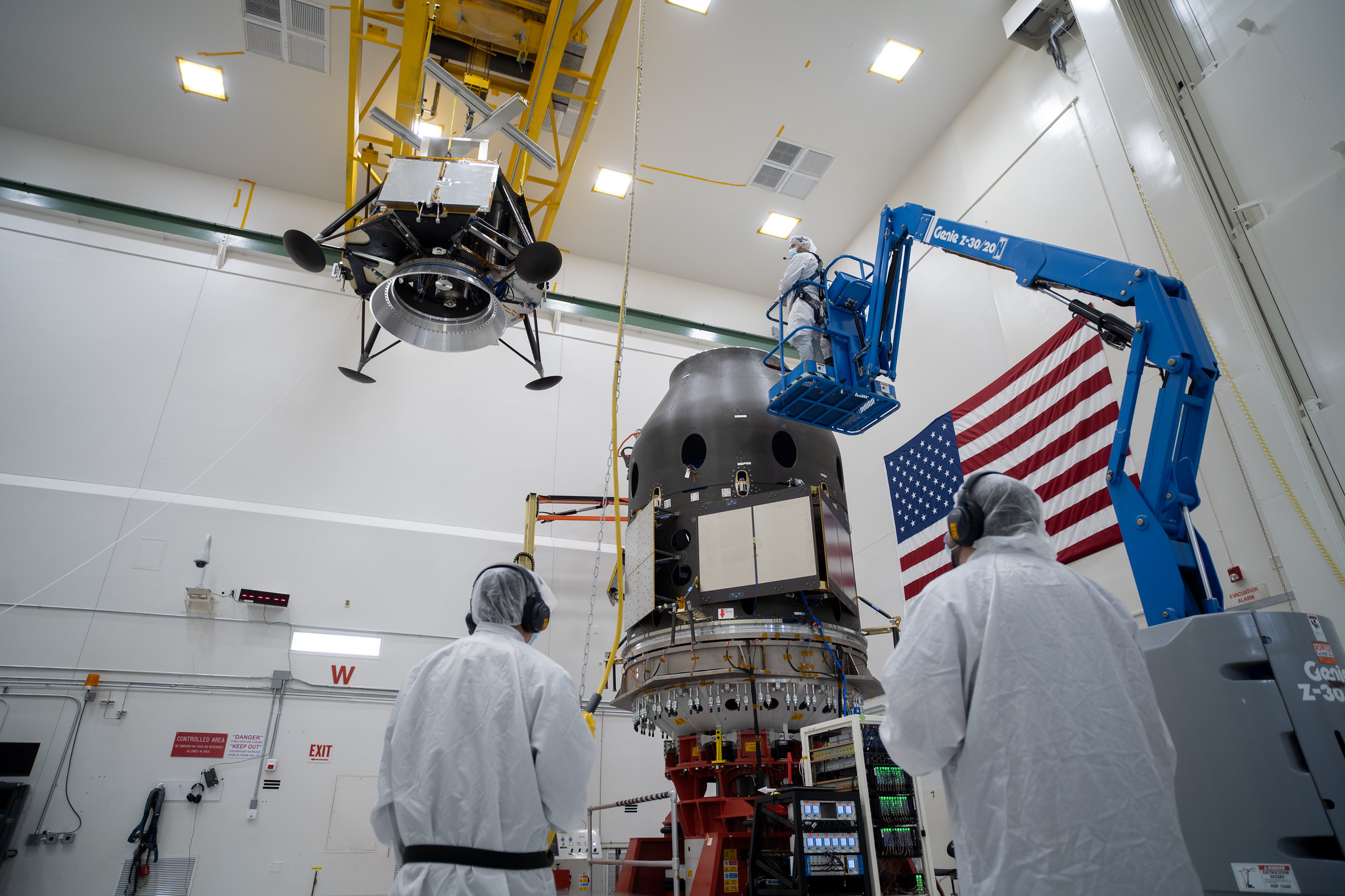
Blue Ghost Mission 2 structure testing at NASA’s Jet Propulsion Laboratory. Image courtesy of NASA/JPL-Caltech.

Building the Lunar Ecosystem

Firefly plans to fly Ocula sensors on subsequent Blue Ghost missions, iterating on the technology with each launch and taking advantage of newer NVIDIA platforms — such as the NVIDIA Space-1 Vera Rubin Module — as they become available. 
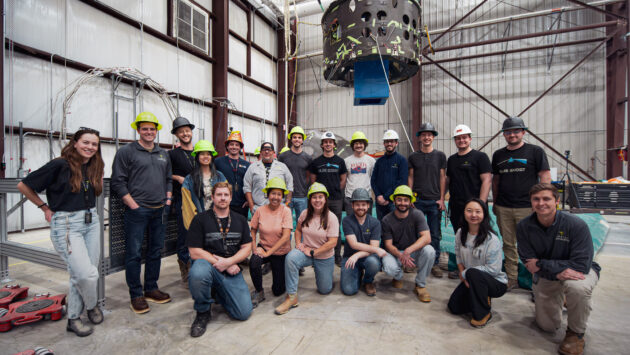
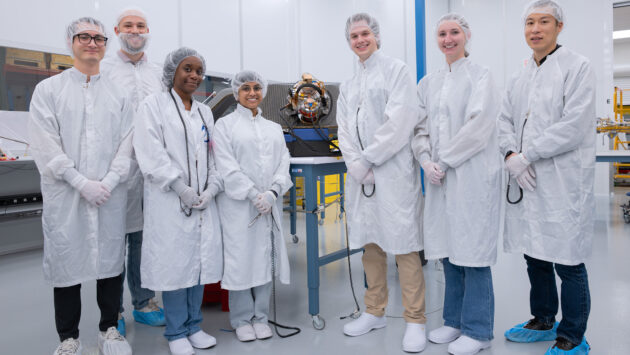
Blue Ghost Mission 2’s separation test team and Ocula sensor delivery, testing and integration team. Images courtesy of Firefly.

Customers harnessing Firefly’s lunar data insights range from NASA and the U.S. Space Force to space, mining and energy companies looking to provide power and resources from the moon — as well as potentially establish a permanent lunar presence.
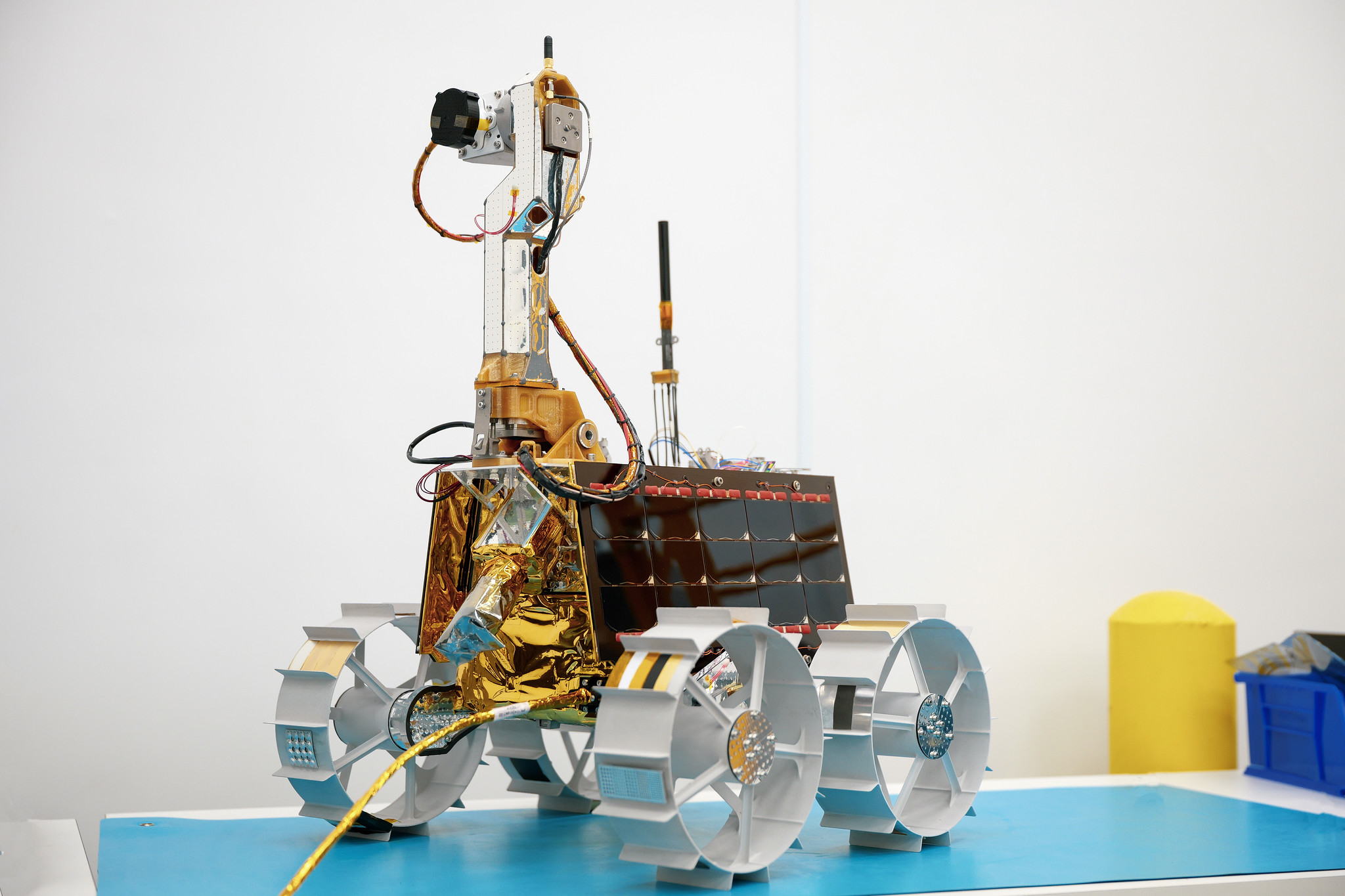
The Rashid Rover 2 that will fly onboard Blue Ghost Mission 2. Image courtesy of Firefly.

With NASA planning approximately 30 robotic lander missions in the coming years, Kim explained, the cadence of opportunities to advance on-orbit AI is accelerating.

“The way to predict the future is to manifest it,” Kim said. “That’s what we’re doing right now. We’re saying, hey, this is the future. And we’re making it happen.”

Learn more about NVIDIA space computing technologies and the NVIDIA Jetson platform for edge AI and robotics.