
惯性聚合 高效追踪和阅读你感兴趣的博客、新闻、科技资讯
阅读原文 在惯性聚合中打开

推荐订阅源

Engineering at Meta
Engineering at Meta
雷峰网
雷峰网
freeCodeCamp Programming Tutorials: Python, JavaScript, Git & More
B
Blog
Y
Y Combinator Blog
WordPress大学
WordPress大学
Microsoft Azure Blog
小众软件
小众软件
G
Google Developers Blog
云风的 BLOG
云风的 BLOG
罗磊的独立博客
博客园 - 三生石上(FineUI控件)
博客园 - 叶小钗
钛媒体:引领未来商业与生活新知
钛媒体:引领未来商业与生活新知
量子位
The Cloudflare Blog
T
The Blog of Author Tim Ferriss
博客园_首页
B
Blog RSS Feed
Hugging Face - Blog
Hugging Face - Blog
IT之家
IT之家
阮一峰的网络日志
阮一峰的网络日志
L
LangChain Blog
宝玉的分享
宝玉的分享

Ubergizmo

Motorola Launches Its Most Fashionable Flip Phone Lineup Yet: New Razr Ultra (2026), Razr Plus (2026), And Razr (2026), Are Robots Coming For Airport Jobs? Japan Airlines Testing Humanoids Apple Introduces Commitment-Based Monthly Subscriptions For The App Store No Google Drive Or iCloud! WhatsApp Reportedly Developing Independent Cloud Backup Infrastructure OnePlus Ace 6 Ultra Launches With 8,600mAh Battery And 165Hz Gaming Display Adobe Launches Firefly AI Assistant To Automate Workflows Across Photoshop And Premiere The AI Did Not Go Rogue. The Company Gave It Too Much Access Leica Announces M-A Hammertone Limited Edition For 20th Anniversary Vivo Y600 Pro Announced With Massive 10,200 mAh Battery And 1.5K OLED Display AI Was Supposed To Cut Costs. Now Some Companies Say It Costs More Than Workers Will AI Data Centers Make Power Bills Worse? A Massive Utah Project Shows Why People Are Worried Google Workspace Redesign: 13 New App Icons Feature Modern Gradient Look MediaTek Dimensity 7450 And 7450X Announced With 200MP Support And AI for Mid-Range Phones Microsoft Looks Ready To Stop Forcing Windows Updates At The Worst Time Tesla Cybercab Production Starts For Elon Musk’s Autonomous Robotaxi BYD Yangwang U8L Dingzang Edition: Ultra-Luxury SUV With Zero-Gravity Seats XChat Standalone Messaging App Launches For X Users On iPhone And iPad Pokémon Scarlet And Violet Players Can Download A Free Chesnaught Raid Event Until April 30 Geely Eva Cab Robotaxi, An AI-Powered Autonomous EV With 4ms Reaction Time New Honor MagicPad 3 Pro 12.3 Debuts Bringing 165Hz OLED Screen And Snapdragon 8 Gen 5 LPDDR6 RAM: Faster, Smarter Memory For The Next Generation Of Tech OpenAI Introduces Workspace Agents: Autonomous Collaboration For ChatGPT Teams Xbox Cut Game Pass Prices But Ended Day-One Call of Duty Access Govee Launches $99.99 Solar String Lights for Smart Backyard Lighting Insta360 Updates Flow 2 Series Gimbals With Enhanced Android Support And Apple Integration Microsoft Integrates Advanced “Agent Mode” With AI Into Word, Excel And PowerPoint Volkswagen Jetta Concept X Unveiled: A Strategic Electric Shift Under 15,000 USD DJI Unveils New Entry-Level Lito Drone Series: 48 MP, 4K Video, ActiveTrack And More Fitbit Enhances Sleep Score With Deep Analytics And Digital Coaching Threads Introduces Live Chats for Real-Time Event Interaction
Goodbye, Windows! SteamOS 3.9 Brings Official Support For...
Paulo Monten · 2026-04-26 · via Ubergizmo

Valve has quietly released SteamOS 3.9, a version that marks a significant structural shift for the operating system. While previous updates focused almost exclusively on the Steam Deck, this latest iteration broadens the software’s scope to target a much larger hardware ecosystem.
Expanded Hardware Compatibility

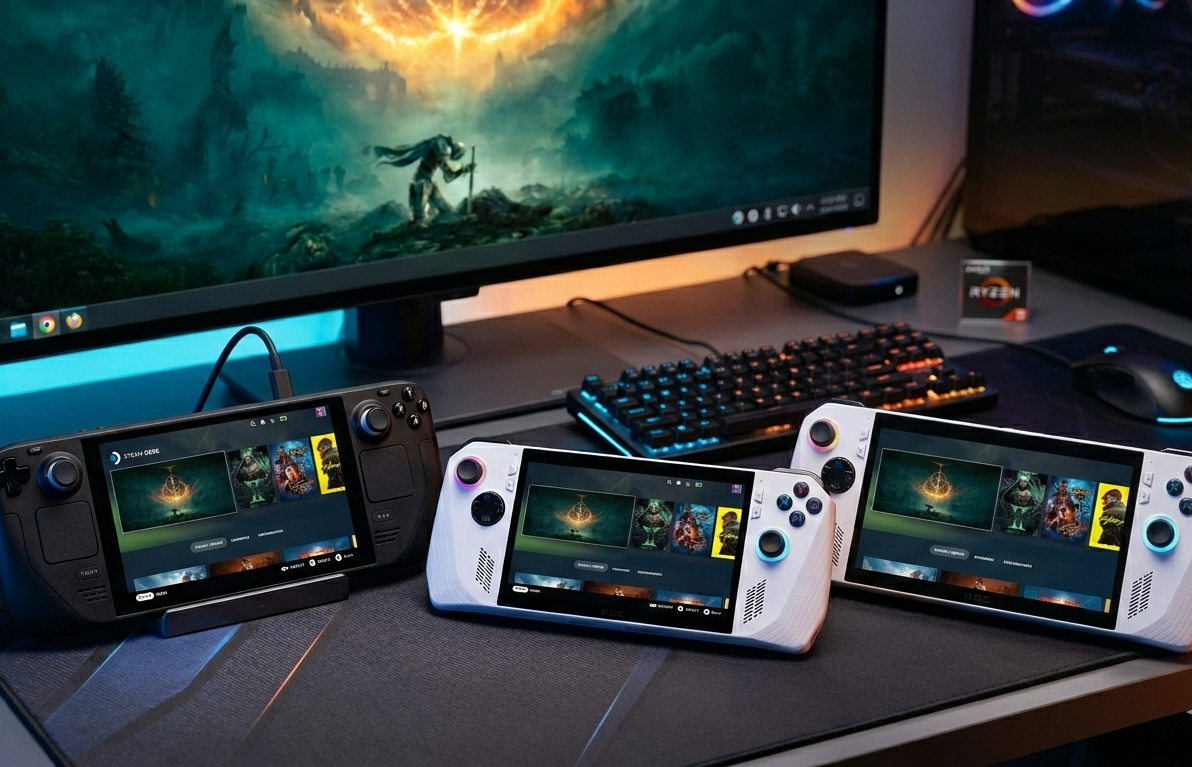
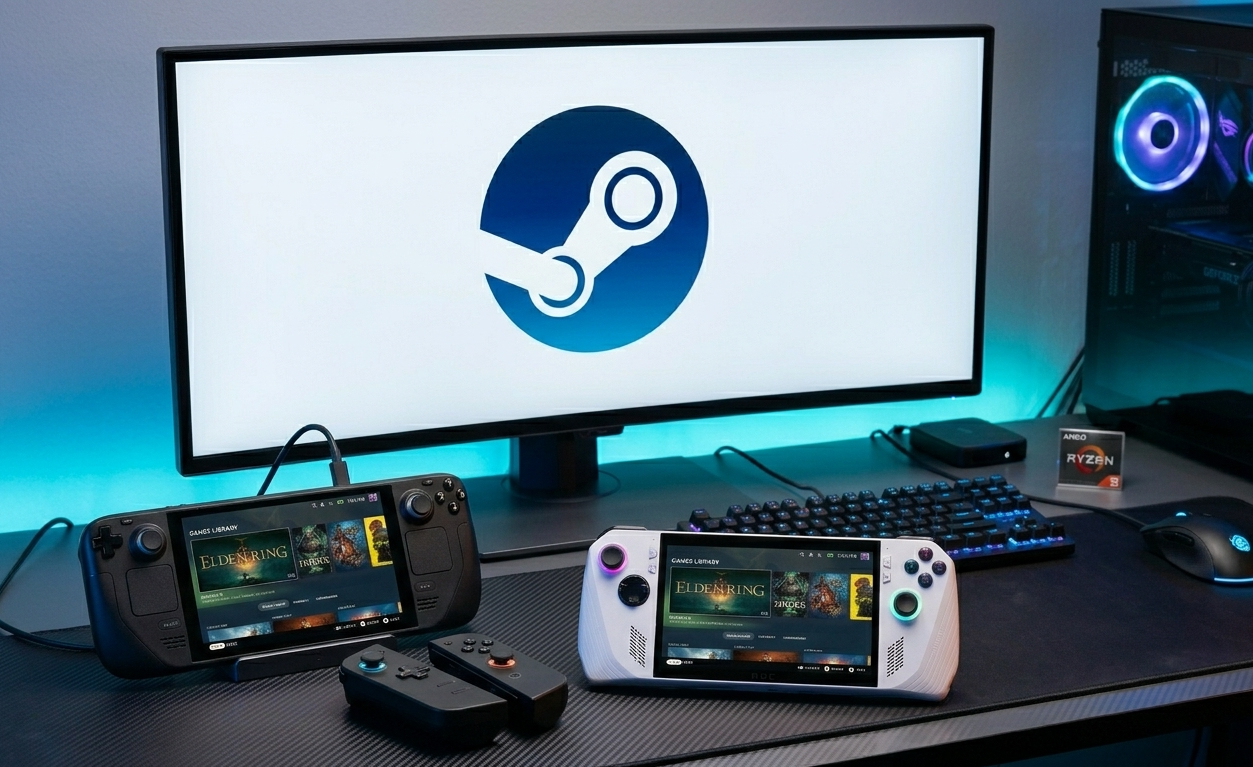
The central feature of SteamOS 3.9 is official support for handheld devices powered by AMD chips. This includes popular competitors such as the ASUS ROG Ally and Lenovo Legion Go. Previously, users of these devices had to rely on community-made forks or unofficial versions of the OS to escape the Windows environment. By offering direct integration, Valve is removing technical barriers and positioning SteamOS as a universal platform for portable gaming hardware.
Technical Improvements and Features

Like XDA mentions, for existing Steam Deck owners, the visual changes are minimal, but the internal refinements are substantial. The update introduces a true hibernation mode, enhanced Bluetooth audio performance, and significant optimizations for High Dynamic Range (HDR) and Variable Refresh Rate (VRR), particularly when the device is docked.

In the desktop environment, which is based on KDE Plasma, the system now features improved HDR support, better display scaling, and more consistent management of multi-monitor setups. These adjustments suggest that Valve is elevating the desktop mode from a secondary utility to a core component of the user experience.

Strategic Implications

Currently in the “preview” stage, SteamOS 3.9 signals a strategic pivot toward the long-rumored return of the Steam Machine concept. By stabilizing AMD hardware compatibility and refining the docked experience, Valve is building a foundation for PC gaming that rivals the simplicity of home consoles.

This expansion also poses a direct challenge to Microsoft. While Microsoft has attempted to optimize Windows for gaming handhelds, the specialized, lightweight nature of SteamOS offers a more streamlined experience. As Valve expands its software presence, it secures a foothold in the hardware market that does not depend solely on its own manufacturing capabilities, allowing the OS to thrive across a diverse range of third-party devices.