惯性聚合 高效追踪和阅读你感兴趣的博客、新闻、科技资讯
阅读原文 在惯性聚合中打开

推荐订阅源

WordPress大学
WordPress大学
Microsoft Azure Blog
aimingoo的专栏
aimingoo的专栏
Vercel News
Vercel News
U
Unit 42
L
LangChain Blog
J
Java Code Geeks
钛媒体:引领未来商业与生活新知
钛媒体:引领未来商业与生活新知
The Cloudflare Blog
F
Fortinet All Blogs
小众软件
小众软件
I
InfoQ
P
Proofpoint News Feed
D
DataBreaches.Net
Martin Fowler
Martin Fowler
H
Help Net Security
T
Tailwind CSS Blog
N
Netflix TechBlog - Medium
有赞技术团队
有赞技术团队
Y
Y Combinator Blog
Recent Announcements
B
Blog RSS Feed
酷 壳 – CoolShell
酷 壳 – CoolShell
B
Blog

PYMNTS.com

Treasury Calls for Programmable Financial Enforcement Across Crypto DeepSeek Seeks $20 Billion Valuation as Tech Giants Weigh Investment Google Accelerates Agentic AI Shift With New Enterprise Platform OpenAI Begins Briefing Governments on Cybersecurity Capabilities DeFi Security Suffers New Blow With $3 Million Volo Exploit Uninvited Users Access Anthropic’s Mythos AI Model Block and Uber Expand Partnership Across Several Global Markets OpenAI Pledges $1.5 Billion to PE Enterprise AI Project Podcast: Inside the $9 Billion DeFi Hack That’s Shaking Crypto’s Foundations Synchrony CFO Flags Momentum in Spending and Credit Banks Risk Slowing the Emerging Middle Market Firms Driving Growth Paysafe Expands Digital Wallet Availability Across 18 European Markets Bad Data Can Break Good AI in Payments 50% More Digital Shopping Days Put Parents at the Center of Retail’s Shift 65% Call Insurance Essential. Why Most Spending Isn’t So Clear-Cut Amazon Recasts Marketplace Fraud as a Broader Trust Problem Capital One’s Q1 Shifts Attention From Spending to Strategy Lawmakers Question JetBlue About Surveillance Pricing Allegations Small Businesses Stop Chasing Amazon on Delivery Speed Google Embeds AI Into Chrome for 3.5 Billion Users Adobe Plans Outcome-Based Pricing for New AI Product Suite UnitedHealth Spends $1.5 Billion on AI and Wants Double Back MiCA Forces Crypto Firms to Get Licensed or Get Out Prediction Market Kalshi Targets Crypto Perpetuals New York Sues Coinbase and Gemini Over Prediction Markets Amazon and Anthropic Deepen Ties With Investment and Hardware Pact Agentic B2B Is Here. Are Your Contracts and Invoices Ready? Apple Hardware Leader John Ternus to Succeed CEO Tim Cook The Web Is Gaslighting AI Agents and Nobody Can Tell OCC Enters the Interchange Fight and Raises the Stakes
Walmart Eyes Local Products as National Consumer Mood Sours
PYMNTS · 2026-05-01 · via PYMNTS.com

By  |  April 30, 2026

 | 

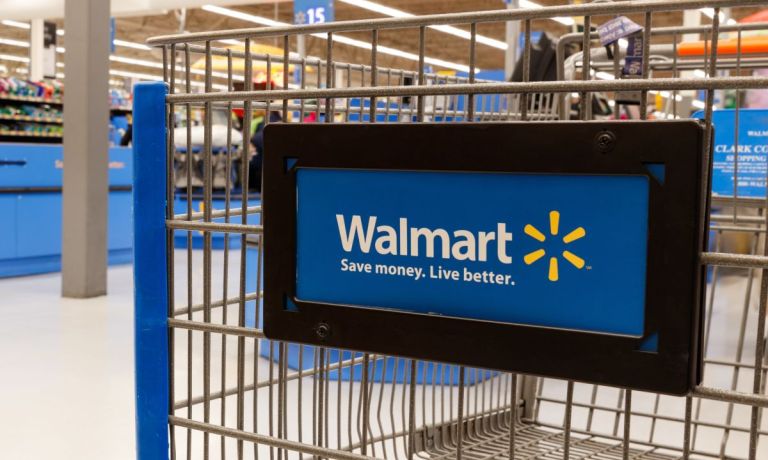
Walmart is reportedly expanding its local product lineup to attract an extremely pinched American consumer.

According to a report Thursday (April 30) from Bloomberg News, this effort is happening in markets such as Florida, where Walmart stores have begun stocking more Cuban-inspired coffee and beans from a local producer. In other states, the company is offering local brands of condiments like mustard and mayonnaise.

The report adds that although regionally sourced items are nothing new, Walmart is aiming to stretch beyond its current assortment and prioritizing this work based on customer response.

A spokesperson for the retail giant told Bloomberg Walmart is melding together technology and merchant expertise to understand which products local customers value, and then quickly getting them on shelves.

Bloomberg notes there’s a balancing act in play: Local products can draw in more customers, but the vendors behind these items are typically smaller and can face more supply chain issues than national brands.

The report also points out retailers are feeling pressured, as rising gas prices and declining consumer sentiment makes consumers more cautious about spending.

Advertisement: Scroll to Continue

In fact, consumer sentiment is now at a historically bad place because of the price of fuel. Last week, the University of Michigan’s Index of Consumer Sentiment fell to the lowest level recorded in its nearly 75-year history due to gas prices.

The connection between the cost of gas and consumer sentiment was seen earlier in the month, when gas prices softened after the announcement of a two-week ceasefire in the U.S-Iran war, followed by a modest uptick in consumer sentiment.

As for Walmart, research by PYMNTS Intelligence shows that the company and rival Amazon are now courting the same shoppers.

“The data shows that Amazon still leads in the fun, non-essential stuff, while Walmart dominates in necessities,” PYMNTS wrote earlier this month.

For example, Amazon captured 35% of consumer spending on sporting goods, hobby items, music and books, while Walmart enjoys 21% of food and beverage spend. However, both retailers are pushing into the other’s territory while also serving as “each other’s best teachers,” the report added.

“What’s changing is how aggressively both retailers are moving beyond those traditional lanes,” Doug Straton, chief marketing officer at Bazaarvoice (and former chief digital officer of Hershey), said in an interview with PYMNTS.

“Walmart is expanding its digital and marketplace capabilities to compete in more discovery-driven categories, while Amazon is pushing further into everyday essentials and repeat purchases.”