


The back of a smartphone has historically been the least interesting real estate on the device. A logo, some camera lenses, and a flat slab of glass or metal. Nothing phones started to change that conversation a few years ago by threading LED strips through their transparent backs to indicate calls, charges, and timers with light patterns. The question since then has been whether anyone else would take the idea further.
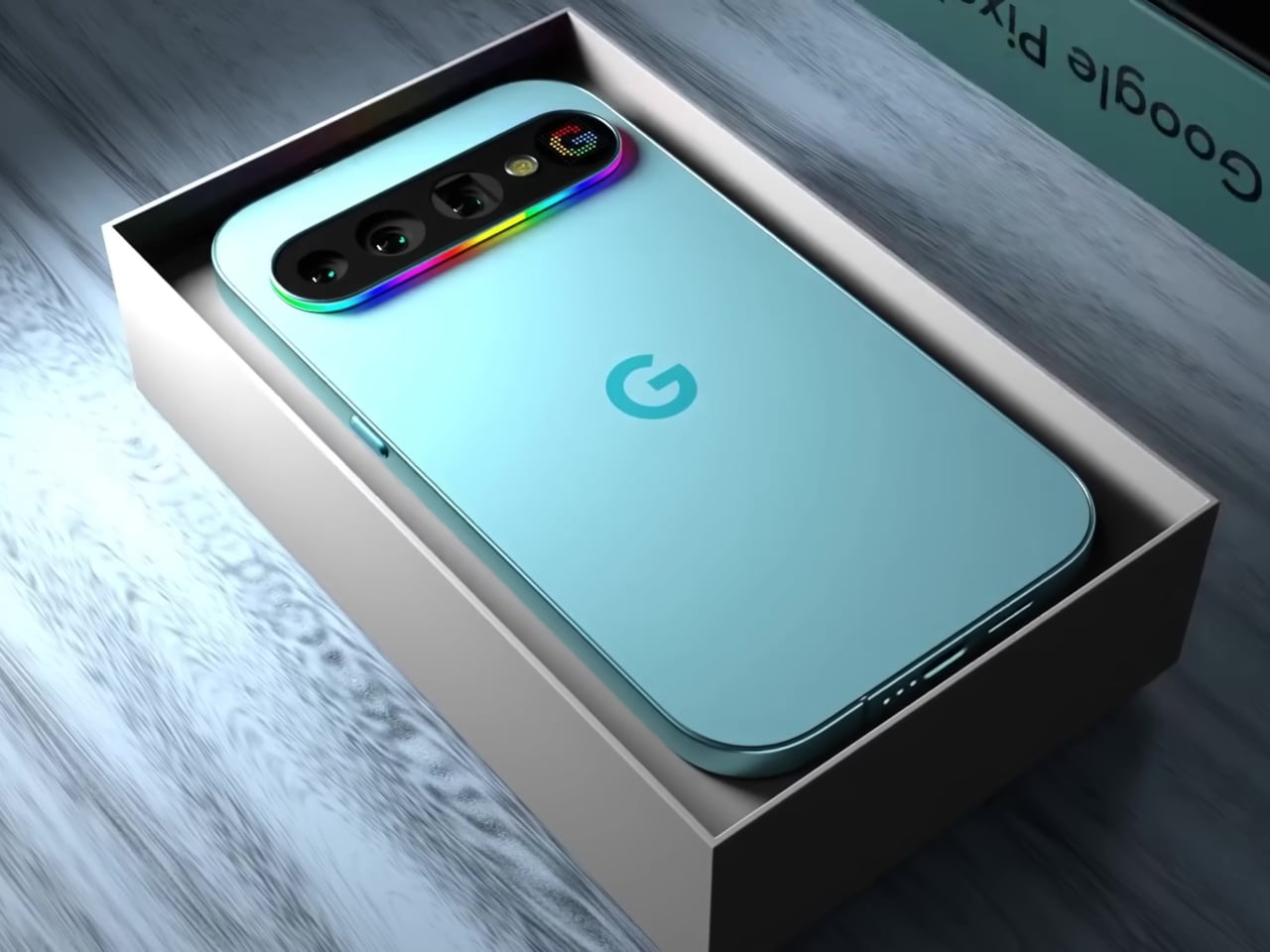
This concept for the Google Pixel 11 Pro imagines exactly that. Built around the Pixel’s signature horizontal pill-shaped camera module, it proposes two distinct types of back-panel feedback: a full-spectrum RGB light strip running around the entire perimeter of the camera bump, and a small dot-matrix display embedded at its right end that can render icons and text in pixel-art style.
Designer: AndroidLeo
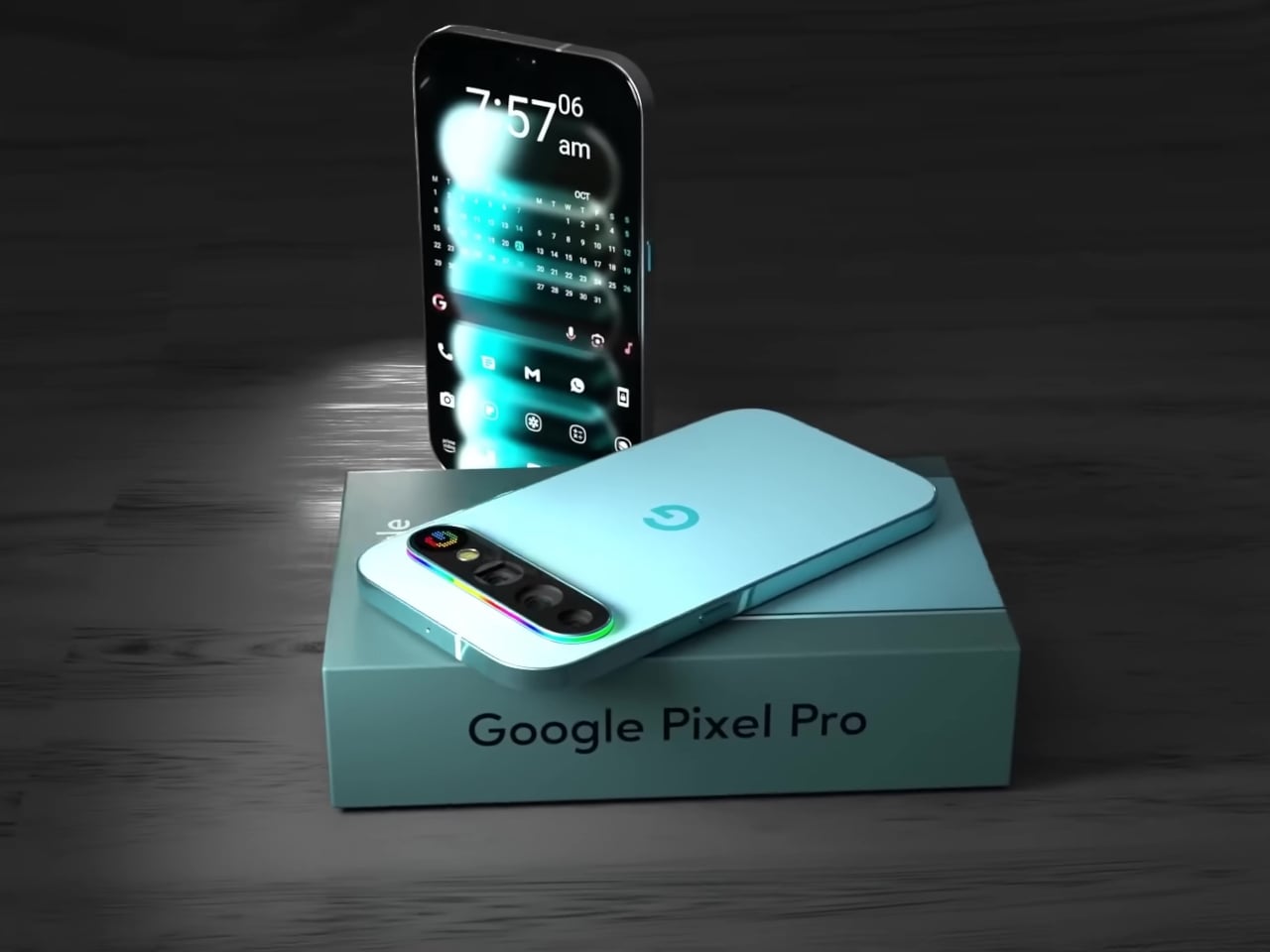
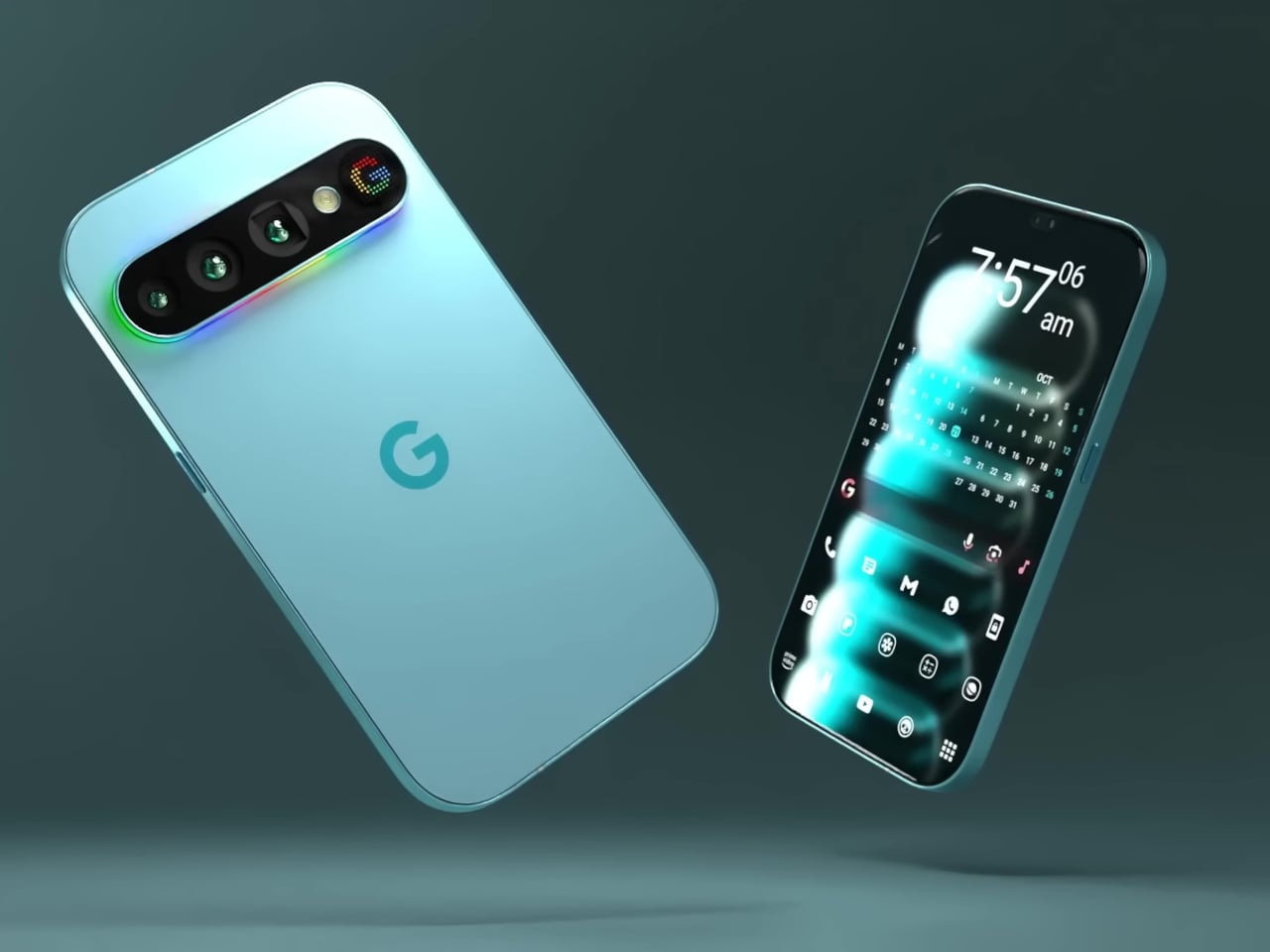
The light strip is the more immediately readable of the two. A continuous loop of addressable LEDs traces the full outline of the pill module, capable of cycling through any color and pattern the software dictates. A missed call could glow one color, a new message another, and a timer nearing its end could pulse differently again, all communicable from across the room without touching the phone.
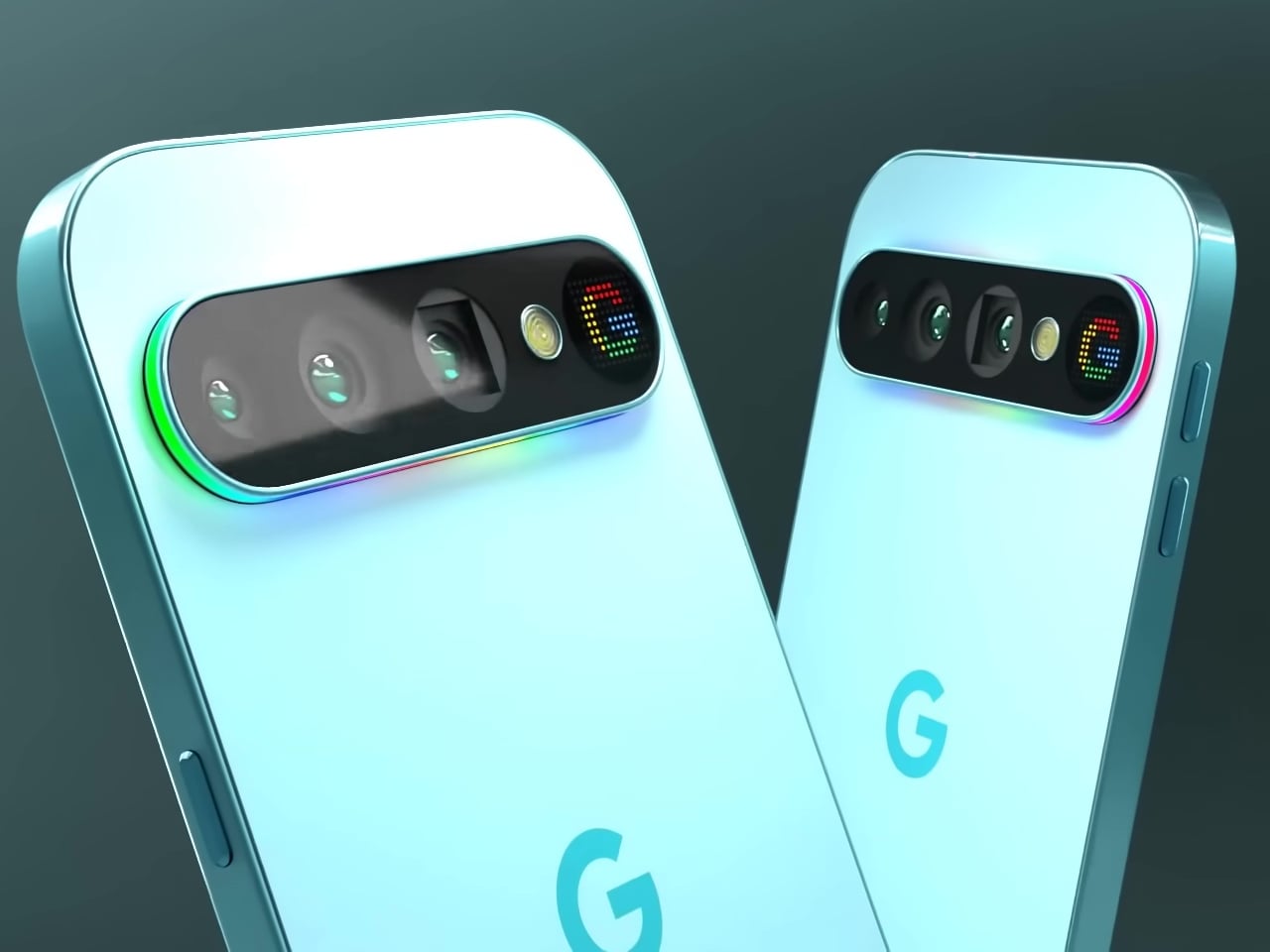
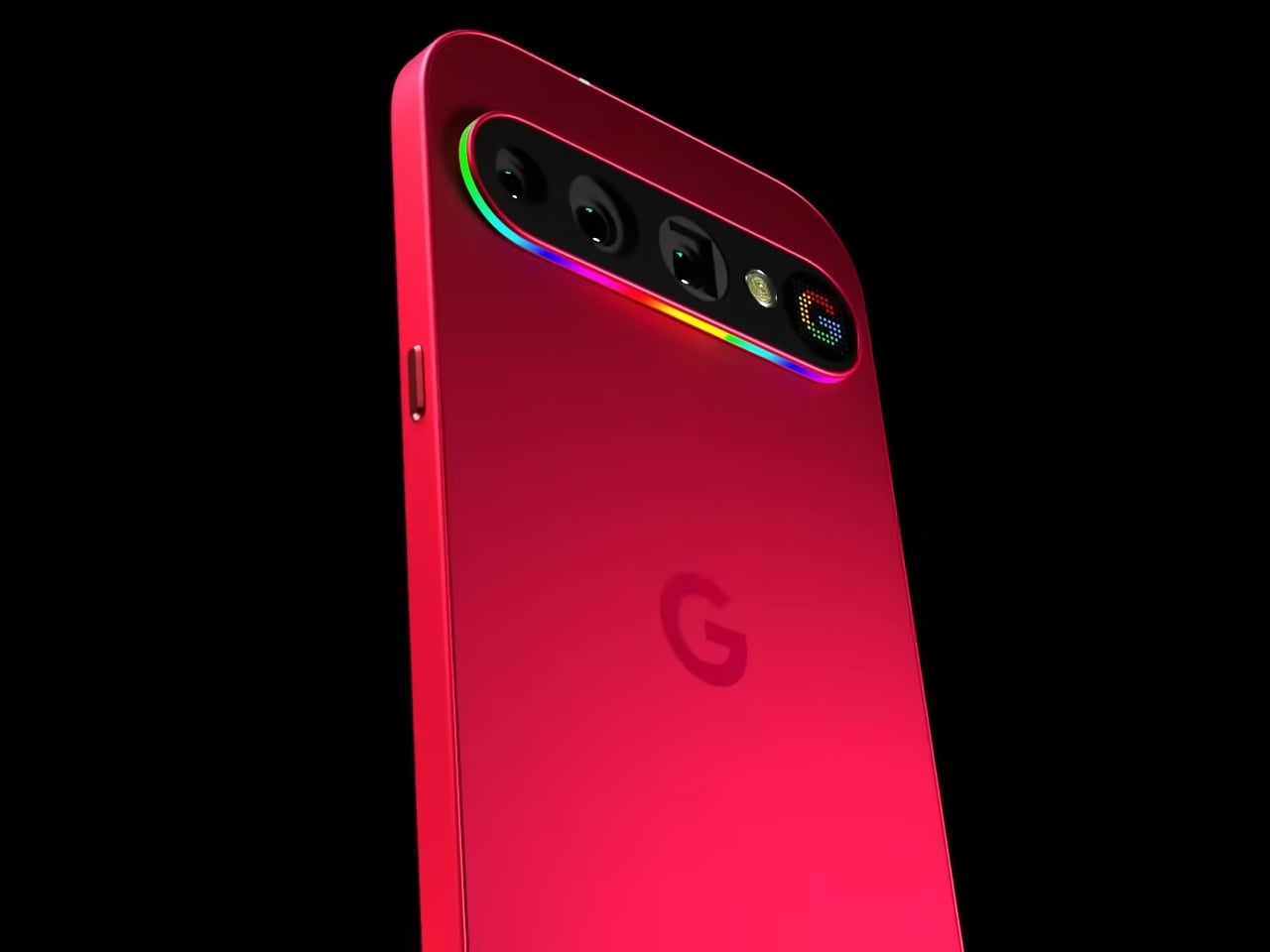
The dot-matrix panel, which the concept labels the “Pixel Display,” takes things a step further. Rather than a single color conveying a signal type, this small grid of colored LEDs can render simple graphics, caller ID icons, app logos, or even short scrolling text. It’s the difference between a traffic light and a small sign, and for a platform with as much software integration as Google’s, the implications are hard to ignore.
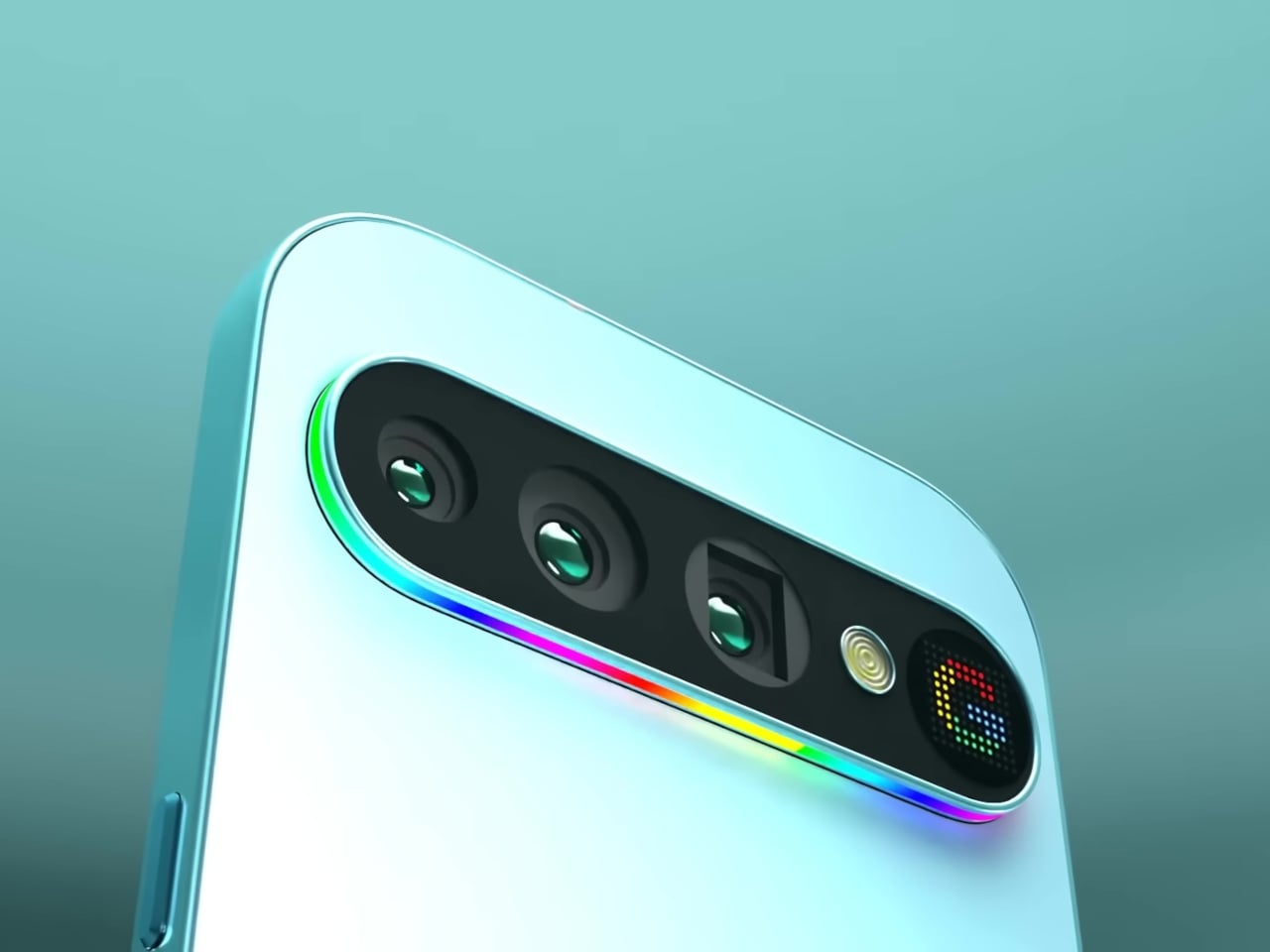
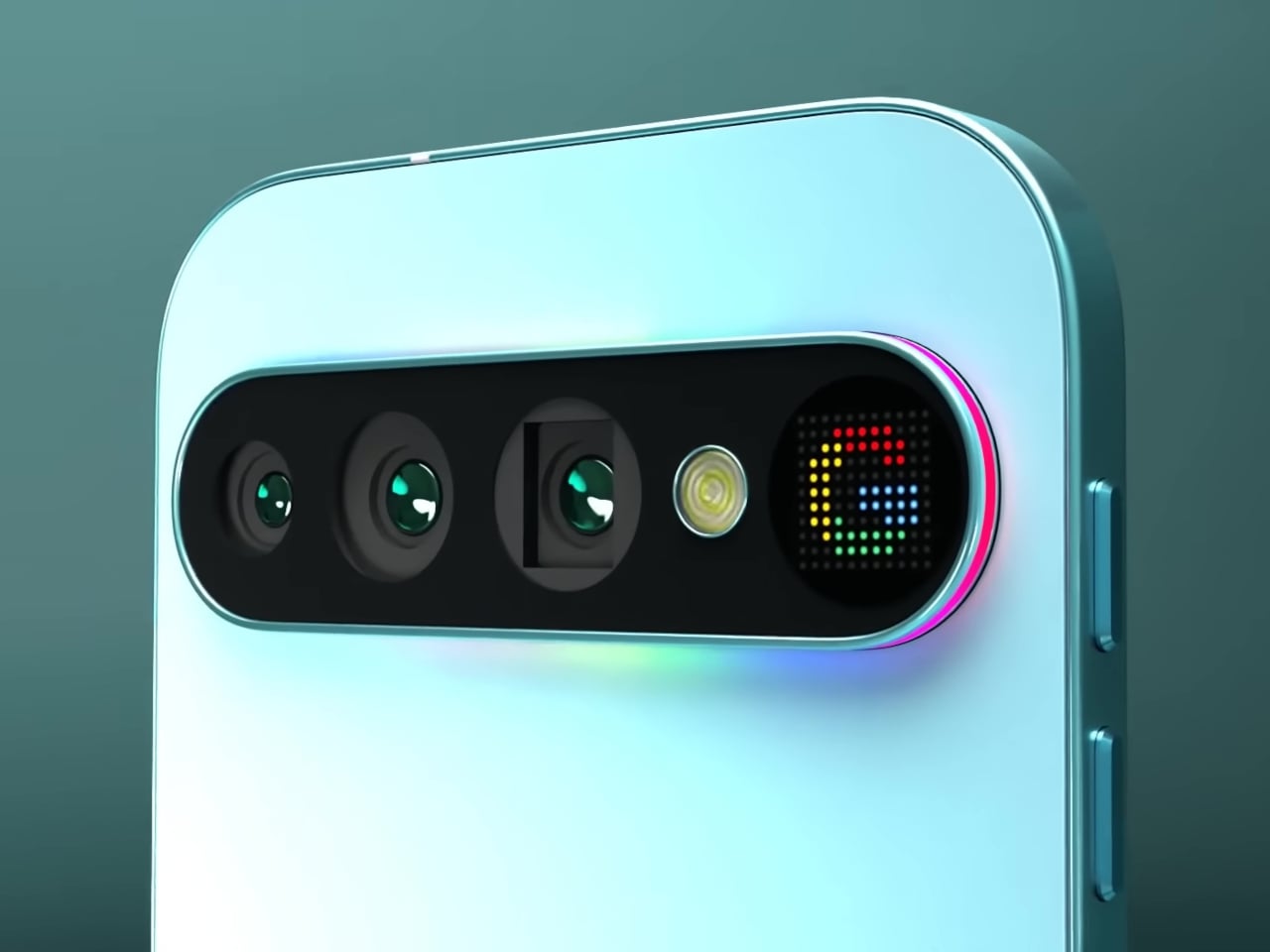
There’s an obvious precedent in Nothing’s Glyph Matrix, which brought a similar dot-matrix concept to Phone (3). That system already lets users assign custom animations to specific contacts and apps, turning the back of the phone into a secondary notification surface. What this Pixel concept adds is the light strip as a companion layer, the two systems working together rather than choosing between ambient mood and readable icon.
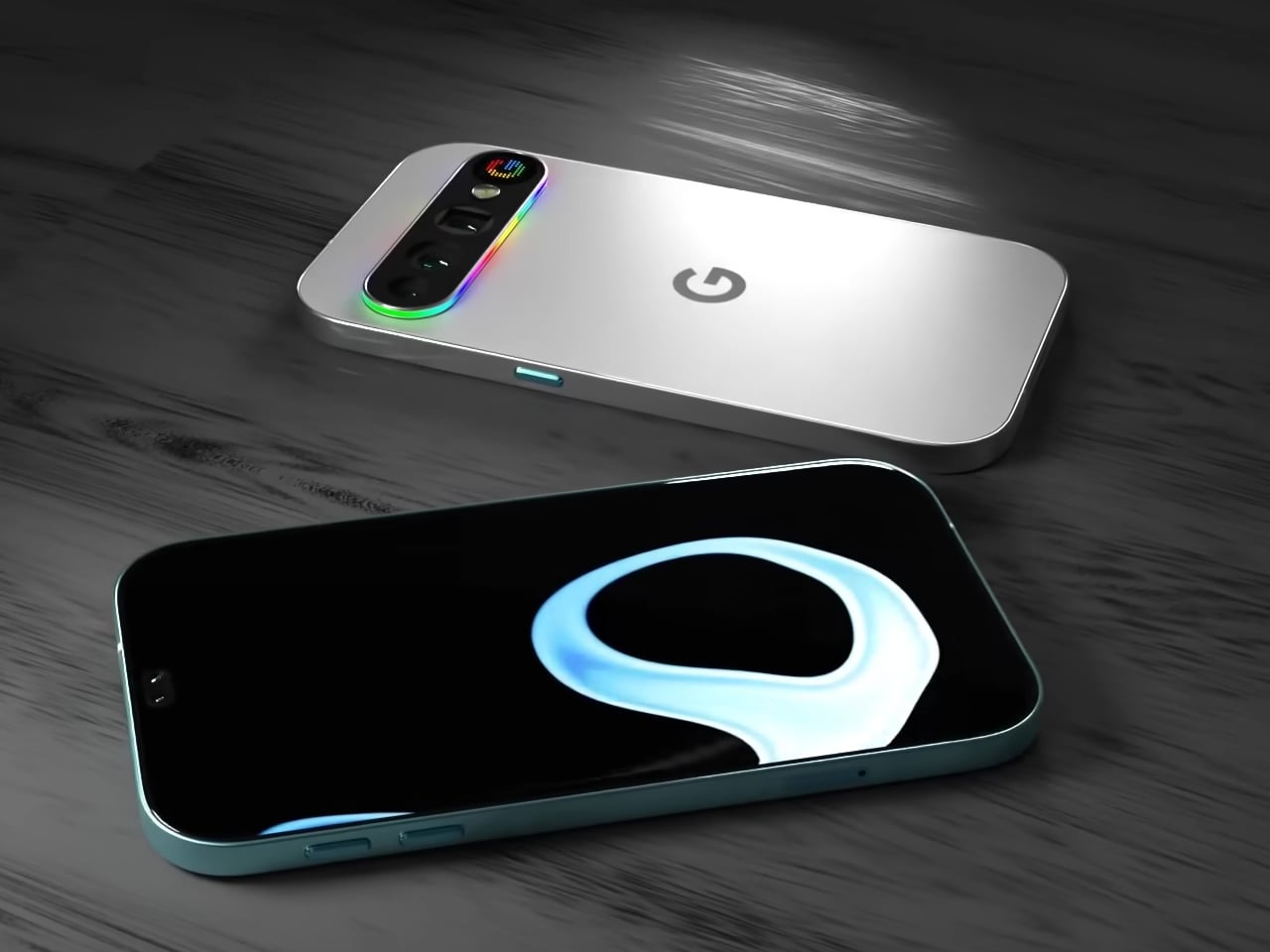
The practical case for this kind of design doesn’t require much imagination. Leave your phone face down on a table, and you will lose all notification awareness. Flip it over, and you get the full attention-grabbing brightness of the main display. A customizable light strip and a small icon panel would let the phone communicate at a much lower intensity, at a glance, rather than a full distraction.
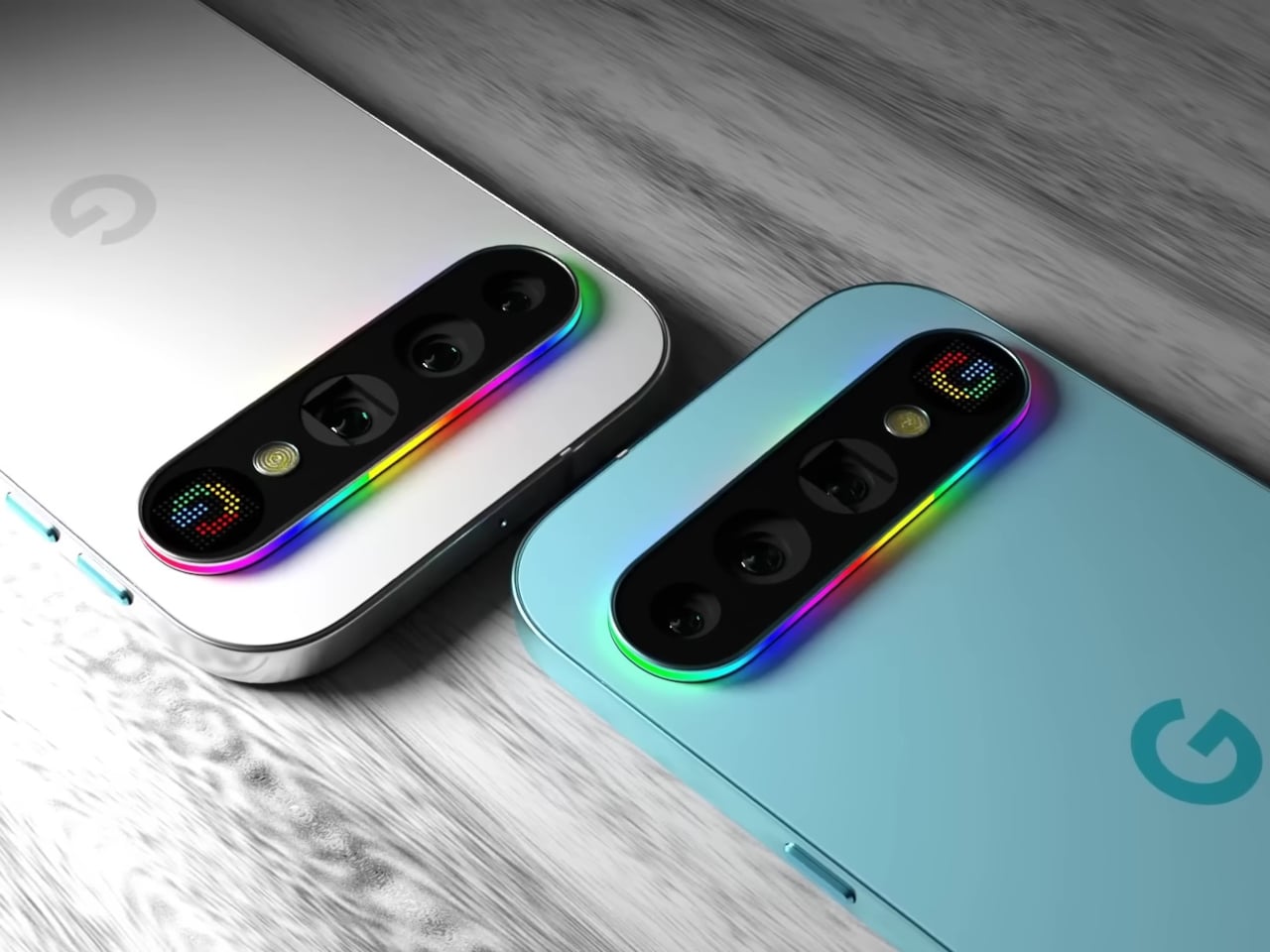
The concept renders the phone in both a pale aqua colorway and Parchment white, giving the full-spectrum strip a different quality in each: cool and vivid against the teal, soft and almost art deco against the white. Either way, the camera bump, typically the most criticized part of Pixel’s evolving design language, becomes something that actually earns its presence.
This is, of course, a fan concept rather than a leaked render or confirmed direction. The real Pixel 11 Pro hasn’t arrived yet, and nothing official confirms either the Pixel Display or the RGB strip. But the appetite for this kind of back-panel intelligence is clearly there, and if Nothing can build a devoted following around light strips alone, the version with two complementary systems and Google’s ecosystem behind it would be something worth watching for.
此内容由惯性聚合(RSS阅读器)自动聚合整理,仅供阅读参考。 原文来自 — 版权归原作者所有。