


The year was 2011. A tsunami slammed into the Japanese coastline, killed more than 20,000 people, and set off the Fukushima nuclear disaster. For most of us, it became a chapter in the news cycle. For French industrial engineer Cédric Choffat, it became an obsession that eventually became a company.
That company is Momentum Technologies, and what they’ve built is called LifePods: a line of portable survival capsules designed for the precise, terrible moment when the infrastructure around you stops working. Not “might stop working someday.” Right now, while you’re still inside.
Designer: Momentum Technologies
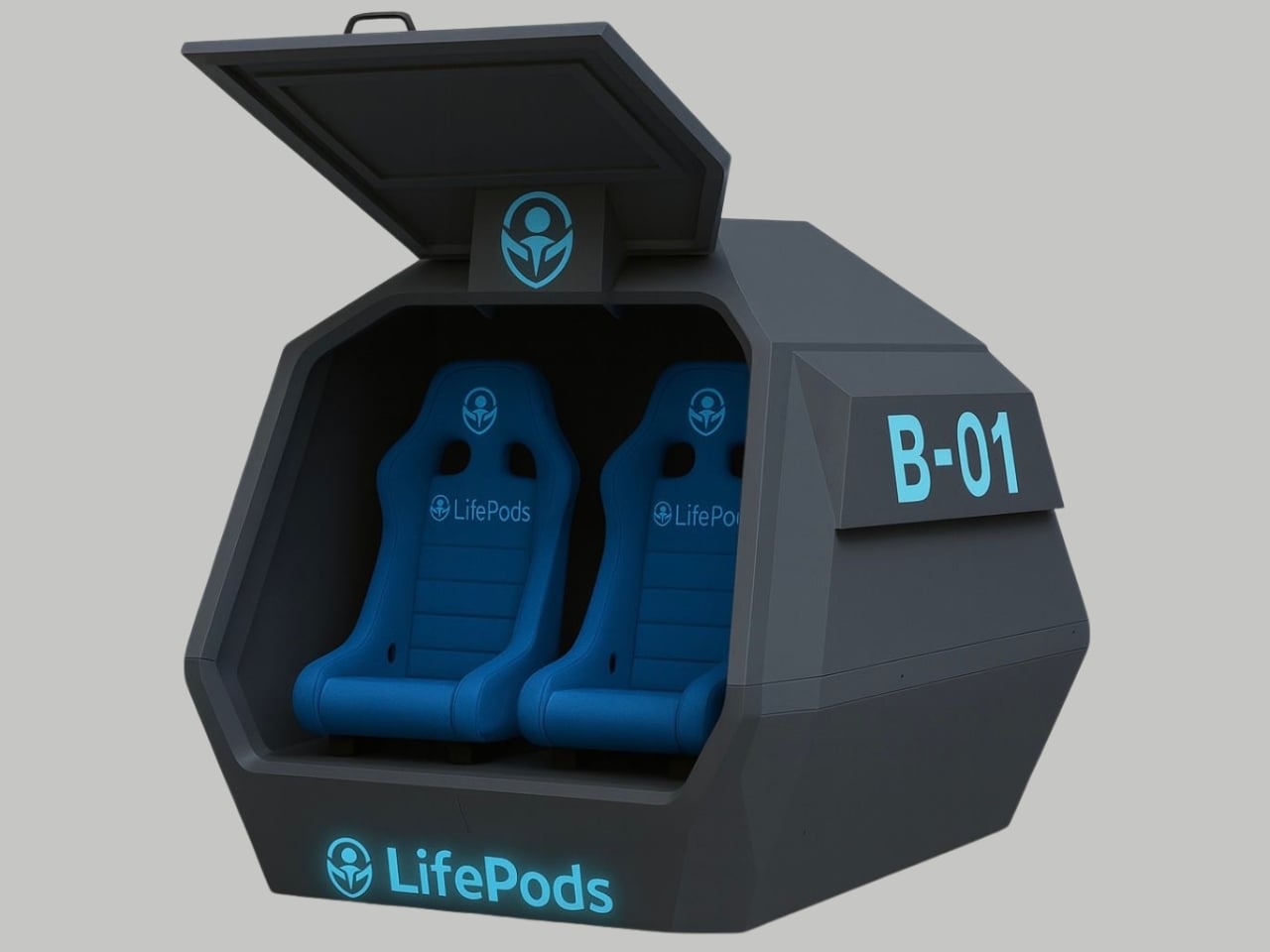
The concept is bluntly simple. You climb in, pull the lever, and the hatch seals in roughly 10 seconds. After that, the pod takes over. No special training required. The entire locking sequence was inspired by vault engineering and professional security hardware, which means if you can close a bank safe, you can operate one of these.
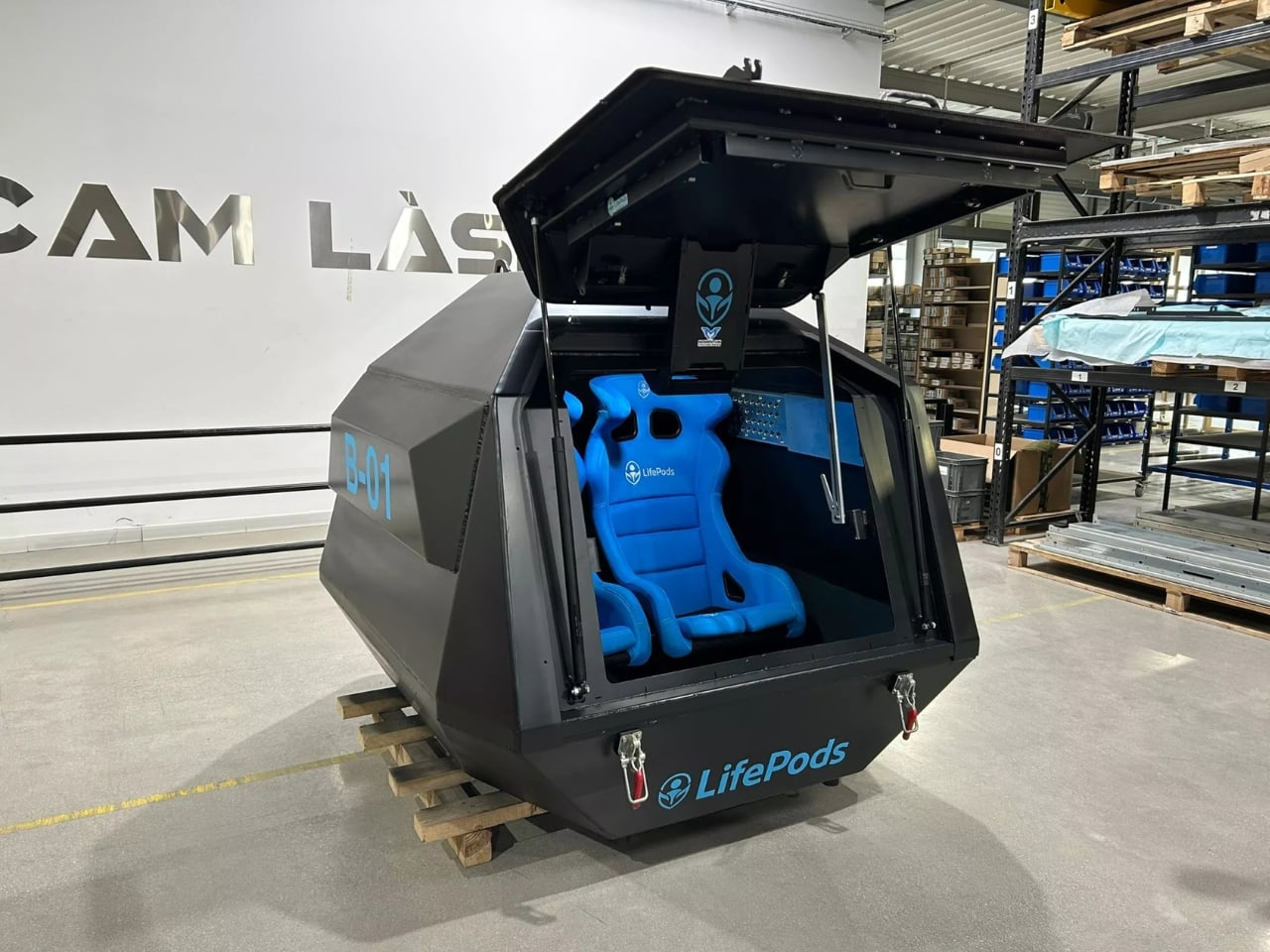
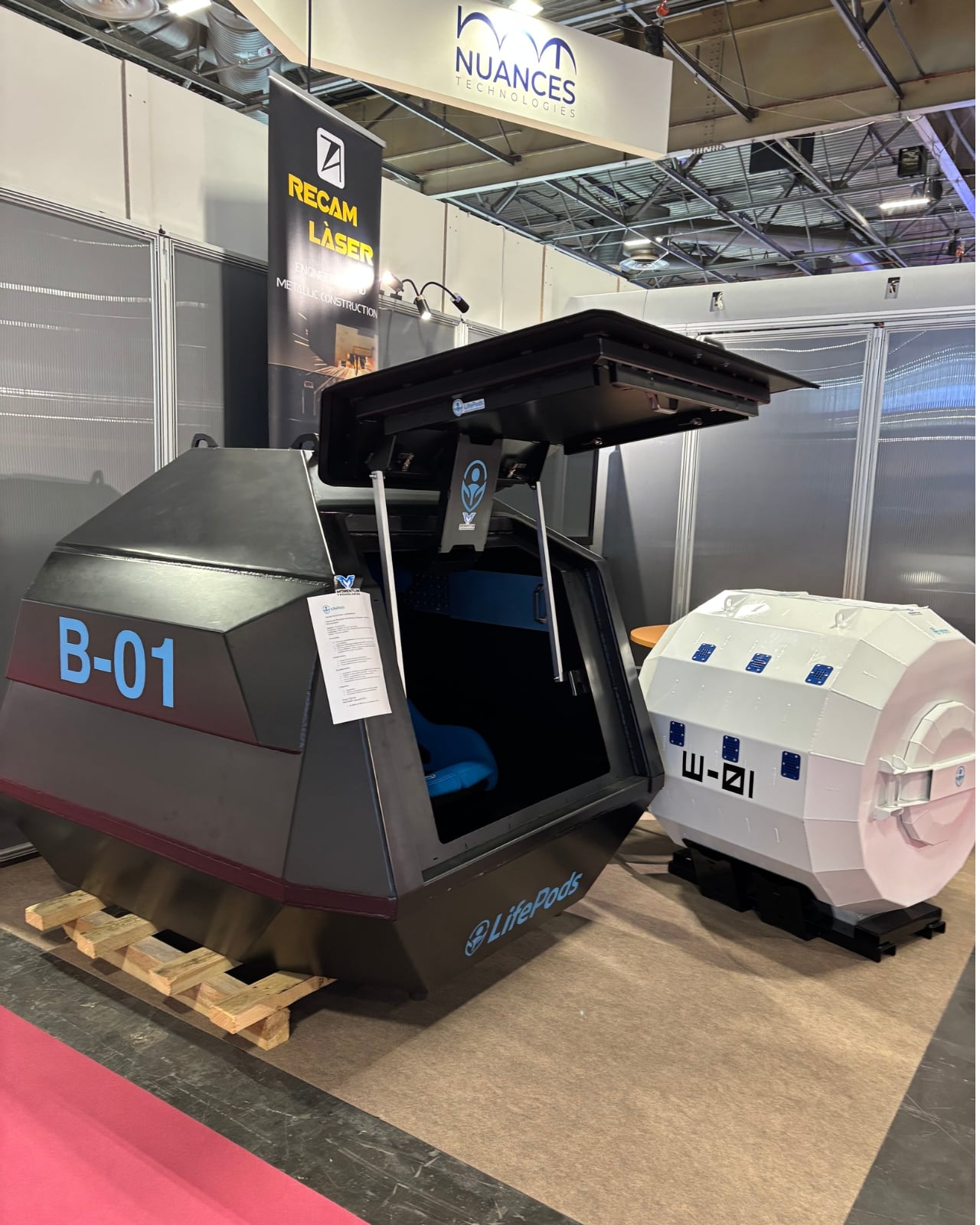
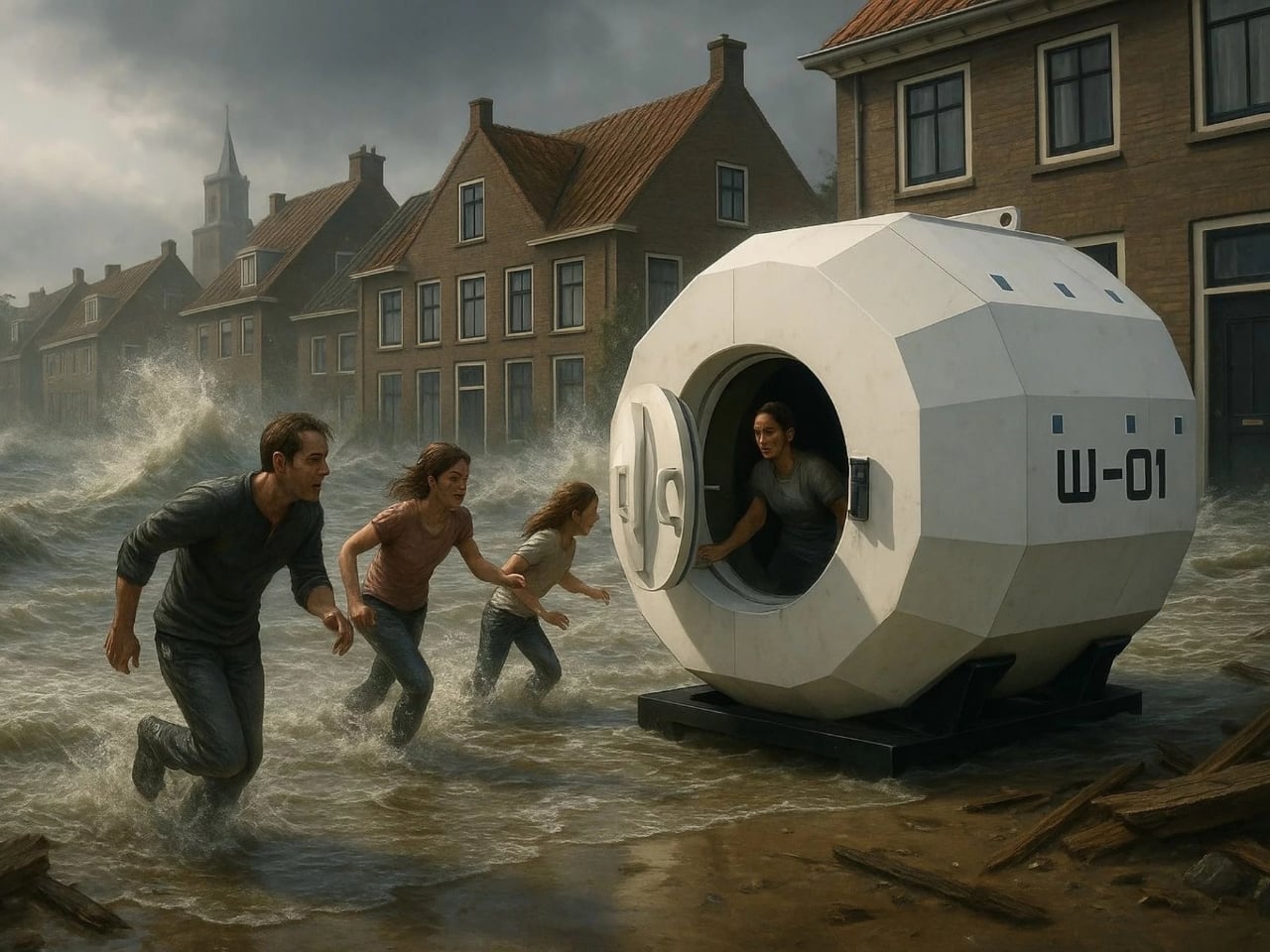
From the outside, a LifePod doesn’t look like panic. It looks like a serious design object, the kind of thing that could sit in a garage or a garden without completely unraveling the aesthetics of the space. But the engineering underneath is built to military standards. The B-01, the land-based version, is constructed from high-strength technical steel with specialized insulation layered through it, built to resist bullets, blast pressure, and fire. The W-01, the flood model, goes further: it’s unsinkable, with a ballast system that flips it upright if it rolls, and it can hold four adults and four children. The kids, as the specs somewhat soberly note, would sit on laps.
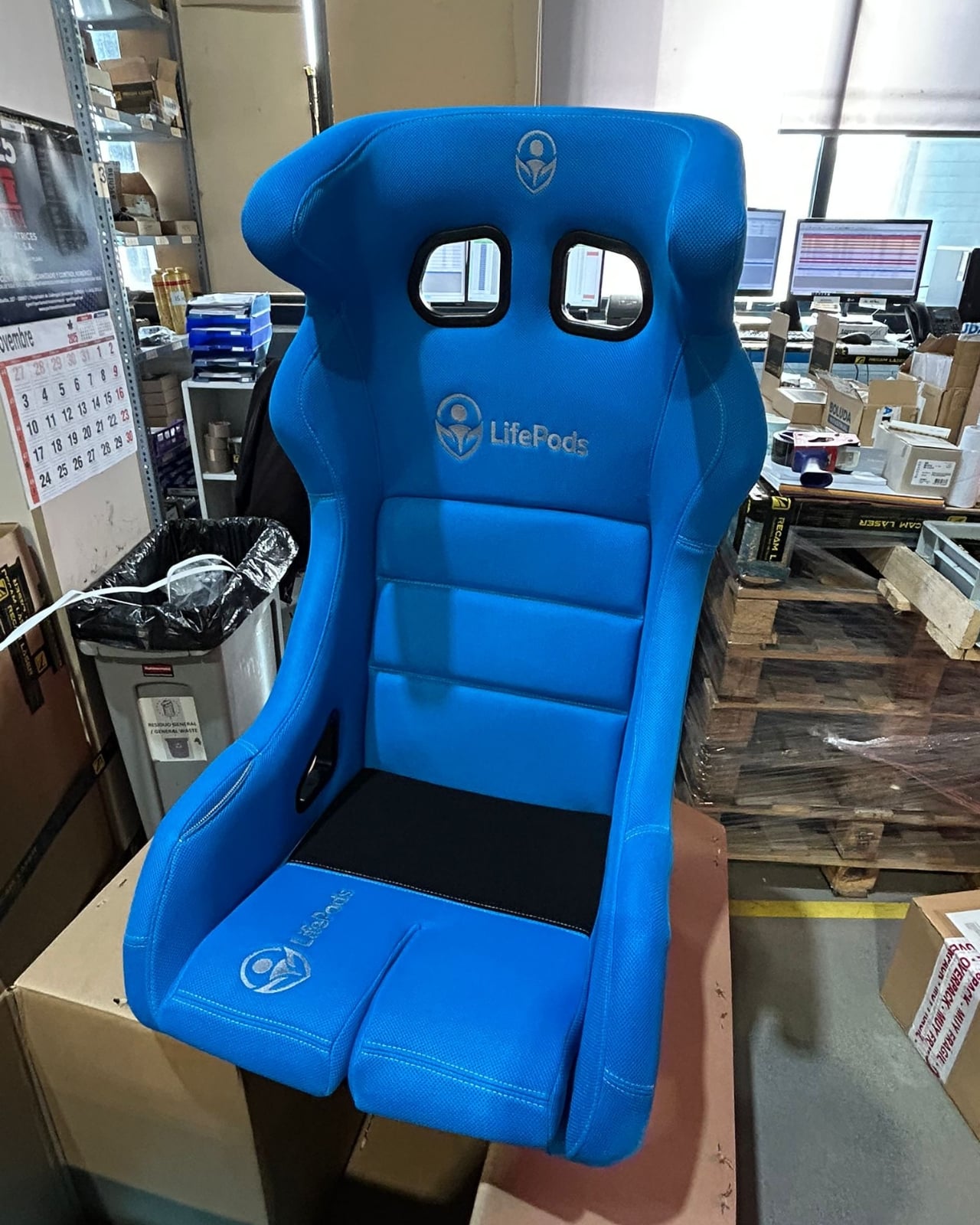
Both models carry integrated CO2 scrubbers guaranteeing 72 hours of respiratory autonomy. Optional add-ons include food rations, two weeks’ worth of drinking water, a GPS tracking beacon, and an inflatable emergency raft. The pod is designed not to be your home forever, but to keep you alive and locatable until help arrives. That’s a meaningful distinction. This isn’t a bunker fantasy. It’s a bridge.
I keep thinking about who actually buys this. The obvious answer is preppers, and yes, that market exists and it’s growing. But Momentum Technologies seems to be aiming at something broader: households in flood zones, schools in earthquake regions, industrial facilities in volatile areas. The W-01 was designed for tsunamis, flash floods, dam failures, and marine submersion. The B-01 covers armed attacks, explosions, and fires. Then there’s a third model in development, the Q-01, built for seismic collapse scenarios. Together, they form a kind of taxonomy of modern catastrophe.
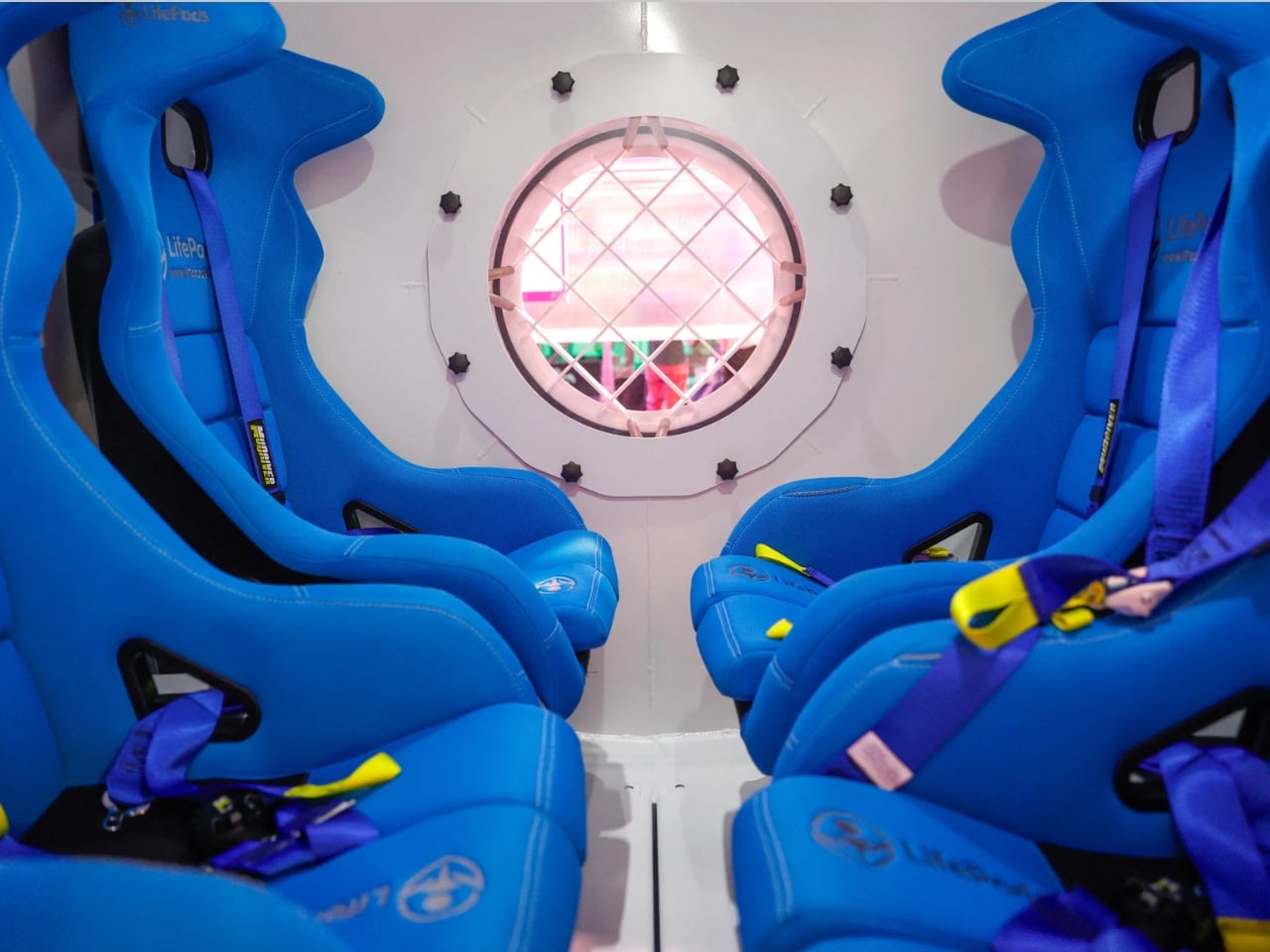
LifePods also sidesteps the dread that typically surrounds survival gear. No camouflage, no tacticool aesthetic, no implicit politics of distrust baked into the design language. The capsules look considered. They look engineered. They were shown at VivaTech 2026 and Eurosatory, not at a prepper expo in a convention center parking lot. That placement matters. It signals that the designers want this conversation to be mainstream, not fringe.
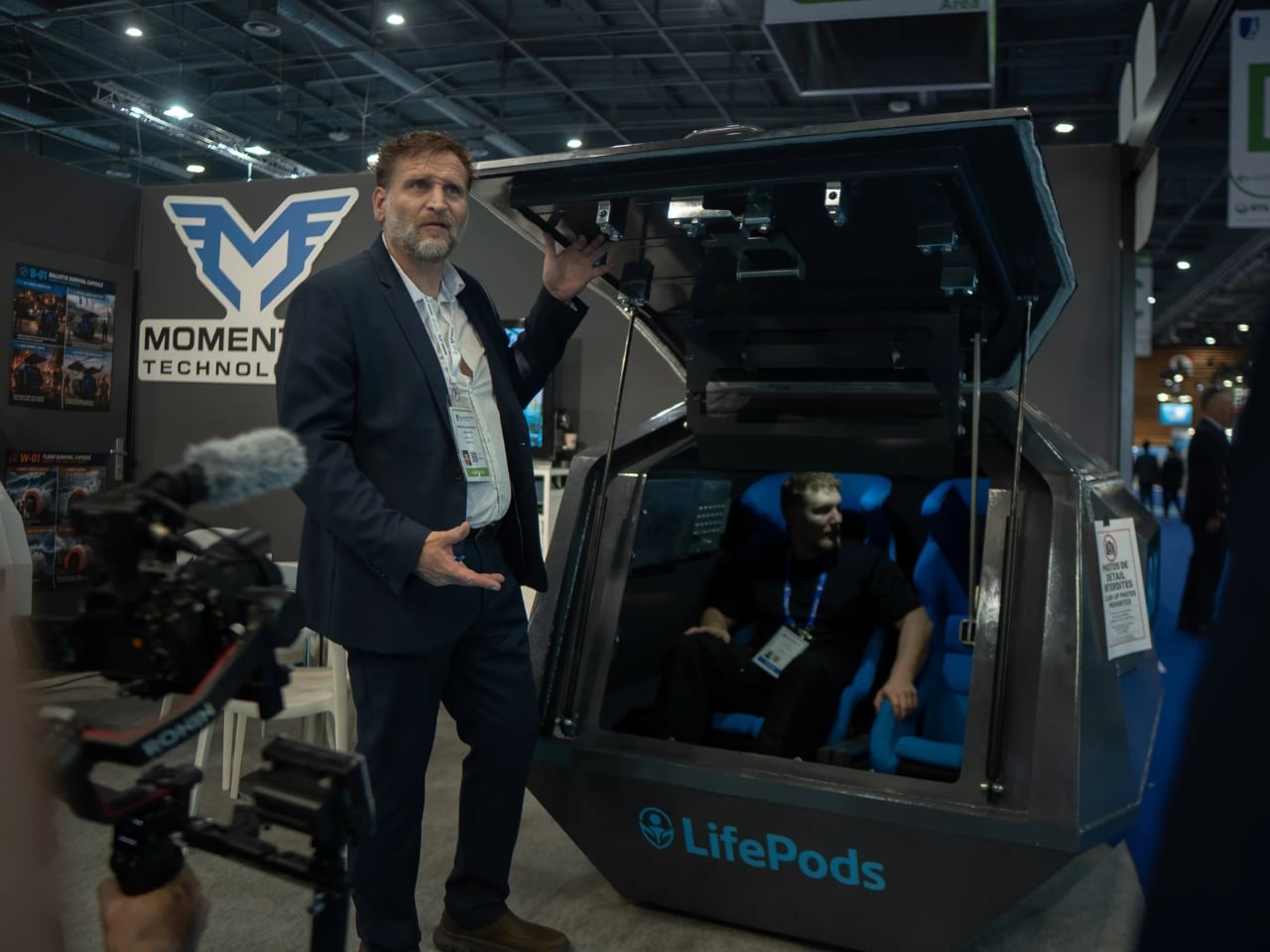
And maybe it should be. We’ve watched wildfires consume entire towns in hours. We’ve seen floods arrive faster than evacuation orders could. The argument Momentum Technologies is making, that preparedness should be as accessible and normalized as a smoke detector, is not a paranoid one. It’s arguably just overdue.
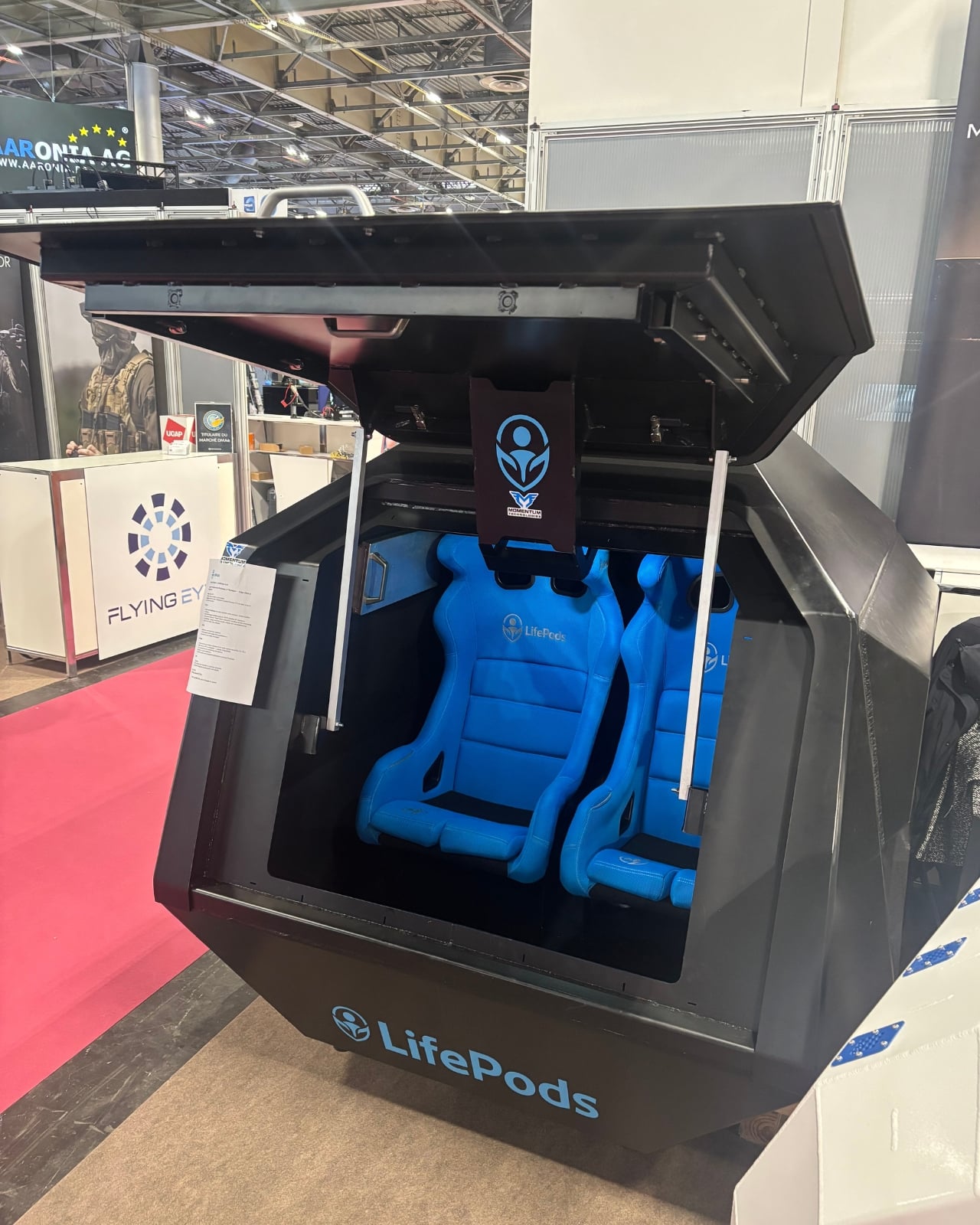
The price, around €26,000 for the entry model, does put it out of reach for most individuals. But the company is also targeting governments, schools, and institutions, and there’s a logic there that makes the per-person cost less jarring when you do the math. Four adults and four children in a W-01 changes that number considerably.
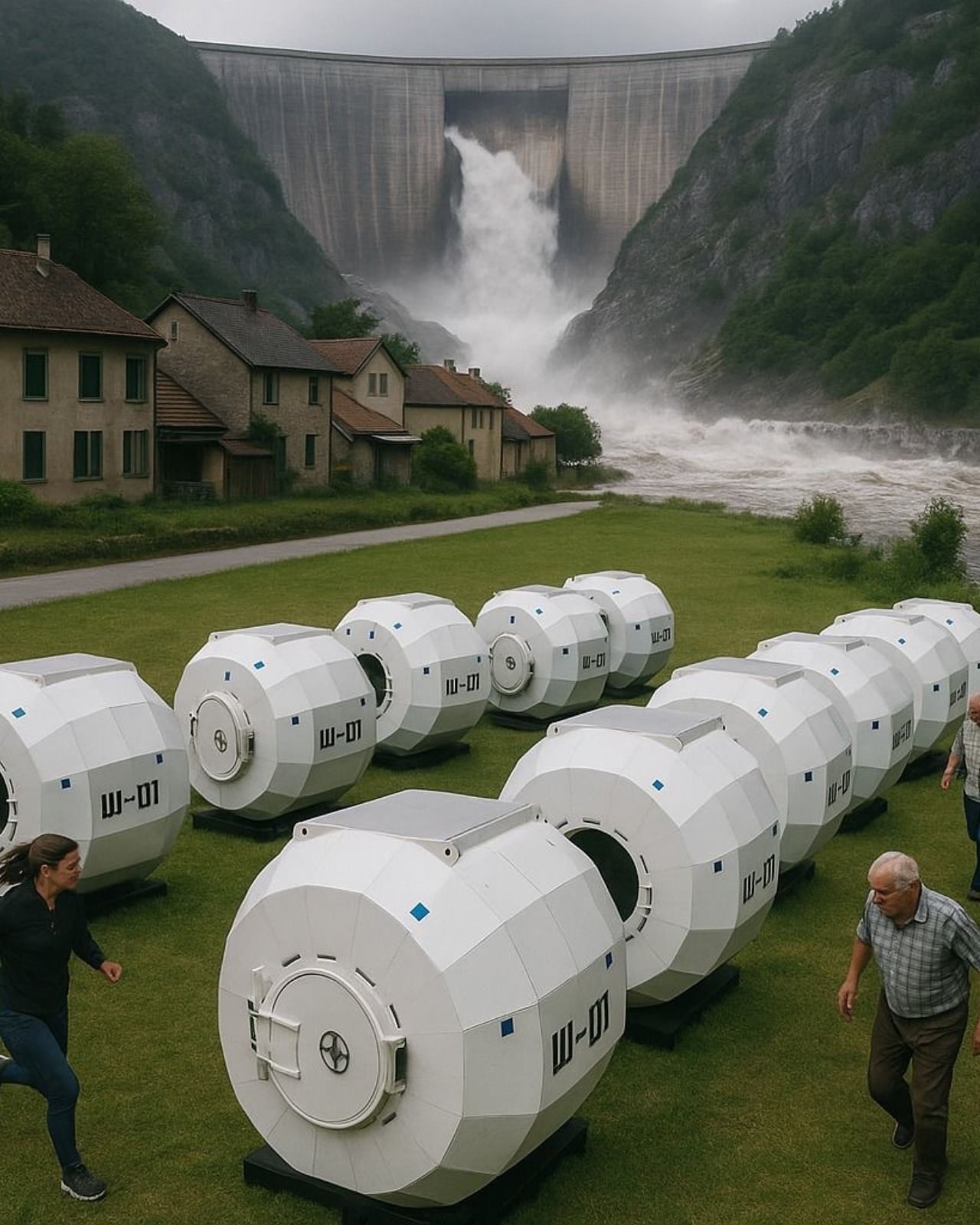
Is it strange that a product designed around worst-case scenarios can feel genuinely compelling from a design and engineering standpoint? Maybe. But the appeal of LifePods isn’t rooted in fear. It’s rooted in that specific human impulse to not be helpless when everything outside is falling apart. You step in, pull the lever, and the door closes behind you. Ten seconds, and you’re still here.
此内容由惯性聚合(RSS阅读器)自动聚合整理,仅供阅读参考。 原文来自 — 版权归原作者所有。