


The German giant is realigning its business, targeting 9 million units a year and cutting redundant platforms and niche models to stay competitive
16 minutes ago



The Volkswagen Group’s Executive Board has laid out an unsparing future plan that will see the automotive giant gradually slash up to 50 percent of its global model portfolio by 2030, restructuring the business to hold its ground against increasingly tougher competition worldwide.
The company said it has hit its main targets across products, technology, and regions during a three-year “fundamental realignment,” and that “external financial headwinds in the double-digit billions have been sustainably offset through cross-brand performance programs.” Even so, the Group says there is more to do before VW turns “more resilient, efficient and agile.”
More: VW May Kill Its Biggest Self-Driving Project After Sinking In $1.7 Billion
CEO Oliver Blume and CFO Arno Antlitz described the restructuring as a way to pull costs down and move the Group’s returns toward its target band of 8 to 10 percent. Getting there means more than trimming the catalog. VW also wants to strip out 75 percent of its complexity, gutting the number of available powertrains, trims, and equipment packages while killing off the “parallel structures” that let different brands duplicate one another’s engineering.
VW will also resize its manufacturing capacity to match global demand and the competition, aiming for 9 million vehicles a year, roughly what the Group delivered in both 2024 and 2025. The workforce faces the same pressure, with sources stating VW is weighing as many as 100,000 job cuts and the closure of four German plants, which would be the largest restructuring in automotive industry history.
Which Models Are On The Chopping Block?
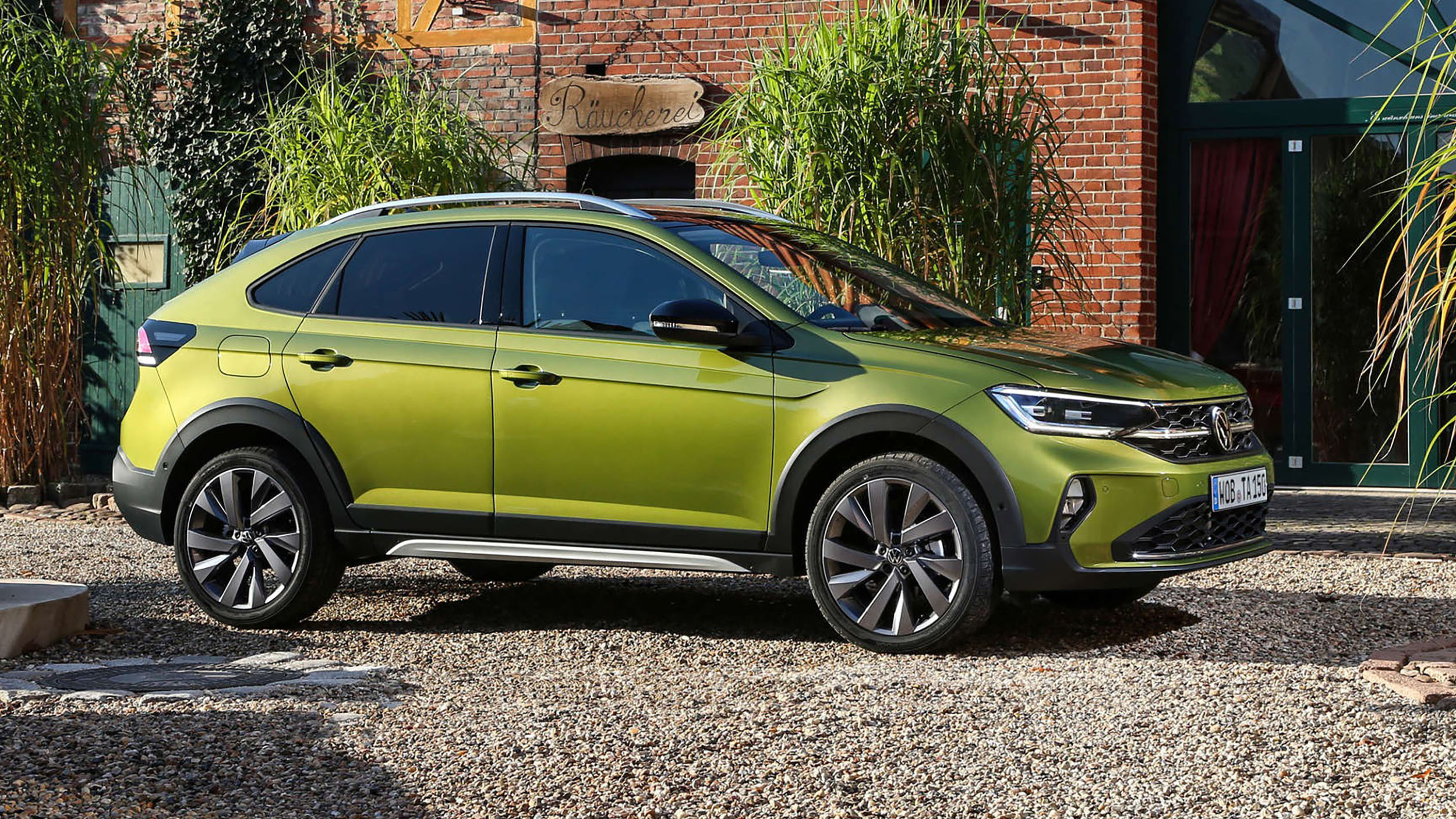
While the official announcement stopped short of naming which nameplates will be axed, VW said the future lineup will be “concentrated on the most attractive market segments.” It added that spending will go toward products and technology that “deliver the greatest value” for customers and the Group.
More: VW’s First Electric GTI Costs $8K Less Than A Gas Golf GTI, But America Can’t Have It
The safe bets are the cars that already move in volume. The Polo, Golf, T-Roc, and Tiguan aren’t going anywhere. The odd-duck spinoffs are another story, and neither the T-Roc Cabriolet nor the ID.5 coupe-SUV can pay for itself anymore.
Deeper in the range, the Taigo crossover steps on the T-Cross enough to make its case shaky, and dealers tell us the combustion Polo is leaving Europe to hand its price slot to the electric ID. Polo. The ID. Buzz hasn’t sold the way VW hoped, which puts a second generation in doubt once this one runs its course. VW’s China catalog, which has kept swelling for years, probably shrinks too.
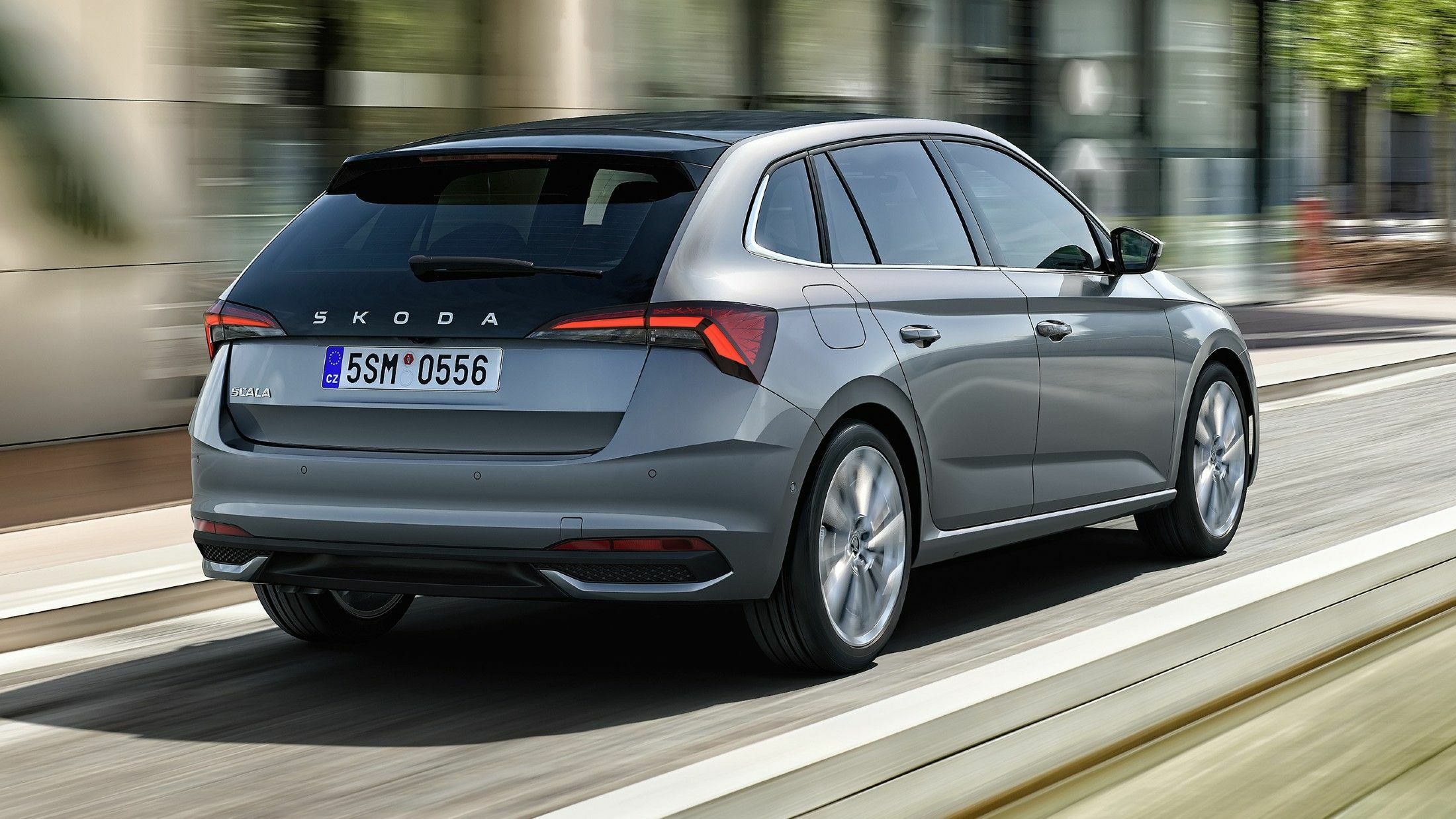
Skoda should walk away from the cull in decent shape, though a slow seller like the Scala hatchback has slim odds of a follow-up. Seat looks set to stay small and cheap, while Cupra takes the bigger cut on the strength of a pricier, sportier, more profitable mix. If Volkswagen follows through with its strategy, maintaining overlapping Seat and Cupra models could become increasingly difficult, raising the possibility of an even smaller role for Seat.
More: Audi Is Done Building One Car For The Whole World
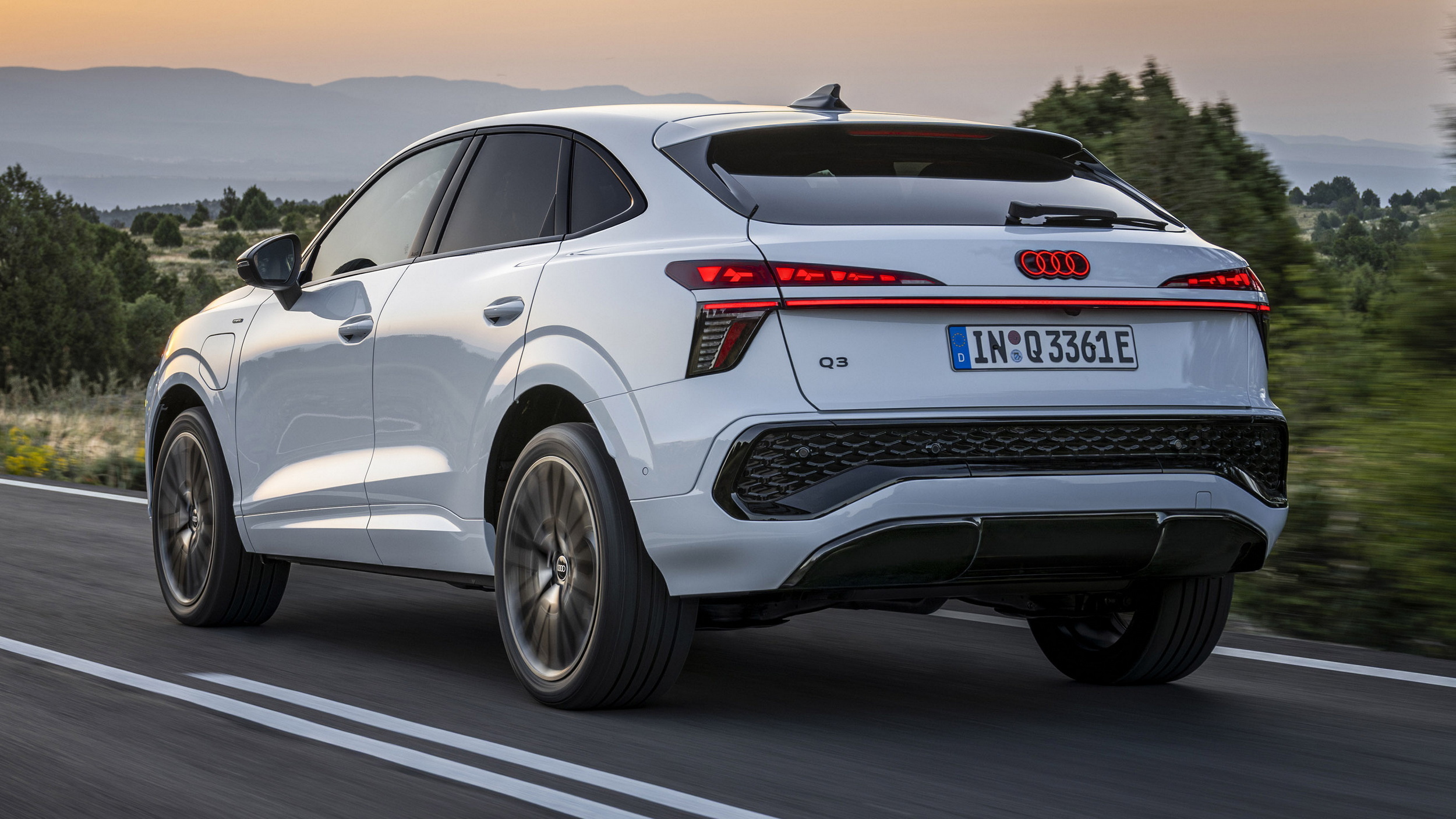
Audi has already dropped the A1 subcompact and the Q2 small SUV, handing entry-level duty to the upcoming A2 E-Tron. The hunt for simplicity could force a rethink of the Sportback coupe-SUVs, and the aging A8 flagship looks like it’s living on borrowed time. The incoming Q9 stretches the SUV range wider still, which only sets up more pruning down the line.
Porsche Faces Its Own Reckoning
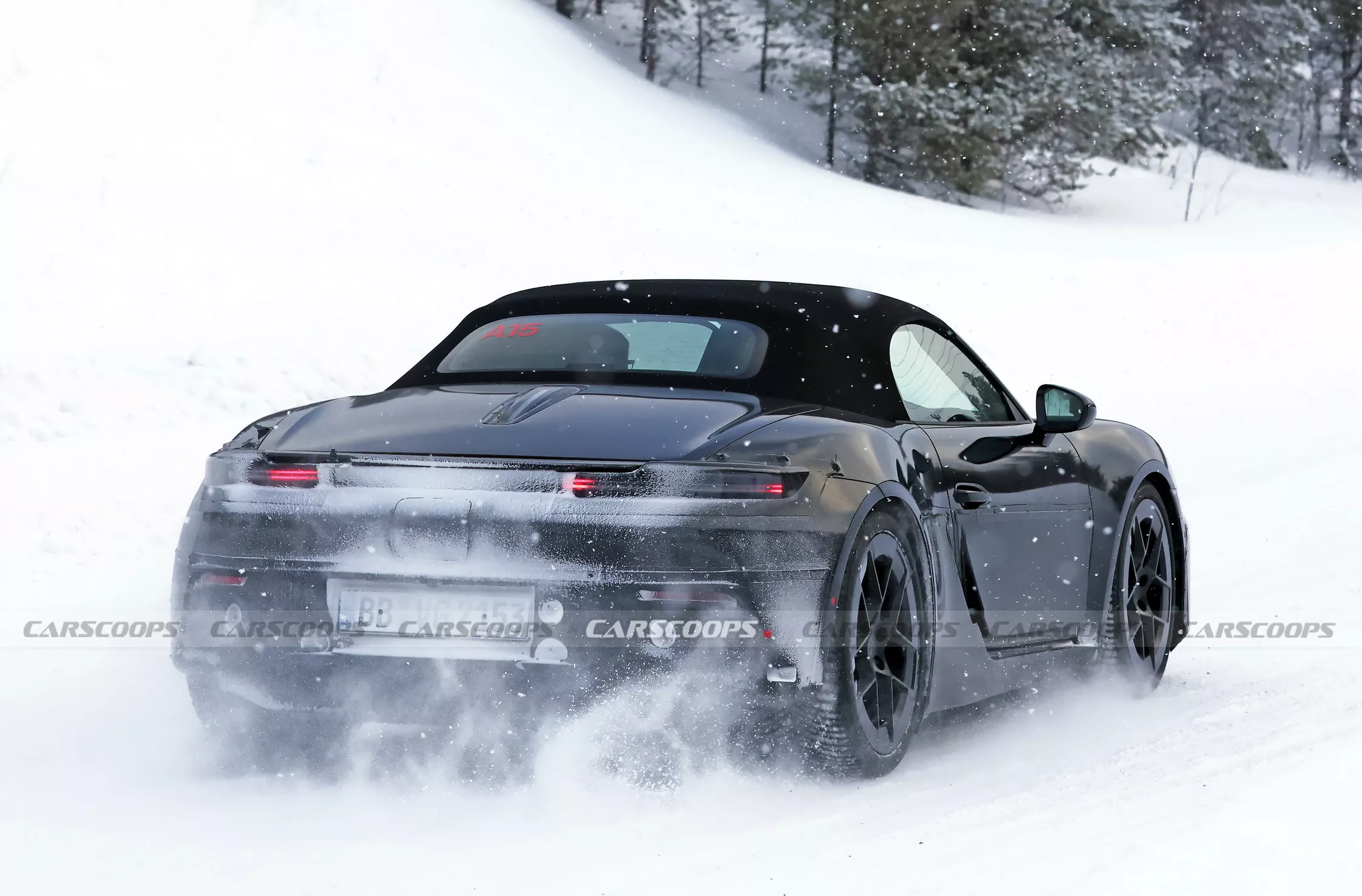
Moving over to Stuttgart, the Porsche 911, Cayenne, and Macan model lines are untouchable, but the Taycan and Panamera sedans could eventually merge into a single model. Porsche has also outlined plans to trim variant count, with CEO Michael Leiters recently conceding that the range had grown too complicated.
That math puts extra bodystyles like the Taycan Sport Turismo and Cross Turismo on shaky ground at the next update, the same way the wagon Panamera vanished. The delayed next-gen 718 family could feel it too, though the pile of money already sunk into development makes an outright kill unlikely. The electric 718 still points to a late-2027 arrival despite the slips, and Audi plans to borrow the platform for its TT replacement.
More: VW May Put Lamborghini And Ducati Up For Sale
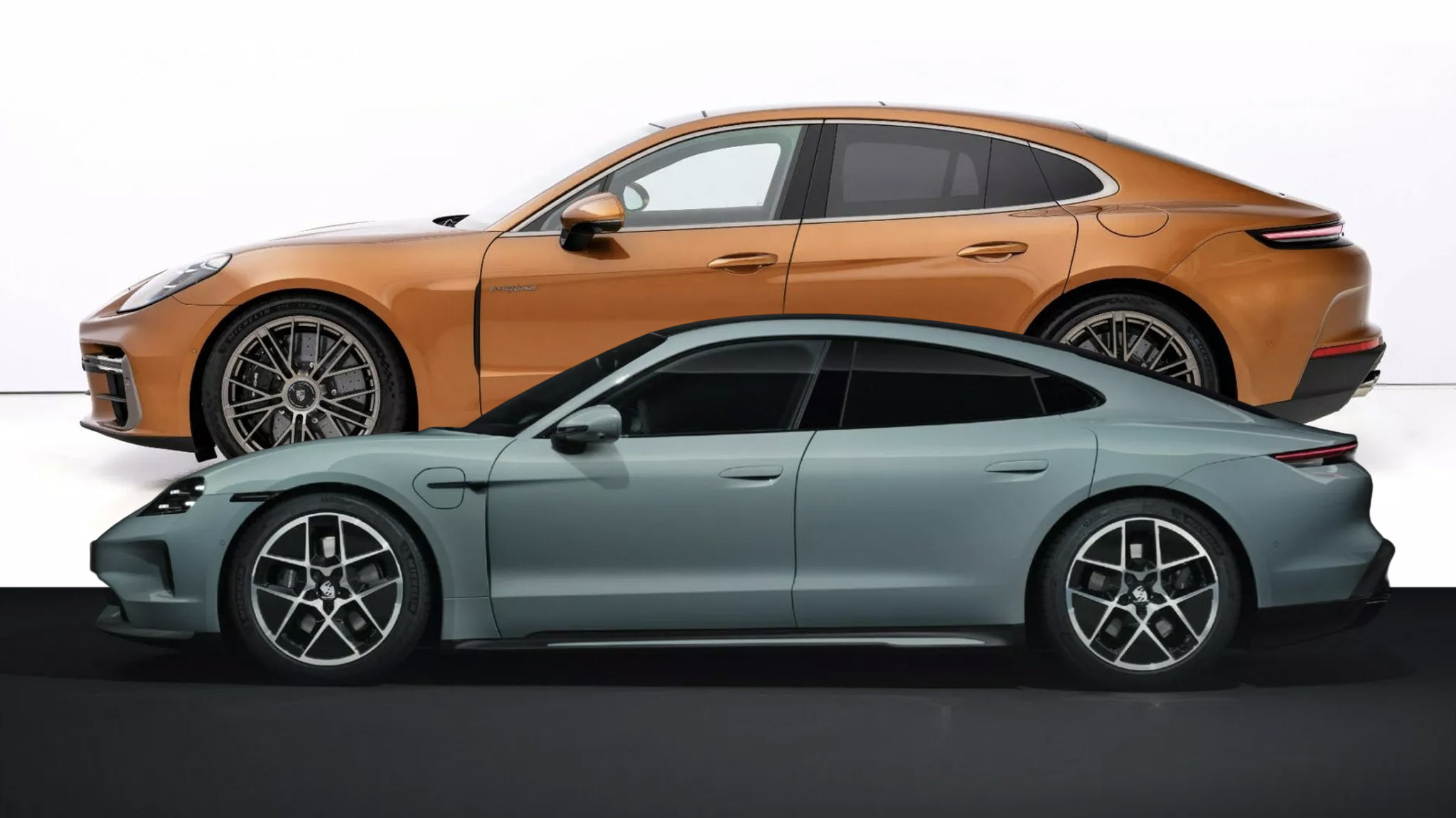
The Volkswagen Group’s more upmarket brands already run a tightly curated set of models, but even they won’t walk away untouched. Lamborghini recently shelved plans for its first EV, while Bentley presses on with its own electric SUV. There have also been reports of a possible sale involving Lamborghini and Ducati, and Porsche just offloaded its stake in Bugatti Rimac.
What VW’s Bosses Are Saying
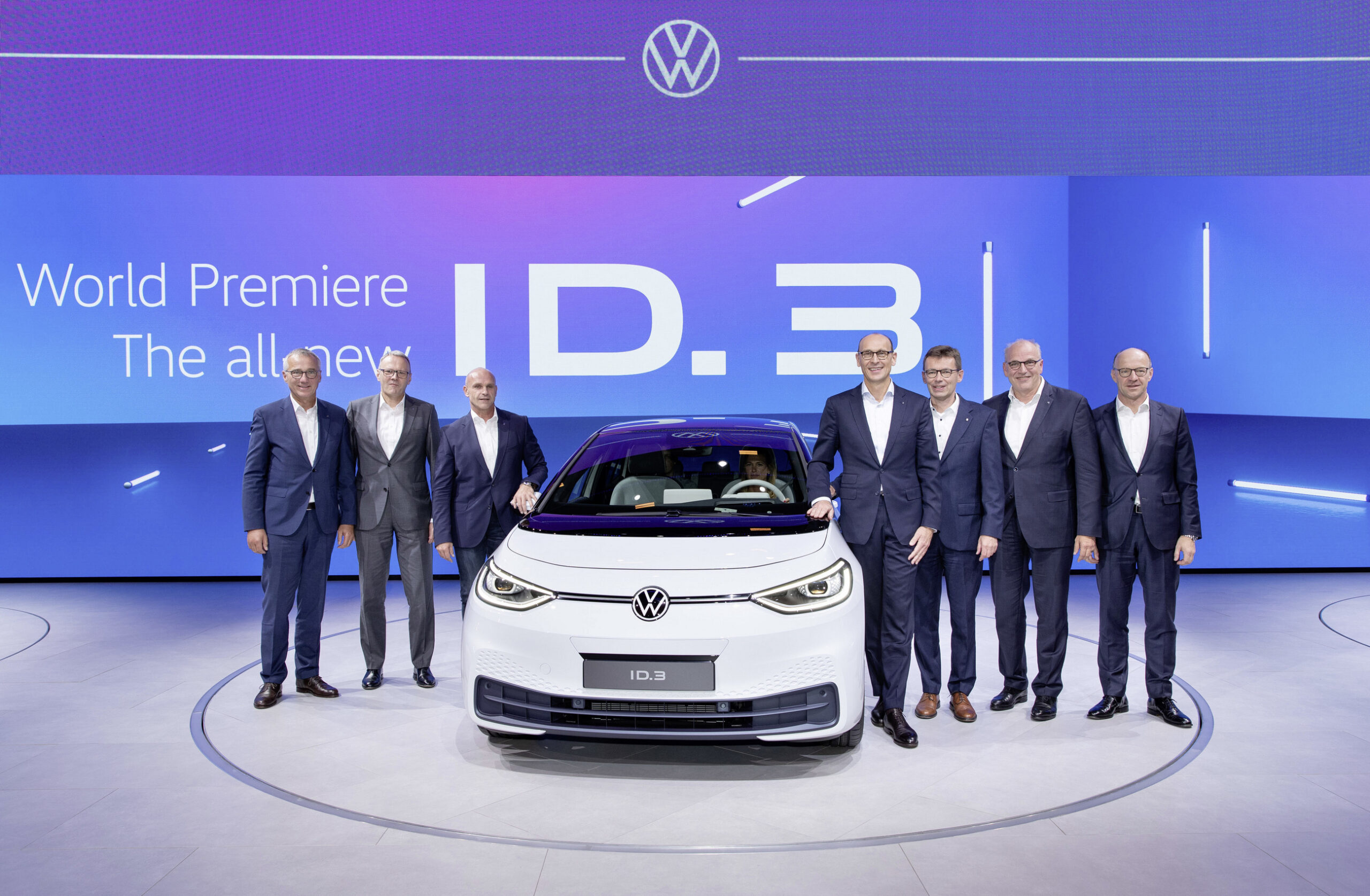
CFO Arno Antlitz laid out why the earlier savings won’t cut it:
“Despite the progress achieved, the cost reductions planned to date under the agreed programs are not sufficient in the current economic and geopolitical environment. We must instead fundamentally realign our business model and achieve structural, sustainable improvements. This includes improving the cost structure of our vehicles without compromising product substance, significantly reducing overhead costs, increasing the efficiency of our plants, and accelerating technology development and decision-making. We can only achieve this by substantially reducing complexity – in our product portfolio and technology platforms, in the number of units and decision-making levels. These areas for action are addressed in the future plan presented today. Swift and consistent implementation is key.”
CEO Oliver Blume framed where all of it is supposed to lead:
“Our goal is clear: by 2030, we will make the Volkswagen Group the most attractive automotive company in the world – with iconic brands, inspiring products, leading technologies, robust financial results, reliable capital market performance and a team spirit in action. With our future plan, we are moving into the next phase of transformation by our own means. We are making the Volkswagen Group faster, more resilient and more competitive: through less complexity, focused technologies, an even stronger alignment of products, development and production with regional markets, the reduction of overcapacities, a streamlined equity portfolio and significantly leaner structures. In this way, we are creating the conditions for sustained success – even in an increasingly demanding environment.”
此内容由惯性聚合(RSS阅读器)自动聚合整理,仅供阅读参考。 原文来自 — 版权归原作者所有。