


How I Discovered the Need for a Testing Framework by Building My Own Banking System
🚀 Introduction
When I started this project, my goal was simple.
I wanted to build a small backend application to practice clean coding and API design. I was not thinking about testing frameworks, automation, or QA processes.
I was thinking like a developer.
So I built a lightweight banking system.
👉 BankLite Testable App
It had everything I needed to feel satisfied as a developer:
- User login
- Balance checking
- Deposit functionality
- Money transfer
The application worked. The APIs responded correctly. From a development perspective, everything looked fine.
But that was only the beginning.
⚠️ The Moment I Realized Something Was Missing
Once the system was working, I naturally moved to testing it.
At first, my approach was very simple:
- Send a request using Postman
- Check the response
- Try another scenario
- Repeat
This felt productive for a short time.
But soon, I started feeling uncomfortable.
Not because the system was failing, but because my process had no structure.
😕 What Started Going Wrong
As I continued testing, several problems became obvious:
- I could not remember which scenarios I had already tested
- I was repeating the same tests without realizing it
- When something failed, I had no proper way to document it
- I could not confidently say whether my testing was complete
This was the turning point.
I realized I was not really doing QA. I was just experimenting.
💡 The Realization That Changed Everything
At that moment, I asked myself a simple but powerful question:
What is the difference between random testing and professional QA?
The answer became clear.
Testing is not just an activity. It is a structured process.
That is when I stopped testing blindly and started designing a system for testing.
🧭 Designing a Structured Testing Flow
Instead of jumping straight into execution, I began organizing my work into a proper flow.
📊 Testing Lifecycle
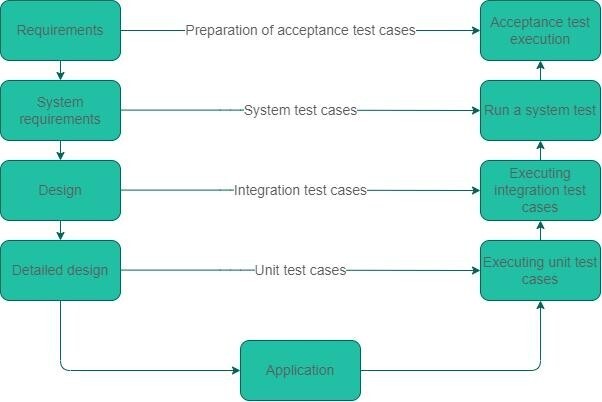
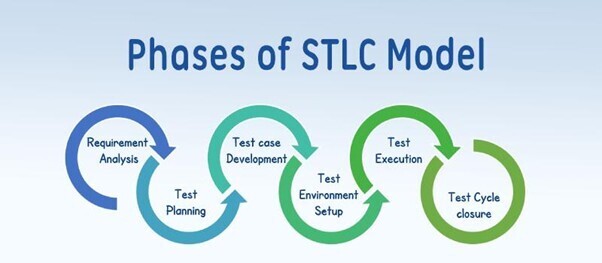
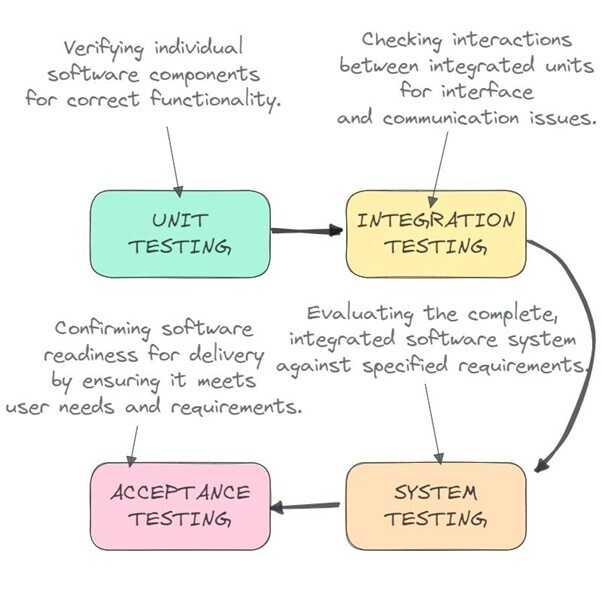
I started following a consistent structure:
- Requirements
- Acceptance Criteria
- Test Scenarios
- Test Cases
- Execution
- Defects
This changed how I approached testing completely.
Now, every test had a purpose. Every scenario was traceable.
🏗️ Understanding the System I Built
Before improving testing, I needed to understand the structure of my own application more clearly.
🧱 Application Architecture
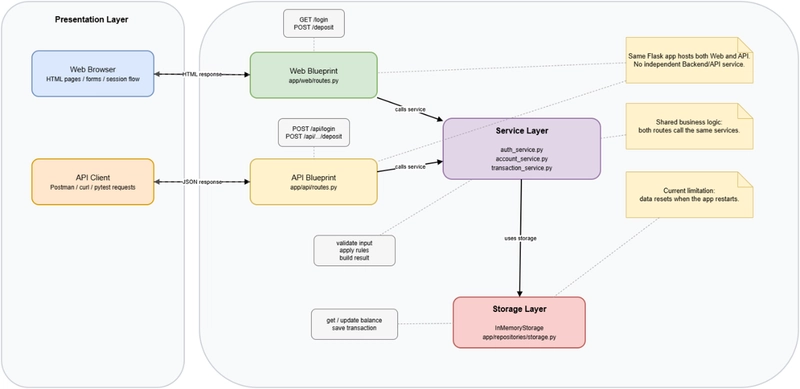
My application followed a layered design:
Presentation Layer
- Web interface for browser interaction
- API clients such as Postman, curl, and automated tests
Application Layer
- Web routes handling HTML responses
- API routes handling JSON requests
Service Layer
- Business logic such as authentication, account operations, and transactions
- Input validation and rule enforcement
Storage Layer
- In-memory storage for balances and transactions
🧠 What This Taught Me
Because I built the system myself, I could clearly see:
- Which parts were easy to test
- Which parts were tightly coupled
- Where validation was weak
- Where edge cases were likely
This is something I had never experienced before when testing third-party applications.
🔧 From Testing Activity to QA Framework
At this point, I faced a choice.
I could continue testing manually without structure, or I could build something reusable and professional.
I chose to build a framework.
That is how this project evolved:
👉 BankLite QA Automation Framework
🧪 What I Built Into the QA Framework
📋 Test Planning
I started by defining:
- Clear requirements for each feature
- Acceptance criteria that describe expected behavior
This step alone reduced confusion significantly.
🧾 Test Case Design
I created structured test cases covering:
- Positive scenarios that confirm expected functionality
- Negative scenarios that validate error handling
- Edge cases that often reveal hidden issues
Testing was no longer guesswork. It became intentional.
🔌 API Testing with Postman
I built a complete Postman collection to simulate real usage.
This included:
- Authentication flows
- Account operations
- Validation scenarios
This helped me test the system as a real client would use it.
🤖 Automation with Pytest
Manual testing gave me confidence, but it was not scalable.
So I introduced automation using:
- Python
- Pytest
- Requests library
Now I could:
- Run tests repeatedly with consistency
- Validate responses automatically
- Detect regressions quickly
🐞 Bug Tracking and Reporting
This is where the project started to feel like real QA work.
Instead of just noticing bugs, I documented them properly:
- Steps to reproduce
- Expected result
- Actual result
- Severity
🔍 Real Issues I Discovered
During structured testing, I found actual problems in the system:
- Deposit validation issues
- Transfer logic inconsistencies
- Input handling gaps
📊 Execution Summary
- Authentication passed
- Balance retrieval passed
- Deposit failed in certain conditions
- Transfer failed for edge cases
- Input validation was inconsistent
🧠 Key Lessons From This Journey
1. Testing starts much earlier than I thought
Initially, I believed testing comes after development.
Now I understand that good testing starts at design time.
2. A well-designed system is easier to test
Because I controlled the architecture, I saw how:
- Clear separation of layers improves testability
- Reusable services simplify validation
- Clean APIs make automation easier
3. QA is about thinking, not just executing
The biggest shift for me was mental.
Testing is not about running steps. It is about:
- Asking the right questions
- Identifying risks
- Thinking beyond happy paths
4. Frameworks create confidence
Before building the framework:
- I was unsure about coverage
- I repeated work
- I missed scenarios
After building it:
- I had clear visibility
- I could repeat tests reliably
- I could demonstrate my work professionally
🔄 Looking Back
This journey started with a simple goal.
Build an application.
But it evolved into something much more meaningful:
- From writing APIs
- To understanding system design
- To thinking like a QA engineer
- To building a complete testing framework
🎯 Where I Am Now
I no longer see testing as a final step.
I see it as an integral part of building quality software.
💬 Final Thoughts
If you are learning QA, I strongly recommend this approach:
- Build something simple
- Then test it deeply
- Then improve your testing process
You will not just learn tools. You will understand why testing matters.
🔗 Explore My Work
- Backend Application → Repo 7
- QA Framework → Repo 8
📌 Open to Opportunities
I am currently looking for:
- Junior QA roles
- Remote opportunities
- API and automation testing work
🙌 Let's Connect
If you have feedback, suggestions, or opportunities, feel free to reach out.