


Since Andrej Karpathy ignited the web with a term for a new form of programming we’ve come to know as “vibe coding”, a lot has happened. The models have gotten better, the tooling has improved, and even long-time skeptics are starting to come around. What once felt like a novelty is beginning to look like a new horizon for software engineering.
With all the buzz, a natural question follows: if you’re going to vibe code, what tools should you actually use? Which platforms make it easy to move fast without constantly fighting the AI, the environment, or the workflow?
Tooling is only part of the story. Vibe coding collapses the distance between idea and production, and when that gap disappears, so do many of the guardrails developers have relied on for years.
That doesn’t mean vibe coding is inherently reckless, in a previous post, we addressed why and how to keep security top of mind when vibe coding. However, in this article, we will focus on the top tools to consider for vibe coding in 2026.
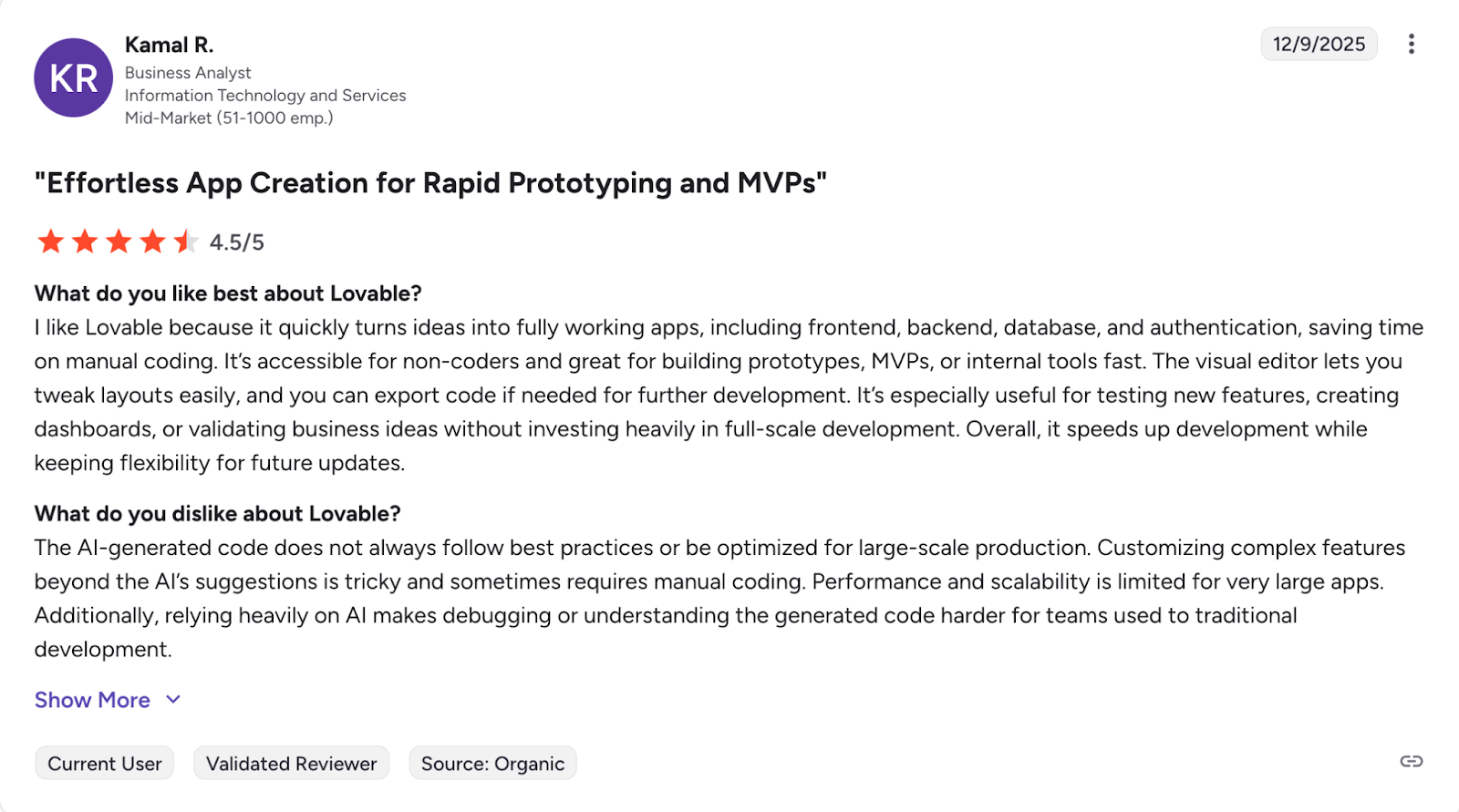
Of all the vibe coding tools outlined, Loveable takes the top spot for its user-friendly design, with tight integrations with popular platforms such as Shopify, Stripe, and Supabase, making it easy to go from idea to production without stitching together multiple services by hand.
Beyond usability, Lovable stands out for how it balances speed with security, enabling anyone to go from idea to application without compromising on security. If you want to know more about how to secure Lovable specifically, get advice from the CISOs of Lovable and Supabase in this masterclass.
Vibe coding is a fresh approach to programming where users describe their desired outcome in plain English and collaborate with a large language model (LLM) to refine and generate the code that delivers it. These models are commonly available either as part of a full platform that supports end-to-end deployment, or as standalone chat interfaces such as ChatGPT or Perplexity.
The main concern is that vibe coding often prioritizes output over safety. So if removing authentication offers the least path of resistance, this is usually the trail the model will take,
Beyond the buzz about how vibe coding can help you “ship fast” and “get sh*t done”, there’s a larger headache being created for security teams everywhere.
LLMs allow devs to iterate faster but often at the cost of security. As it stands, unless you are consciously prompting the model to avoid creating flaws like SSRF or directory traversal bugs, you end up in a situation where your code takes longer to reach production. This is because security teams keep rejecting it due to potential vulnerabilities.
For this reason, we have put together a list of resources to get help you address many of the common security issues with vibe coding:
The best vibe coding tools act as intelligent partners, understanding your intent and translating it into clean, functional code. They integrate smoothly into your existing environment and offer features that enhance, rather than hinder, your creative process.
Below is a table highlighting the top 5 vibe coding tools:
| Tool | Strengths | Best For | Limitations |
|---|---|---|---|
| Loveable | End-to-end full-stack application generation and deployment from prompts. | Rapid prototyping and early-stage product development. | Opinionated workflows can limit flexibility and customization at scale. |
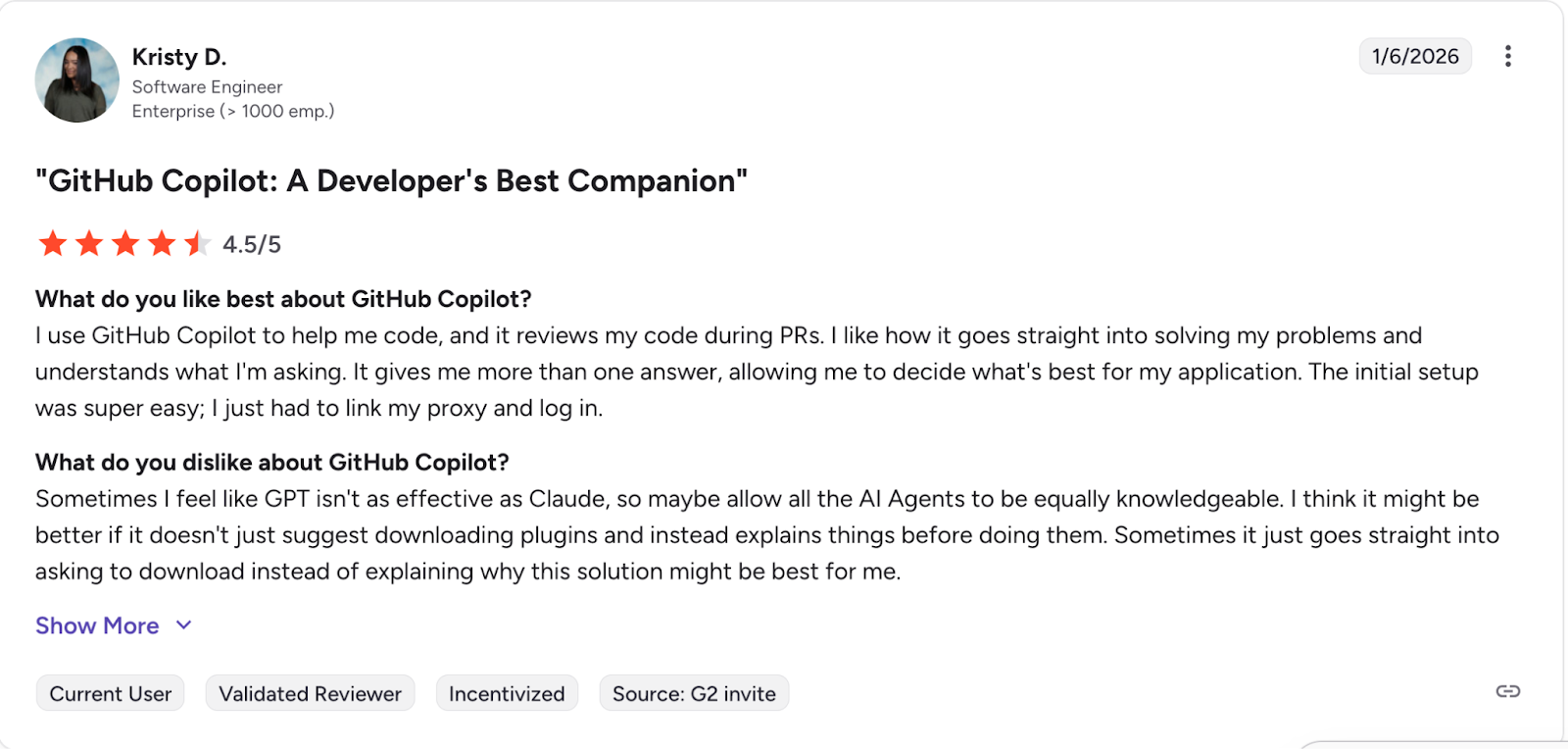
| GitHub Copilot | Context-aware code suggestions with deep, IDE-native integration. | Developers of all levels looking for fast, AI-assisted pair programming. | Occasional insecure, inefficient, or buggy code suggestions. |
| Cursor | Conversational coding with awareness of full project context. | Immersive AI-driven development in a VS Code–style environment. | Requires switching editors and offers limited full-stack lifecycle support. |
| Replit AI | Zero-setup environment with an AI agent across code and runtime. | Students, small teams, and rapid web prototyping. | Browser-based IDE constraints and higher blast radius for AI mistakes. |
| Tabnine | Personalized code completions with strong privacy and IP controls. | Teams that need custom completions with strict data privacy requirements. | Limited architectural awareness; advanced features require paid plans. |
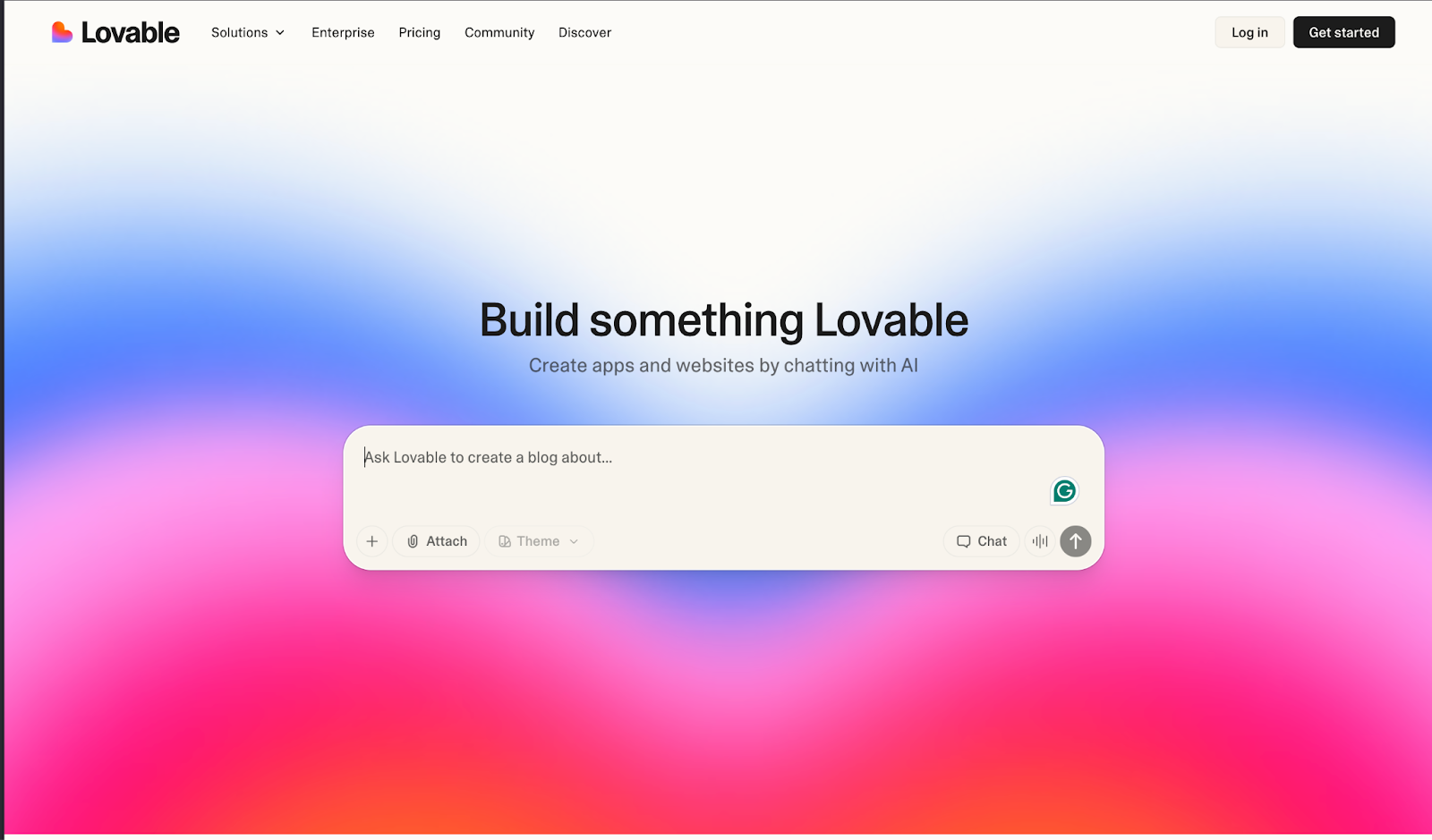
Lovble is an AI-powered vibe coding platform designed to help users build full-stack web applications by describing what they want in plain English. It translates intent into working code across the frontend, backend, database, authentication, and integrations, packaging everything into a deployable project with source code you can inspect, modify, and sync to GitHub.
Unlike tools that stop at code generation, Lovable focuses on the full application lifecycle. It integrates directly with services such as Supabase for backend infrastructure and Stripe for payments, allowing users to assemble real production-ready stacks without manually configuring each component. This makes it particularly effective for rapid prototyping and early-stage product development.
Tiered, credit-based subscription model
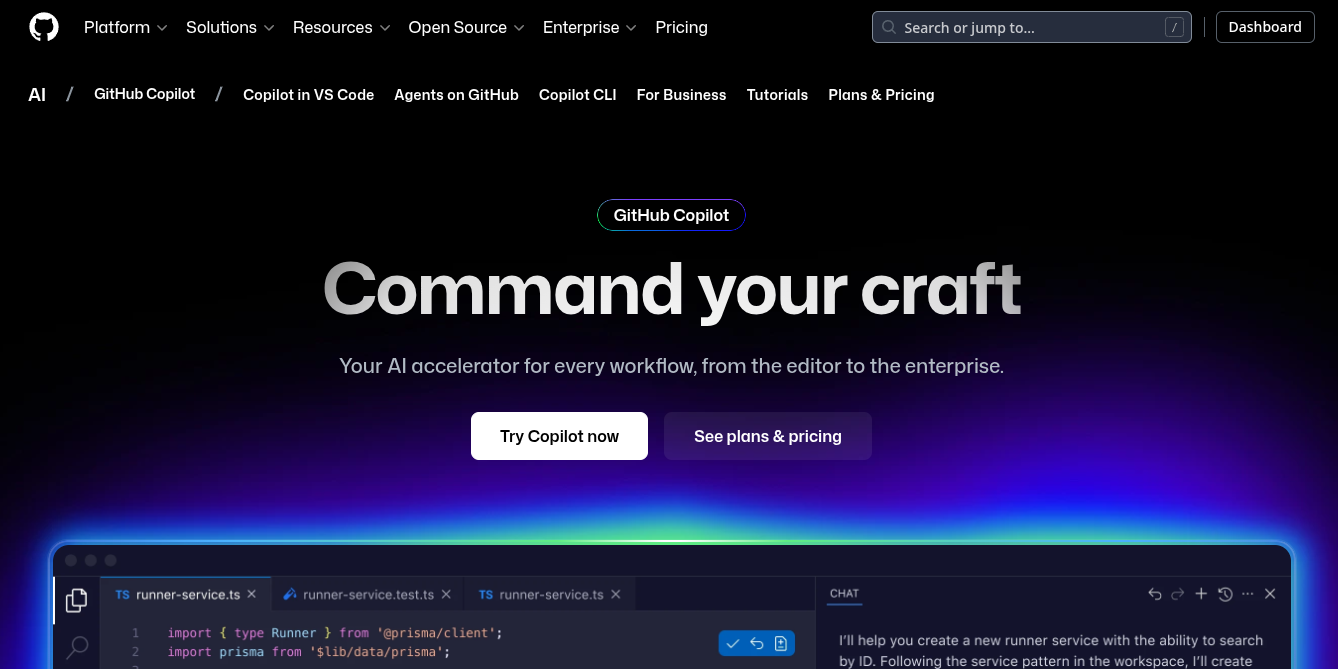
Integrated directly into IDEs like VS Code, GitHub Copilot offers autocomplete-style suggestions that range from single lines to entire functions. You write a comment describing what you need, and Copilot generates the code to match.
More recently, GitHub Copilot has expanded beyond the editor and into GitHub repositories, enabling developers to prompt, review, and iterate directly on new or existing codebases. This shifts Copilot from a pure in-editor assistant to something that can participate across more of the development workflow.
Key Features:
Subscription-based pricing (per-user, per-month), with individual, business, and enterprise tiers
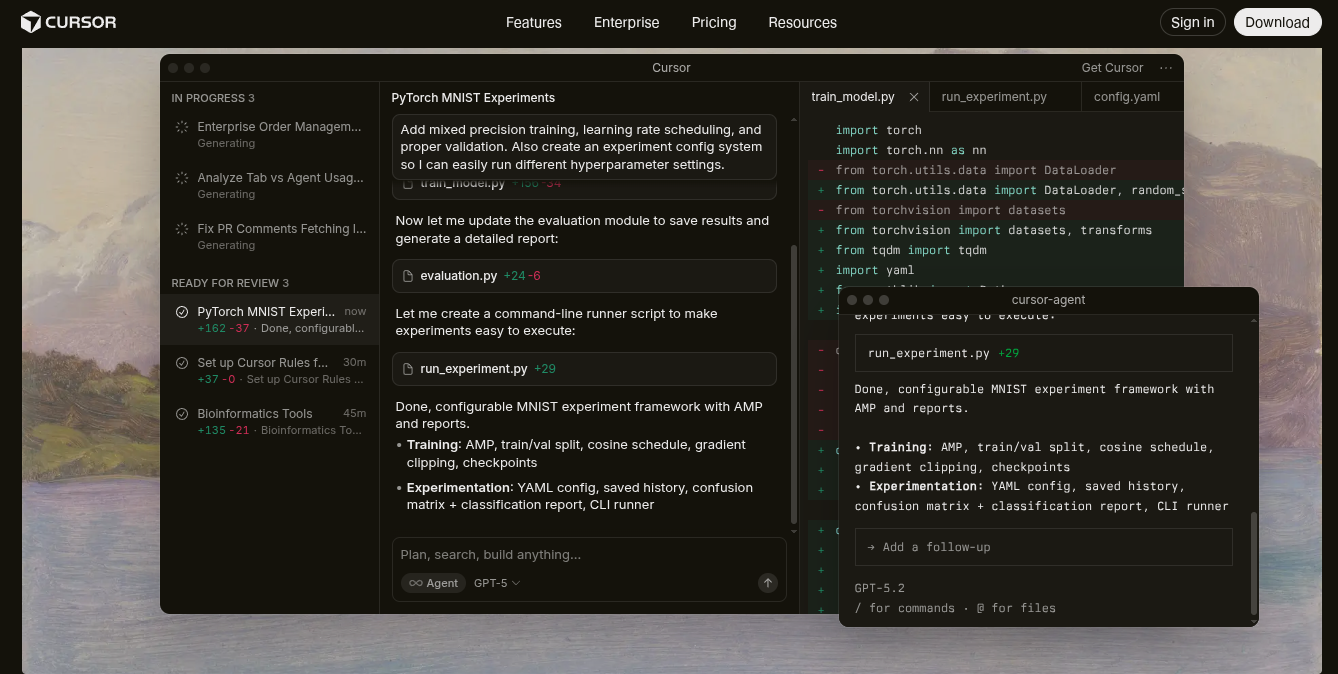
What started out as a fork of VS Code has quickly become an essential tool for many developers and vibecoders everywhere, Cursor boasts support for multiple models while integrating in line completion and a chat interface that has full context into your current project.
Subscription-based pricing with free and paid tiers. Paid plans typically unlock higher usage limits, faster models, and advanced features.
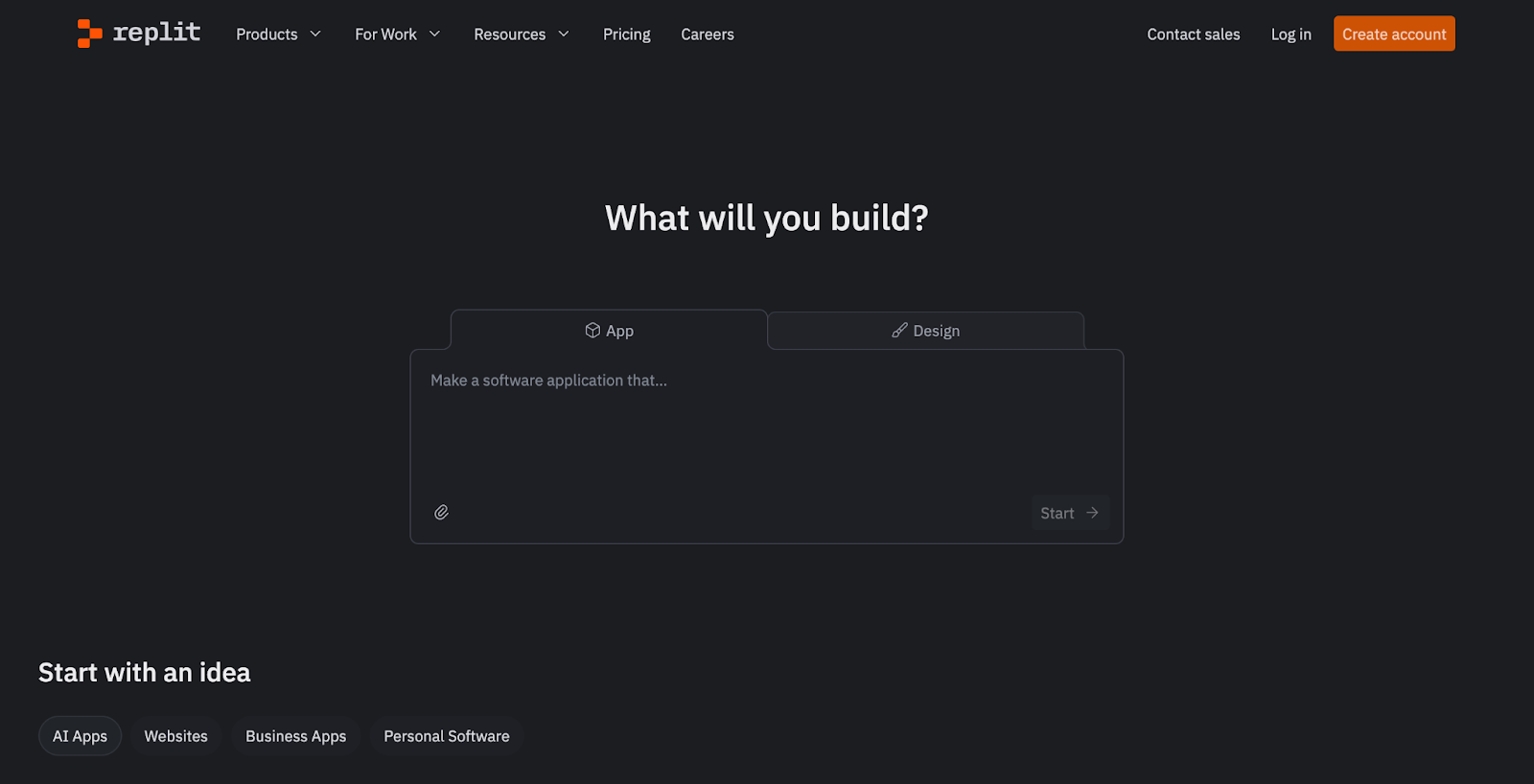
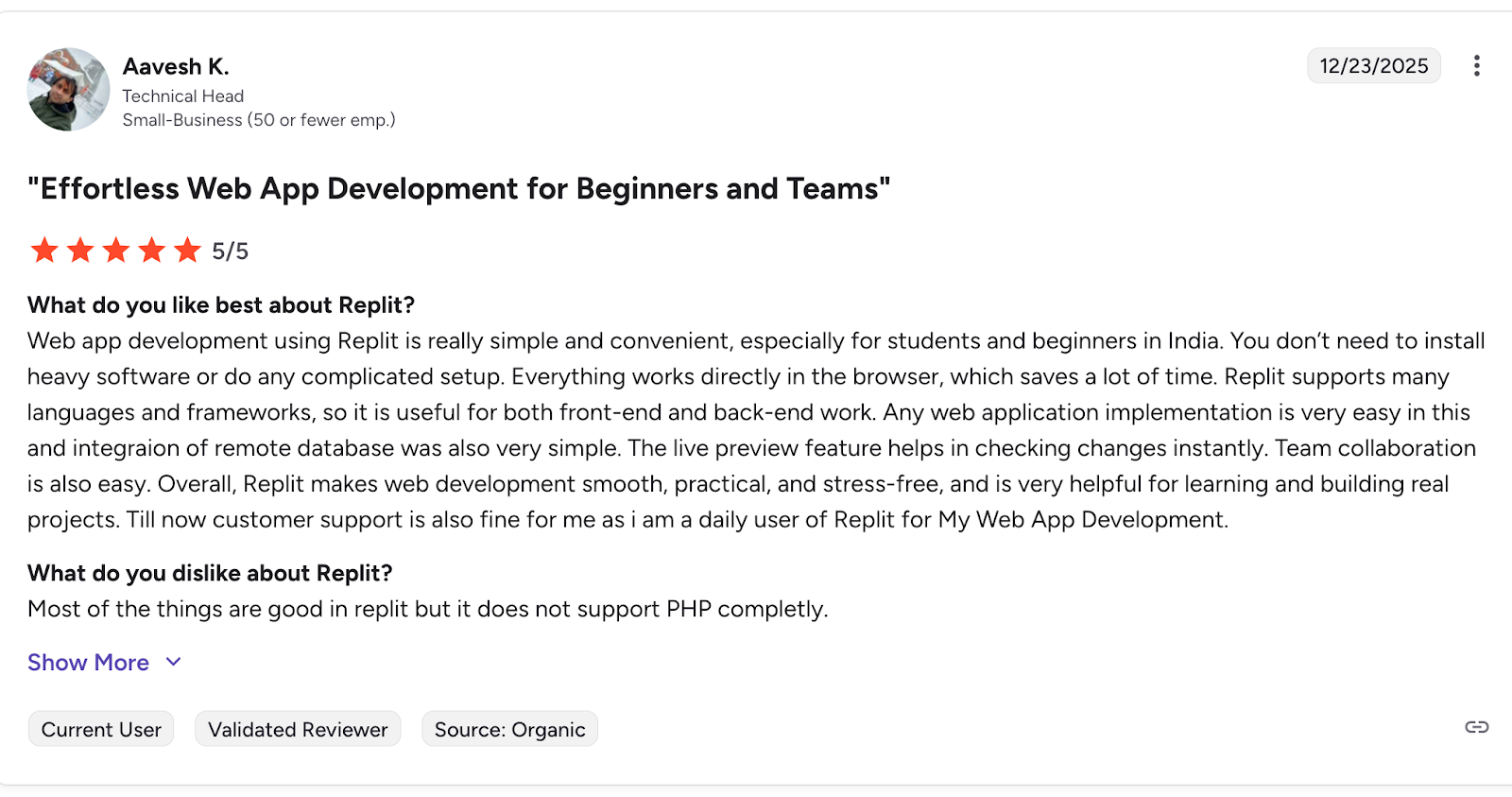
Replit is a browser-based development platform that combines code editing, execution, deployment, and AI-assisted development into a single environment. With the Replit Agent, users can describe features in plain English and have the platform generate, modify, and run code without setting up local tooling.
Replit gained significant attention after a high-profile incident involving Jason Lemkin, a well-known advisor in the SaaS community. While experimenting with Replit’s AI-driven development workflow, an AI agent reportedly executed destructive actions during a code freeze, resulting in the deletion of an entire database.
Commenting on the fallout, Willem Delbare, founder and CTO of Aikido Security, noted that while vibe coding dramatically lowers the barrier to building software, it also amplifies risk. In his view, AI-assisted development doesn’t just accelerate output; it also accelerates the creation of insecure and unmaintainable systems when proper controls are missing.
Subscription-based pricing
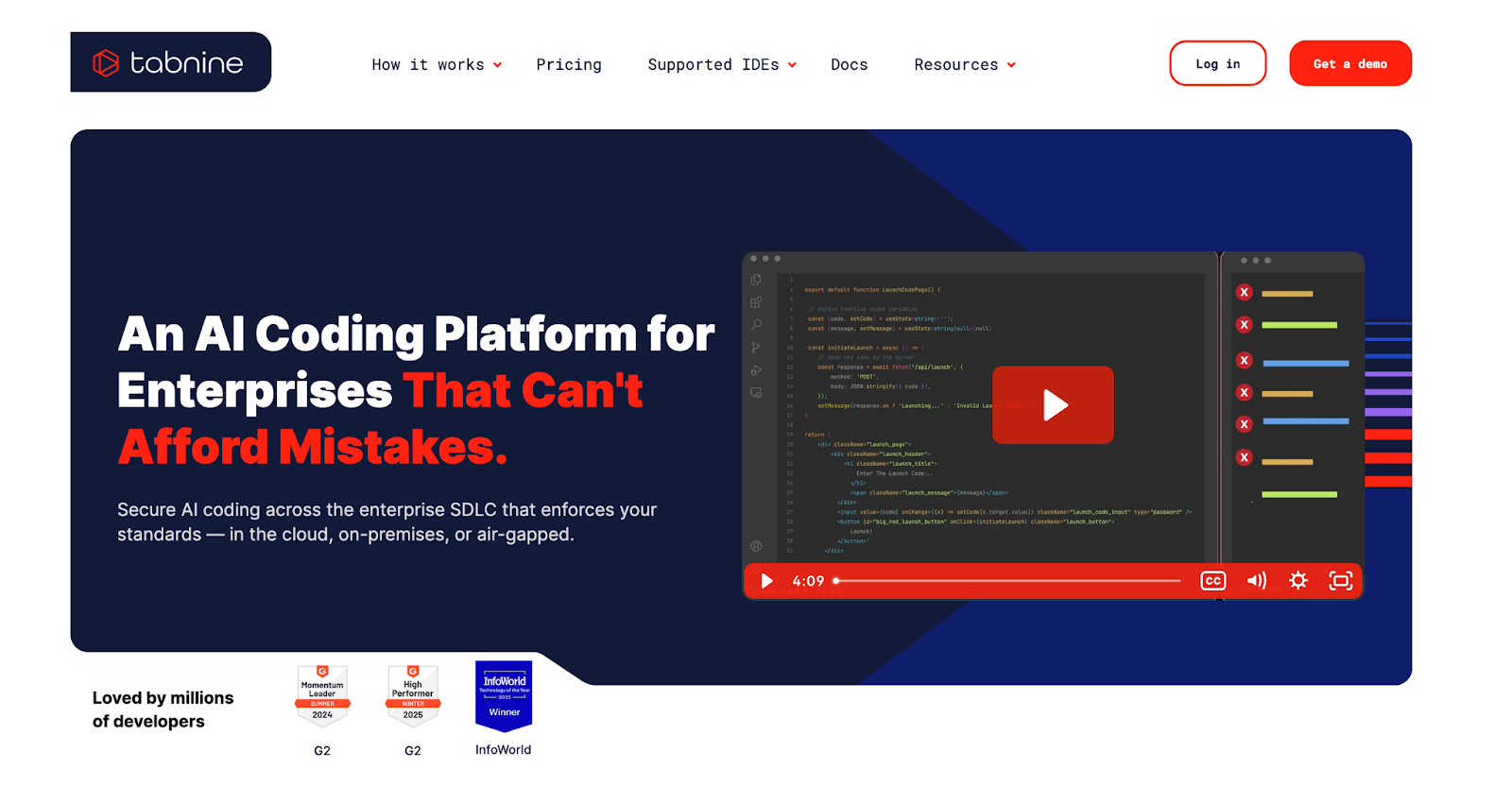
Tabnine has gained traction for delivering AI code completions that adapt to your coding style. Tabnine’s privacy features as a real differentiator, especially for organizations that need to safeguard code IP.
With an AI code completion that focuses on providing highly personalized suggestions, Tabnine can be trained on your team's specific codebase, allowing it to learn your coding conventions and patterns. This results in suggestions that feel more aligned with your project's style.
Free tier available with basic functionality. Paid plans are offered per user, with additional enterprise tiers supporting private models, on-prem deployment, and enhanced governance controls.
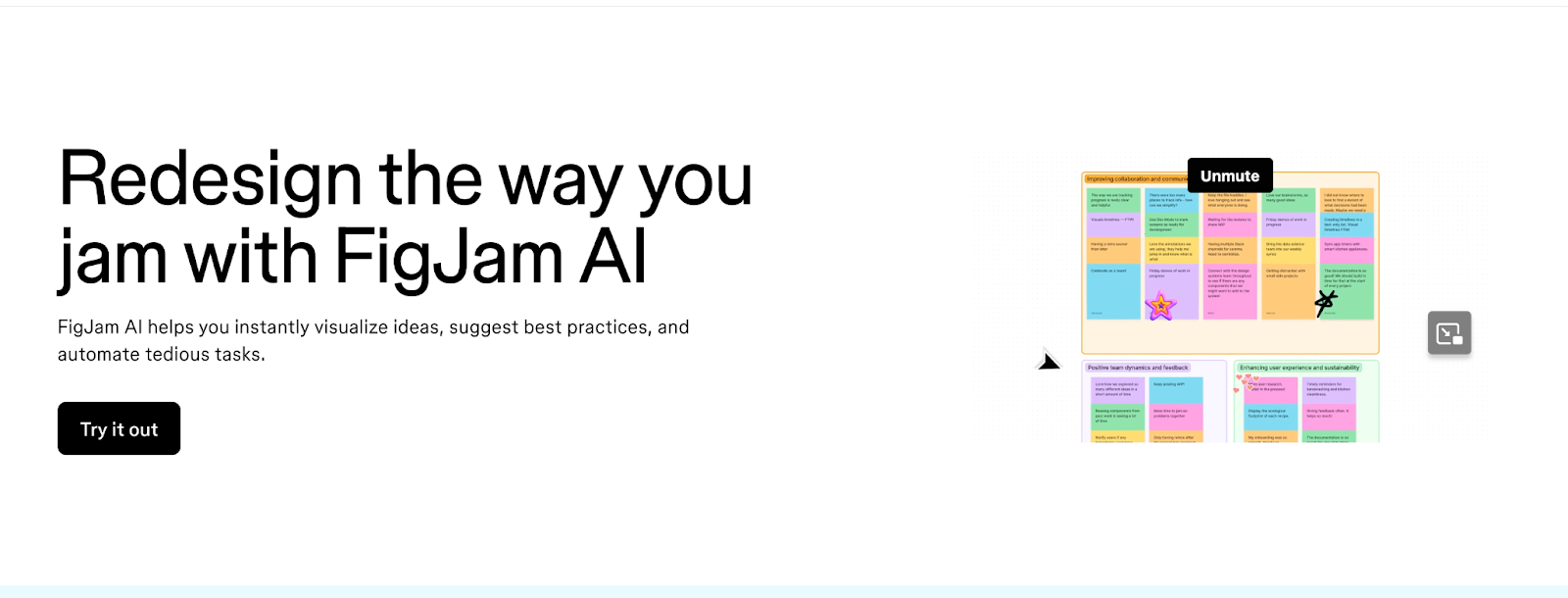
FigJam AI has sparked plenty of discussion in developer and desgin circles alike sWhile not a traditional coding tool, FigJam AI is essential for the "vibe" part of vibe coding. It's a digital whiteboard where you can brainstorm ideas, create flowcharts, and map out application architecture using AI. You can generate diagrams, mind maps, and user flows from simple text prompts, helping you visualize your project before writing a single line of code.
Included as part of Figma’s pricing tiers, with free and paid plans available.
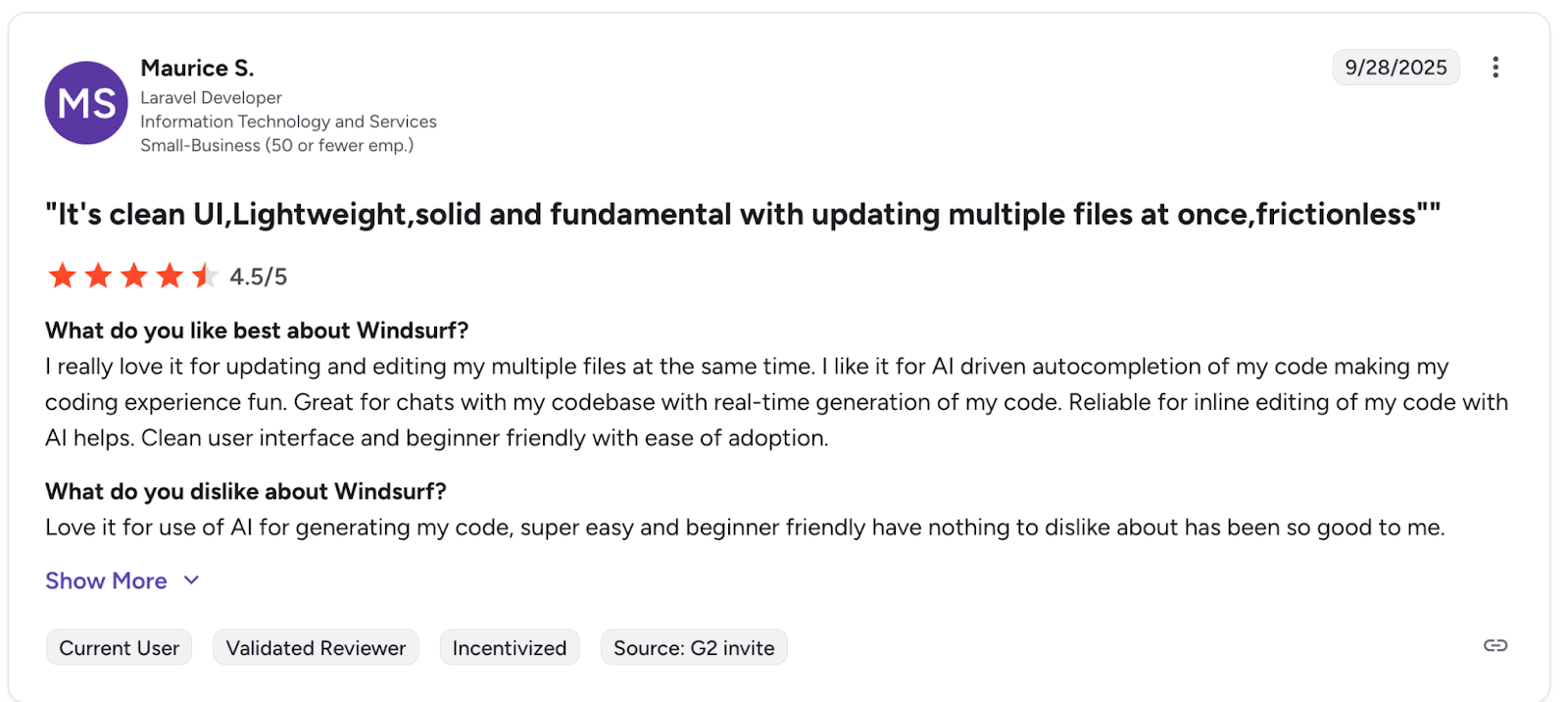
A rival to cursor, windsurf describes itself as an integrated development environment that allows developers to do their best work, what sets windsurf apart is a focus on helping developers keep a flow state through non intrusive suggestions and a chat like interface that surfaces only when you need it.
Free tier available with limited usage, paid plans unlock higher request limits
A newer tool on the block, Antigravity is Google's take on an agent-first development environment. Rather than bolting AI onto an existing editor, Antigravity rethinks the IDE around autonomous agents that operate across code, terminal, and browser surfaces.
Subscription based model, with changing pricing at time of writing
Vibe coding is changing how we build software, making it more intuitive, creative, and accessible. The right tools can feel like a superpower, allowing you to translate ideas into reality faster than ever before. However, this speed and creative flow shouldn't come at the cost of security.
The key is to adopt tools that complement your workflow rather than disrupt it. For coding, platforms like GitHub Copilot and Cursor provide AI-powered assistances to keep you in the zone. For security, a solution like Aikido works silently in the background, providing a safety net that catches vulnerabilities without the noise and friction of traditional scanners.
By choosing a toolstack that enhances both creativity and security, you can fully embrace the future of development. You get to maintain your vibe, build amazing things, and rest easy knowing your code is secure from the start.
Yes , but with caveats. Vibe coding tools can absolutely be used for production work, especially when paired with proper review, testing, and security controls.
Traditional AI-assisted coding (like autocomplete) helps you write code faster line by line. Vibe coding reduces the gap between idea and implementation by allowing you to describe outcomes in natural language and letting the AI generate large portions of the application, often across multiple files or services.
Not by default. Most vibe coding tools optimize for speed and usability, not security. Without guardrails, they can introduce common vulnerabilities such as insecure defaults, missing authentication, or unsafe dependencies. This is why pairing vibe coding with automated, low-noise security tooling is critical.
Lovable and Replit are generally the most approachable for beginners due to their minimal setup and high-level abstractions. Tools like Cursor, Windsurf, and Antigravity are better suited for experienced developers who want tighter control over code and workflows.
No. They shift how developers work, not whether they’re needed. Vibe coding excels at scaffolding, iteration, and exploration, but human judgment is still essential for architecture, performance tuning, security decisions, and long-term maintainability.
Use tools that run quietly in the background and surface only actionable issues. Avoid scanners that overwhelm you with low-priority alerts, and favor solutions that integrate directly into your development workflow with automated fixes and clear remediation guidance.
Both. Some tools (like Tabnine and GitHub Copilot) are well-suited for teams with existing workflows and governance needs. Others (like Lovable and Replit) shine for solo builders and early-stage teams. The key is choosing a tool that aligns with your team’s tolerance for abstraction and automation.
You Might Also Like:
此内容由惯性聚合(RSS阅读器)自动聚合整理,仅供阅读参考。 原文来自 — 版权归原作者所有。