


If you strip eCommerce down to its simplest form, growth only comes from two places.
Either each customer spends more (value), or more customers decide to buy (volume).
That’s it.
Every strategy you’ve ever seen fits into one of these two buckets.
When you understand this split, optimization becomes a lot easier because you can target the right lever with the right test.
Sigmize helps you do exactly that, and it does it in a way that feels practical rather than theoretical.
Let’s walk through both engines of growth with clear examples and show you how to perform value and volume tests using Sigmize.
Table Of Contents
When people talk about value growth in eCommerce, they’re talking about one thing, the amount of money a customer spends each time they place an order.
If your average shopper spends $42 today and $55 next month, you’ve grown by value.
This is average order value, or AOV in action.
It’s one of the easiest levers to pull because you’re not trying to convince new people to buy.
You’re helping the people who already said yes to choose options that suit them (and you) more.
A good way to picture it is to imagine a friendly store owner who says, “Since you’re already buying this, here’s something that makes it even better.”
That extra item or upgrade increases the order total in a way that feels natural to the customer.
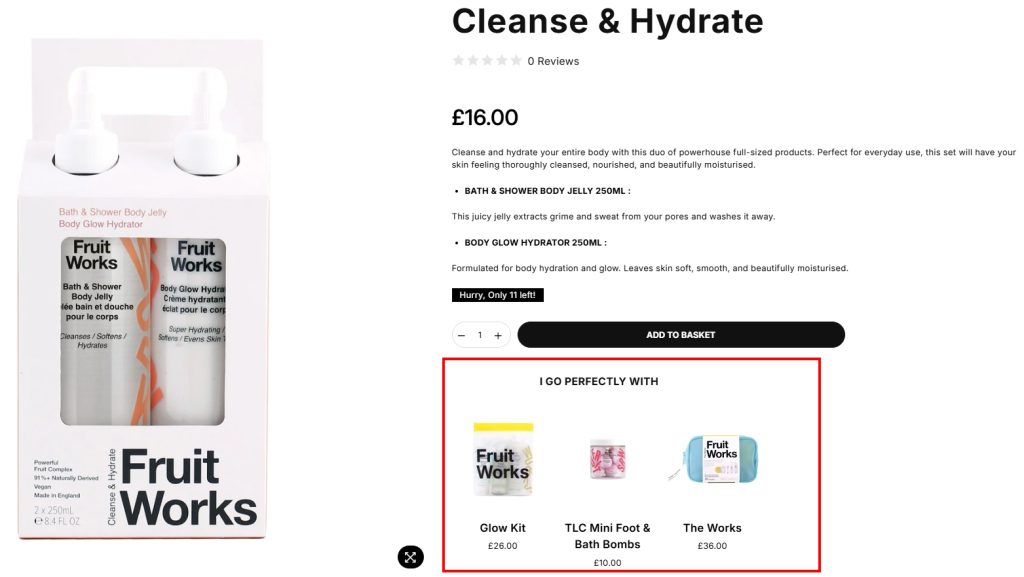
These examples might look small, but they add up quickly across hundreds or thousands of customers.
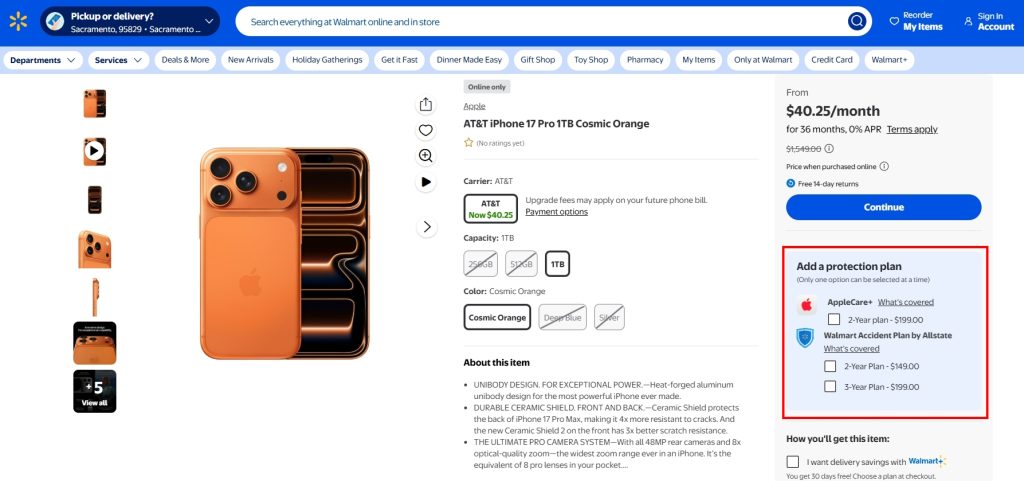
None of them require new traffic. They simply make each order more valuable.
People often choose the option that feels like the smarter deal.
That’s why a “best value” badge or a clearly structured bundle can outperform a long sales pitch.
Value lifts work because of simple human behavior.
When you help people make confident decisions, they can naturally select options with higher perceived value.
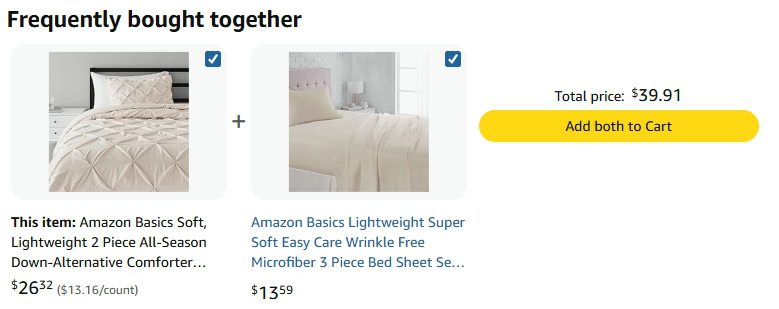
You don’t need huge catalogs or advanced pricing tactics to increase AOV. Often it starts with simple shifts.
These are the kinds of tweaks that most stores overlook until they see the data.
Use Sigmize and you don’t have to guess whether your bundle or price change will work.
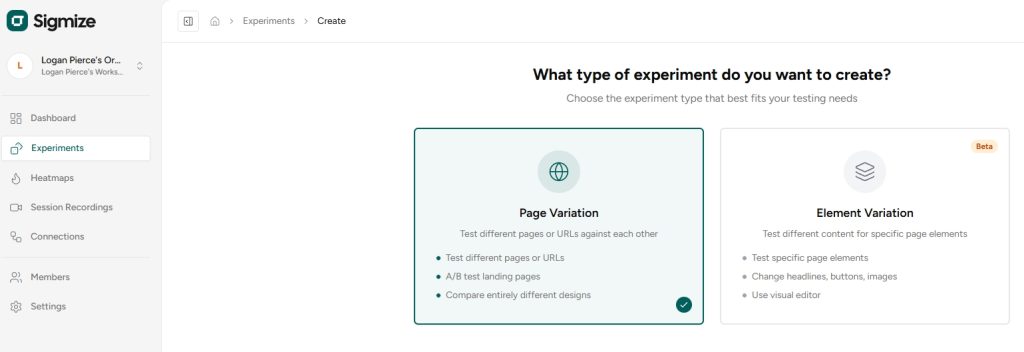
Here’s how:
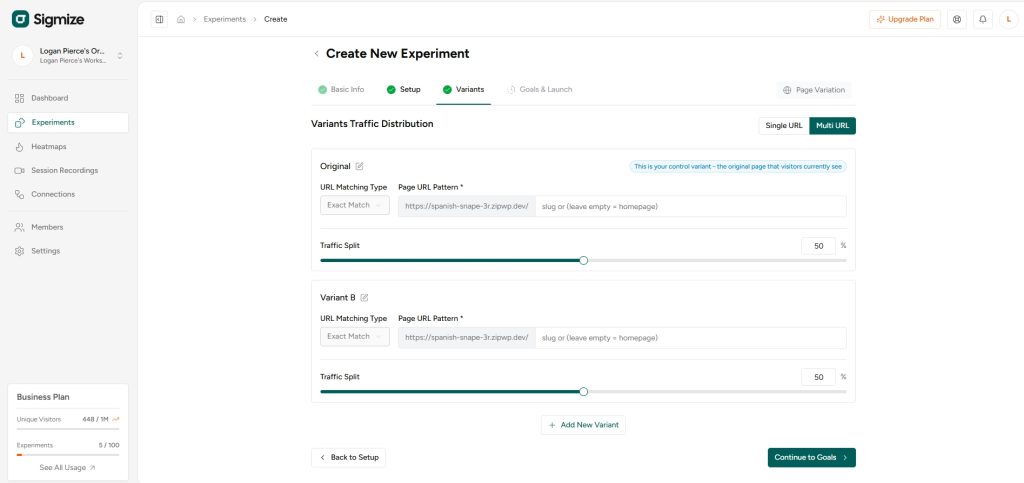
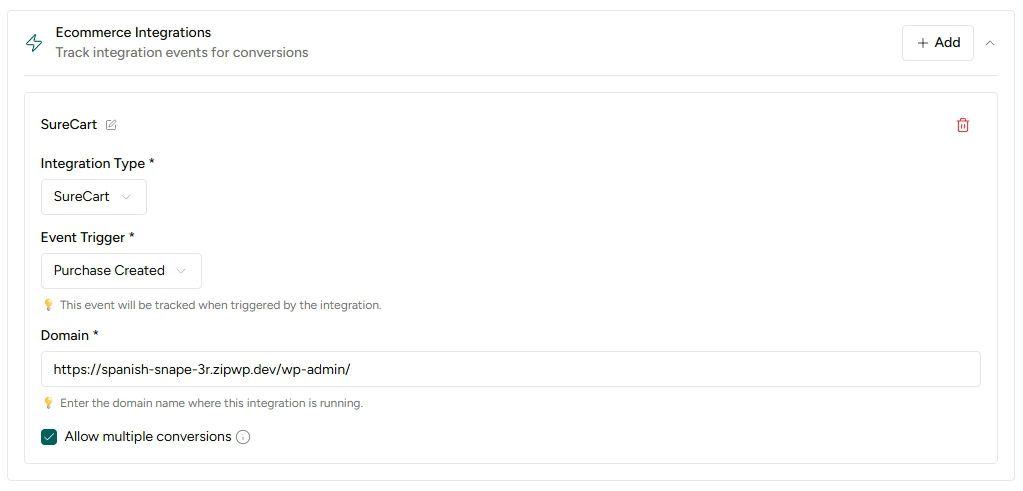
If Variant B consistently produces higher AOV, you’ve unlocked real value growth.
Volume growth means increasing the number of people who complete a purchase.
Instead of focusing on how much each customer spends, you focus on how many customers say yes.
When conversion rate rises, order count rises. That’s volume.
Imagine you run a brick and mortar store. If ten people walk in and only one buys, that’s a weak conversion rate.
If you make a few smart changes and now three people buy, your volume has increased.
You didn’t have to attract more customers as people are visiting anyway. You simply helped them make a purchase decision.
This is often the least intimidating place to start because the changes are usually simple.
Clarity, trust, and ease of use have a bigger impact than most people realise.
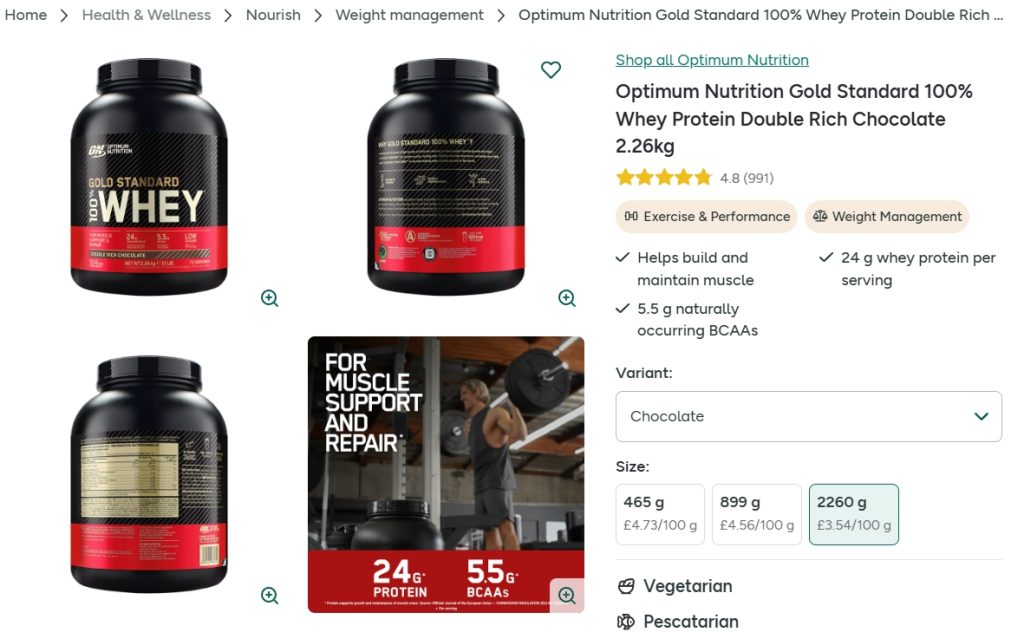
These small improvements often move conversion rates more than any paid traffic campaign.
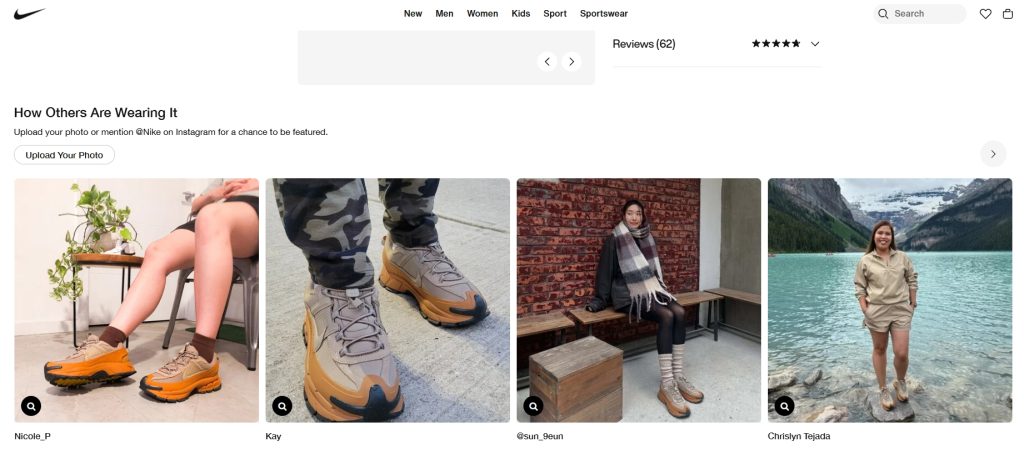
None of these change the AOV. They simply make buying easier, which increases the number of people who complete the journey.
Shoppers tend to move fast. They scan, they skim and they decide in seconds whether to stay or leave.
When something feels unclear or risky, they hesitate. That hesitation kills conversion.
Volume grows when you reduce that hesitation by improving three things:
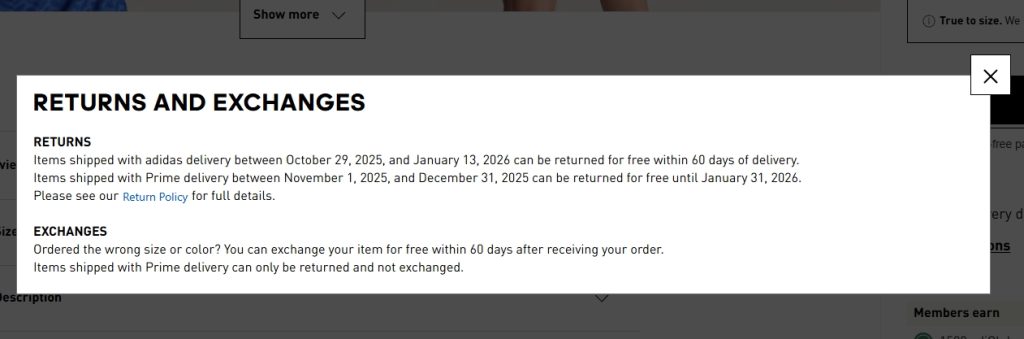
If you remove friction, more people complete the purchase. It’s that simple.
As a store owner, you could see wins quickly with these changes:
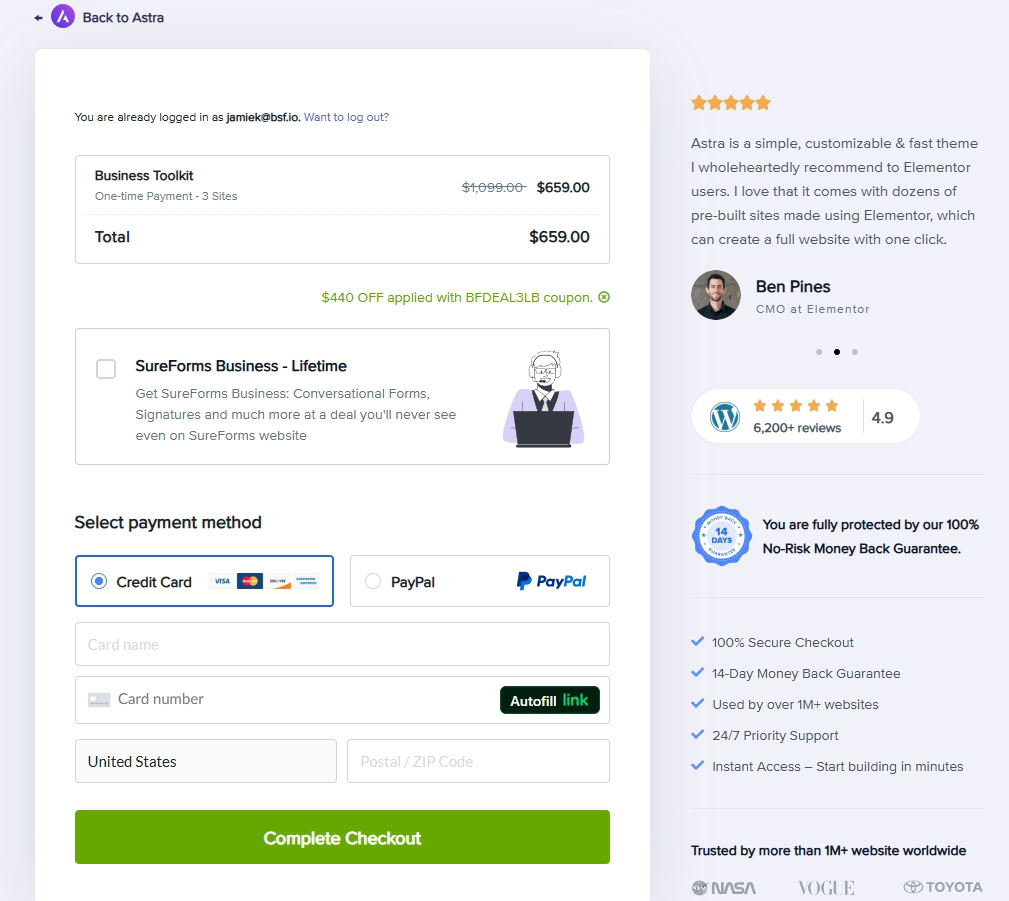
Every improvement increases the number of shoppers who continue the journey rather than abandon their cart.
Volume testing starts with understanding where people drop off. That’s exactly what Sigmize helps you uncover.
First, enable heatmaps and session replays and watch how people move through your page.
Sigmize > Experiments > Create > Additional Tracking
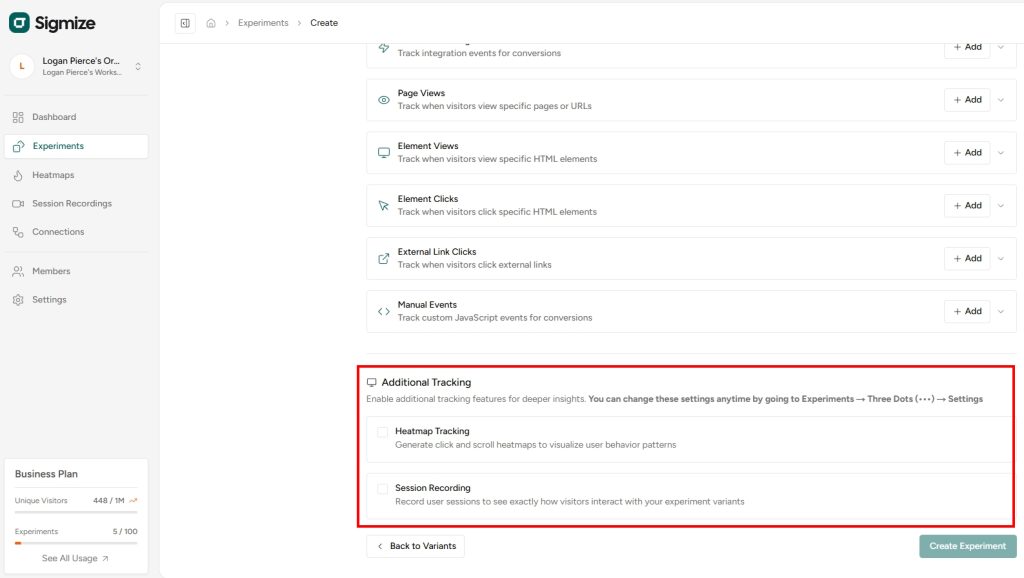
Look for signals like:
Once you spot a friction point, you can create a landing page experiment.
If you enable session recordings, you can watch the user experience on the page and see exactly what works and what doesn’t.
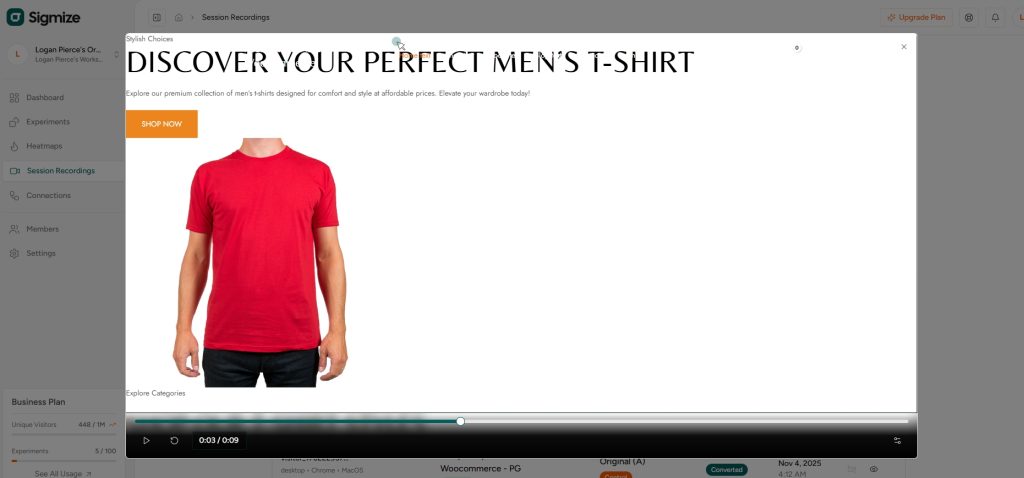
For example, you see visitors hover over a confusing shipping message. You test a version with simplified text.
Conversions rise because customers no longer felt uncertain about delivery costs.
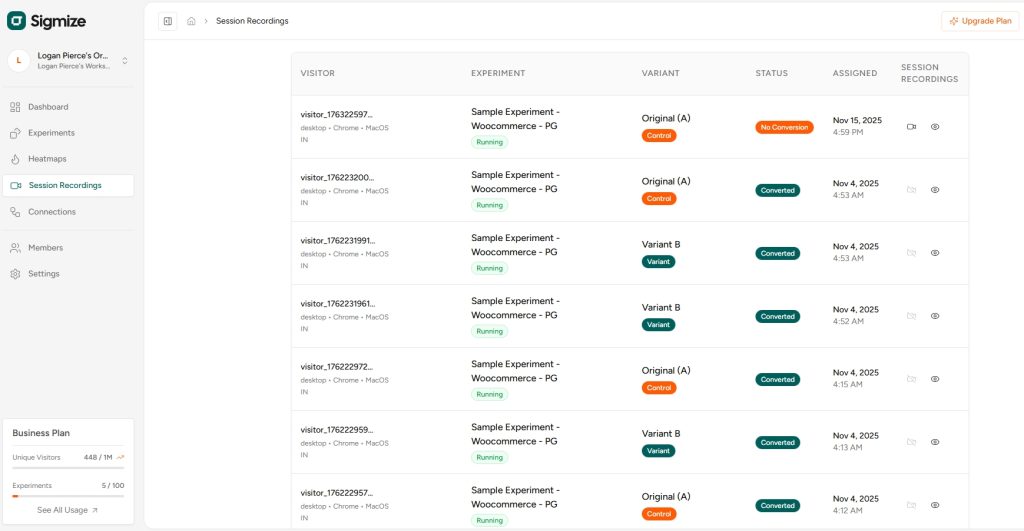
Sigmize anonymously records user sessions and stores them so you can check any experiment at any time.
Most eCommerce stores grow unevenly. They either get good at value or good at volume, but rarely both at the same time.
That creates an unstable business because one lever hides the weakness of the other.
Real growth happens when both improve together, because they multiply each other’s impact.
A common example is ad scaling. A brand spends more on Facebook or Google ads thinking traffic equals growth.
But if the product page still has weak CTAs, unclear copy or low trust, most of that expensive traffic leaves without buying.
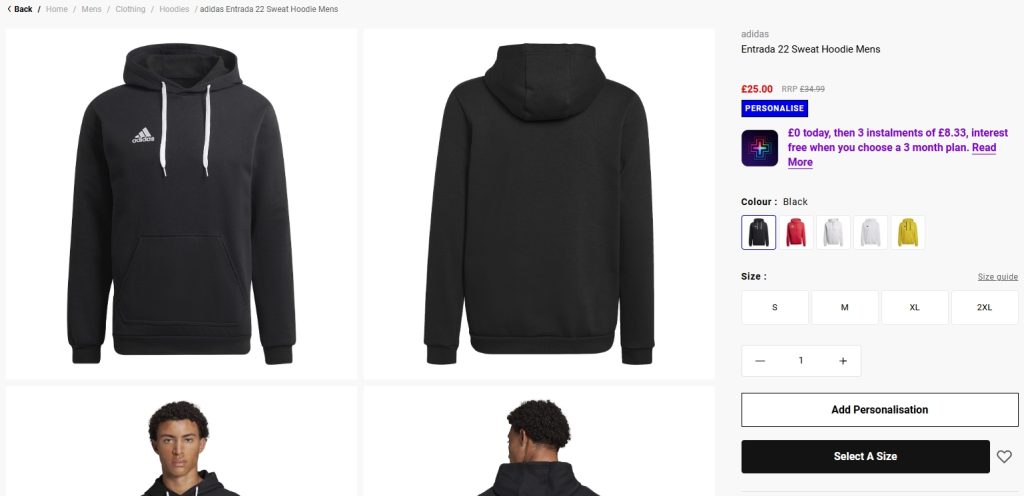
They pulled the volume lever, but ignored value and basic conversion health, so money leaked out of the funnel.
Another example is a strong bundle strategy with almost no traffic.
The store has great AOV, but only a few buyers a day. They pulled the value lever but ignored volume, so growth remains flat.
That’s why you need both value and volume working together.
Value and volume don’t add, they multiply.
Let’s say you made improvements to your store and:
If these were isolated improvements, you’d think of them as small upgrades. But combined, they produce a far bigger increase in store profit.
That combination creates compounding, which is the closest any of us get to free money.
This is where Sigmize becomes genuinely powerful. You can run value and volume tests at the same time without conflicts.
For example:
Sigmize handles these through independent experiments so you get clean, reliable data on which changes produce the strongest improvement.
Enable heatmaps and you’ll get an extra layer of data from which to base your decisions.
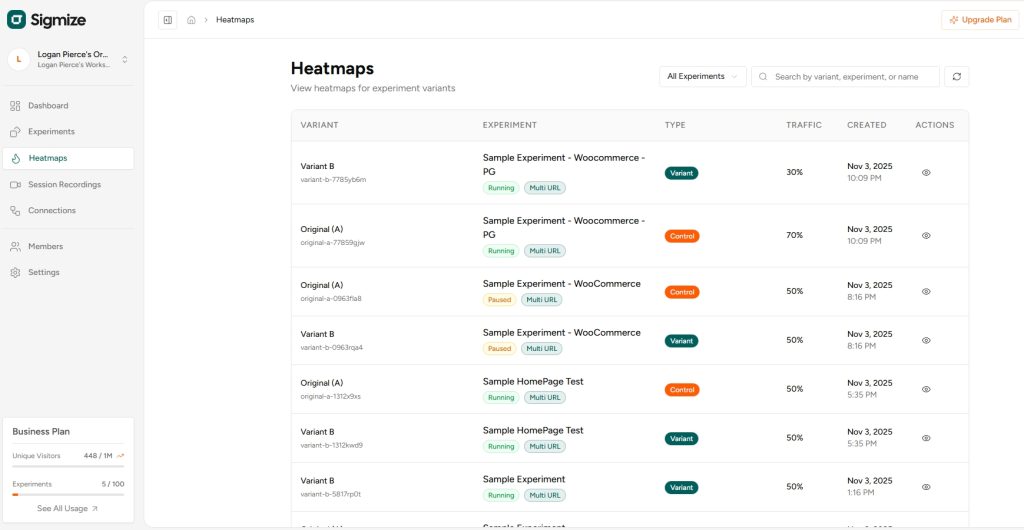
You don’t lose visibility. You don’t merge tests accidentally. You simply pull both levers in a controlled way.
Early growth often comes from simple fixes. But sustainable growth comes from layered improvements that stack over time.
When you’re testing both value and volume regularly, you create a steady rhythm.
That’s when growth stops feeling random and starts feeling predictable.
If you’re thinking about long term health, volume gives you more buyers, which leads to more repeat purchases, stronger word of mouth and a larger audience.
That lowers customer acquisition costs and stabilizes the business even when traffic costs rise.
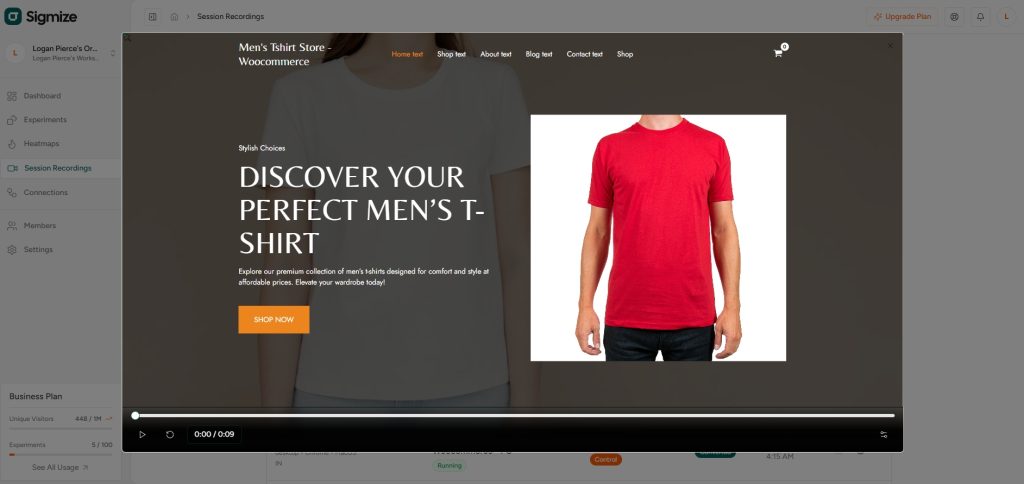
Watch 10 non-purchase sessions. Look for frustration signals like repeated back and forth, confusion or broken flows.
Then use an experiment to change the problematic section.
For example, if shoppers repeatedly click an image expecting it to zoom but nothing happens, you can test a zoom enabled variant.
If they complete only half of your checkout form, you can test a shorter, more optimized version.
Small fixes often unlock meaningful lifts in conversion.
You already know value can lift revenue. You already know volume brings stability.
When both improve together, your store becomes stronger, more stable and far more profitable.
Most brands stop at opinions. They debate headlines, shuffle bundles by instinct or copy whatever their competitors seem to be doing.
But the stores that grow consistently behave differently. They test their ideas so every improvement is backed by real behavior, not hunches.
Sigmize gives you the tools to do that.
You can test pricing ideas, bundle layouts, hero sections, checkout changes or any part of your sales funnel without breaking anything or confusing visitors.
You can watch how real shoppers move through your pages, see where they hesitate and fix those moments with targeted experiments.
If you want predictable growth in both value and volume, don’t guess.
Test your way to higher profit.
Try Sigmize and start growing with confidence.

Abhijeet Kaldate is the co-founder and CRO of Brainstorm Force. With a keen eye for detail and a knack for getting things done, Abhijeet oversees the company's operations, managing key areas such as HR, marketing, design and finance.
Disclosure: This blog may contain affiliate links. If you make a purchase through one of these links, we may receive a small commission. Read disclosure. Rest assured that we only recommend products that we have personally used and believe will add value to our readers. Thanks for your support!
Join 1,587,020 Subscribers
Get exclusive access to new tips, articles, guides, updates, and more.
此内容由惯性聚合(RSS阅读器)自动聚合整理,仅供阅读参考。 原文来自 — 版权归原作者所有。