


Get the Popular Science daily newsletter💡
Breakthroughs, discoveries, and DIY tips sent six days a week.
By signing up, you confirm you are 16+, will receive newsletters and promotional content and agree to our Terms of Use and acknowledge the data practices in our Privacy Policy. You may unsubscribe at any time.
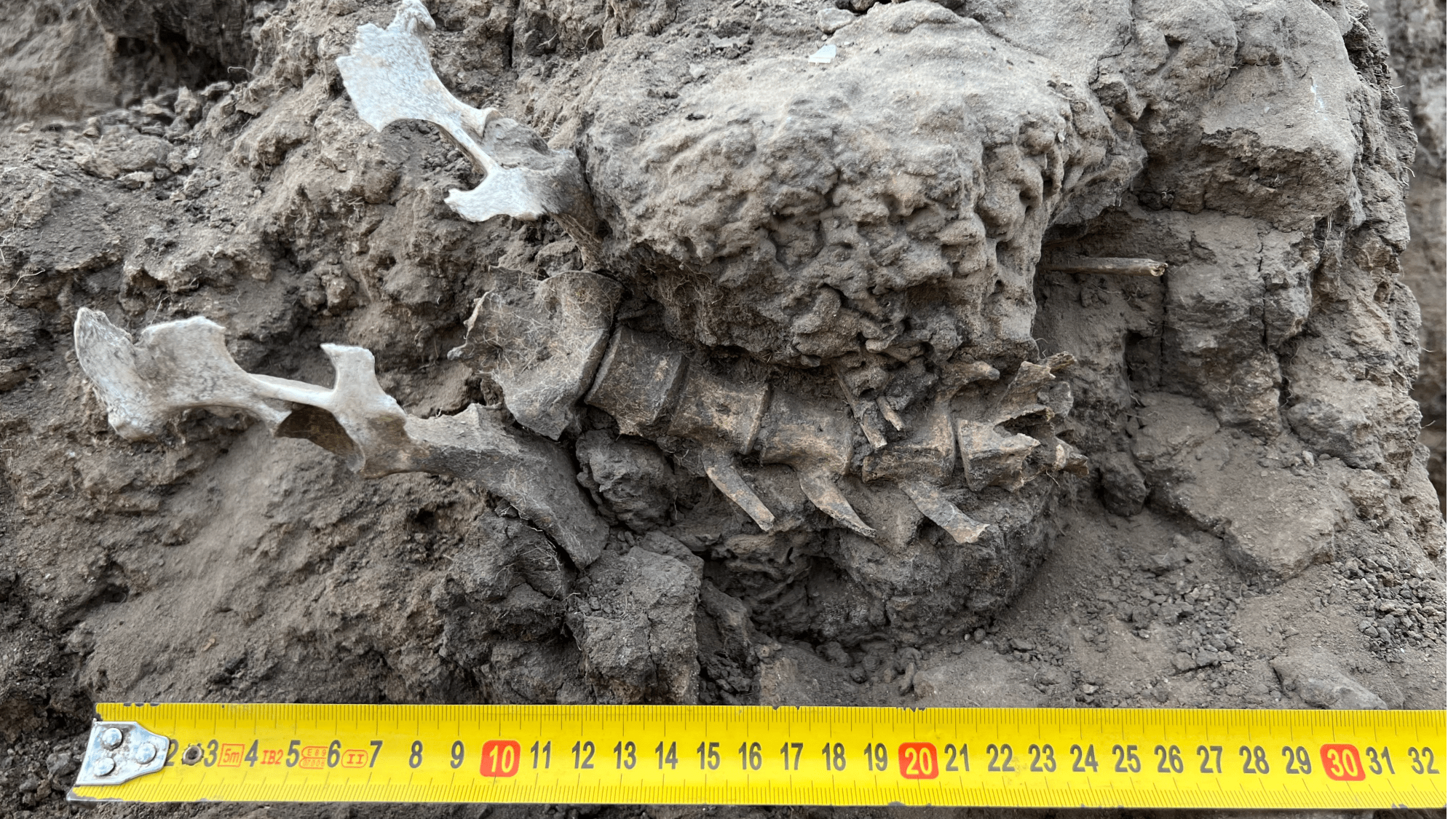
The remains of an ancient dingo is shining new light on deep relationships between Australia’s First Nations and the wild dogs. Barkindji ancestors deliberately cared for and buried the dingo along the Baaka (Darling River) about 800 miles west of Sydney.
The dingo is known as garli in Barkindji language and they lived alongside the Barkindji as part of the community. While burying the dog, the Barkindji took great care in building a midden, or a spot to place organic material. The people living there continued to bring river mussel shells to the midden for hundreds of years after the dingo’s death. Archaeologists believe that this marks the first time this type of post-death feeding ritual has been scientifically documented. The findings are detailed in a study published today in the journal Australian Archeology.
“While Barkindji people have always known about this cultural practice, this discovery is really powerful because it provides new details on the depth of that relationship between Barkindji people and dingoes,” study co-author Dr. Amy Way, an archaeologist at the Australia Museum and university, said in a statement. “If garli were buried with the same care and respect we see for human ancestors, including mothers and elders, it tells us these animals were profoundly valued and loved.”
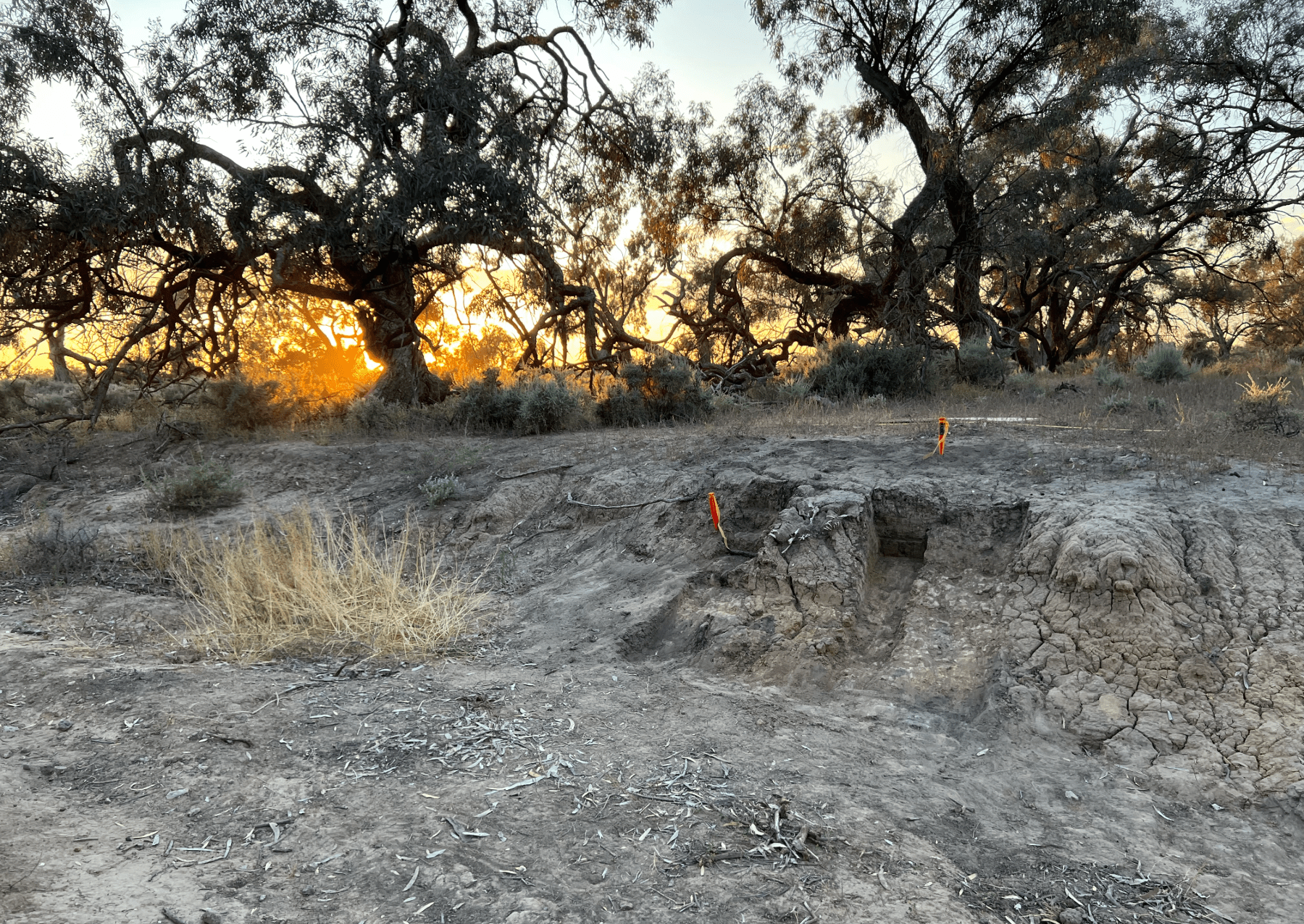
The burial site was first identified in 2020 by Barkindji Elder Uncle Badger Bates and National Parks and Wildlife Service (NPWS) archaeologist Dan Witter within a road cutting as erosion exposed the skeleton. Barkindji custodian Dave Doyleand and Elder Barb Quayle worked alongside the team during the analysis and excavation requested by the Menindee Aboriginal Elders Council. Elderlders guided the care of the remains throughout the research, including smoking ceremonies at the beginning of the excavation to honor their departed ancestor.

Excavating a 1,000-year-old dingo
The male dingo was deliberately buried sometime between 963 and 916 years ago within a midden along the river. It was about four to seven years old, and his heavily worn teeth suggest a long life spent hunting.
Interestingly, the dingo had several healed injuries, including a broken lower leg and broken ribs. Based on the injuries, the dog may have been kicked by a kangaroo while hunting. This shows that the dingo likely survived with prolonged care by the Barkindji people.
“This confirms these traditions were much more widespread than we once thought,” added study co-author Dr. Loukas Koungoulos, a postdoctoral fellow at the University of Western Australia and research associate at the Australian Museum. “Dingoes like this garli weren’t simply tolerated around camps. They were tamed, lived with people and were embedded in daily life.”
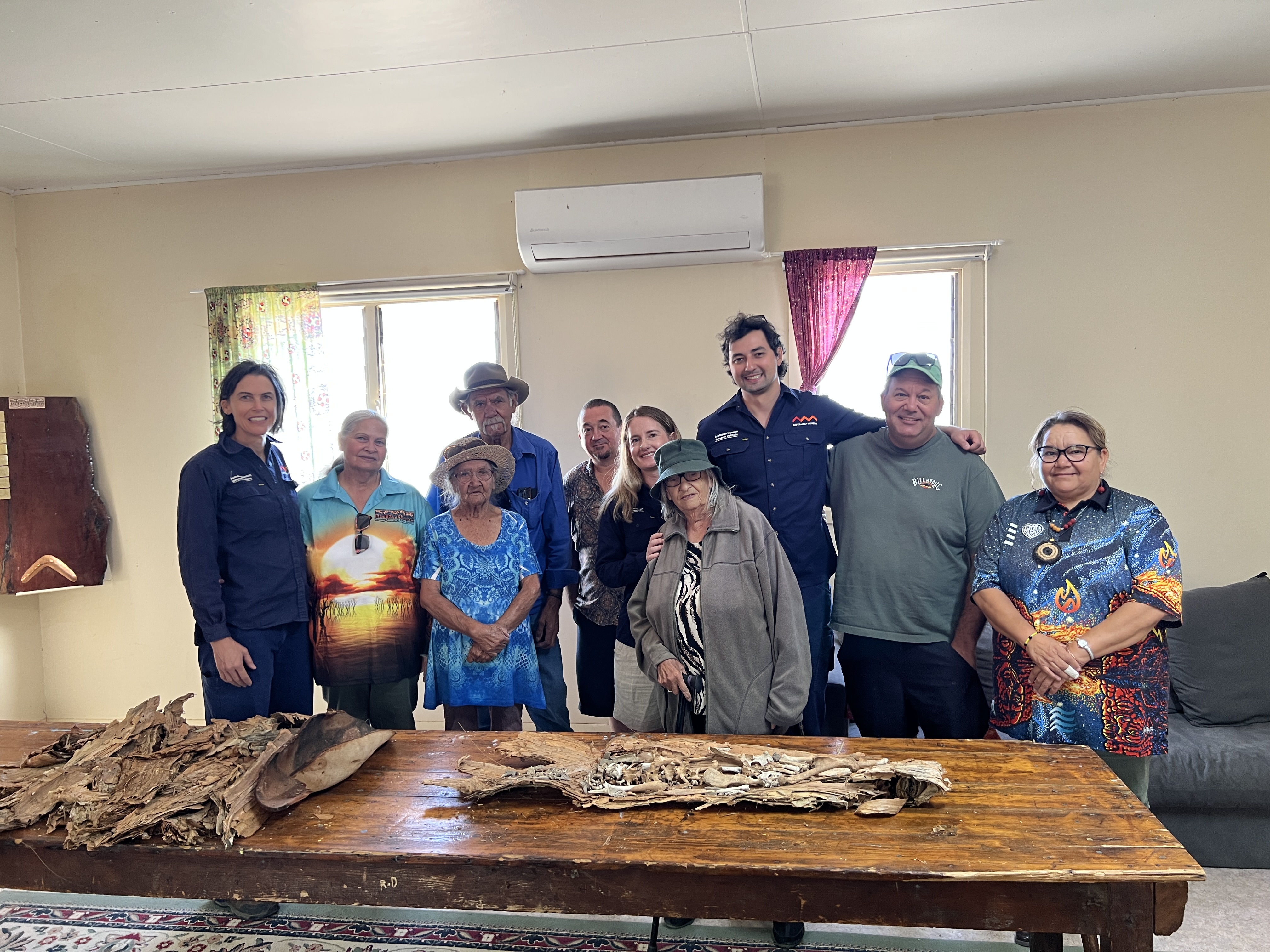
When the dingo died, he was buried in a midden that appears to have been built right before the burial or at the same time People kept adding to it for hundreds of years after death. Barkindji Elders say that these ongoing additions formed part of a “feeding” ritual that honored the dog as an ancestor and that the site was maintained across multiple generations. After the analysis, the dingo’s remains were returned to Country. In Indigenous contexts, the word Country is capitalized to include the physical land and deep spiritual, cultural, and social dimensions of the area that are integral to identity and heritage.
“This research reinforces what Barkindji people have always known,” Dr Way said. “These relationships with animals, ancestors and Country were deep, deliberate and ongoing.”

2025 PopSci Best of What’s New
The 50 most important innovations of the year