


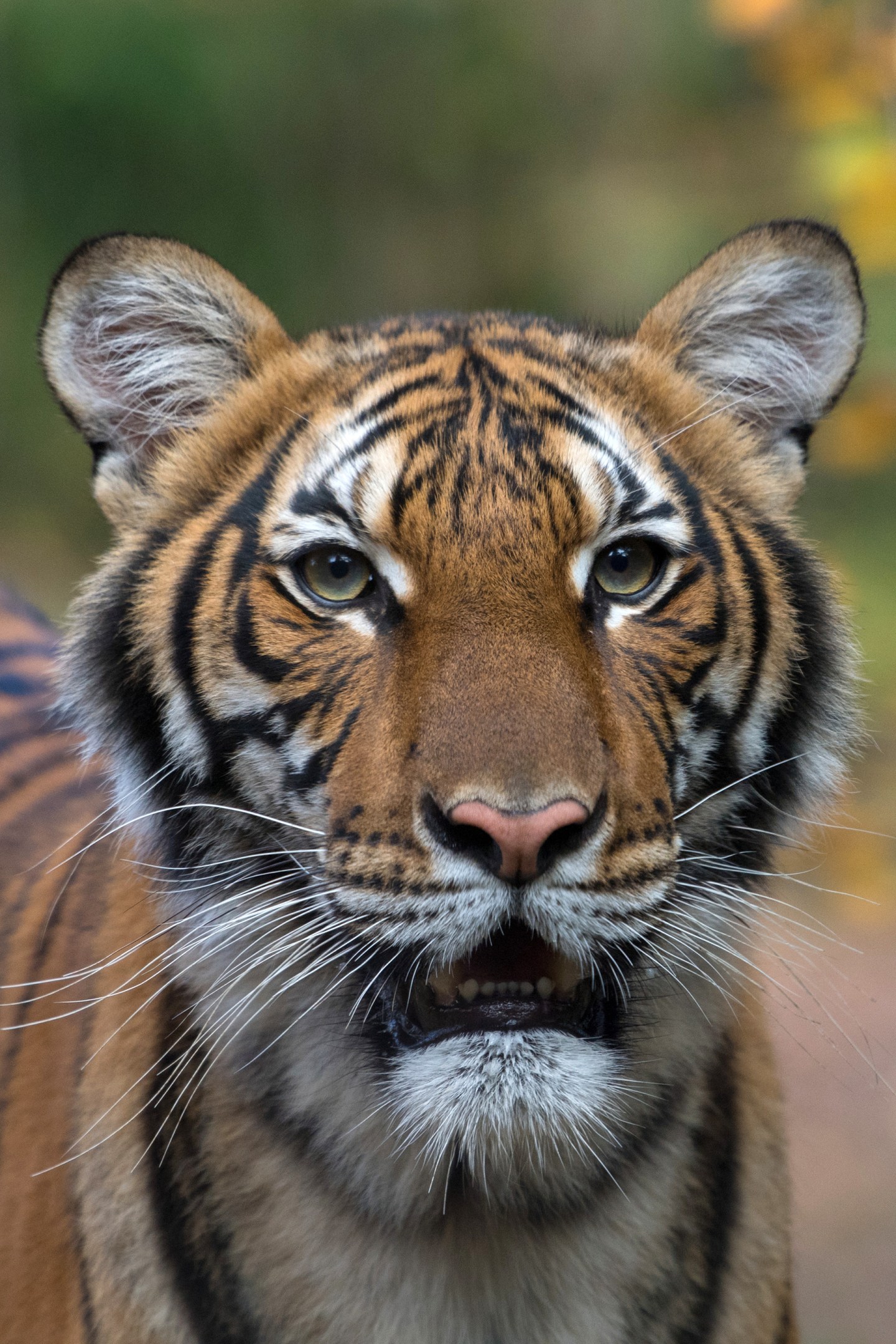
Nadia, a Malayan tiger housed at the Bronx Zoo, was 4 years old when she became the first known animal in the U.S. to test positive for the coronavirus.
Since April 2020, Nadia and a handful of tigers, lions, cougars, snow leopards, gorillas, and otters have contracted COVID-19. The sporadic cases in wildlife have subsided with treatment, all without casualties—but not before shaking the zookeeper community with a frightening realization: Visitors and staff are at risk from the virus, but so are animals.
“It was unexpected,” Dan Ashe, CEO of the Association of Zoos and Aquariums (AZA), says of Nadia testing positive for the virus. The association is a nonprofit organization that provides accreditation status to more than 240 zoos and aquariums around the world.
Within hours of the Bronx Zoo announcing Nadia had tested positive, zoos were jumping into action to minimize coronavirus exposure among their animals, Ashe says. They began to enforce mask mandates for staff and were putting up barriers between humans and animals.
Courtesy of WCS
Now, more than half of the U.S. population has been vaccinated. Information on the virus is more readily available—if not still limited. The Centers for Disease Control and Prevention (CDC) has rolled back mask recommendations for vaccinated individuals, and cases have plummeted. But there’s an important detail zoos have in mind that many visitors don’t: Animals are still vulnerable.
The coronavirus wreaked havoc on the zookeeping industry, as stay-at-home orders forced organizations to close their doors to visitors. In many cases, spring and summer revenue fell dramatically.
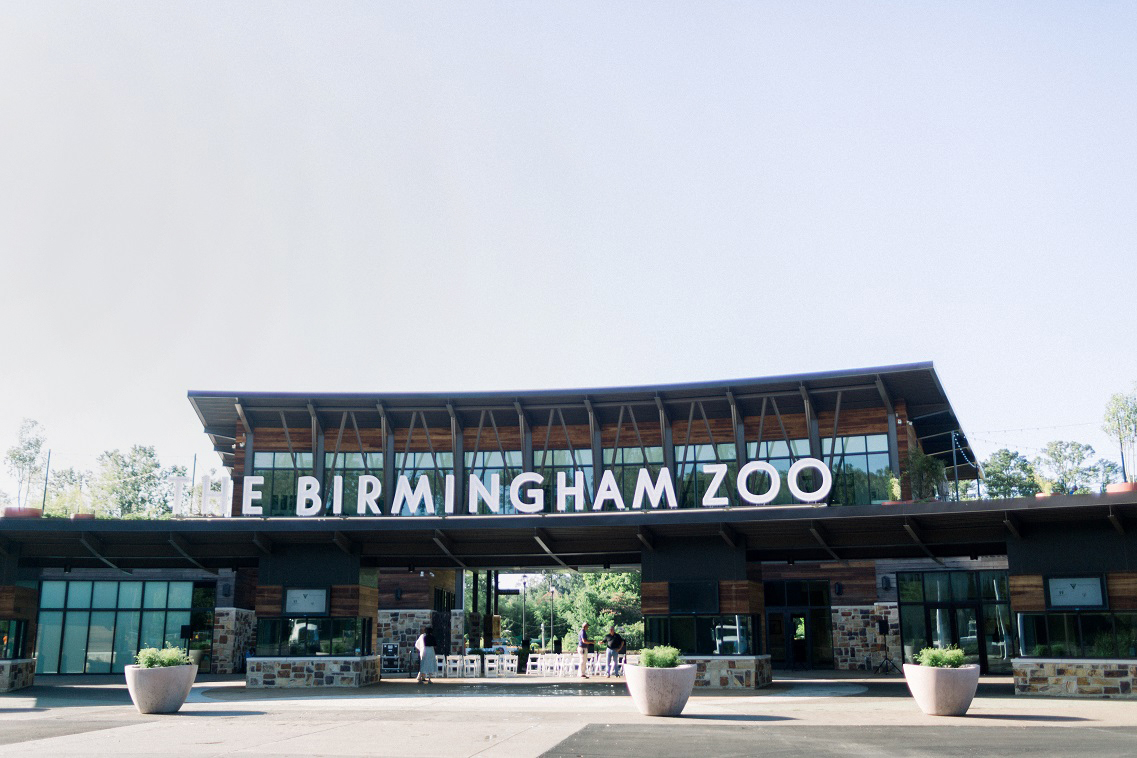
“We shut down a week before spring break, which is when we make the majority of our revenue to get us through the hot Alabama summer,” says Chris Pfefferkorn, CEO of the Birmingham Zoo. “That really—that was a big impact.”
The Birmingham Zoo shut down for three months in 2020, and it was incurring about $30,000 a day in costs to care for its animals, with zero revenue coming in, Pfefferkorn tells Fortune.
Courtesy of the Birmingham Zoo
Even without visitors, animals still demand their standard care—zookeepers, veterinarians, and facility workers all need to keep coming into work and taking care of the multi-acre premises.
“Cages break. Furnaces shut down. Plumbing backs up,” says Randy Wisthoff, CEO of the Kansas City Zoo. “You have to have the staff there that can fix all of that.”
Many zoos, including those in Kansas City and Birmingham, took out both rounds of Paycheck Protection Program loans in order to keep their staff salaried and offering quality care to the animals.
“It was critical to helping our members get through that period from March to July of 2020,” Ashe says.
Also vital in Birmingham: local support. The staff raised approximately $1 million dollars in 2020 in emergency funding to make it through the pandemic.
“The generosity of our community is really what got us through,” Pfefferkorn says.
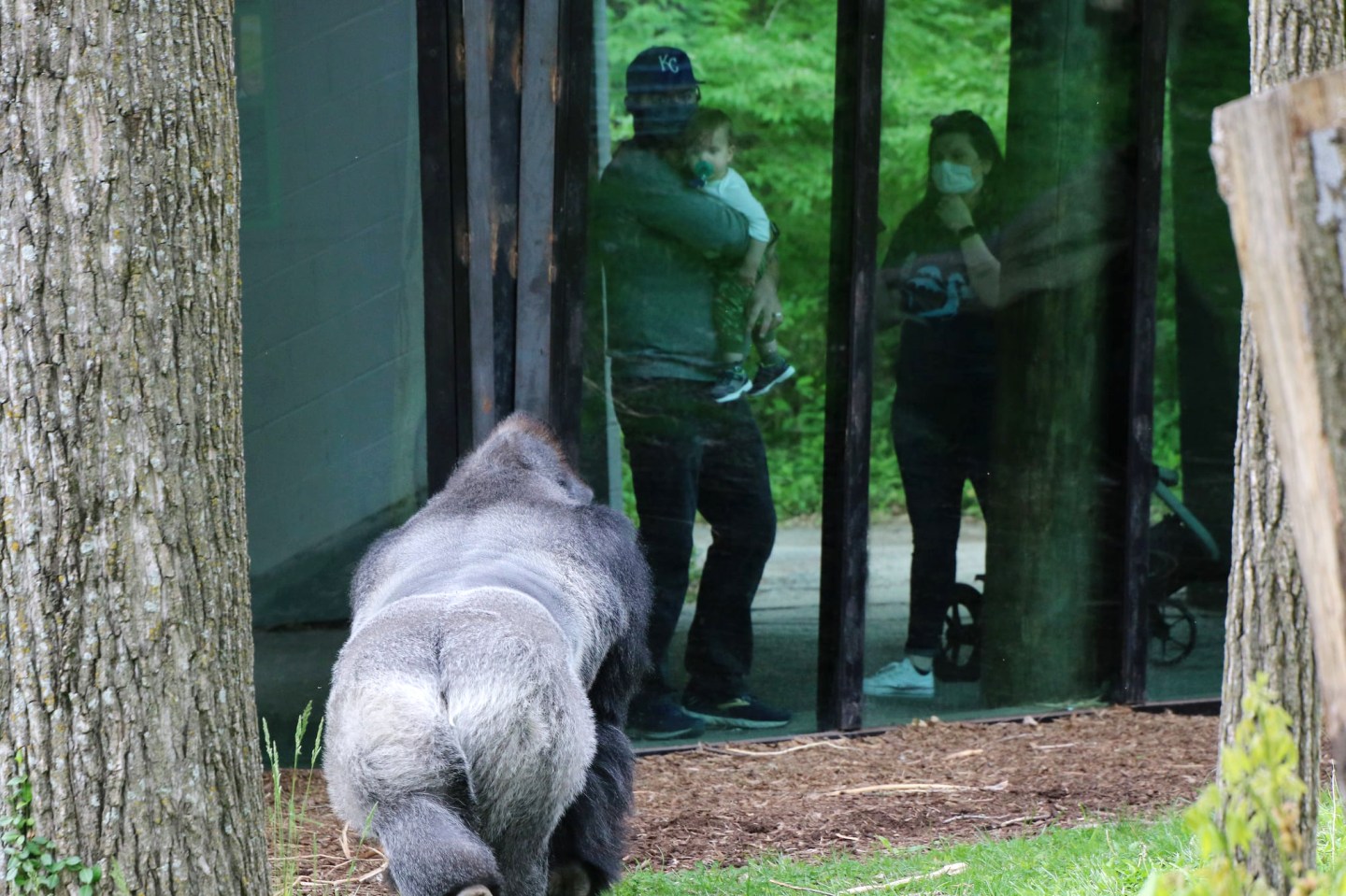
Upon opening their doors, zoos got innovative: trying out new features like timed entry, one-way traffic, cashless transactions, or, in the case of the San Antonio Zoo, a drive-thru experience.
Courtesy of Bill Arimborgo
The extent of risk the coronavirus poses to animals is still largely uncertain, and more studies are needed.
Cases of the virus in animals have largely been isolated and nonfatal—except for in farmed minks (National Geographic reported that 12,000 mink have died of COVID-19, and Denmark killed millions of mink after they were believed to have developed a mutation of the virus that could spread to humans).
Only 215 animals, excluding mink, have tested positive for the coronavirus—a “small number” that predominantly resulted from close contact with people who have tested positive—according to data from the U.S. Department of Agriculture. As of May 15, 2021, only 7,882 COVID test results for animals have been reported to the department.
Animals have, “in many situations,” developed COVID-19 in zoos despite staff wearing PPE and following coronavirus precautions, according to the CDC. There is currently no evidence that the virus is circulating among free-living wildlife in the U.S., or that wildlife could be a significant source of infection for humans.
Only a few zoos have experienced outbreaks. The Bronx Zoo, which houses Nadia, had four tigers and three African lions test positive for the virus. In January 2021, gorillas at the San Diego Zoo tested positive. At the Prague Zoo, a gorilla and two lions contracted COVID-19 in late February.
Zoos have been reassured by the recovery of these animals, according to Wisthoff at the Kansas City Zoo, who notes, “There wasn’t an overwhelming feeling at our zoo that it was going to be fatal if they did become infected.”
Even so, much is still unknown and data is limited on the virus’s potential impact on wildlife. Zoos want to err on the side of caution as their facilities begin to fill up again with visitors.
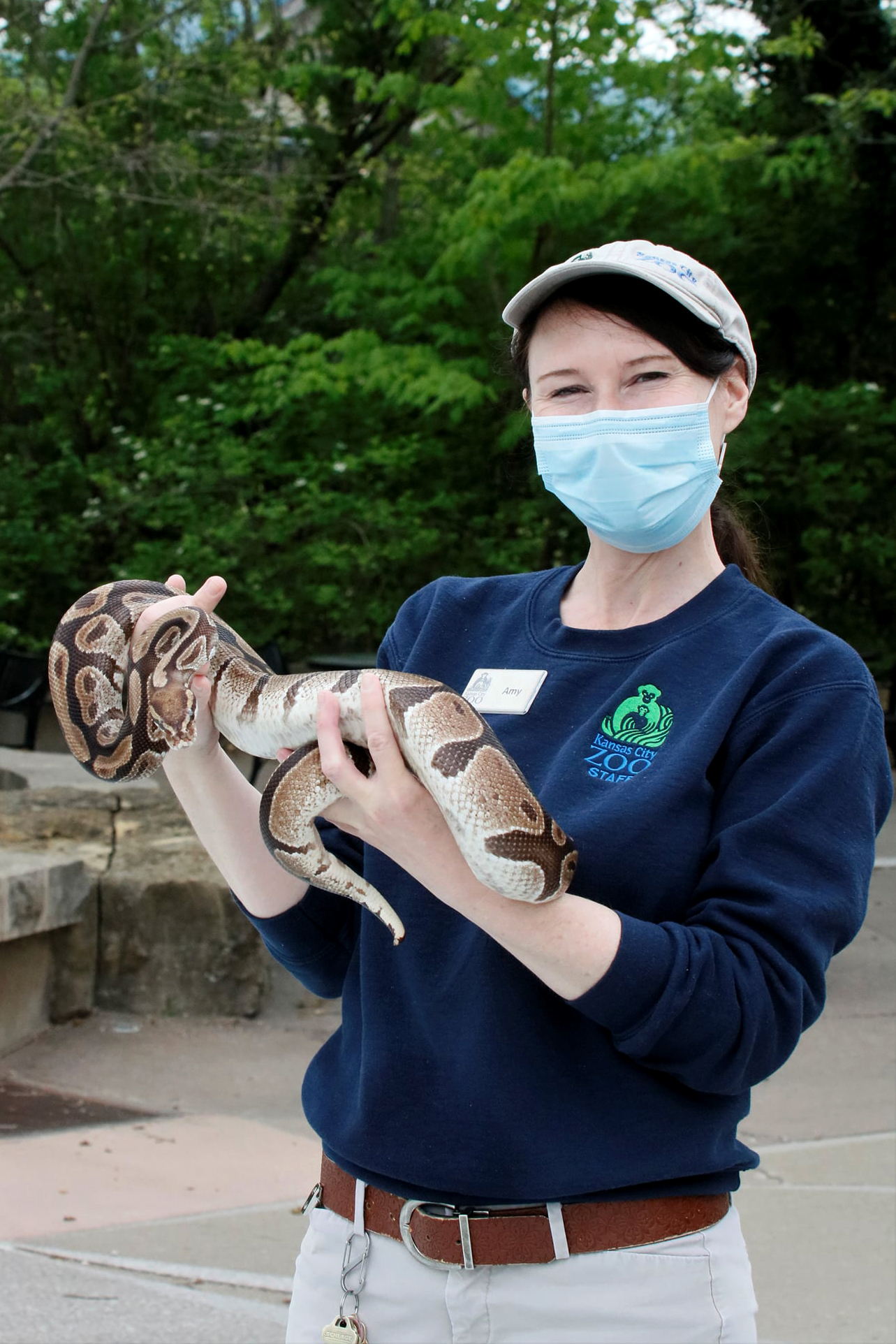
The Kansas City Zoo is experiencing an influx of business: More than 300,000 visitors have stepped through its doors so far this year, Wisthoff says, exceeding the zoo’s predictions by about 50,000. People are spending more at the zoo, between food and gift shop purchases, than ever before, he says.
Courtesy of Bill Arimborgo
Many zoos are maintaining barriers to keep the animals safe, as individuals who aren’t vaccinated can pose a risk.
Pfefferkorn says he is particularly concerned about his zoo given the low vaccination rates in Alabama. About 36% of Alabamians have received one coronavirus shot, and only 29% are fully vaccinated, according to data tracked by the New York Times.
“We’re highly recommending our visitors wear masks, but you can’t enforce it,” Pfefferkorn says. “You know, if we had 2,000 people out there, there’s no way we can tell everybody to keep their mask on; there is no more mandate.”
The Birmingham Zoo is still telling its staff members to wear masks around the animals, with or without the vaccine, and it offered a four-hour time-off incentive to encourage its employees to get a vaccine.
While the zoo was advised that it could not require its employees to report whether or not they had been vaccinated, Pfefferkorn says many of his staff are self-reporting and that “most of our departments” have been vaccinated.
Ashe of the AZA says he hasn’t seen any of its members require people to present proof of vaccination for entry, but he said that many institutions are offering incentives such as free admission to encourage visitors to do so.
There is also a case to be made for animal vaccinations, in order to keep primates and felines safe. In February, the San Diego Zoo vaccinated four of its orangutans and five bonobos. The zoo used an experimental vaccine from animal health company Zoetis.
The vaccination of animals is an “ongoing debate” within the zookeeping community, according to Ashe, who says many of them are sharing information right now and comparing practices. Both the Kansas City and Birmingham zoos say they have decided to wait it out for now.
“It’s still in a real early stage,” Pfefferkorn says of animal vaccine development. “We want to make sure that when we vaccinate our animals it’s effective and we can provide feedback and data to try to determine what the best vaccine or route of administration would be for our animals.”
The industrywide focus currently appears to be centered more on the measures zoos can take among their staff to lessen the risk for animals. But wildlife lovers are hoping that visitors will partake in some of the burden to keep animals safe.
“When people visit the zoo, they have some responsibility for animal health and safety as well,” Pfefferkorn says.
此内容由惯性聚合(RSS阅读器)自动聚合整理,仅供阅读参考。 原文来自 — 版权归原作者所有。