


Published · 4 min read
I was born in a remote village in Turkey, in the northeastern province of Bayburt. It is called Gökçedere, named after the small river that divides the village into two parts. That stream still runs through the settlement and remains part of the village’s identity. But Gökçedere is not its original name. It was once called Pulur, a name that appears in Ottoman records. The village itself is quite old, dating back at least to the 16th century. I only learned much later in life that it had such a long history.
My village has existed under the rule of many empires and states. The wider Bayburt region passed through Urartian, Persian, Roman, Byzantine, Seljuk, Akkoyunlu, and Ottoman periods. It also stood along an old corridor linking Trabzon, Erzurum, and farther east toward Tabriz, which made it part of an important trade route. Those routes brought people from many different regions. Some groups from Central Asia migrated into the area in waves, though it is difficult to know exactly when or how they reached one specific village. In the wider region, this Turkmen background is often associated with Oghuz groups such as the Çepnis, one of the 24 Oghuz tribes. So most likely, we are at least partly descended from the Çepnis. That may explain why the village, and my own family, still carry traces of a nomadic culture.
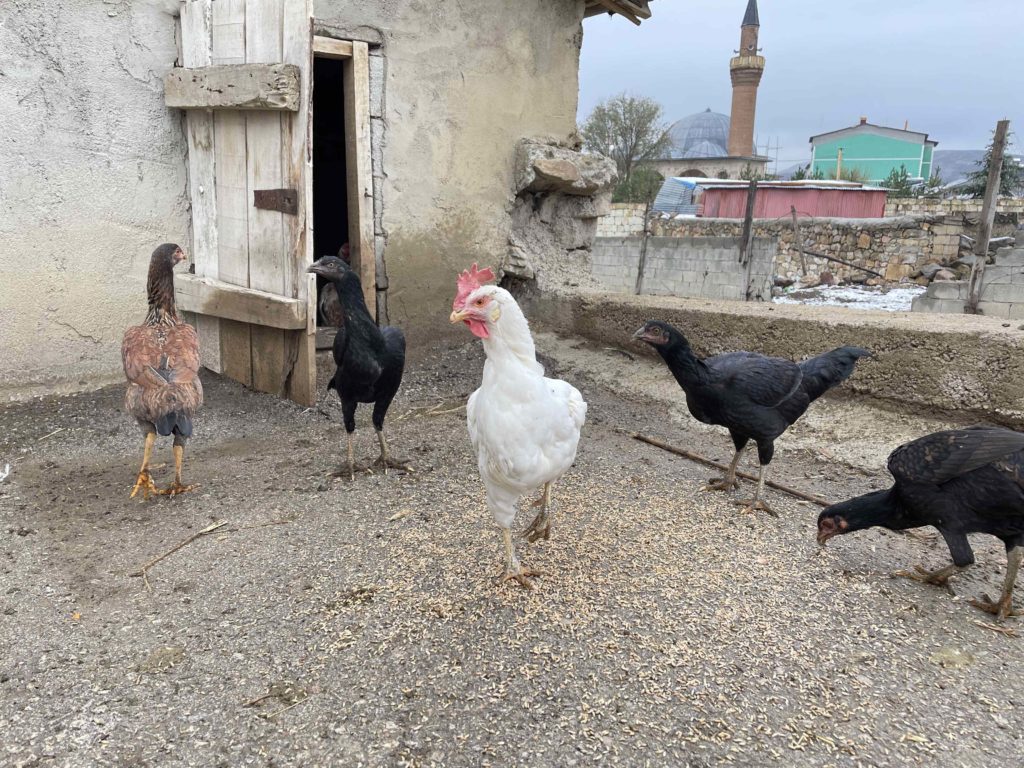
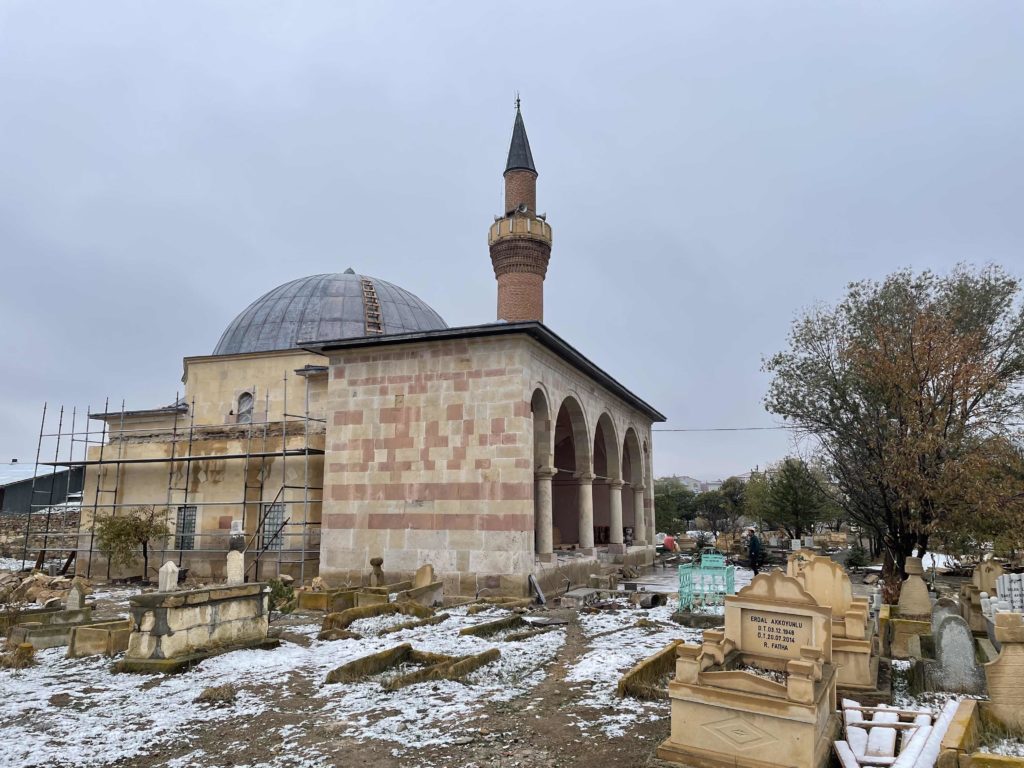
The village still preserves visible traces of that long past. One of the best-known examples is the old mosque and medrese complex, which dates to 1517. There was also a hamam nearby, although it survives only in a damaged state. Even in a small place, these details make you feel that the village was once more connected, more active, and more layered than it might seem at first glance. Much of that past is forgotten now. Few people in Turkey today could point to Pulur on a map.
The nomadic culture still appears in food, language, household goods, and clothing. For instance, kurut, dried yogurt, and et kurusu, dried meat, are still popular. I especially love kurut in soup because it gives it a unique taste. Drying food was practical for nomadic people, since it made it easier to move from place to place. This was especially important when people traveled on horseback. There are also everyday objects that reflect this culture, such as grass-filled mattresses and small portable tables.
Alongside its nomadic roots, the village also reflects the influence of nearby regions. Over time, people came from places such as Armenia, Georgia, Iran, north-central Turkey, and other parts of Central Asia. As a result, other subcultures were absorbed into the village’s nomadic foundation. That cultural blend remained remarkably intact. Even some shamanistic traditions from the Turkmens still survive, though most people do not realize that what they are practicing has such deep origins.
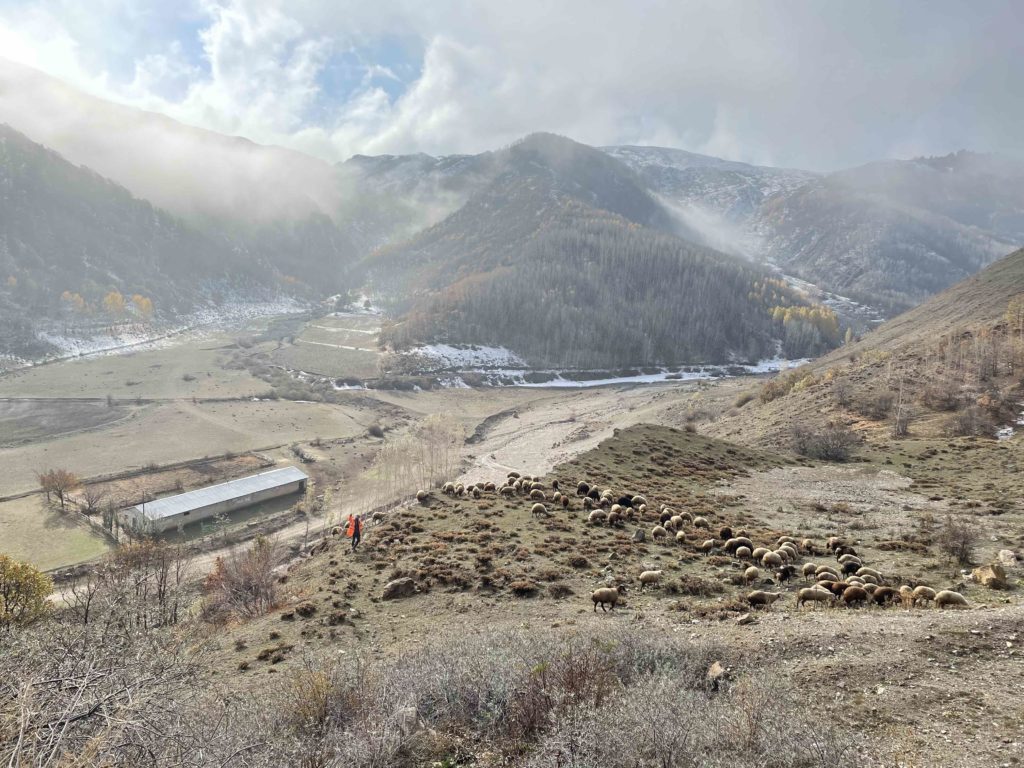
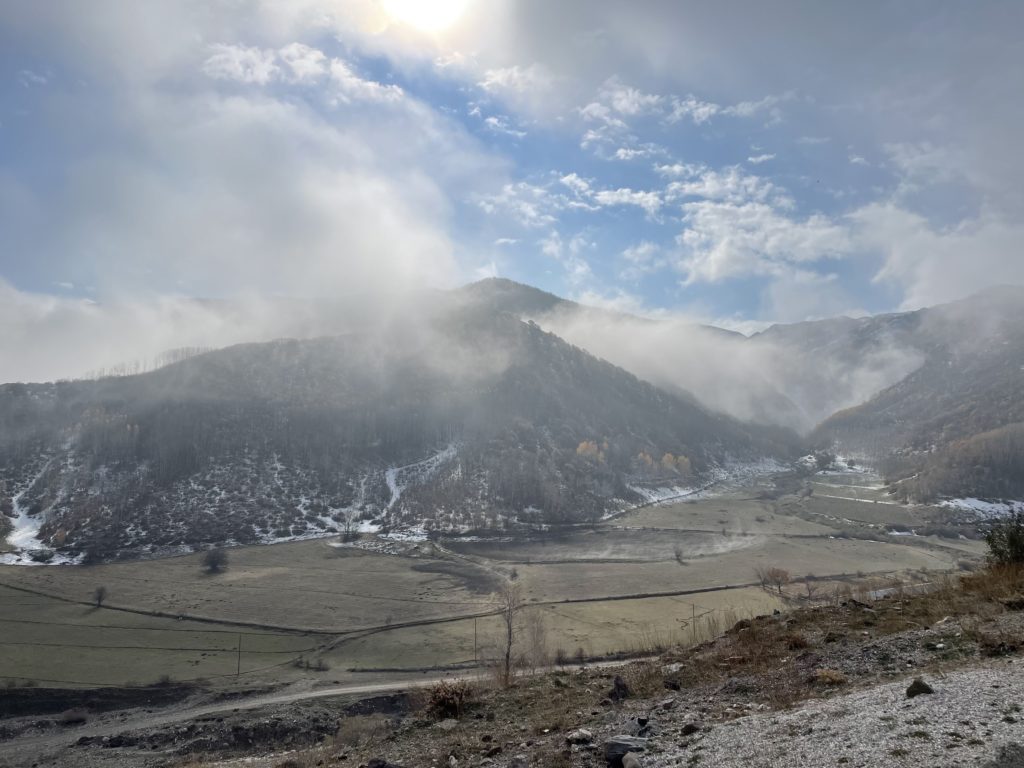
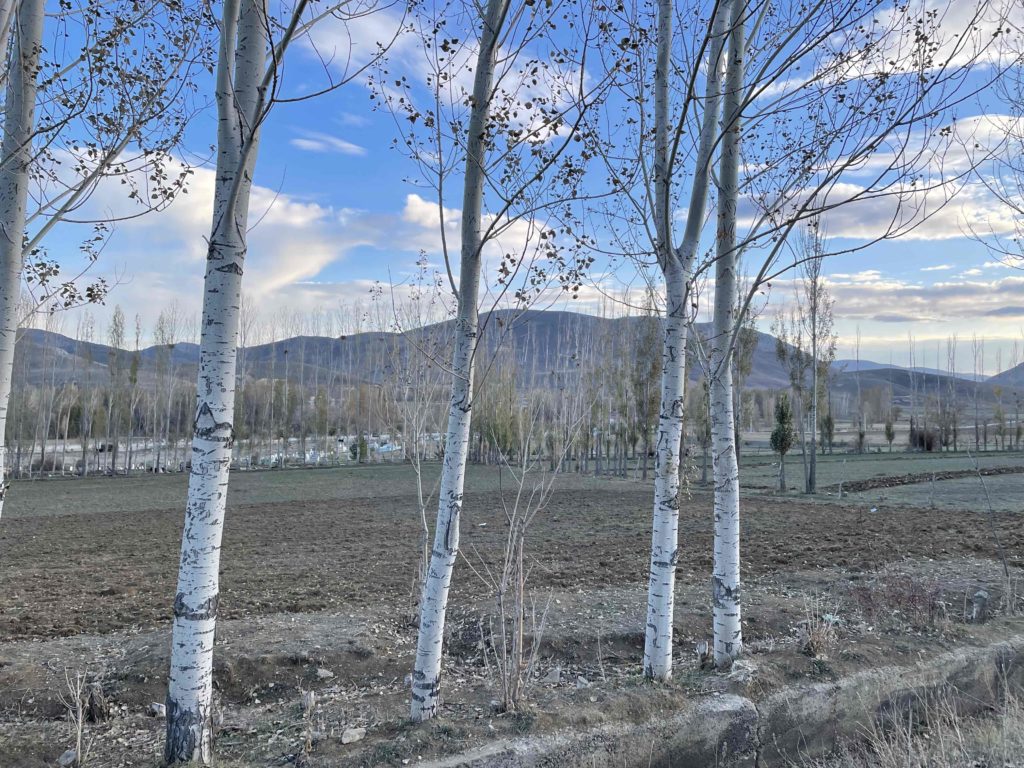
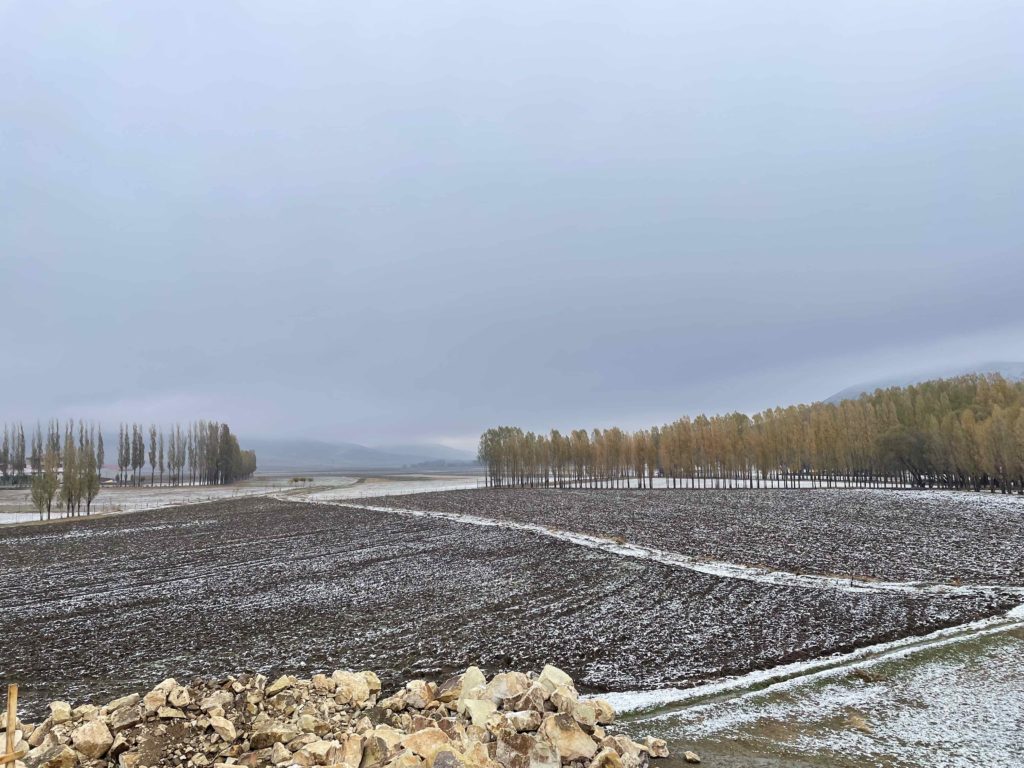
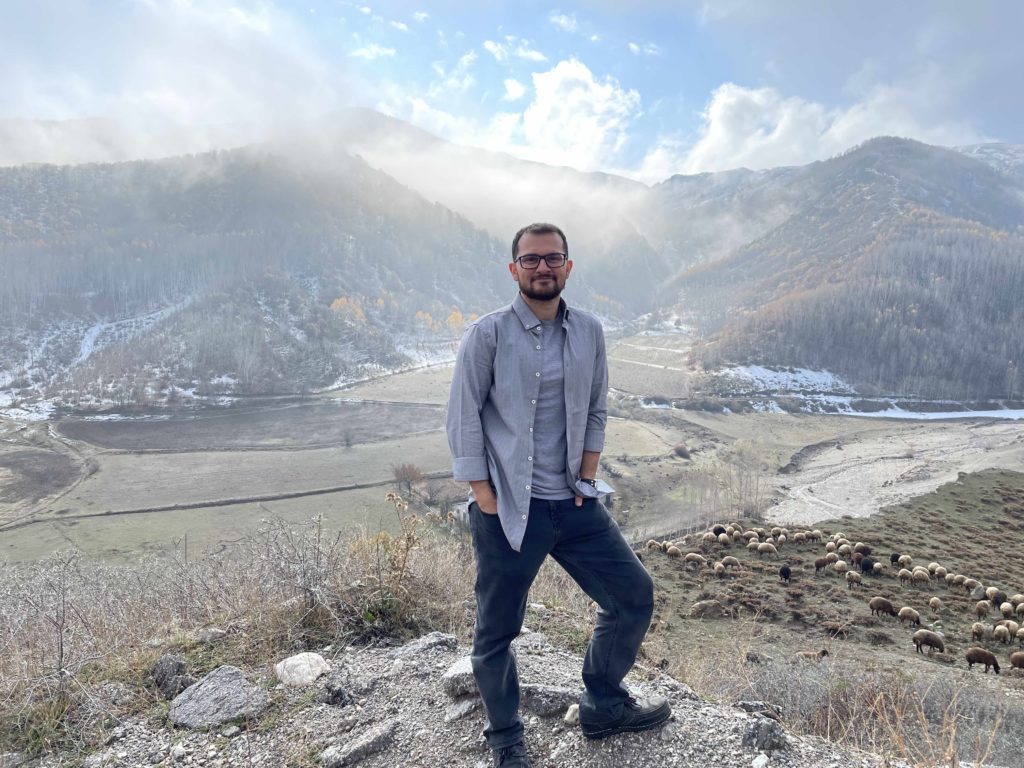
The geography reinforced these habits. Pulur stands at about 1,700 meters above sea level in a mountainous landscape. Winters can be severe. Temperatures in the district can drop to -20°C/-4°F. In a place like that, storage, endurance, animal husbandry, and practicality are not just habits; they are part of survival.
Like many villages in Turkey, Gökçedere changed over time because of migration. Many people left for larger cities in search of work, education, and different opportunities. Even so, villages like this preserve memory in a powerful way. Their past survives not only in records, but in names, habits, buildings, the landscape, and the way older traditions remain visible in ordinary life.
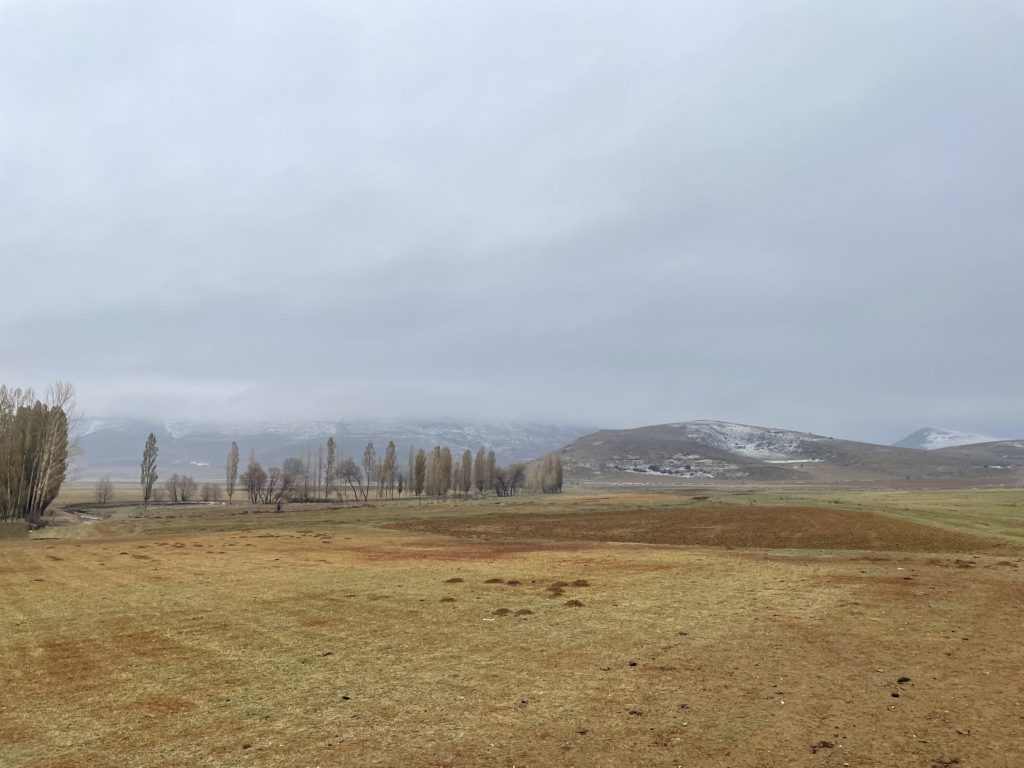
I took a couple of photos from the region.

此内容由惯性聚合(RSS阅读器)自动聚合整理,仅供阅读参考。 原文来自 — 版权归原作者所有。