
惯性聚合 高效追踪和阅读你感兴趣的博客、新闻、科技资讯
阅读原文 在惯性聚合中打开

推荐订阅源

奇客Solidot–传递最新科技情报
奇客Solidot–传递最新科技情报
L
LINUX DO - 最新话题
Recorded Future
Recorded Future
月光博客
月光博客
博客园 - 【当耐特】
博客园 - 叶小钗
宝玉的分享
宝玉的分享
量子位
雷峰网
雷峰网
博客园 - 三生石上(FineUI控件)
The Cloudflare Blog
Vercel News
Vercel News
L
LangChain Blog
B
Blog
Y
Y Combinator Blog
爱范儿
爱范儿
GbyAI
GbyAI
S
Security @ Cisco Blogs
T
The Blog of Author Tim Ferriss
A
About on SuperTechFans
博客园 - Franky
P
Palo Alto Networks Blog
Threat Intelligence Blog | Flashpoint
云风的 BLOG
云风的 BLOG
C
Cisco Blogs
Scott Helme
Scott Helme
I
Intezer
T
The Exploit Database - CXSecurity.com
MyScale Blog
MyScale Blog
T
Tor Project blog
D
Darknet – Hacking Tools, Hacker News & Cyber Security
T
Troy Hunt's Blog
N
News and Events Feed by Topic
大猫的无限游戏
大猫的无限游戏
F
Fortinet All Blogs
www.infosecurity-magazine.com
Application and Cybersecurity Blog
Cyber Security Advisories - MS-ISAC
S
Security Affairs
Cyberwarzone
Cyberwarzone
PCI Perspectives
PCI Perspectives
小众软件
小众软件
D
DataBreaches.Net
Exploit-DB.com RSS Feed
Know Your Adversary
Know Your Adversary
Forbes - Security
Forbes - Security
S
Securelist
cs.CV updates on arXiv.org
C
Cyber Attacks, Cyber Crime and Cyber Security
The Last Watchdog
The Last Watchdog

Articles on Smashing Magazine — For Web Designers And Developers

No, People Don’t Want More AI In Their Life — Smashing Magazine From Kickoff To First Concept: How To Turn Brand Strategy Into Visual Direction — Smashing Magazine Designing For Distressed Users: Why Mental Health Apps Shouldn’t Follow Every UI Fashion Meet Kirki: WordPress’s First Visual Builder With An Infinite Canvas — Smashing Magazine Users Don’t Need More Tools: They Need Seamless Integrations — Smashing Magazine Matching AI Modality To User Intent: Designing The Right Interface — Smashing Magazine Why Accessibility Is An Operational Capability, Not A Feature — Smashing Magazine Snapshots Of Summer (July 2026 Wallpapers Edition) — Smashing Magazine Designing With Uncertainty: How AI Supercharges Probabilistic Thinking — Smashing Magazine The Impact Of Humanoid Robots On Humanity — Smashing Magazine The Benefits Of Cognitive Inclusion In UX Research — Smashing Magazine How To Make Your Design System AI-Ready — Smashing Magazine June Is For Exploring (2026 Wallpapers Edition) — Smashing Magazine Algorithmic Theming Engines: Building Self-Correcting Color Systems With contrast-color() — Smashing Magazine Your Prototype Is Not Being Honest With Your Users (And Here’s How To Fix It) — Smashing Magazine Four Levels Of Customer Understanding — Smashing Magazine Advanced Tree Counting: Mathematical Layouts With sibling-index() And sibling-count() — Smashing Magazine Ten Data-Backed Truths Of User Experience ROI — Smashing Magazine Practical Interface Patterns For AI Transparency (Part 2) — Smashing Magazine The Architecture Of Local-First Web Development — Smashing Magazine Rethinking The Experience Of System Tools — Smashing Magazine Designing Stable Interfaces For Streaming Content — Smashing Magazine A Fresh View In May (2026 Wallpapers Edition) — Smashing Magazine The “Bug-Free” Workforce: How AI Efficiency Is Subtly Disrupting The Interactions That Build Strong Teams — Smashing Magazine The UX Designer’s Nightmare: When “Production-Ready” Becomes A Design Deliverable — Smashing Magazine Session Timeouts: The Overlooked Accessibility Barrier In Authentication Design — Smashing Magazine How To Improve UX In Legacy Systems — Smashing Magazine Identifying Necessary Transparency Moments In Agentic AI (Part 1) — Smashing Magazine A Practical Guide To Design Principles — Smashing Magazine The Joy Of A Fresh Beginning (April 2026 Wallpapers Edition) — Smashing Magazine The Site-Search Paradox: Why The Big Box Always Wins — Smashing Magazine Testing Font Scaling For Accessibility With Figma Variables — Smashing Magazine Modal vs. Separate Page: UX Decision Tree — Smashing Magazine Anime vs. Marvel/DC: Designing Digital Products With Emotion In Flow — Smashing Magazine Moving From Moment.js To The JS Temporal API — Smashing Magazine Beyond border-radius: What The CSS corner-shape Property Unlocks For Everyday UI — Smashing Magazine Building Dynamic Forms In React And Next.js — Smashing Magazine Persuasive Design: Ten Years Later — Smashing Magazine Human Strategy In An AI-Accelerated Workflow — Smashing Magazine Getting Started With The Popover API — Smashing Magazine Fresh Energy In March (2026 Wallpapers Edition) — Smashing Magazine Say Cheese! Meet SmashingConf Amsterdam 🇳🇱 — Smashing Magazine A Designer’s Guide To Eco-Friendly Interfaces — Smashing Magazine Designing A Streak System: The UX And Psychology Of Streaks — Smashing Magazine Building Digital Trust: An Empathy-Centred UX Framework For Mental Health Apps — Smashing Magazine Designing For Agentic AI: Practical UX Patterns For Control, Consent, And Accountability — Smashing Magazine CSS @scope: An Alternative To Naming Conventions And Heavy Abstractions — Smashing Magazine Combobox vs. Multiselect vs. Listbox: How To Choose The Right One — Smashing Magazine Short Month, Big Ideas (February 2026 Wallpapers Edition) — Smashing Magazine Practical Use Of AI Coding Tools For The Responsible Developer — Smashing Magazine Unstacking CSS Stacking Contexts — Smashing Magazine Beyond Generative: The Rise Of Agentic AI And User-Centric Design — Smashing Magazine Rethinking “Pixel Perfect” Web Design — Smashing Magazine Smashing Animations Part 8: Theming Animations Using CSS Relative Colour — Smashing Magazine UX And Product Designer’s Career Paths In 2026 — Smashing Magazine Penpot Is Experimenting With MCP Servers For AI-Powered Design Workflows — Smashing Magazine Pivoting Your Career Without Starting From Scratch — Smashing Magazine Countdown To New Adventures (January 2026 Wallpapers Edition) — Smashing Magazine How To Design For (And With) Deaf People — Smashing Magazine Giving Users A Voice Through Virtual Personas — Smashing Magazine How To Measure The Impact Of Features — Smashing Magazine Smashing Animations Part 7: Recreating Toon Text With CSS And SVG — Smashing Magazine Accessible UX Research, eBook Now Available For Download — Smashing Magazine State, Logic, And Native Power: CSS Wrapped 2025 — Smashing Magazine How UX Professionals Can Lead AI Strategy — Smashing Magazine
Now Shipping: Accessible UX Research, A New Smashing Book By Michele Williams — Smashing Magazine
About The Author · 2026-03-03 · via Articles on Smashing Magazine — For Web Designers And Developers

Our newest Smashing Book, “Accessible UX Research” by Michele Williams, is finally shipping worldwide — and we couldn’t be happier! This book is about research, but you’ll also learn about assistive technology, different types of disability, and how to build accessibility into the entire design process. This thoughtful book will get you thinking about ways to make your UX research more inclusive and thorough, no matter your budget or timeline. Jump to the book details or order your copy now.

Good UX research is at the root of great products. It takes the guesswork out of our designs and helps us solve problems before they grow. One of the best ways to make our research effective is to keep it inclusive — testing with users with different needs and abilities, and using their feedback to build products that work for more people.

Our newest book, Accessible UX Research, can help you plan and execute great user research. Dr. Michele Williams draws from years of experience to build a clear, easy-to-follow roadmap. This book has something for everyone who wants to build digital products well:

  • If you are just getting started with research, you will find helpful tips for making your research more inclusive. You will also get a primer on how to ask better questions, understand your own biases, and how to use your limited time and budget effectively.
  • If you are an accessibility-minded professional, you will find a deep well of details on different assistive technologies, how to include them in your testing environment, and ways to record and share your results to create a real impact on the products you make.
  • If you are a developer, a manager, or just someone who wants to understand how different abilities impact each user’s experience, you will find the history, clear descriptions, and cultural touchpoints you need in order to make sense of all the accessibility and inclusion recommendations you encounter.
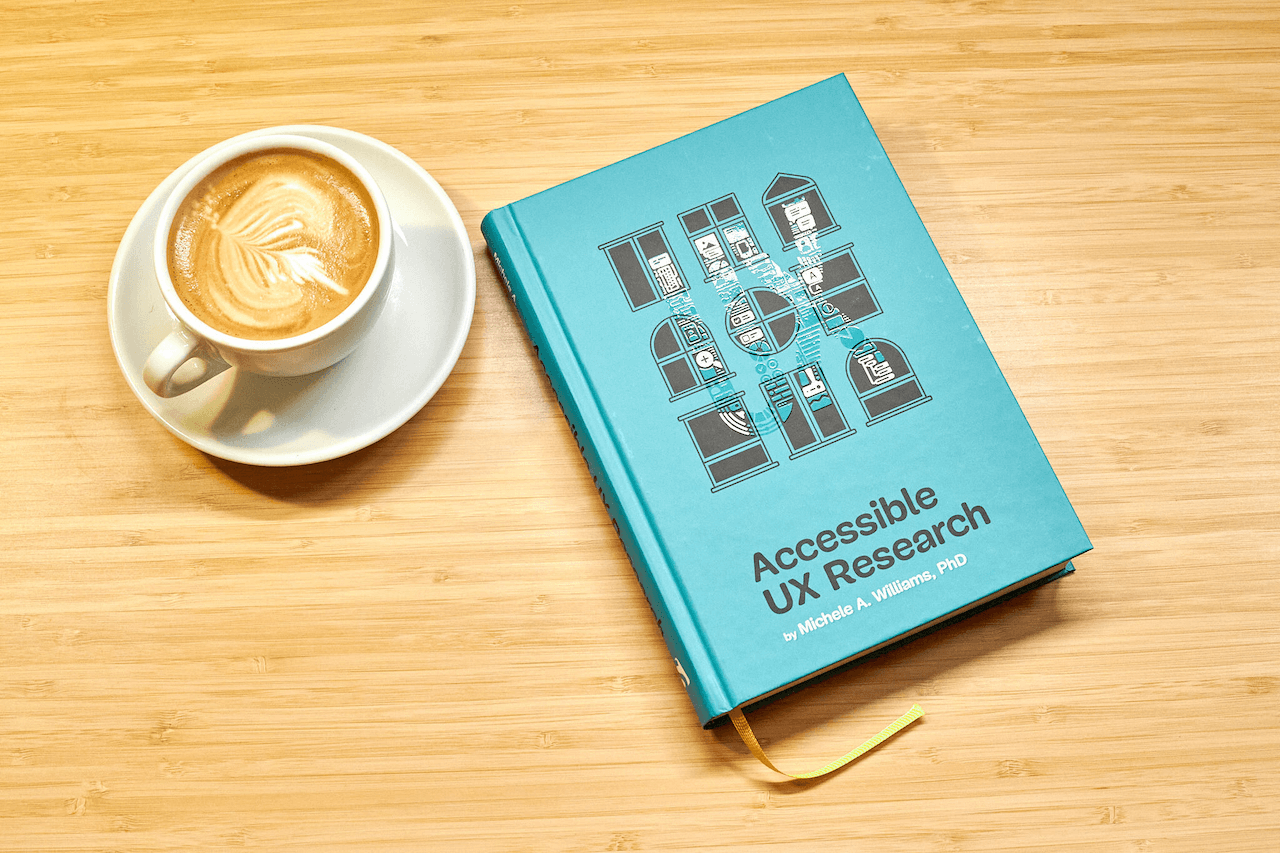
Hardcover edition of Michele Williams’ new book ‘Accessible UX Research’ on a wooden table, with a cup of coffee next to it. The book has a teal cover that shows a three times three grid of windows in different architectural styles. On top of the windows, there’s a light varnish that spells out the word ‘UX’ with research-related icons such as speech bubbles, a looking glass, a keyboard, and UI components.

About The Book

The book isn’t a checklist for you to complete as a part of your accessibility work. It’s a practical guide to inclusive UX research, from start to finish. If you’ve ever felt unsure how to include disabled participants, or worried about “getting it wrong,” this book is for you. You’ll get clear, practical strategies to make your research more inclusive, effective, and reliable.

Inside, you’ll learn how to:

  • Plan research that includes disabled participants from the start,
  • Recruit participants with disabilities,
  • Facilitate sessions that work for a range of access needs,
  • Ask better questions and avoid unintentionally biased research methods,
  • Build trust and confidence in your team around accessibility and inclusion.

The book also challenges common assumptions about disability and urges readers to rethink what inclusion really means in UX research and beyond. Let’s move beyond compliance and start doing research that reflects the full diversity of your users. Whether you’re in industry or academia, this book gives you the tools — and the mindset — to make it happen.

324 pages. Written by Dr. Michele A. Williams. Cover art by Espen Brunborg. Download a free sample (PDF, 2.3MB) or get the book right away.

Please note: We’ve found a way to get printed books to our US customers! After several months of dealing with customs and tariff issues, we are happy to announce that all of our books — including this brand-new one — are once again shipping worldwide.
A look inside the book. The left page has a teal color. The right page says ‘Accessible UX Research by Michele A. Williams, PhD’ in the same teal color.
With a foreword by Jared Smith of WebAIM and an extensive interview with a disabled researcher, “Accessible UX Research” brings together insights from throughout the Accessibility community. Photo by Marc Thiele. (Large preview)
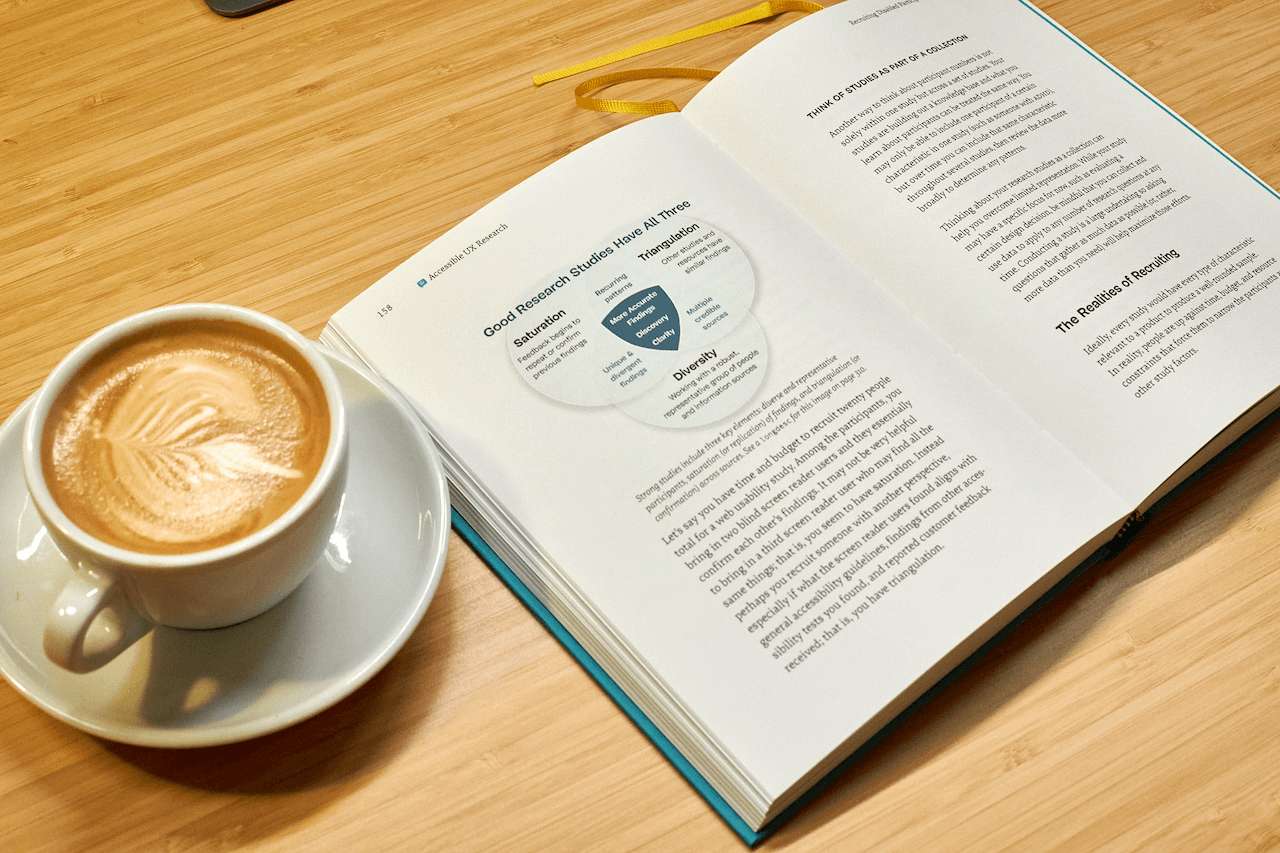
The open book on a wooden table, with a cup of coffee next to it. The left page shows a diagram visualizing the key elements of strong research studies. The right page is about recruiting disabled participants.
The book includes tips and strategies to help anyone doing research at any point in the product design cycle. Photo by Marc Thiele. (Large preview)

Contents

In Accessible UX Research, Michele Williams takes you on a deep dive into the real world of UX research, with a roadmap for including users with different abilities and needs.

+

2. Diversity of Disability

+

3. Disability in the Stages of UX Research

+

4. Recruiting Disabled Participants

+

5. Designing Your Research

+

6. Facilitating An Accessible Study

+

7. Analyzing and Reporting with Accuracy and Impact

+

8. Disability in the UX Research Field

+

+
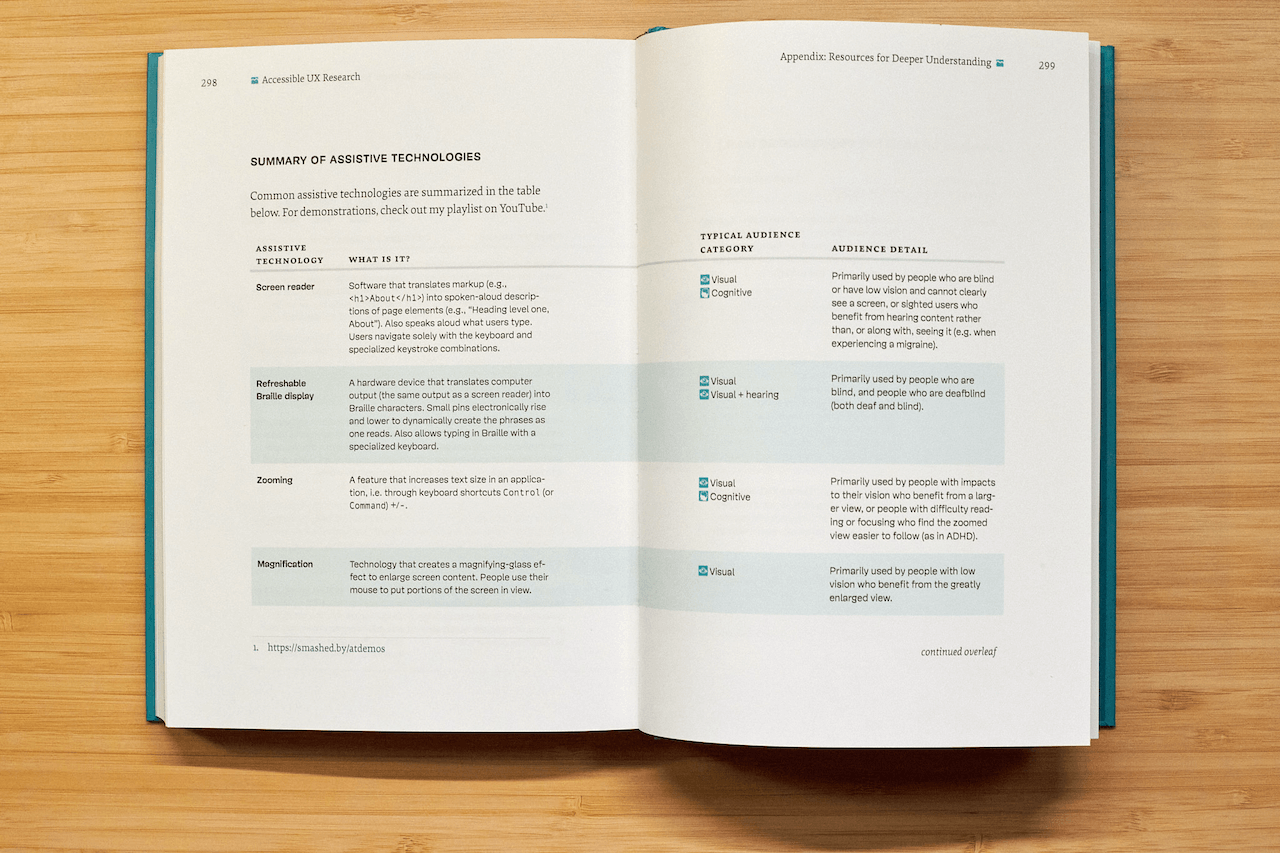
The open book on a wooden table. The spread shows a table summarizing different types of assistive technologies, with a description of each assistive technology and information about its audience.
You’ll find plenty of useful references in the appendix at the end of the book. You’ll refer to these pages again and again. Photo by Marc Thiele. (Large preview)

About the Author

Michele A. WilliamsDr. Michele A. Williams is owner of M.A.W. Consulting, LLC - Making Accessibility Work. Her 20+ years of experience include influencing top tech companies as a Senior User Experience (UX) Researcher and Accessibility Specialist and obtaining a PhD in Human-Centered Computing focused on accessibility. An international speaker, published academic author, and patented inventor, she is passionate about educating and advising on technology that does not exclude disabled users.

Testimonials

Eric BaileyAccessible UX Research stands as a vital and necessary resource. In addressing disability at the User Experience Research layer, it helps to set an equal and equitable tone for products and features that resonates through the rest of the creation process. The book provides a solid framework for all aspects of conducting research efforts, including not only process considerations, but also importantly the mindset required to approach the work.

This is the book I wish I had when I was first getting started with my accessibility journey. It is a gift, and I feel so fortunate that Michele has chosen to share it with us all.”

Eric Bailey, Accessibility Advocate

Devon Pershing“User research in accessibility is non-negotiable for actually meeting users’ needs, and this book is a critical piece in the puzzle of actually doing and integrating that research into accessibility work day to day.”

Devon Pershing, Author of The Accessibility Operations Guidebook

Manuel Matuzović“Our decisions as developers and designers are often based on recommendations, assumptions, and biases. Usually, this doesn’t work, because checking off lists or working solely from our own perspective can never truly represent the depth of human experience. Michele’s book provides you with the strategies you need to conduct UX research with diverse groups of people, challenge your assumptions, and create truly great products.”

Manuel Matuzović, Author of the Web Accessibility Cookbook

Anna E. Cook“This book is a vital resource on inclusive research. Michele Williams expertly breaks down key concepts, guiding readers through disability models, language, and etiquette. A strong focus on real-world application equips readers to conduct impactful, inclusive research sessions. By emphasizing diverse perspectives and proactive inclusion, the book makes a compelling case for accessibility as a core principle rather than an afterthought. It is a must-read for researchers, product-makers, and advocates!”

Anna E. Cook, Accessibility and Inclusive Design Specialist

Technical Details

  • ISBN: 978-3-910835-03-0 (print)
  • Quality hardcover, stitched binding, ribbon page marker.
  • Free worldwide airmail shipping from Germany.
  • eBook available for download as PDF, ePUB, and Amazon Kindle.
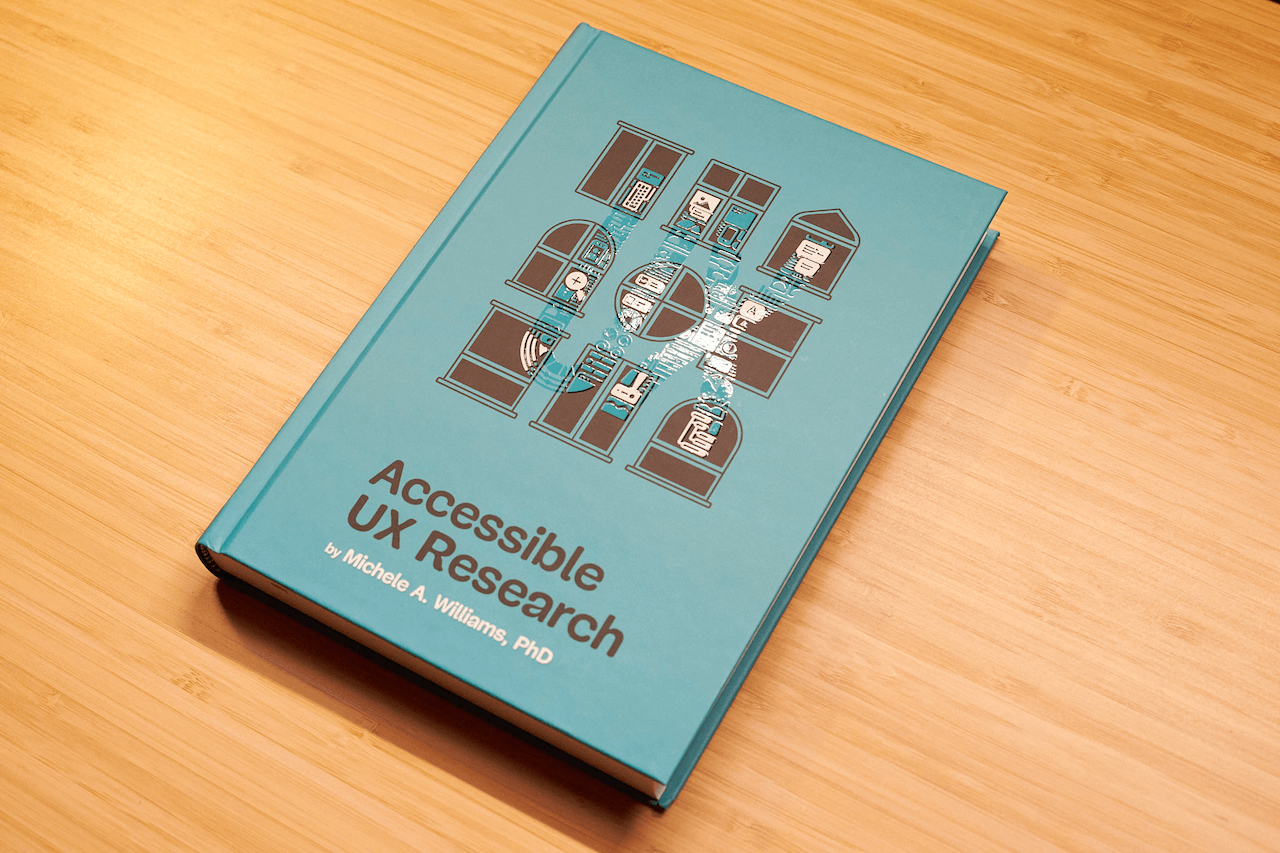
Hardcover edition of Michele Williams’ new book “Accessible UX Research” on a wooden table.

Producing a book takes quite a bit of time, and we couldn’t pull it off without the support of our wonderful community. A huge shout-out to Smashing Members for the kind, ongoing support. The eBook is and always will be free for Smashing Members. Plus, Members get a friendly discount when purchasing their printed copy. Just sayin’! ;-)

More Smashing Books & Goodies

Promoting best practices and providing you with practical tips to master your daily coding and design challenges has always been (and will be) at the core of everything we do at Smashing.

In the past few years, we were very lucky to have worked together with some talented, caring people from the web community to publish their wealth of experience as printed books that stand the test of time. Trine, Heather, and Steven are three of these people. Have you checked out their books already?
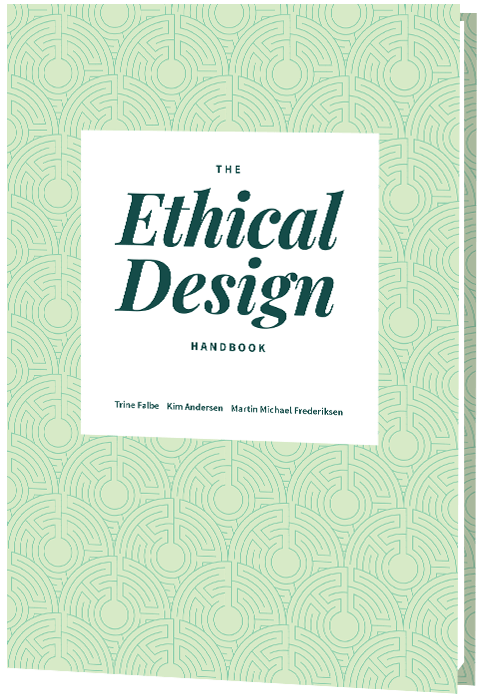
The Ethical Design Handbook

The Ethical Design Handbook

A practical guide on ethical design for digital products.
Add to cart $44

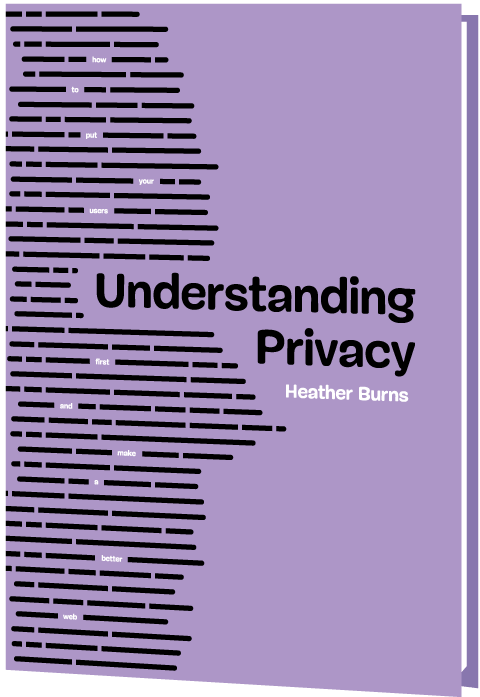
Understanding Privacy

Understanding Privacy

Everything you need to know to put your users first and make a better web.
Add to cart $44

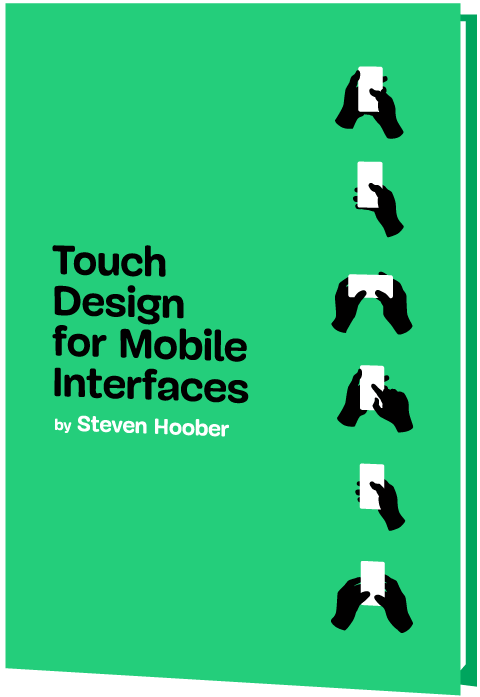
Touch Design for Mobile Interfaces

Touch Design for Mobile Interfaces

Learn how touchscreen devices really work — and how people really use them.

Add to cart $44

Smashing Editorial (cm, il)