


Jul 21, 2025
AI tools you pay $100+ for monthly are becoming free browser features. Discover how Arc, DIA, Edge & others are turning AI into built-in, workflow-saving essentials
Author

Bitta SinghaUI / UX Designer - I
Book a call
I discovered something that will change how you think about AI tools. The billion-dollar companies you pay monthly subscriptions to? Their core features are becoming standard browser functionality.
This isn't speculation. I have tested this transformation firsthand.
The Math That Makes This Shift Inevitable
Here's what most people spend on AI tools monthly:
- ChatGPT Plus: $20
- Claude Pro: $20
- Midjourney: $10
- Grammarly: $12
- Jasper: $39
Total: $101 per month
Meanwhile, browsers are integrating these same capabilities natively. The economics force this consolidation.
How Browsers Evolved to This Point
Browsers have always absorbed external software. In 1993, Mosaic brought images to web pages. Netscape added JavaScript in 1995. Firefox introduced tabbed browsing. Chrome revolutionized speed and security.
Each evolution eliminated our dependence on separate programs. We stopped downloading email clients because Gmail works in browsers. We abandoned desktop map software because Google Maps runs better online.
AI integration follows this same pattern.
The Daily AI Juggling Act (And Why It's Broken)

I watch people switch between AI tools all day. The workflow looks like this:
- Writing tasks: Open ChatGPT for drafts, jump to Grammarly for editing
- Translation needs: Switch to Google Translate or DeepL
- Research projects: Use Perplexity for searches, then Claude for analysis
- Content creation: Visit Jasper for marketing copy, Notion AI for summaries
- Visual content: Navigate to Midjourney or DALL-E
Each switch breaks concentration. The cognitive overhead kills productivity.
Browsers That Changed My Workflow
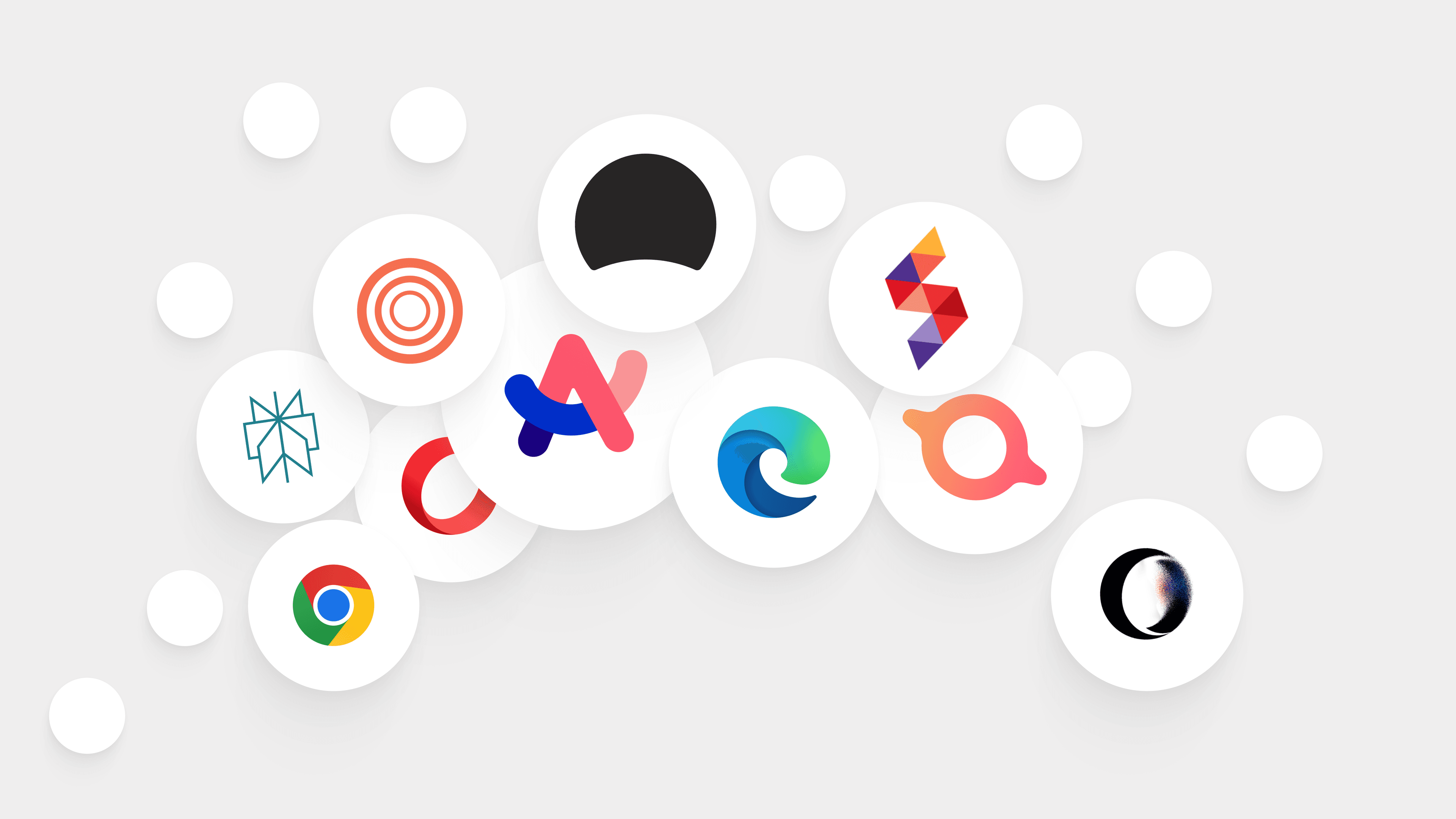
I discovered Arc browser in 2023. The AI integration eliminated friction I didn't realize existed. Since then, I've tested dozens of AI-powered browsers.
These browsers lead the transformation:
- Arc - AI search and content summarization in the sidebar
- DIA - Native ChatGPT and Claude integration
- SigmaOS - AI tab management and content organization
- Sidekick - Built-in AI writing and research tools
- Opera - Integrated ChatGPT and AI ad blocking
- Microsoft Edge - Copilot across all browsing activities
- Chrome - AI writing assistance and enhanced translation
Three Features That Actually Matter
I've used these browsers daily for months. Most features are marketing hype. Three actually changed how I work:
Instant Links (Arc Browser)
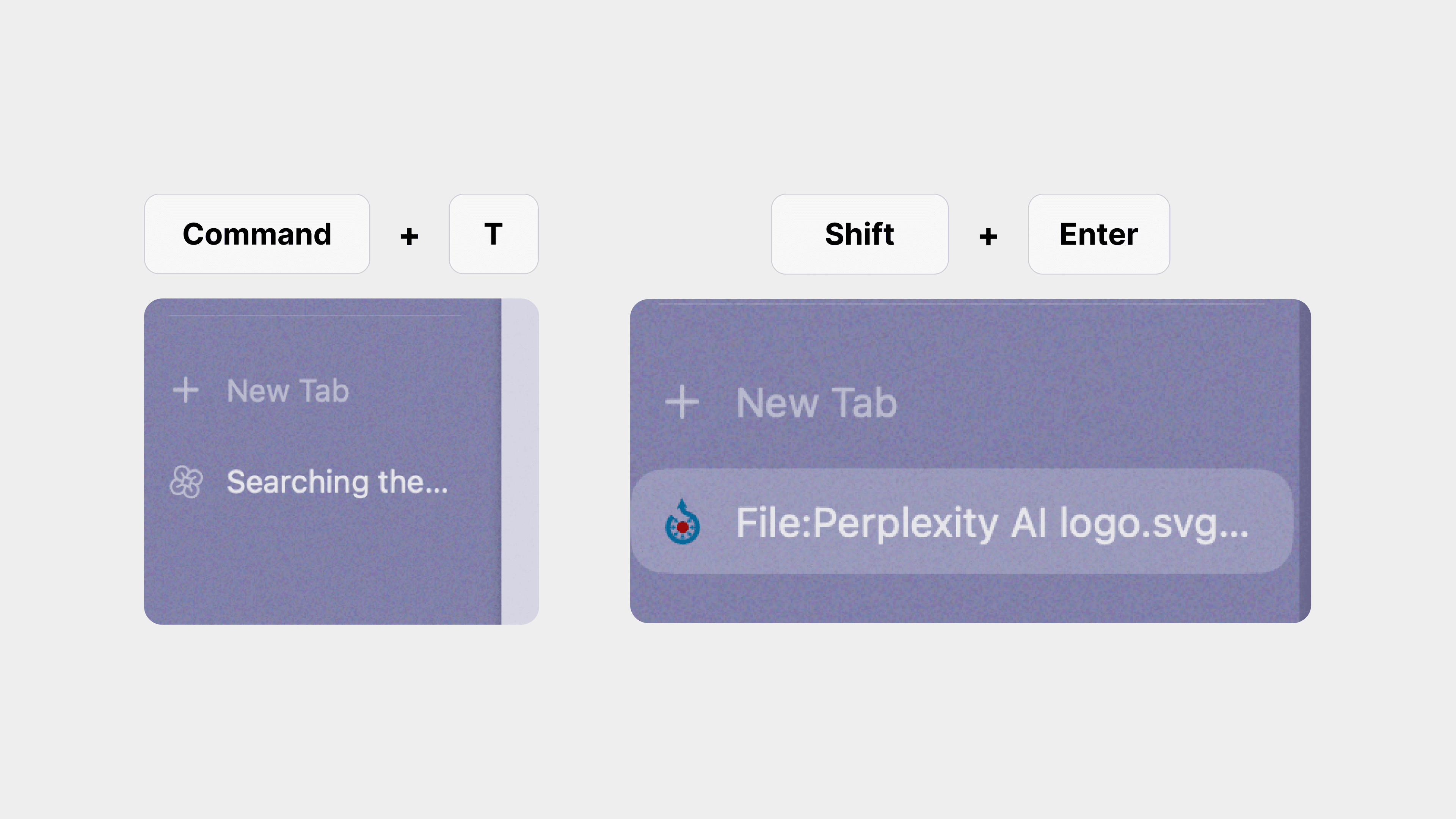
The first time I searched "GitHub" and pressed Shift + Enter, Arc took me directly to GitHub's homepage. No search results page. No extra click.
Arc eliminates the search results step when it knows exactly what you want. Company names, popular websites, weather checks—it takes you there directly.
How to use it: Press Command + T, type your destination, then press Shift + Enter.

I hoard tabs. By afternoon, my Arc sidebar shows 15+ scattered tabs. When the magic 🧹 icon appears next to "Today," I click it.
Arc's AI groups my tabs automatically. Research tabs bundle together. Social media gets its own group. Work documents find their place.
The AI works on context, not just website names. Three different articles about the same topic group together, even from different sites.
How to use it: When you have 6+ tabs open, look for the 🧹 icon and click it.
Chat with Tabs (DIA Browser)
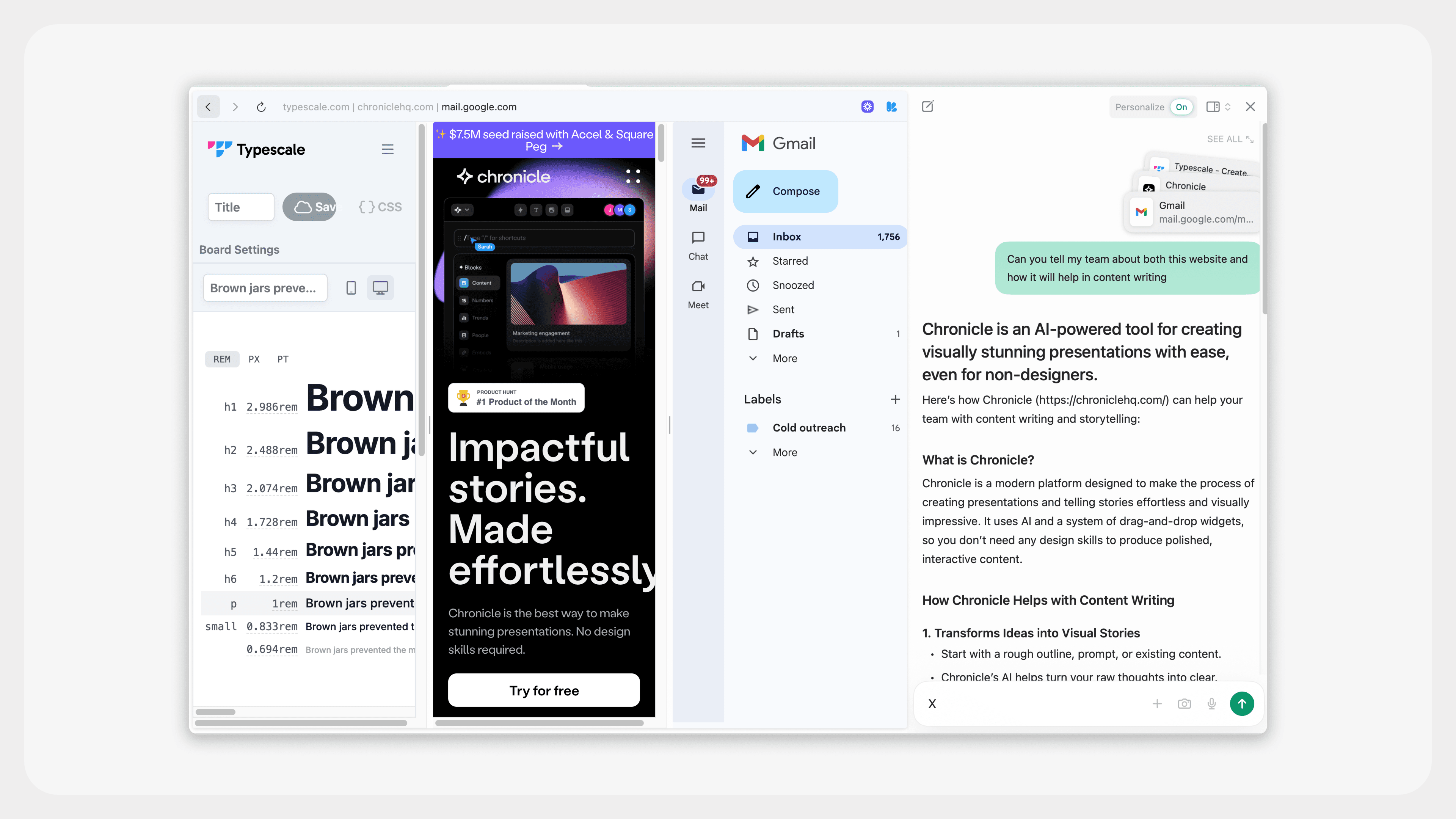
The first time I asked a Google Sheets tab "What's our highest revenue month?" and got an instant answer, I realized I'd been copying data into ChatGPT unnecessarily.
DIA lets you chat directly with any open tab. When I have a spreadsheet open, I ask questions and get answers immediately. No context switching. No explaining what the data means—DIA sees it.
The real power shows when you reference multiple tabs. I can tell DIA to "check the email in tab 2 for context" while analyzing a document in tab 1.
How to use it: Type questions directly in any tab. DIA understands the content and can reference other tabs when you mention them.
What's Coming: Browsers That Do, Not Help
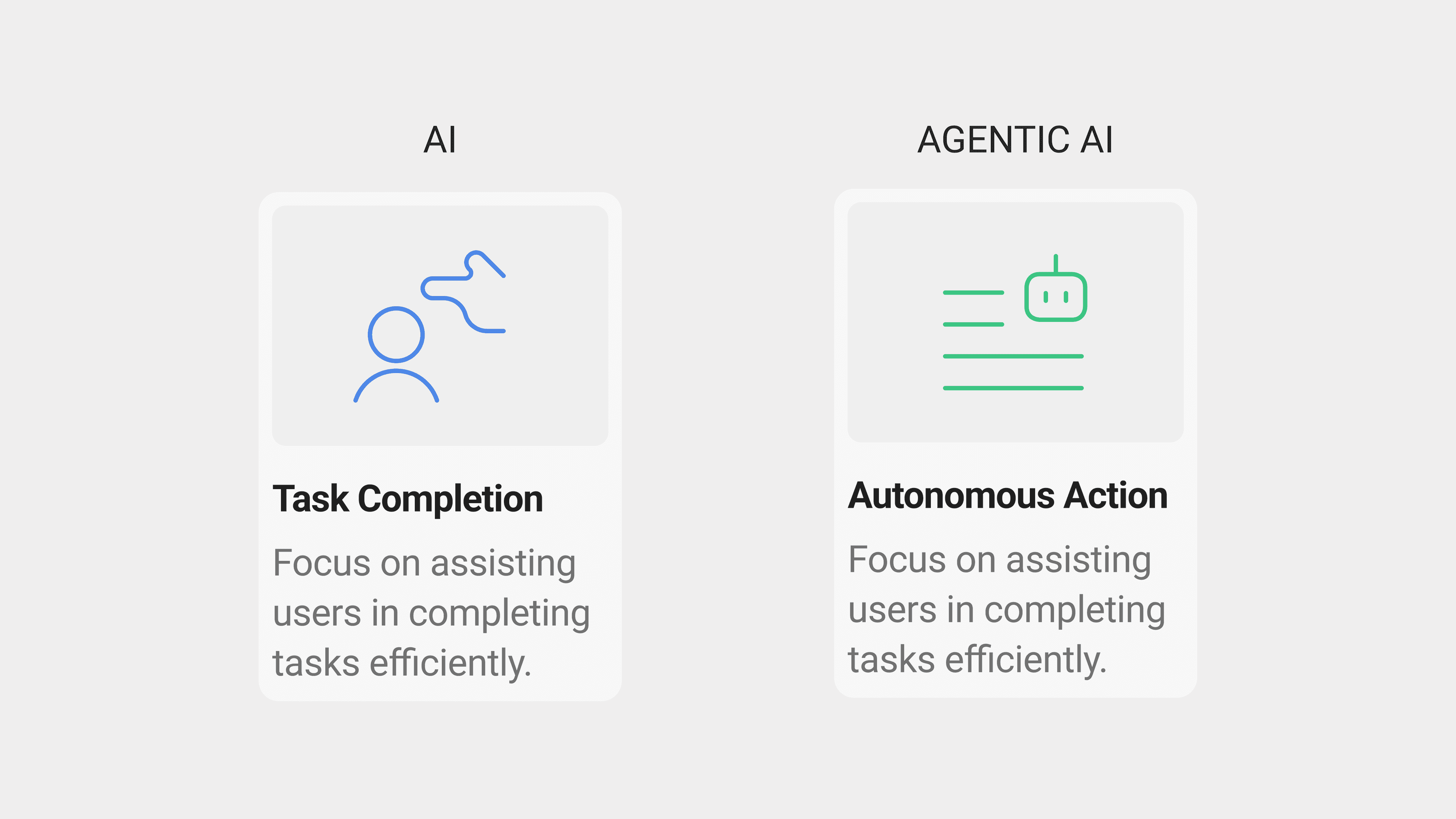
Current AI browsers help you complete tasks. The next wave completes tasks for you.
This is agentic AI—artificial intelligence that acts autonomously on your behalf, making decisions and taking actions without constant guidance.
The Difference
Traditional browsers show you information. Agentic browsers take action. Instead of showing flight options, they book your preferred flight. Instead of displaying code tutorials, they write the code you need.
Opera Neon and Perplexity's Comet represent this first wave.
Three Capabilities to Expect
Complete Project Creation
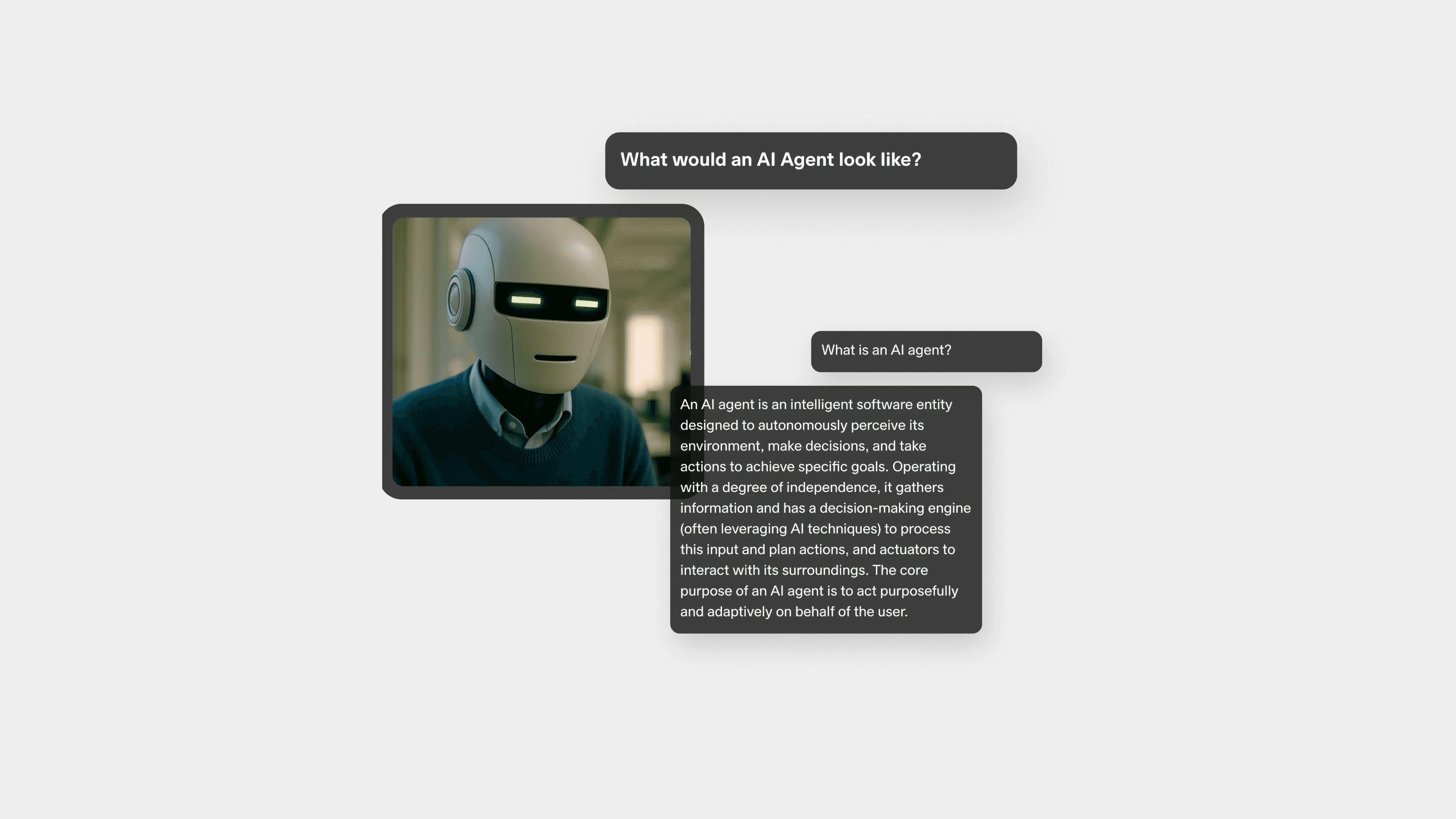
Opera Neon's "Make" function builds entire projects from text prompts. Games, websites, code snippets, reports—all processed in cloud-based virtual machines that run independently.
Autonomous Task Execution

Both Opera Neon and Perplexity's Comet complete actions rather than find information. Opera's "Do" function fills out forms and handles bookings locally. Comet focuses on agentic search that understands complex instructions and makes autonomous decisions.
Multi-Step Workflow Management

These browsers handle complex requests like "book a hotel in Tokyo for next month with good reviews under $200/night." Instead of showing search results, they research options, compare reviews, and complete bookings autonomously.
The Bottom Line
The transformation isn't about convenience—it's about economics. Those billion-dollar AI companies I mentioned? Their core features are becoming standard browser functionality.
The math makes this shift inevitable. Spending $101 monthly on separate AI tools versus a single browser that handles everything? Even at premium pricing, consolidation saves money while eliminating workflow friction.
Timeline: Most agentic browsers launch in 2025-2026. Early adopters should expect limited beta access initially, with broader rollouts by late 2025.
Who should adopt early: Heavy AI users spending $50+ monthly on tools. Casual users can wait for these features to reach mainstream browsers like Chrome and Edge.
Action steps: Audit your current AI tool spending. Identify your top 3 most-used functions. When agentic browsers launch, test those specific capabilities first.
Subscribe to Our Newsletter
Related Articles.
More from the engineering frontline.
Dive deep into our research and insights on design, development, and the impact of various trends to businesses.