


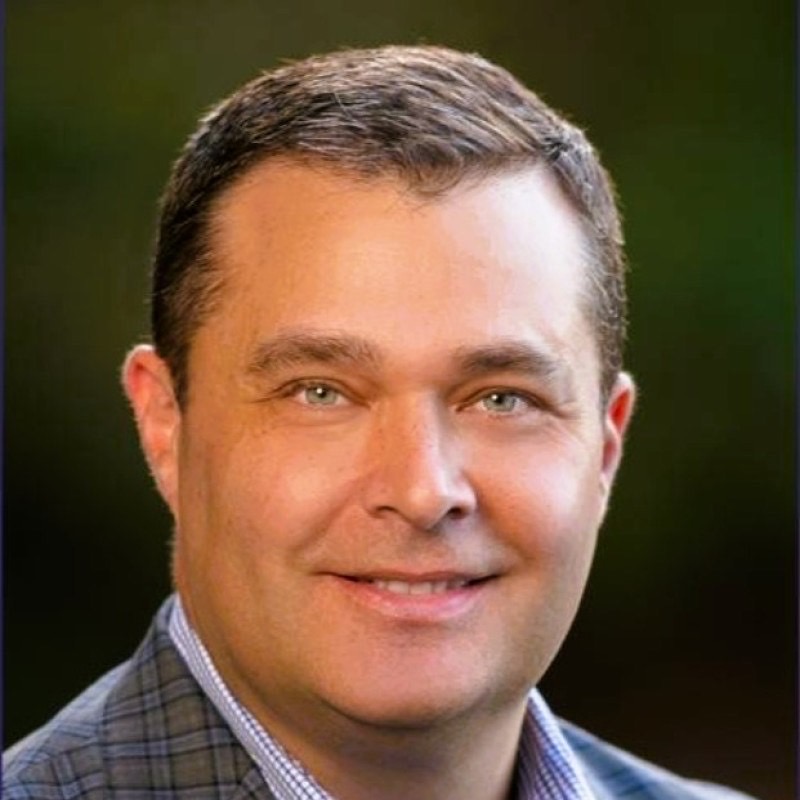
Billy Milam is CEO of Consulting Solutions, a nationally recognized leader in technology workforce and consulting services with key practice areas in Digital Transformation, ERP, Cloud and Data, Cybersecurity, AI and Advanced Analytics, and Energy and Engineering. The company’s scalable engagement models — from individual technology consultants to strategic enterprise programs — enable clients to tap into world-class talent, expertise, and services to drive technology and enterprise transformation initiatives.
Here, Milam shares his perspective on how AI and cybersecurity are reshaping workforce strategies — and what organizations must do to keep pace.
M.R. Rangaswami: AI is changing how work gets done across nearly every function. What impact are you seeing on the technology workforce specifically?
Billy Milam: AI is accelerating a shift that was already underway — from task-based technology roles to outcome-based roles. We’re seeing demand move away from purely execution-focused positions and toward professionals who can interpret, guide, and operationalize AI-driven insights. That means stronger emphasis on critical thinking, domain expertise, and the ability to work alongside intelligent systems rather than compete with them.
At the same time, AI is compressing timelines. Projects that once took months are now expected in weeks, which is putting pressure on teams to be more adaptable. Organizations are responding by rethinking team structures — blending traditional engineering roles with data, security, and AI specialists — and placing a premium on talent that can bridge those disciplines. The workforce isn’t shrinking, but it is becoming more specialized and more fluid.
M.R. Rangaswami: Cybersecurity threats continue to evolve alongside AI. How is this changing the types of talent organizations need?
Billy Milam: Cybersecurity is no longer a standalone function — it’s embedded in everything. As AI introduces new efficiencies, it also expands the attack surface, which means organizations need security-minded professionals across the entire tech stack, not just in dedicated security roles.
What’s also changed is the need for proactive versus reactive skill sets. It’s less about responding to incidents and more about anticipating vulnerabilities, especially as AI systems become part of core operations. That requires talent who understand both the technical side — like threat detection and architecture — and the business implications of risk. We’re also seeing increased demand for professionals who can translate security into business language. Boards and executive teams are more engaged than ever, so the ability to communicate risk, compliance, and resilience in a strategic context has become just as important as technical expertise.
M.R. Rangaswami: With shifts like these, what should companies be doing to future-proof their workforce?
Billy Milam: The biggest mistake companies can make is treating this as a hiring problem alone, when it’s really a workforce strategy issue. Upskilling existing employees is just as critical as bringing in new talent, especially in areas like AI literacy and security awareness, which need to extend beyond technical teams. Organizations should also be thinking in terms of adaptability. The pace of change means job descriptions written today may be outdated in a year. Building a culture that supports continuous learning — and giving teams exposure to cross-functional experiences — helps create a more resilient workforce.
Finally, there’s a growing need for partnership. Whether through consulting firms, training programs, or ecosystem collaborations, companies don’t have to solve this alone. The best approach is to combine internal development with external expertise to stay aligned with where technology — as well as risk — is heading.
M.R. Rangaswami is the Co-Founder of Sandhill.com