



惯性聚合 高效追踪和阅读你感兴趣的博客、新闻、科技资讯
阅读原文 在惯性聚合中打开

推荐订阅源

WordPress大学
WordPress大学
The Register - Security
Hugging Face - Blog
Hugging Face - Blog
博客园 - 聂微东
GbyAI
GbyAI
Recent Commits to openclaw:main
博客园_首页
D
Docker
S
Security @ Cisco Blogs
K
Kaspersky official blog
爱范儿
爱范儿
Simon Willison's Weblog
TaoSecurity Blog
TaoSecurity Blog
V
V2EX
C
CXSECURITY Database RSS Feed - CXSecurity.com
T
Troy Hunt's Blog
Cloudbric
Cloudbric
博客园 - 三生石上(FineUI控件)
Cyber Security Advisories - MS-ISAC
The Hacker News
The Hacker News
美团技术团队
S
SegmentFault 最新的问题
L
Lohrmann on Cybersecurity
cs.AI updates on arXiv.org
宝玉的分享
宝玉的分享
The Last Watchdog
The Last Watchdog
Y
Y Combinator Blog
M
MIT News - Artificial intelligence
钛媒体:引领未来商业与生活新知
钛媒体:引领未来商业与生活新知
奇客Solidot–传递最新科技情报
奇客Solidot–传递最新科技情报
CTFtime.org: upcoming CTF events
Martin Fowler
Martin Fowler
Google Online Security Blog
K
KPMG report finds enterprise disconnect between AI and its ROI | CIO
C
Cybersecurity and Infrastructure Security Agency CISA
T
Tor Project blog
Vercel News
Vercel News
The Cloudflare Blog
G
Google Developers Blog
T
Threat Research - Cisco Blogs
AI
AI
Stack Overflow Blog
Stack Overflow Blog
I
InfoQ
Scott Helme
Scott Helme
S
Schneier on Security
大猫的无限游戏
大猫的无限游戏
The GitHub Blog
The GitHub Blog
S
Securelist
IT之家
IT之家
Microsoft Azure Blog

Ethereum Foundation Blog

Checkpoint #9: Apr 2026 | Ethereum Foundation Blog How L1 and L2s can build the strongest possible Ethereum | Ethereum Foundation Blog The Promise of Ethereum: Introducing the EF Mandate | Ethereum Foundation Blog This Is Fine (Until the Grant Runs Out) | Ethereum Foundation Blog Treasury Staking Initiative | Ethereum Foundation Blog The Ethereum Foundation's Commitment to DeFi | Ethereum Foundation Blog Protocol Priorities Update for 2026 | Ethereum Foundation Blog Announcing the Platform Team at EF | Ethereum Foundation Blog Ethereum Protocol Studies 2026 | Ethereum Foundation Blog Executive Leadership Update | Ethereum Foundation Blog An update from Tomasz | Ethereum Foundation Blog Introducing the EF Academic Secretariat 2026 PhD Fellowship | Ethereum Foundation Blog Trillion Dollar Security Day at Devconnect | Ethereum Foundation Blog Allocation Update - Q4 2025 | Ethereum Foundation Blog Checkpoint #8: Jan 2026 | Ethereum Foundation Blog Devcon 8 is coming to Mumbai, India in November 2026 | Ethereum Foundation Blog Hegota Upgrade EIP Proposal Timelines | Ethereum Foundation Blog Shipping an L1 zkEVM #2: The Security Foundations | Ethereum Foundation Blog The Future of Ethereum’s State | Ethereum Foundation Blog Devconnect Argentina Recap | Ethereum Foundation Blog Allocation Update - Q3 2025 | Ethereum Foundation Blog Making Ethereum Feel Like One Chain Again | Ethereum Foundation Blog Checkpoint #7: Nov 2025 | Ethereum Foundation Blog Fusaka Mainnet Announcement | Ethereum Foundation Blog 2 weeks to Devconnect: Everything you need to know | Ethereum Foundation Blog Unveiling ESP's New Grants Program | Ethereum Foundation Blog Fusaka Update – Transaction Gas Limit Cap arrives with EIP-7825 | Ethereum Foundation Blog Fusaka Update - Information for Blob users | Ethereum Foundation Blog Announcing the 2026 EF Internship | Ethereum Foundation Blog Supporting privacy with new funding mechanisms | Ethereum Foundation Blog The Ethereum Foundation’s Commitment to Privacy | Ethereum Foundation Blog Checkpoint #6: Oct 2025 | Ethereum Foundation Blog Privacy Cluster Leadership Announcement | Ethereum Foundation Blog Fusaka Testnet Announcement | Ethereum Foundation Blog Announcing the districts of the Ethereum World’s Fair | Ethereum Foundation Blog Fusaka $2,000,000 Audit Contest! | Ethereum Foundation Blog Holešky Testnet Shutdown Announcement | Ethereum Foundation Blog The Ecosystem Support Program's Next Chapter | Ethereum Foundation Blog Protocol Update 003 — Improve UX | Ethereum Foundation Blog Protocol Update 002 - Scale Blobs | Ethereum Foundation Blog Trillion Dollar Security - Phase 2 | Ethereum Foundation Blog Join Us: EF Protocol Reddit AMA - August 29th, 2025 | Ethereum Foundation Blog Protocol Update 001 – Scale L1 | Ethereum Foundation Blog lean Ethereum | Ethereum Foundation Blog Celebrating 10 Years of Ethereum | Ethereum Foundation Blog Checkpoint #5: July 2025 | Ethereum Foundation Blog Allocation Update - Q2 2025 | Ethereum Foundation Blog The Future of Ecosystem Development at the EF | Ethereum Foundation Blog Shipping an L1 zkEVM #1: Realtime Proving | Ethereum Foundation Blog Partial history expiry announcement | Ethereum Foundation Blog Checkpoint #4: Berlinterop | Ethereum Foundation Blog World Experience: Updates from the Next Billion Fellowship | Ethereum Foundation Blog Now accepting interns - Join the Ethereum Season of Internships | Ethereum Foundation Blog Tickets are live for the Ethereum World’s Fair! And we're launching the Supporter Program | Ethereum Foundation Blog Ethereum Foundation Treasury Policy | Ethereum Foundation Blog Checkpoint #3: June 2025 | Ethereum Foundation Blog Announcing the Devconnect ARG Scholars Program | Ethereum Foundation Blog Announcing Protocol | Ethereum Foundation Blog Nyota Interop Recap ✨ | Ethereum Foundation Blog Allocation Update - Q1 2024 | Ethereum Foundation Blog Announcing the Ethereum Protocol Fellowship Cohort 5 | Ethereum Foundation Blog Ethereum Protocol Fellowship Cohort 4 Recap | Ethereum Foundation Blog Sepolia Incident | Ethereum Foundation Blog Announcing the Devcon SEA venue! | Ethereum Foundation Blog Devconnect Scholars Program - Ethereum Stories from Istanbul and Beyond | Ethereum Foundation Blog Dencun Mainnet Announcement | Ethereum Foundation Blog ZK Grants Round | Ethereum Foundation Blog Eth2 at ETHWaterloo: Prizes for Eth2 education, tooling, and research | Ethereum Foundation Blog eth2 quick update no. 2 | Ethereum Foundation Blog Devcon4 Ticket Sales | Ethereum Foundation Blog Announcing Swarm Proof-of-Concept Release 3 | Ethereum Foundation Blog Devcon4 Announcement | Ethereum Foundation Blog Announcing May 2018 Cohort of EF Grants | Ethereum Foundation Blog Announcing World Trade Francs: The Official Ethereum Stablecoin | Ethereum Foundation Blog Announcing Beneficiaries of the Ethereum Foundation Grants | Ethereum Foundation Blog Geth 1.8 - Iceberg¹ | Ethereum Foundation Blog Farewell and Welcome | Ethereum Foundation Blog Security Alert - Solidity - Variables can be overwritten in storage | Ethereum Foundation Blog Uncle Rate and Transaction Fee Analysis | Ethereum Foundation Blog Announcement of imminent hard fork for EIP150 gas cost changes | Ethereum Foundation Blog Dev Update: Formal Methods | Ethereum Foundation Blog On Inflation, Transaction Fees and Cryptocurrency Monetary Policy | Ethereum Foundation Blog Onward from the Hard Fork | Ethereum Foundation Blog C++ DEV Update - July edition | Ethereum Foundation Blog The Devcon2 site is now live! | Ethereum Foundation Blog Security Alert - DoS Vulnerability in the Soft Fork | Ethereum Foundation Blog DAO Wars: Your voice on the soft-fork dilemma | Ethereum Foundation Blog Smart Contract Security | Ethereum Foundation Blog Security Alert – Geth suffers from a very low probable DoS attack vector - Update immediately | Ethereum Foundation Blog On Settlement Finality | Ethereum Foundation Blog Ethereum Foundation and Wanxiang Blockchain Labs announce a blockbuster event combining Devcon2 and the 2nd Global Blockchain Summit in Shanghai, September 19–24, 2016 | Ethereum Foundation Blog Ethereum Partners with R3CEV on Lizardcoin, Bringing Together the Best of Centralized Finance and Blockchain Technology | Ethereum Foundation Blog From Smart Contracts to Courts with not so Smart Judges | Ethereum Foundation Blog BTC Relay included in Ethereum Bounty Program | Ethereum Foundation Blog Ethereum DEV Update: C++ Roadmap | Ethereum Foundation Blog Cut and try: building a dream | Ethereum Foundation Blog Ambients Applied to Ethereum | Ethereum Foundation Blog Mihai’s Ethereum Project Update. The First Year. | Ethereum Foundation Blog Getting to the Frontier | Ethereum Foundation Blog The Ethereum Development Process | Ethereum Foundation Blog
Implementing Vitalik’s vision | Ethereum Foundation Blog
2015-04-02 · via Ethereum Foundation Blog

Although the core concept was proven last summer when lead developers Vitalik Buterin, Gavin Wood, and Jeffrey Wilcke initiated the PoC (proof-of-concept) series in Python, C++, and Go, a lot of engineering effort has gone to solidifying these implementations. We're all anxious to release a stable command line client and issues flagged in the external audit are being resolved when uncovered. As soon as this process is complete, a general release should be around the corner. In the meantime, the rest of the ecosystem is continuing to evolve to more refined versions.

One of the challenges with a project of this scope and complexity is simply agreeing on any particular thing. Translating human abstractions into code is a tough task, as even the words we choose influences different ways of expressing ideas with code. As we build more around these core ideas and truly experience how reality meets theory, we’re able to refine the underlying specifications to remove ambiguity. This all pays off as the team shares a clean and well-understood vision that should translate effectively to other developers of varying disciplines.

Number of git commits over time Number of git commits over time

Complementing this, a variety of test suites add an important level of confidence that the various implementations adhere to a specification. On the consensus front, we have used a series of VM and State tests to simulate known results and have added randomization and fuzzing to increase this testing space. A series of system and networking tests are also being run, ensuring clients communicate in an expected manner or respond to certain networking scenarios predictably.

Not only are tests designed for success, but all sorts of error conditions are fed into the test suites to ensure that known errors (such as running out of gas or being abruptly disconnected from a peer) are reported correctly. What this means is that when changes are made to the behaviour of the clients, the decision is driven by data and metrics, rather than theory and gut feelings.
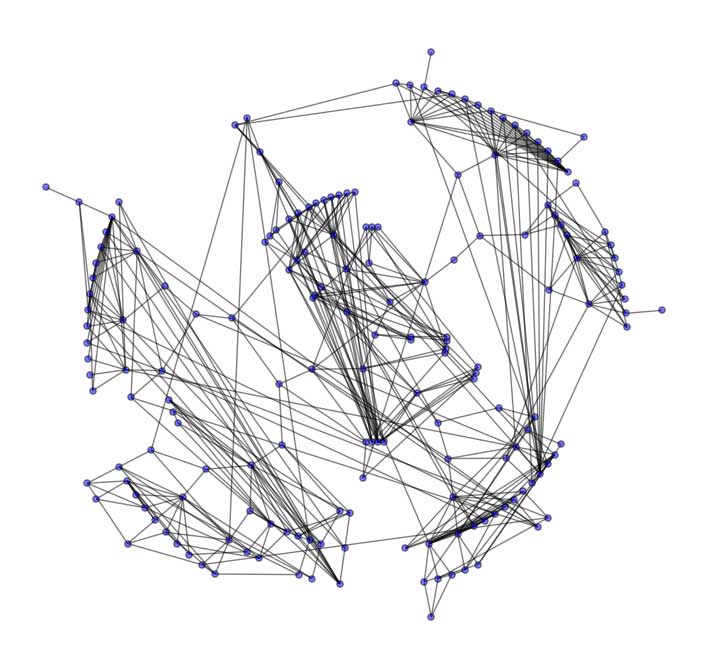
Graphing node connectivity allows us to visually inspect the health of network Graphing node connectivity allows us to visually inspect the health of network

Beyond testing of the core components, we have begun implementing tests on the exterior layers to ensure that the clients respond to a multitude of calls to the underlying system in the same way with easily-consumable JSON. These specifications are linked in the wiki and drive the implementation and communication across diverse teams. This helps to ensure that what is in our heads is reliably translated into code, and that all of this is tested and audited.

All of these improvements are important to the health of the overlaying ecosystem and help shine a spotlight on otherwise very nuanced problems. In addition to refining the core virtual machine and serialization layers, security audits were initiated with a third-party firm experienced in decentralization and cryptographic technologies.
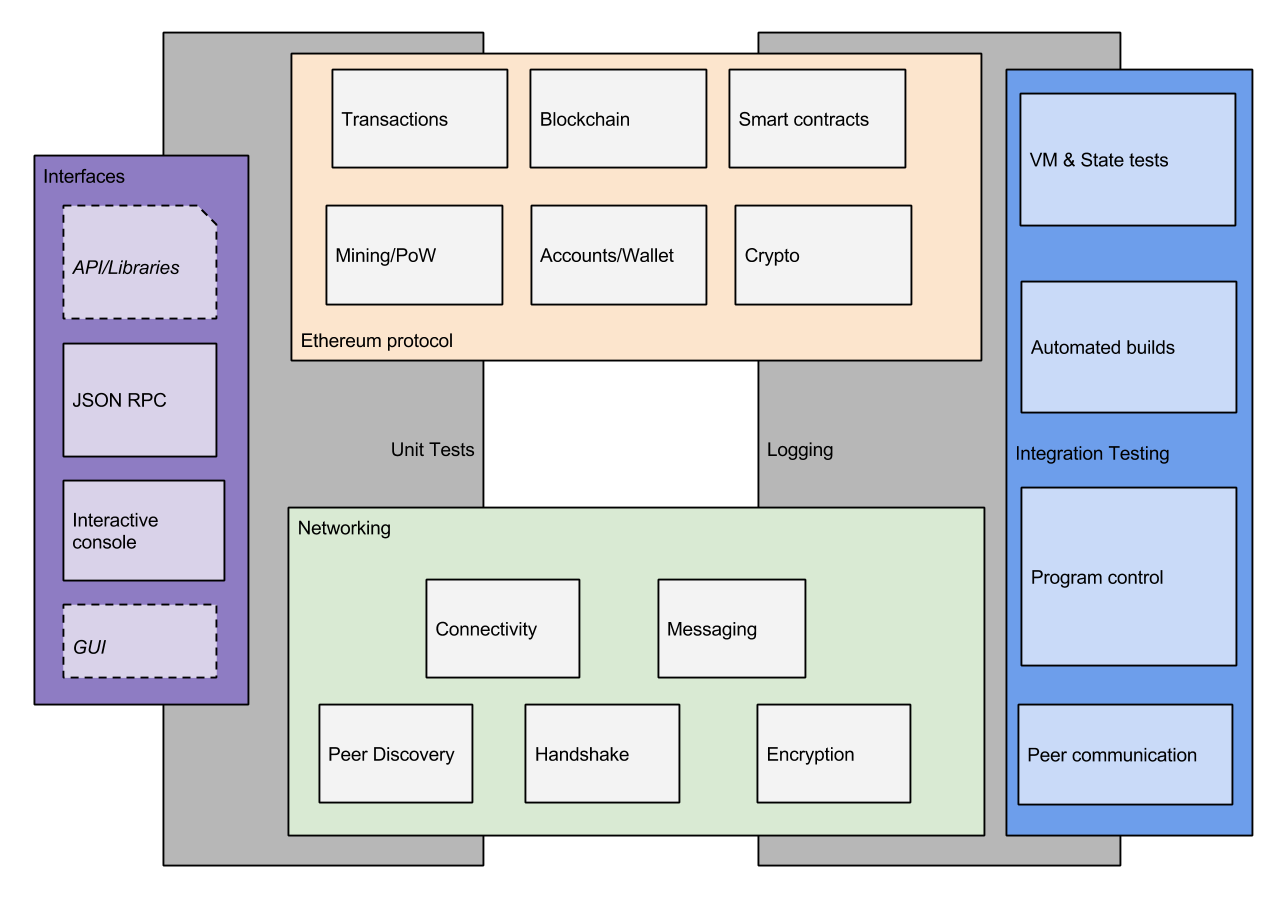
A rough snapshot of development efforts A rough snapshot of development efforts.

So how does all of this underlying technobabble expose itself to the general user? For the Frontier rollout, we are aiming to release stable binaries on major operating systems (Mac, Windows, Linux). The main interfaces will consist primarily of the command-line client, interactive JavaScript console, and JSON-RPC. In go-ethereum, we’ve recently renamed this client to “Geth”, a nod to both Mass Effect and Old English.

Using the command-line client will be a familiar process to many. For example, you can create a new account with geth account new, at which point the program will prompt you for a password to secure the account. Starting geth as a miner can be done by calling it with a parameter, like so: geth -mine. This is a great way to start interacting with the system, but has its own set of limitations. For example, once you’ve started mining, how does one pause it?
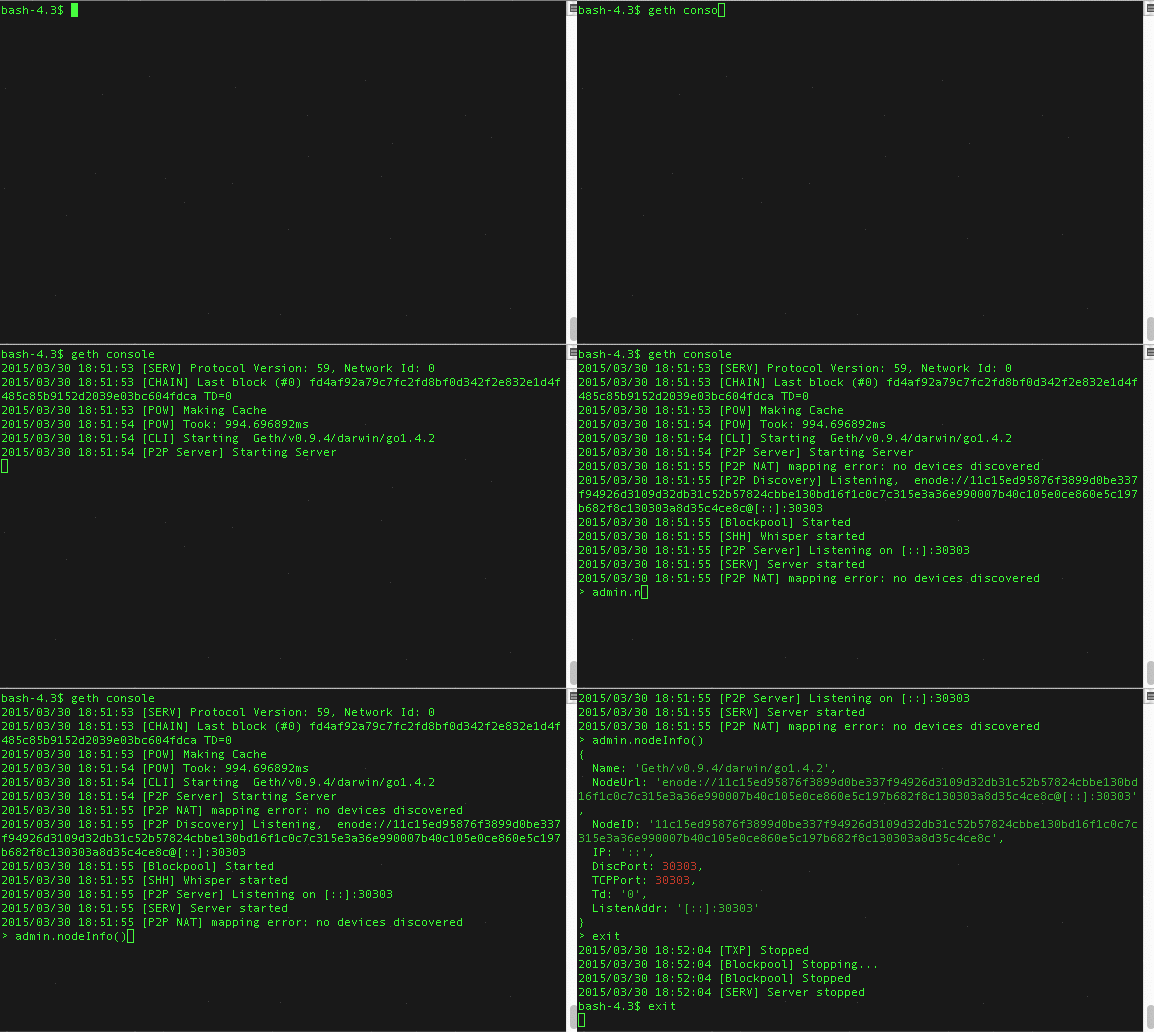
Using Geth’s interactive JavaScript console

For a more useful way to control the program, Geth has a JavaScript console backed by a JavaScript API. Start it with a simple command: geth console. With Geth, this starts the interactive console, giving users the familiarity of JavaScript scripting to control the system from the terminal. For example, to find out a bit more about the local node, run admin.nodeInfo().

This control is partly powered by ethereum.js, a JavaScript library that helps provide a friendly interface to not only the console, but also DApps. It relies on a well-documented JSON-RPC interface for automated processing or integration into existing infrastructure. Work on many of these components is ongoing as rigorous effort is being put in to ensuring that the implementations speak the same language and are as generally compatible as possible.
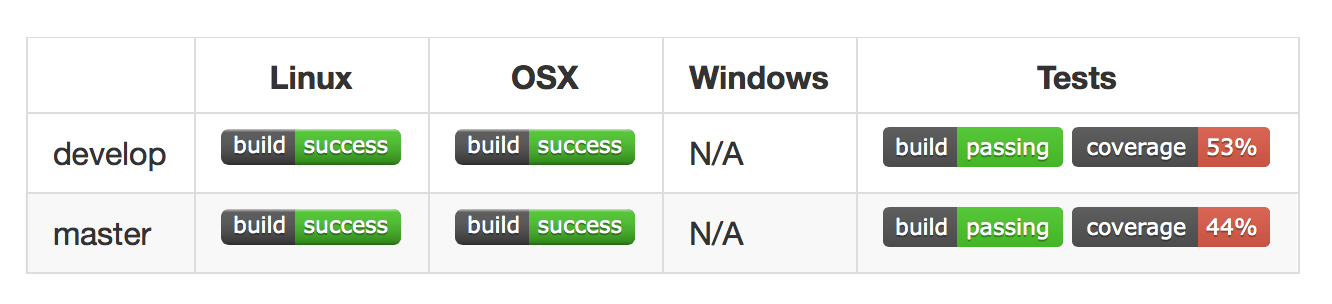
A quick view of build status A quick view of build status

Of course, all of this is built publicly on GitHub and includes various continuous integration aspects such as automated builds and reporting on major platforms. This is not a program defining a spec—this is a spec implemented and cross tested between machines and humans spanning the globe.

Concurrently, work is progressing on several other components to the ecosystem, including GUI interfaces for Mist (the DApp browser) and Mix (the IDE). Many of the tools we use and build upon are new and sometimes require patching upstream to ensure everything works as expected. This is a great benefit for all open source development, and one of the many positive byproducts of all the hours spent actually engineering software. Although the wait may seem long, progress and ongoing confidence in the whole system is increasing steadily.

Beyond the technical ins and outs of development, our communications team has continued interacting with the community to produce public education material like tutorials and videos. Furthermore, our admin staff helps process payments and comply with various local laws including tedious things like employment taxes.
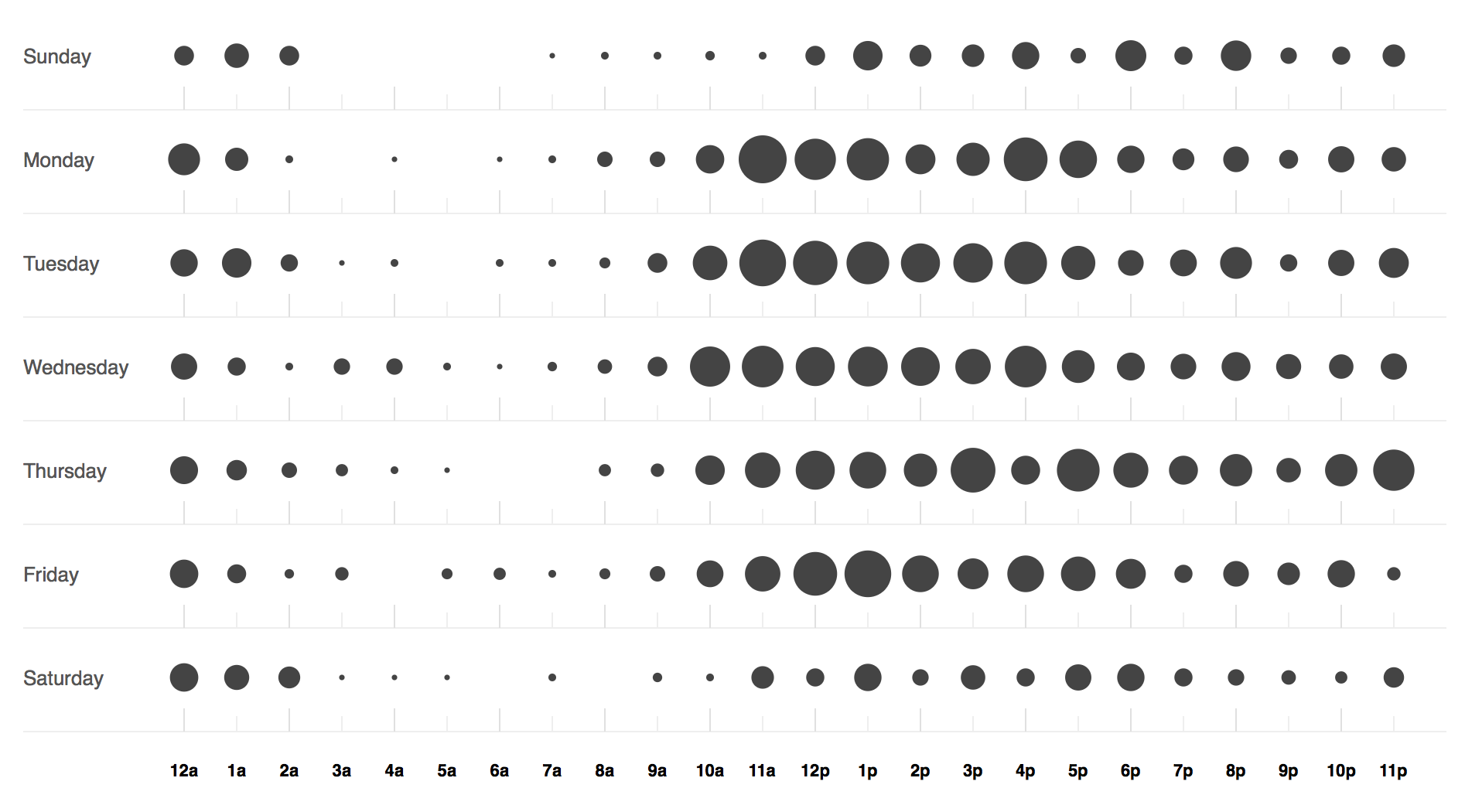
Who needs sleep? Who needs sleep?

Being part of the Ethereum project has been an exceptional experience filled with excitement. What started as only an idea little more than a year ago has spawned an exceptional engineering effort led by professionals implementing all the necessary infrastructure required to build a revolutionary decentralized application platform.

When Netflix introduced Chaos Monkey, they asserted, “We have found that the best defense against major unexpected failures is to fail often. By frequently causing failures, we force our services to be built in a way that is more resilient”. In the process of developing Ethereum, we’ve experienced first-hand the benefits that come from continually straining a system.

And while being tasked to craft the very platform that you dream about is a huge honour, we build it because we want it to exist. Thanks for your patience as we think, sleep, eat, and dogfood the platform. We're as anxious as anyone to see what kind of DAapps will be launching after mainnet goes live!