





Crisis is a cruel teacher. It can draw us together in our shared fragility, but paradoxically it can also distance us from our shared humanity. In times of great crisis, the institutions and structures of society that are supposed to protect and support us may become twisted, corrupted, or rendered impotent – and sometimes, the very things that make us humans can play a role in our collective dehumanization.
In Syria, my political activism became the grounds for denying me the most basic forms of identification. I was detained and tortured as a means of political repression. My academic pursuits forcibly halted, and any semblance of proof of my existence was stripped away. And I, along with millions of others like me, had to escape that reality; smuggling myself across borders to seek refuge in another country – where I had to start from scratch: filing with offices for new identity documents, applying for access to a bank account, a place of residence, and all the other bits of paperwork one needs to possess in order to be recognized as a human being in modern society.
The Crisis as Catalyst for Unprecedented Change
For over a decade working in the international aid and development sector, I’ve grappled with some troubling questions: Are our traditional systems really equipped to respond to large-scale humanitarian crises? Are the powerful and wealthy institutions committed to protecting the world’s most vulnerable humans really doing all they can? Can we do better? How?
Through my Fellowship at the Ethereum Foundation, I’ve conducted research and seen firsthand that public blockchain protocols like Ethereum are more than a neat innovation – For people caught in humanitarian crises - from Syria to Myanmar, Lebanon, and beyond - where conflicts and crises erode trust in fundamental technologies and where authoritarian regimes and centralized power structures have shaken collective trust in institutions, emerging technologies can be a lifeline in times of unimaginable human suffering, and they represent a glimpse into a future model of crisis response unencumbered by borders and institutional inertia.
When Each Detour Costs Lives and Trust
Picture the colossal amount of wealth that is $31.3 billion US dollars. That is the total amount of international humanitarian aid allocated in 2021. Of that staggering sum, only 1.2% is sent to local NGOs in the form of direct aid. The rest moves through a chain of subcontractors, global funds, and multilateral institutions that spend large sums on operational costs. Millions of dollars that are supposed to secure food or medical supplies for those in need end up earmarked for items like pristine white Toyota Land Cruisers, business-class trips to Geneva, or costly office spaces in the nearest stable city center. Millions more are lost to corruption, waste, and mismanagement. This imbalance exposes a harsh reality: resources meant to serve as a lifeline for those in pain are often whittled away by the same structures created to help them.
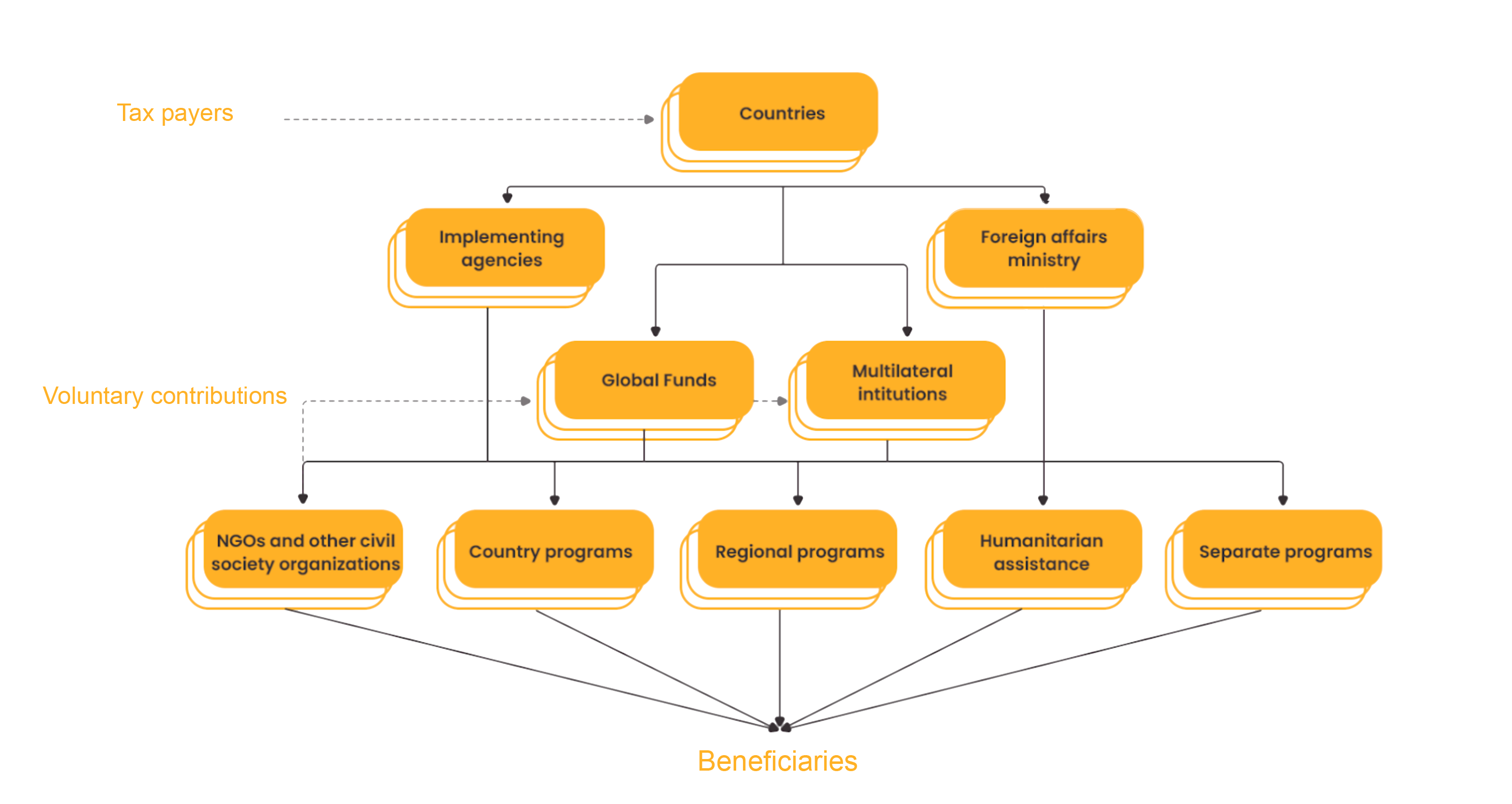
Graph 1: General framework of foreign aid
As someone who spent years managing millions of donor funding into Syria, I see this development framework as not just a flawed system - it's a betrayal of trust and a squandering of resources on a gigantic scale. It's a system that turns every dollar into a trickle by the time it reaches those in desperate need.
The realities of international aid are well-known, including and especially to the organizations working directly with people in crisis. Unfortunately, those organizations don’t often see any alternative. My research for the Next Billion Fellowship aimed to uncover the attitudes and beliefs of CSOs and NGOs working in Syria and Iraq towards blockchain technology – to see if the imagined technology might open up new pathways of support. These are organizations that work in extreme contexts; surrounded by death, neglect, and hostile dictatorship. They work within distributed networks of grassroots volunteers, organizing to do their work amidst air-strikes, sanctions, and all kinds of existential risks. One would think there is a natural fit for humanitarian organizations to embrace technologies of decentralization.
My research revealed a more complicated picture. Early in 2022, only 61% of the 94 CSOs and NGOs I spoke with saw blockchain as a promising alternative to traditional aid support. Among those that responded positively, only 4 organizations were actively utilizing it in their operations and work. Their skepticism was deep. I remember one revealing conversation with the head of a renowned NGO who feared that the creation of a metamask wallet might open them up to de-platforming on their existing donation pipelines of PayPal or GoFundMe. He feared that experimenting with crypto for donations would raise a red flag with the large-scale institutions their NGO must remain in good standing with. I saw his fear as much more than healthy caution; it’s a form of unintentional paralysis that prevents meaningful, transformative change to the status quo. In a world where every second and every cent counts, hesitancy comes at a cost.
Crisis: The Unforgiving Classroom:
The 7.8 magnitude earthquake on February 6, 2023, taught us a brutal lesson in disparity between Syria and Türkiye disaster response. In Syria, over 4.5 million people, already scarred by displacement and conflict, were faced with a new catastrophe. As buildings crumbled, claiming over 8,476 lives, the need for aid was dire and immediate.
Turkish NGOs responded swiftly, leveraging existing avenues of blockchain-based donation pipelines to raise over 11 million USD within just 48 hours. Their innovative use of cryptocurrency, NFT sales, and platforms like Endaoment and The Giving Block not only showed their digital literacy, but also highlighted the vast gap in resources and technology between the two nations. Turkish government initiatives and campaigns like “Turkey - United Heart'' further demonstrated their efficient mobilization, raising a staggering 115.1 billion Turkish Liras (equivalent to $6.22 billion USD) in one night.
By contrast, Syrian organizations, constrained by a fractured compliance and legal infrastructure and limited access to global fundraising platforms, struggled. The Molham Team, a key Syrian NGO, managed to collect a mere $1.12 million over a week. While this disparity was not solely a matter of technology, it was compounded by international sanctions that impeded access to resources and humanitarian aid, deepening the crisis for the vulnerable. However, as highlighted in discussions by experts, the primary hindrance to effective aid delivery in Syria was not solely these sanctions but also the actions of the Syrian regime. Practices such as siphoning off aid for black market sales and mismanaging resources further exacerbated the challenges faced by humanitarian efforts, adding layers of complexity to an already dire situation.
But in the aftermath of the quake, a palpable transformation was beginning in opposition areas. Banners prominently displayed by hawala offices advertised their acceptance of crypto transfers, signaling a significant shift towards digital currency. NGOs in these areas started approaching digital currency with more urgency and practical curiosity. Some began receiving individual donations to their own wallets, while seeking more clarity and assurance from international donors. Expatriate Syrian organizations like the Karam Foundation, operating under clearer regulatory frameworks in other countries, were able to utilize platforms like “The Giving Block” for secure donations.
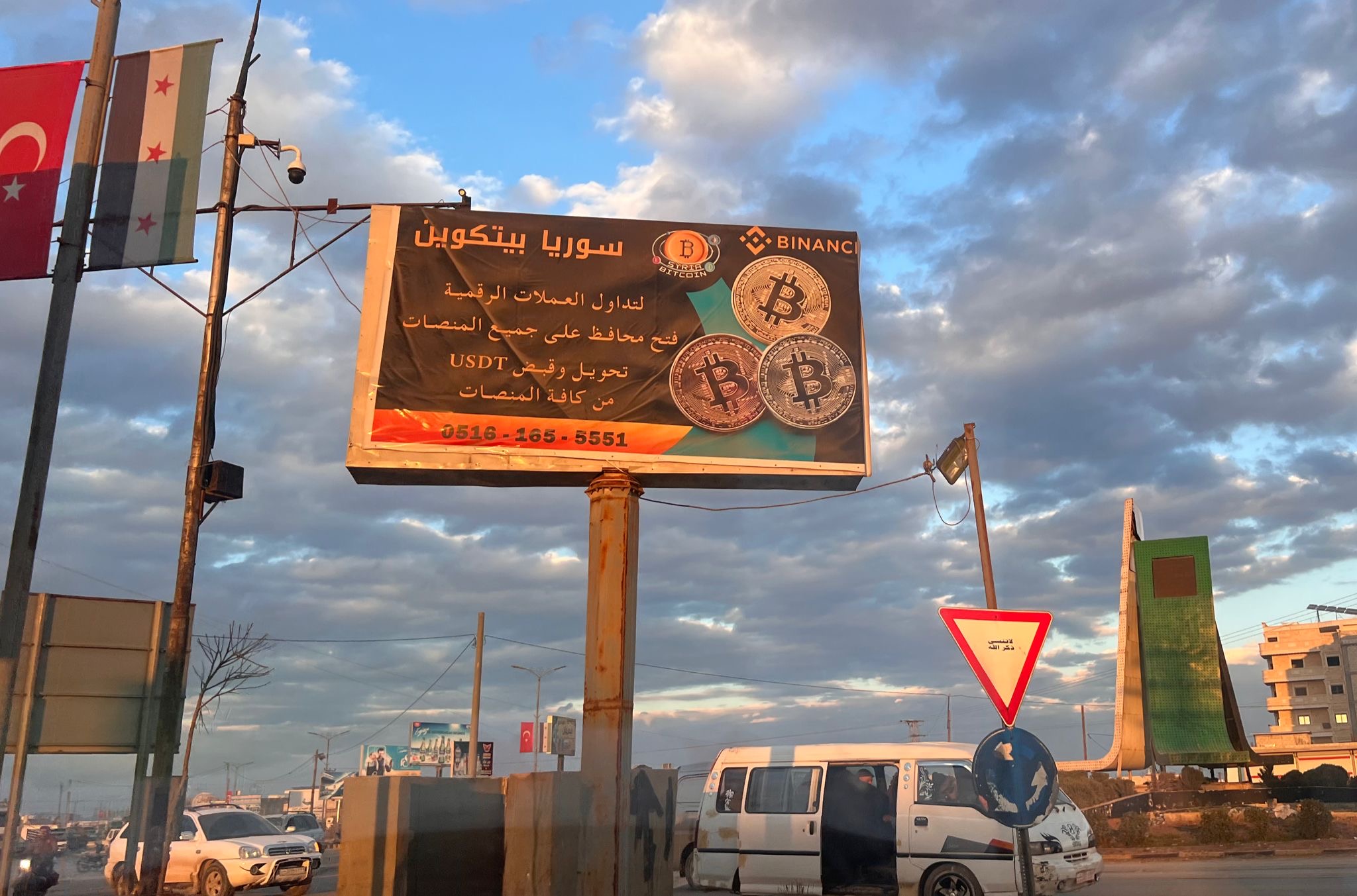
Graph 2: Advertisement by a Syrian local transfer office mentioning they accept and facilitate crypto transactions - Source: Syrian NGO in Aleppo, Northern Syria
I believe this scenario marked the beginning of a transition from tentative exploration to cautious, proactive integration of blockchains for disaster relief.
The head of Furatona for Development in eastern Syria shared with me a perspective of cautious optimism, suggesting that the successful use of crypto donations in Ukraine for humanitarian aid response had reduced apprehensions about using it in Syria. “We are telling the donors we are not just ready to use it; we do need it,” he stated.
From Skepticism to Adoption: A Turning Tide
In our pre-crisis survey, only 51 of 94 organizations had considered blockchains as a viable alternative to entrenched systems. Post-crisis, 87 of the same NGOs responded positively, and many had already started incorporating the technology into their work and operations. With the luxury of choice and time stripped away, those on the ground didn't just adapt; they transformed. Whom had once been skeptical were now embracing digital currency as their go-to solution for remittances and donations.
The earthquake was a true turning point for Syrian aid. Syrian opposition organizations began taking cues from the progressive stance of Turkish institutions, benefiting from legal clarity in Turkey and decreased skepticism. Small organizations within Syria began openly soliciting crypto donations on their social media accounts.
We're not just talking about a few early adopters here. Even large, mainstream NGOs I spoke with underwent legal consultations to explore blockchain-based funding channels. The maze of compliance and regulations presents its own hurdles, underscoring a clear need for education and system refinement, but the fear that had once paralyzed them was now largely absent.
Re-humanizing Impact
If this story tells us anything, it's that the theoretical debates around new channels of aid are over. We are now in the realm of the practical, the tangible, and the desperately urgent. Peer-to-peer aid is not just about raising money; it's about re-engineering trust in a world marred by crises. We can narrow the distance between giver and receiver, fostering a sense of proximity even from continents away. In this new paradigm, aid becomes a personal gesture rather than a faceless transaction, transforming the giver-receiver dynamic into one of solidarity.
When borders and bureaucracies become walls that obscure our shared humanity, public protocols stand as a vital artery, enabling not just the flow of funds but the pulse of human connection. It’s more than a tool; it's a lifeline in a fractured world. As global crises lay bare the frailties of our traditional systems - systems that falter and fragment under duress - blockchains may be able to offer a more resilient alternative – one that treats all participants fairly, regardless of their socio-political context.
Karam Alhamad is a second-year MPP student at Jackson School for Global Affairs at Yale University with 12 years of experience in international development, specializing in research and grants management, focusing on Middle Eastern dynamics. His current work explores blockchain technology's potential in humanitarian aid. His research report will be published later this year.