


The NACTO Designing Cities Conference 2026 in Minneapolis brought together transportation leaders, planners, engineers, and mobility innovators from across North America and INRIX was proud to be part of the conversation showcasing our latest mobility analytics solutions. The varied activities, panels, and attendees taught valuable lessons and reinvigorated our first-time attendees and veterans alike.
Being a part of the conference gave INRIX a direct line into the conversations around what’s urgent, what is not working, and what meaningful change looks like on the ground. City transportation agencies are actively shaping what safer, more equitable streets look like for the people who live in their cities; by listening to and engaging in what is said at the conference, INRIX can make sure what we are building as a company actually moves the needle.
OMF Workshop Highlights Data-Driven Mobility Management
One of the highlights was the Open Mobility Foundation Academy Workshop co-hosted by INRIX at the start of the conference. The session generated strong attendance and engagement, with thoughtful discussions and collaborative exercises focused on how cities are transitioning from static, analog rules to dynamic, data-driven mobility management. Participants explored the growing importance of standards such as the Mobility Data Specification and Curb Data Specification and how these frameworks allow cities and private operators to collaborate while preserving privacy and public oversight.
Minneapolis Showcases Best Practices and Real Lessons From the Field
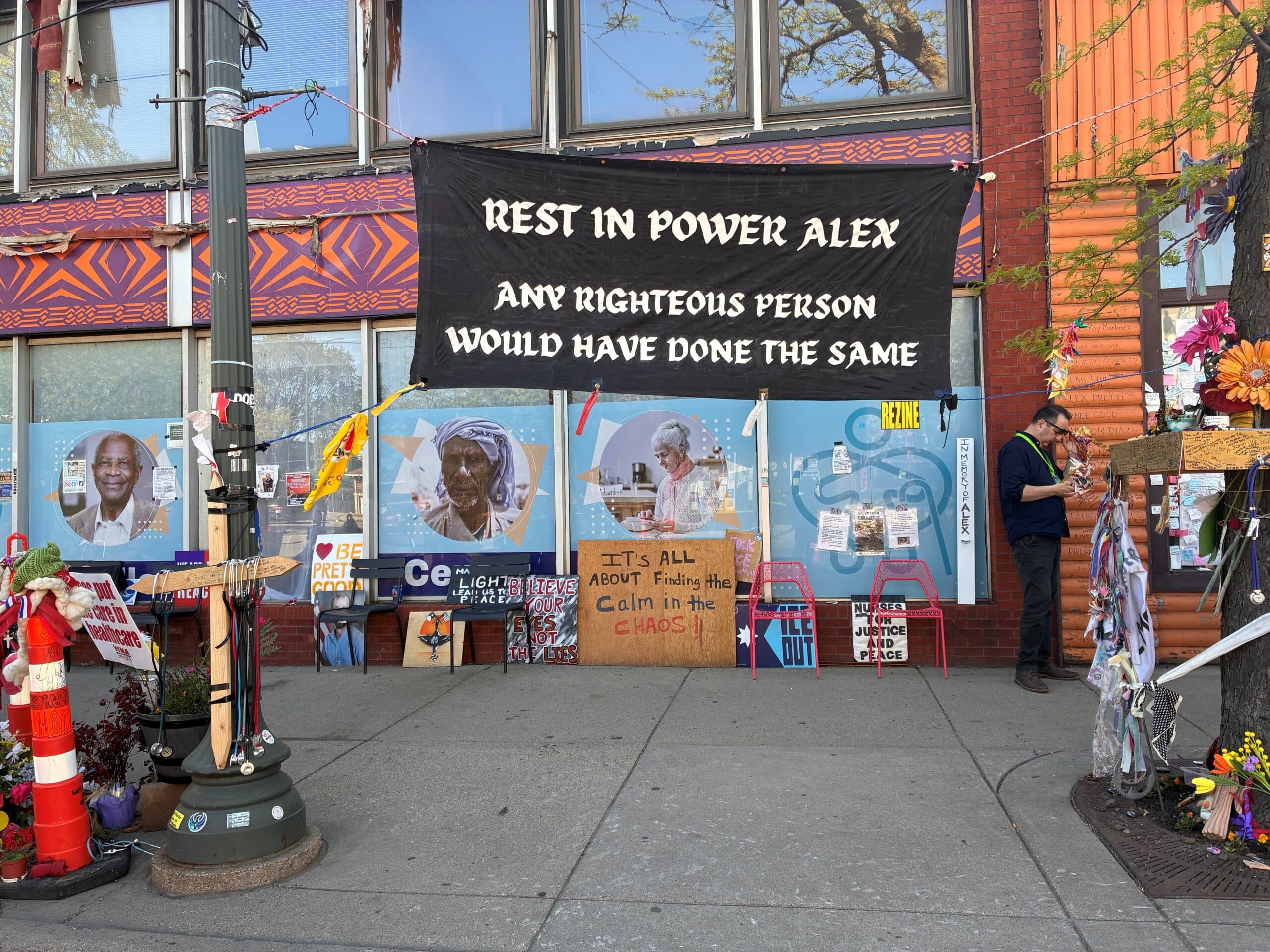
The City of Minneapolis proved to be an exceptional host city. They wove the city’s story and the weight of ongoing struggles into the conference program. It was a grounding reminder that the decisions we make as transportation professionals don’t happen in a vacuum. From informative walkshops (the hallmark of the Designing Cities conference) to hands-on experiences like painting a bus lane at night, the conference showcased how transportation can directly shape community experience and urban identity. This was especially impressive given all of the challenges the city has faced outside of transportation since 2020. One particularly moving moment was when participants in the Smart City Curb Management walkshop visited the Alex Pretti and Renee Good memorial which was woven right into a bustling neighborhood a couple miles from the conference hotel.
Another walkshop showcased the mobility hubs across the city. The city’s idea was to create an area that brought all modes of transportation to one spot helping the community get to where they are going, especially the “last mile”. They used clever signage and paint to make it clear that a spot had access to rail, bus, and shared micromobility.
The Digital Curb is the Next Frontier
The curb is the bleeding edge of the practice with officials trying to figure out how to manage constantly changing needs based on new vehicles/operations (e.g., autonomous vehicles, delivery robots, and other emerging mobility formats). The need for digital curb is the next frontier with e-ink signage as a stopgap solution as cities modernize curb operations.
Micromobility and Transit in Action
Micromobility was fully integrated into the entire conference. Lime and Spin provided vehicles to get everywhere and the free passes for conference attendees allowed people to quickly get around from one place to the next seamlessly. For longer trips, the extensive transit system covered the entirety of the city. Providing free trips for conference attendees meant there was little to no need to rent a car or even take a TNC/taxi.
Throughout the event, INRIX demonstrated how data-driven tools can help agencies better understand and manage rapidly evolving transportation systems. At the booth, conversations consistently focused on curb management and safety along with the tools we are building to support those initiatives, including INRIX Curb Analytics, INRIX Volumes, and Speed Distribution Profiles. Attendees showed a particular interest in Curb Analytics and our modeled on-street occupancy predictions. The discussions reinforced the need for intuitive visual tools that help agencies operationalize safety and curb data effectively.
Looking Ahead
NACTO Designing Cities 2026 reinforced that the curb remains one of the most dynamic frontiers in transportation. As cities adapt to autonomous vehicles, delivery robots, and emerging mobility modes, the need for digital curb management and real-time analytics will only continue to grow. INRIX was excited to contribute to these conversations and showcase how our expanding mobility and safety solutions can help cities build more livable, sustainable, and connected communities.
Interested in learning more? Register for “The Next Fronter in Curb Management” webinar.
此内容由惯性聚合(RSS阅读器)自动聚合整理,仅供阅读参考。 原文来自 — 版权归原作者所有。