
惯性聚合 高效追踪和阅读你感兴趣的博客、新闻、科技资讯
阅读原文 在惯性聚合中打开

推荐订阅源

D
Docker
cs.AI updates on arXiv.org
C
Cisco Blogs
Scott Helme
Scott Helme
Know Your Adversary
Know Your Adversary
NISL@THU
NISL@THU
C
Cyber Attacks, Cyber Crime and Cyber Security
D
Darknet – Hacking Tools, Hacker News & Cyber Security
C
CXSECURITY Database RSS Feed - CXSecurity.com
S
Schneier on Security
I
Intezer
Spread Privacy
Spread Privacy
AWS News Blog
AWS News Blog
V
Vulnerabilities – Threatpost
Cloudbric
Cloudbric
V2EX - 技术
V2EX - 技术
Google Online Security Blog
L
Lohrmann on Cybersecurity
Recent Commits to openclaw:main
L
LINUX DO - 热门话题
S
Secure Thoughts
T
The Exploit Database - CXSecurity.com
博客园 - 【当耐特】
Recent Announcements
Security Archives - TechRepublic
Stack Overflow Blog
Stack Overflow Blog
罗磊的独立博客
OSCHINA 社区最新新闻
OSCHINA 社区最新新闻
K
Kaspersky official blog
阮一峰的网络日志
阮一峰的网络日志
博客园_首页
Latest news
Latest news
B
Blog
F
Full Disclosure
大猫的无限游戏
大猫的无限游戏
博客园 - 叶小钗
L
LangChain Blog
GbyAI
GbyAI
Last Week in AI
Last Week in AI
S
Security Affairs
Apple Machine Learning Research
N
Netflix TechBlog - Medium
Security Latest
Security Latest
Vercel News
Vercel News
Y
Y Combinator Blog
G
GRAHAM CLULEY
S
Securelist
T
Troy Hunt's Blog
Hacker News - Newest:
Hacker News - Newest: "LLM"
雷峰网
雷峰网

The Hindu: Latest News today from India and the World, Breaking news, Top Headlines and Trending News Videos.

U.K. pauses its plan to cede Chagos Islands after U.S. opposition Driver jailed for 7 days for driving sleeper bus in drunken condition Kim Jong Un supports China’s “multipolar world” vision during talks with Wang Yi Uttar Pradesh boat tragedy: Punjab town mourns deaths Relief for Bengaluru commuters as Silk Board flyover set to open fully, but inspection by BTP reveals likely bottleneck Repolling underway at booth of Karimganj North Assembly seat in Assam PM Modi interacts with Rahul Gandhi as leaders gather to pay tribute to Mahatma Jyotiba Phule Anil Kapoor’s ‘24’ set to release on OTT Vance, Iranian delegation arrives in Islamabad for U.S. talks amid ceasefire hopes Fire at Hyderabad’s Chintal Basti apartment, 17 residents evacuated safely Centre nudges States to view farm solarisation as a route to wiping off ₹2.4 lakh crore subsidy bill Why voter turnout hit record highs in Assam, Kerala & Puducherry Strait of Hormuz to be open “fairly soon”, says Trump ‘Jana Nayagan’ leak tests new legal penalties, torrent downloads under scanner Vijay’s ‘Jana Nayagan’ controversy explained: From legal battles to piracy chaos HYDRAA brings down guest house and other structures at Ameenpur Row erupts over removal of Ambedkar statue at midnight in Secunderabad Cantonment area Nitish may resign as Bihar CM on April 13; son Nishant likely to become one of two JD(U) Dy CMs Police open fire on youth while he was trying to flee Struggling CSK look to snap their losing streak | Vidyut Sivaramakrishnan ED raids former Trinamool Minister Partha Chatterjee’s residence Karnataka’s Gruha Jyothi scheme dimmed the scope of PM’s Surya Ghar Muft Bijli Yojana: KRESMA After Artemis II, NASA looks to SpaceX, Blue Origin for Moon landings Ayush Shetty storms into Badminton Asia Championships final Scholarships: April 11, 2026 Andhra Pradesh’s Socio-Economic Survey missing in recent Budget Session; efforts underway Inside Péro’s fun office Penciljam sessions in Bengaluru help hone artistic talent Watch: The mistake killing high-concept films | Escalation without calibration | FMM 19 Tamil Nadu Assembly election 2026: DMK demands reinstatement of N. Muruganandam as Chief Secretary Kerala Assembly election | Heavy turnout sparks political calculations in Tripunithura’s triangular contest Apple at 50: A loyalist on the brand’s evolution in India Reiterated demand for Hasina extradition with India: Bangladesh Foreign Minister Rahman Phule left a lasting legacy of social reform and inclusion, says President Murmu Trump congratulates returned Artemis astronauts, says ‘next step, Mars!’ Voters' lists in 12 States, Union Territories shrink by over 6 crore post SIR 4.7 magnitude earthquake jolts Maharashtra’s Hingoli district, no casualties Teams led by CSIR women scientists report advances in research on depression mechanisms in females Gap between rich and poor nations growing even wider: U.N. report Russia and Ukraine set to begin Easter truce Minimum temperature continues to rise in Delhi; AQI 'moderate' IPL 2026 | Suryavanshi on tackling Bumrah, Hazlewood: ‘I look at the ball not the bowler’ Iranian delegation reaches Islamabad for peace talks with U.S. as world waits for deal to end conflict Trump shares video of brutal Florida killing allegedly by Haitian immigrant Bihar man sought money from foreign agency for threatening PM Modi’s security, arrested: Police 14 injured as Hyderabad–Eluru bus rams lorry on NH-65 flyover in Kodad Assembly Elections 2026 highlights: BJP tried to invalidate my candidature in Bhabanipur, says Mamata At DEL in Roseate House Aerocity, a robot joins the service team Prince Harry sued for defamation by charity he set up in Africa to honour his mother Princess Diana North Korean leader Kim backs China’s push for multipolar world in talks with Foreign Minister Jio-bp not to raise petrol and diesel prices Ten Indian nationals indicted in U.S. for visa fraud conspiracy In Pictures | Artemis II's voyage to the moon and back The Hindu Morning Digest: April 11, 2026 British Airways ramps up services to India for summer Focus on innovation and entrepreneurship in farm sector through agritech meet in Rajasthan Israel-Iran war updates on April 11, 2026: Iran talks pause after 15-hour negotiation, disagreements remain India in final stages of formulating processing value chain for critical minerals: Mines Secretary ‘A perfect mission’: Artemis II astronauts return to Earth India, U.S. to deepen nuclear ties, explore LPG exports Induction-based cooking to add 13-27 GW of energy requirements: Official In Assam, first evicted, now erased Absorbed uptick in price of ammonium nitrate, diesel to shield prices: Coal India Trump says U.S. will have Strait of Hormuz 'open fairly soon' Political slugfest between Congress-BJP in Haryana over crop procurement World Earth Day 2026: Why India must define its own green factory standards now Tamil Nadu election 2026: In Thiruvaiyaru constituency, all parties sing the same tune during polls BSF jawan killed in unprovoked firing in Manipur’s Ukhrul Discontinue Ladki Bahin if government doesn’t have funds for pension: Bombay HC Tamil Nadu Assembly election 2026: Arun shifted, Modak appointed Chennai Police Commissioner An alternative proposal on Viksit Bharat Shiksha Adhisthan Bill Lebanon says first contact with Israel held ahead of U.S.-brokered talks At ICA conference, CJI Surya Kant underscores arbitration’s role in global economy Students to get textbooks by April 20: Sood 14 lakh tons of silt cleared, half of desilting work complete: Delhi Minister Parvesh JNU considers 5% admission quota for employees’ children Bolstering deterrence through submarine dominance Braving heat, leaders hit the streets in Chennai city as poll battle intensifies Turning up: The Hindu Editorial on high turnout in Kerala, Assam, Puducherry polls Beyond the marks: How II PU toppers overcame challenges People living with HIV/AIDS put forward demands to all political parties Rebuilding ties: The Hindu Editorial on India engaging with Turkiye and Azerbaijan Fake call centre duping buyers of weight-loss products busted, 11 arrested Artemis II: how NASA scientist, senior official Amit Kshatriya helped U.S. moon mission I am enduring pain fighting the party I built brick by brick: PMK founder S. Ramadoss Tamil Nadu election 2026: a high-profile contest brews in Mylapore constituency A ‘nova’ for these women to shine bright Welfare measures for the marginalised take centre stage in Bengal’s Jhargram BFC holds all the aces in Blasters clash Kerala Assembly polls 2026: UDF expects sweep as LDF, NDA seek gains in Ernakulam 10 killed as overcrowded boat capsizes in Yamuna Vijay’s ‘Jana Nayagan’ leaked online: Rajinikanth, Kamal Haasan, Chiranjeevi slam piracy In Chennai, Sumanasa Foundation’s Art Unfettered platforms five artistes who are pushing boundaries 15-year-old missing girl from Kerala found dead in Chikkamagaluru Iran-Israel war updates on April 10, 2026: Trump says Strait of Hormuz will open 'fairly soon' From hiding to hope: Bastar and its surrendered Maoists What does the Jan Vishwas Bill do? | Explained India, Bangladesh share ‘warm and historic ties’: MEA Tamil Nadu election 2026: Ambattur constituency residents demand GH, sewer network, wider roads A peek at India’s athleisure boom
Interview with Anirudhya Mitra, author of The Delhi Directive, a spy thriller
Soma Basu · 2026-04-06 · via The Hindu: Latest News today from India and the World, Breaking news, Top Headlines and Trending News Videos.

Operating in a hidden world, intelligence agents across the globe remain an enigma to ordinary citizens. Public understanding of national security operations is shaped largely by films, yet the reality bears little resemblance to what unfolds on screen. Espionage rarely operates within the bounds of legitimacy, and its stories are seldom told. Nameless, faceless operatives — spies, assets, and handlers — work in the shadows to safeguard their nations, their contributions unknown and unacknowledged.

In his latest book, The Delhi Directive: Once You’re marked, There’s No Escape (published by Juggernaut), investigative journalist-turned-author Anirudhya Mitra cautiously sketches details about missions that never took place ‘officially’. It is quite an eye-opener on intelligence operations, terrorism, covert warfare, the hidden mechanics of global power, and how nations protect themselves beyond public narratives. Edited excerpts from an interview:
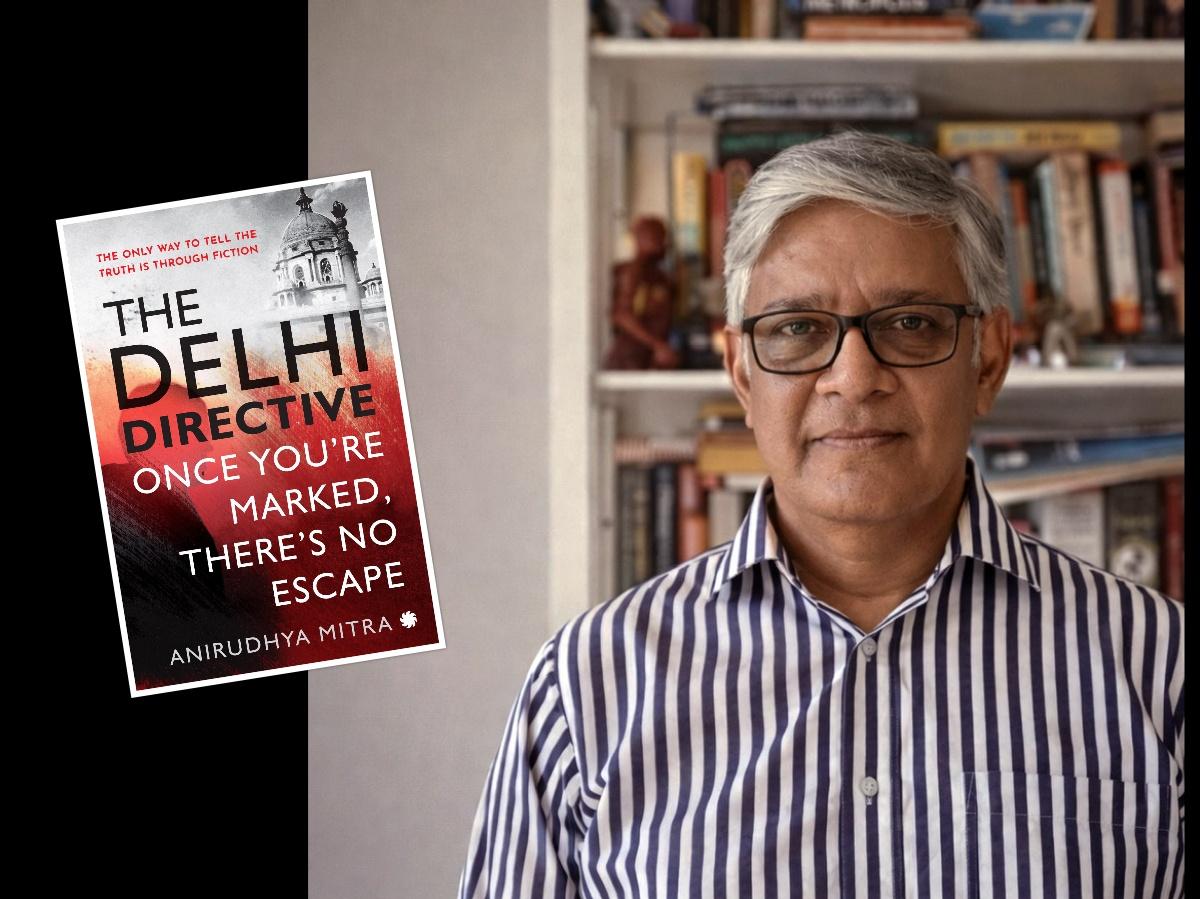
Journalist-turned-author Anirudhya Mitra’s book delves into intelligence operations, terrorism and covert warfare.

Journalist-turned-author Anirudhya Mitra’s book delves into intelligence operations, terrorism and covert warfare.

Q. You have said that The Delhi Directive is based on real R&AW operations. How long did it take you to write it?

A: It has taken me my entire career to understand the world of espionage, and I still feel I am only scratching the surface. The people I follow operate in darkness. 

In 2023, after the then Canadian Prime Minister, Justin Trudeau, accused Indian agents of being involved in the killing of Hardeep Singh Nijjar (a Canadian Sikh involved with the Khalistan movement), I began researching it because it was not a routine allegation; it had diplomatic consequences.

Instead of simply accepting the Indian government’s denial or rejecting Trudeau outright, I wanted to examine how such operations are viewed globally.

Q. Bollywood hit Dhurandharabout an undercover Indian agent, has generated much interest recently. Why did you fictionalise the spy universe in your book, when books can offer more than films, which often take creative liberties?

Ranveer Singh plays an undercover Indian agent in ‘Dhurandhar’.

Ranveer Singh plays an undercover Indian agent in ‘Dhurandhar’.

A: The grammar of cinema is different as it compresses reality into spectacle. A book can open up the layers. I had no option but to write my book as fiction because  the government will be the first to deny when you publish operational details as non-fiction. Covert funds are not officially recorded. Operatives use false identities. Written approvals for sensitive actions rarely exist.

Q. The book highlights the story of an Indian spy who goes after India’s most wanted criminals in Pakistan, Canada, the U.K. and U.S., and the Gulf.  It shows the achievements of our agency operatives despite challenges and limited resources.

A: Yes, Indian Intelligence does not have the global budget of the CIA or the vast electronic surveillance grid of the United States. Yet, it operates across regions, works in difficult environments, often without the luxury of open political cover. In reality, it is long-waiting, endless paperwork, coded conversations, and huge personal risk without recognition. It fascinates me, and I wanted to show how complex and disciplined that ecosystem really is.

Q. In the book, you talk about India’s paradigm shift in intelligence strategy post 2014. How far has the government’s zero-tolerance policy reduced terrorism?

A: The 2016 Uri surgical strikes were not just a military response. They were a message. For decades, India absorbed attacks and responded with dossiers and diplomatic protests. Post-2014, the signalling has changed. India has made it clear that cross-border terror will invite visible retaliation. In geopolitics, perception matters. If your adversary believes you will react, the cost of misadventure rises.

Zero tolerance squeezes networks, disrupts financing, and forces handlers across the border to think twice. That is the shift.
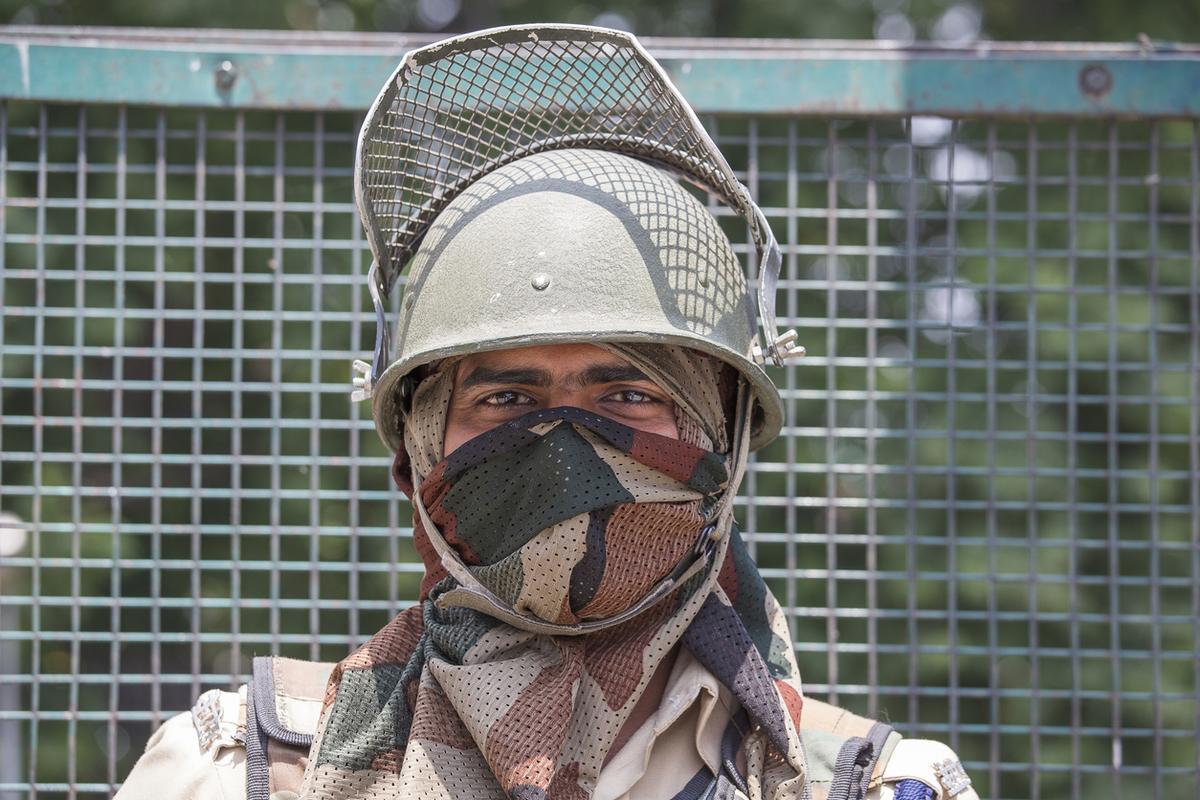
A guard at an Indian Army checkpoint in Kashmir.

A guard at an Indian Army checkpoint in Kashmir. | Photo Credit: Getty Images

Q. Why do you think spy stories resonate so strongly? How has espionage evolved over the years?

A: People like spy stories because they know there is more happening than what they see on television debates. Somebody is always watching, tracking, intercepting, negotiating. And most of those people will never be known. If they fail, they are disowned. If they succeed, nobody hears about it. That tension and the idea that there is a hidden layer beneath politics, where decisions are made quietly but affect millions, pulls readers in.

Q. How does the terror funding ecosystem work, in your observation?

A: Terror is expensive. Guns, explosives, logistics, safe houses, legal defence, and propaganda run on money.

In my book, you read about Harwinder Singh Rinda, a wanted terrorist based in Lahore, allegedly moving Afghan heroin to Latin American cartels. Part of that money is meant to fund Khalistani networks in Canada and the U.S. There are also allegations of arms and explosives moving through the same channels. This is not fantasy. This is how modern hybrid warfare works.

Once, an Intelligence veteran told me that drugs fund guns, guns create leverage, and then leverage creates diplomatic bargaining power. But the cold truth is, today’s asset becomes tomorrow’s embarrassment. Agents are destroyed when they become liabilities. When a militant group becomes too visible, uncontrollable, or costly, the plug is pulled. Sometimes quietly, sometimes violently.

Q. People see gripping and fascinating portrayals of the FBI, ISI, CIA, KGB on the silver screen. What is the difference between R&AW and other intelligence agencies?
Getty Images

Getty Images

A: The real difference is how big they are, how much freedom they get, and the kind of system they operate in. Some have huge budgets and operate across continents with open backing from their governments. Others work more quietly, with fewer resources, shaped by regional pressures and political realities.

The CIA has global reach and huge budgets. After 9/11, it openly conducted drone strikes and covert operations across continents.

The ISI has historically used non-state actors as strategic tools in Afghanistan and Kashmir. That is part of its army-dominated structure.

The KGB, and today’s FSB, operate within a tightly controlled system where covert elimination and counter-intelligence are institutionalised.

R&AW was created in 1968 after the 1962 and 1965 wars exposed serious intelligence gaps. For decades it operated quietly, focusing on neighbourhood intelligence. It did not advertise itself. It did not glorify itself. Post 2014, the signalling has changed. India has become more open about some cross-border responses. But R&AW still does not hold press briefings about covert successes. It does not make films celebrating itself. It prefers silence. And sometimes, silence is power.

The interviewer is a senior journalist based in Delhi.