









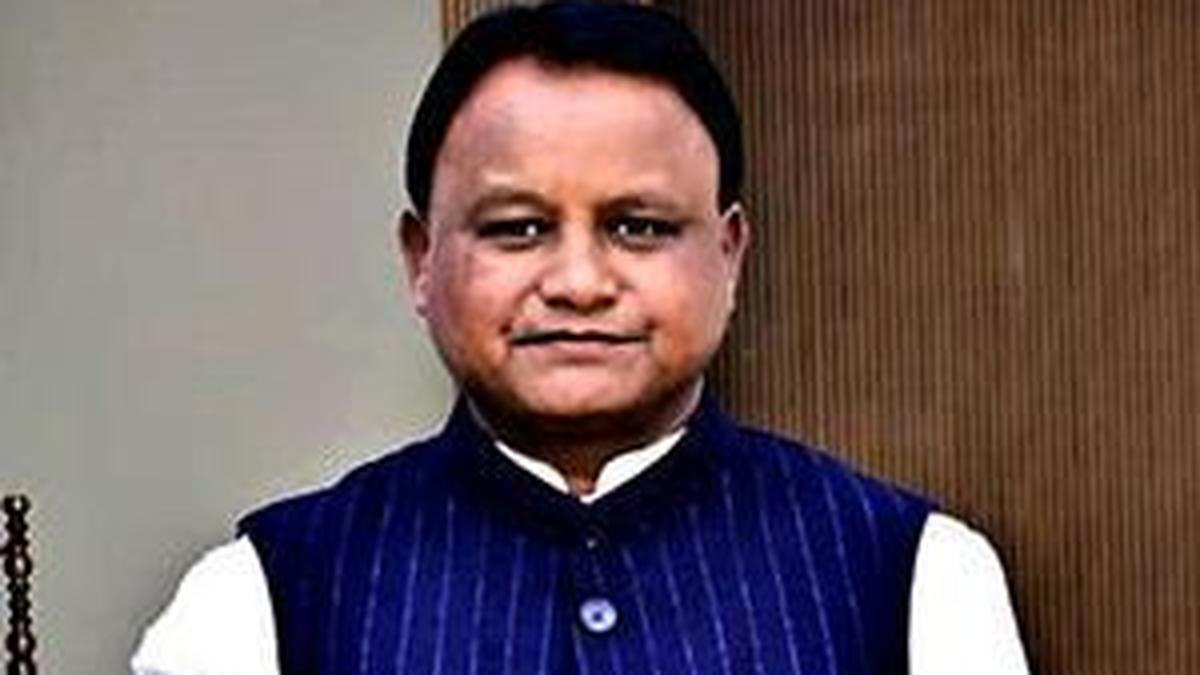
The Bharatiya Mazdoor Sangh (BMS), the labour wing of the Rashtriya Swayamsevak Sangh (RSS), has urged Odisha Chief Minister Mohan Charan Majhi to immediately intervene in what it described as a worsening industrial crisis triggered by the retrenchment of more than 15,000 contract and outsourced workers across the State, particularly in power and industrial sectors.
In a representation submitted to Mr. Majhi, the BMS said conciliatory talks held on Sunday (May 24) between its leadership and Deputy Chief Minister and Power Minister Kanak Vardhan Singh Deo had failed to produce any “meaningful or satisfactory” outcome.

“These mass retrenchments have completely shattered the socio-economic fabric of thousands of families across Odisha. Workers who have dedicated their continuous service are suddenly left without any means of survival. This mass displacement is pushing thousands of local families into deep financial distress, extreme poverty, and mental trauma, entirely defeating the vision of “Reverse Migration” and sustainable local employment in the State,” the BMS said in its letter.
The labour union alleged that the retrenchments were carried out by the four power distribution companies operating under Tata Power in Odisha in the name of cost-cutting. It demanded an immediate halt to the layoffs and sought the reinstatement of all affected contract, temporary and outsourced workers, with continuity of service and back wages.
According to the BMS, reduced technical manpower could compromise transformer maintenance and restoration work, potentially leading to prolonged power outages in rural and urban areas. Such disruptions, it said, would adversely affect households, agriculture and small industries.
The union further stated that a ‘Satyagraha’ protest launched on May 18 outside the Odisha Legislative Assembly was intensifying and could escalate into a broader industrial and social unrest if left unresolved.
The BMS also raised legal concerns over the retrenchment process, alleging violations of Sections 25-F and 25-N of the Industrial Disputes Act, 1947. It claimed that workers had been terminated without mandatory notice, compensation or prior approval from authorities.
In addition, the union demanded the formulation of a separate “Odisha Outsourcing Model” to provide legal safeguards for contract and outsourced employees, including job security, standardised service conditions and protection against arbitrary dismissals.
Published - May 27, 2026 04:39 pm IST