





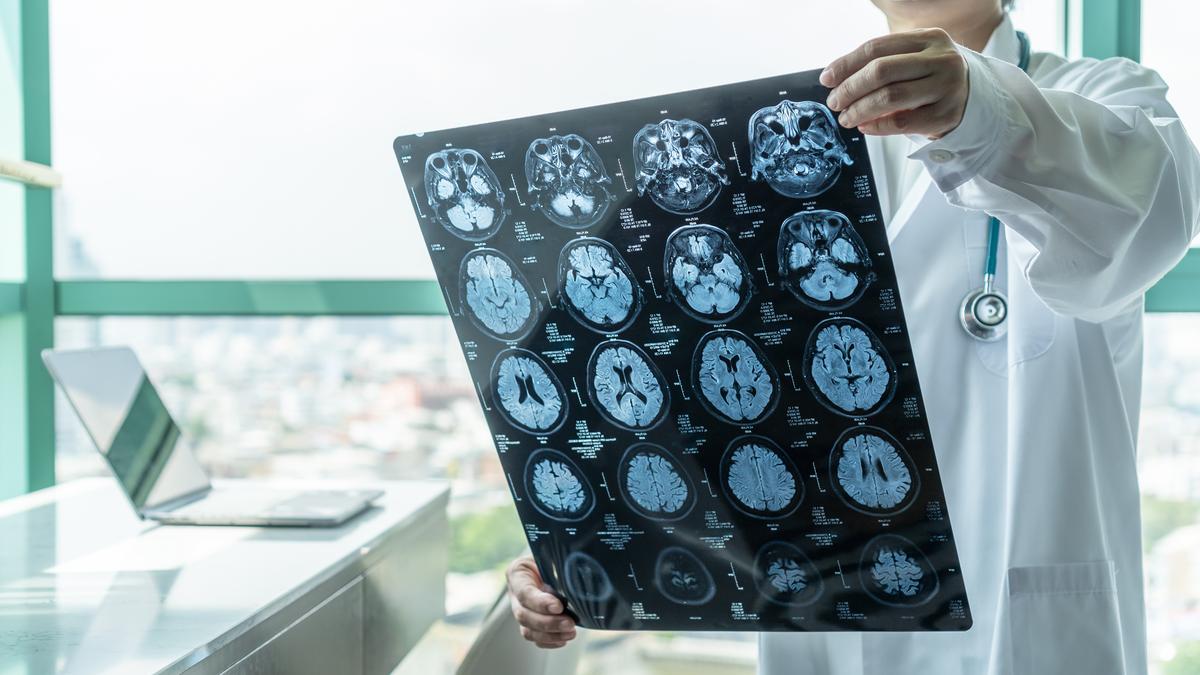
The World Health Assembly (WHA) passed the first-ever resolution on strokes on Friday (May 22, 2026), urging member states to recognise the medical condition as a public health priority and to strengthen national policies across the full care pathway. This involves prevention and risk‑factor control, timely acute treatment, expanded rehabilitation, and long‑term support.s
The WHO definition of stroke is a medical emergency that occurs when blood flow to the brain is interrupted, either due to a blockage or bleeding. This lack of blood flow can lead to brain cell death and serious complications. Strokes can be fatal and need immediate treatment. It is estimated that strokes affect 12 million people every year, killing more than half of them, and leaving two out of three survivors with a lasting disability.
The resolution calls for stronger national and global action to reduce the burden of strokes, through prevention, acute care, rehabilitation, and improved health system readiness. It also reinforces reporting accountability.
Kouamivi Agboyibor, WHO’s medical officer for cardiovascular diseases and strokes, called the resolution “historic”, saying it created a political mandate. Khaled Abdel Ghaffar, Egypt’s Minister of Health and Population, who submitted the resolution to the Assembly, said: “The resolution gives every country a framework to close the gaps in stroke care systematically... Commitment today means fewer deaths and fewer disabled citizens tomorrow.”
Stroke in India
As per estimates published in an article in the peer-reviewed International Journal of Stroke, the crude incidence of stroke in India ranges from 108 to 172 per 1,00,000 people per year, with a one-month case fatality rate between 18% and 42%. There are only 8,000-odd neurologists and neuro surgeons for India’s entire population, and this compounds concerns about the inadequacy of care.
“One detail that is more important than new strokes annually or even the one-month case fatality is the millions of man hours lost (including that of the caretakers),” points out K. Ganapathy, senior neurologist and past president of the Neurological Society of India.
‘Wakeup call’
“There is enough data now to show that strokes occur much earlier in India than in other countries. While specific genes have been identified, it is their interaction with a modifiable environment that actually increases the risk of stroke in the young,” he says. The good news is that risk factors such as hypertension, diabetes, tobacco use, obesity, physical inactivity, unhealthy diet, air pollution, and alcohol misuse are all reversible.
Prof. Ganapathy adds: “This resolution should be a wakeup call for India. With the current state of digital literacy and an excellent telecom network, India can show the rest of the world that stroke prevention is eminently doable.”
E.S. Krishnamoorthy, a neuropsychiatrist and founder of the Buddhi Clinic, says, “WHO’s first dedicated stroke resolution is a landmark moment because it recognises stroke not merely as an acute medical emergency, but as a lifelong neurological and rehabilitation challenge. For countries such as India, where stroke-related disability is rising rapidly, the emphasis on prevention, rehabilitation, health-system readiness and scalable neurorehabilitation models is especially important.”
Published - May 23, 2026 10:27 pm IST