






In the mid-1980s, when I was a teenager, I saw something on Doordarshan that completely mesmerised me. It was David Attenborough’s 13-part series, Life on Earth. From the first episode, ‘The Infinite Variety’, to the last, ‘The Compulsive Communicators’, it changed my life. It inspired me to become a conservation journalist, create my show Born Wild, and continue my work in ocean conservation. It left me with a lasting sense of wonder and curiosity about the natural world.
I was also lucky enough to meet and interview Attenborough twice. The first time was a brief 10-minute interaction; the second, an entire rainy afternoon at his home in Richmond, Surrey. After years of watching him on screen, listening to his voice, reading all his books and watching him become a global hero, I was prepared for the meetings to be formal. I thought I would have to deal with an entourage and that the interview would be monitored. That has mostly been my experience with celebrities. But it was nothing like that. It was simply the man himself, in all his charm and humility.

Attenborough with filmmaker Swati Thiyagarajan at his home in Richmond, Surrey, in November 2015. | Photo Credit: Courtesy Swati Thiyagarajan

The first time we met, he helped me set up my equipment, even though I was perfectly capable of doing it myself. He said he couldn’t sit by while a young woman lifted heavy gear. Old-fashioned maybe, but undeniably charming. He was nearly 80 then. The second time, about a decade later, I had to plead with him to sit down after he helped me move a heavy table. I didn’t want the infamy of being the journalist who injured Attenborough.
A life devoted
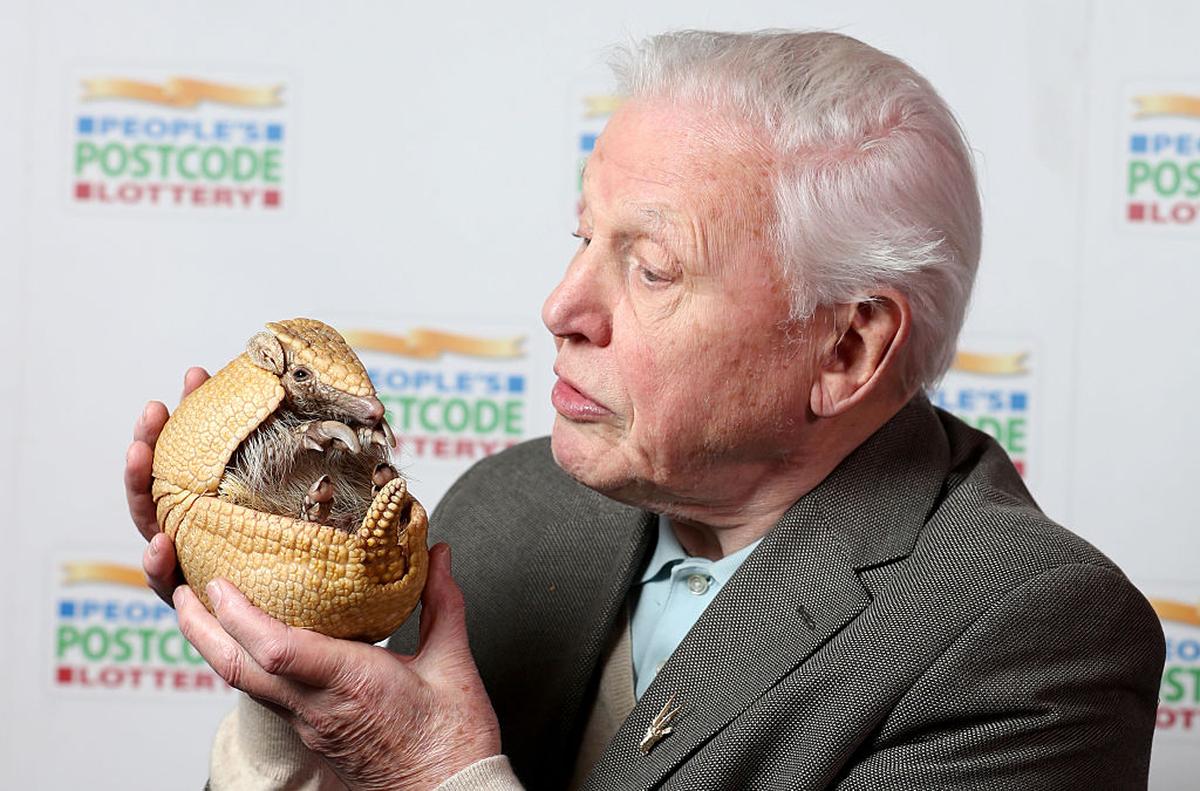
David Attenborough holds Inti, an armadillo from Edinburgh Zoo. | Photo Credit: Getty Images
After the interview, he insisted I stay a while longer. He showed me fossils and bones from his collection, asking me to guess what they were — and, luckily, I got 8 out of 10 right. I share his curiosity about ancient bones. He told me that one of his greatest childhood passions was fossil hunting, and he described the thrill of discovering them. It feels fitting that a dinosaur — Attenborosaurus conybeari, a Jurassic marine reptile — is named after him.
When I left, he stood at his gate in the rain, waving goodbye until our car turned onto the road.
After I returned to India, I sent him a short thank-you note. He doesn’t use email, so I posted it — and received a prompt handwritten reply. He didn’t need to, but that’s who he is. Many colleagues who’ve met or worked with him describe the same graciousness and charm.
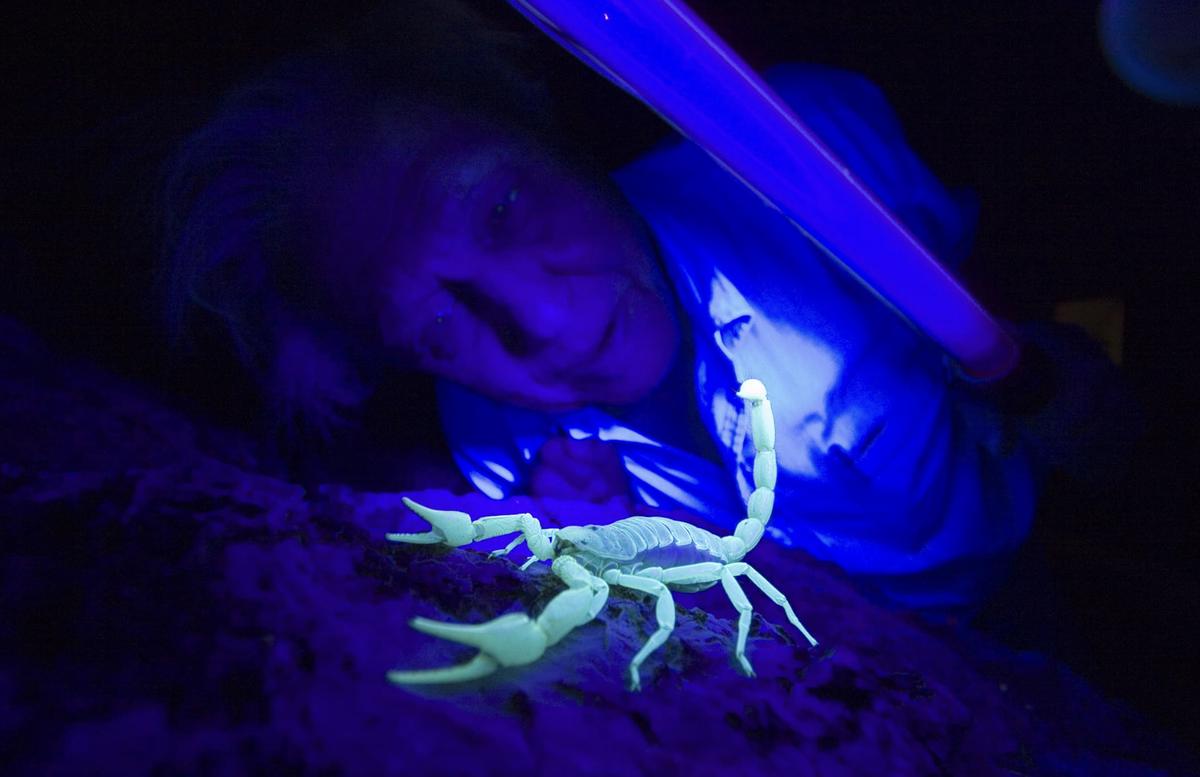
David Attenborough in ‘Life in the Undergrowth’ (2005).
It’s been argued, and not without reason, that his work could have carried a stronger conservation message, and that some of his programmes may have lulled viewers into thinking the natural world is untroubled. But his passion was to reveal awe and wonder, to help us see the miracle of the living planet so that we might come to care for it. In his ninth decade, he did become far more vocal about the threats facing the planet, and the solutions.
But what cannot be disputed is that his life has been devoted to nature. Generations of scientists, conservationists, artists, presenters and filmmakers, myself included, have been inspired by him to pursue what we do. That is just one part of his enduring legacy.
Heed his message
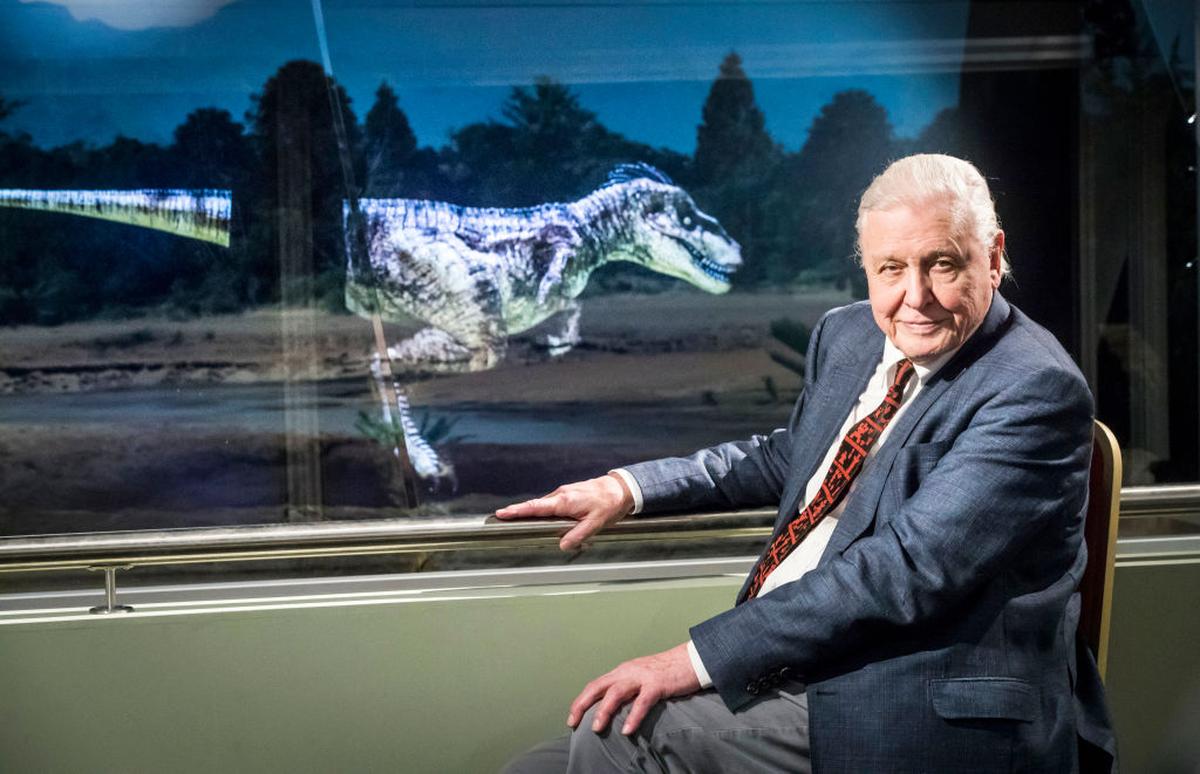
David Attenborough at the opening of Yorkshire's Jurassic World at Yorkshire Museum, York. | Photo Credit: Getty Images
A little-known “fun” fact about him is that he’s absolutely petrified of rats. A man who has handled poisonous spiders, snakes and dangerous predators simply cannot deal with rats. He told me that during a shoot in Rajasthan, a visit to the famous rat temple in Bikaner freaked him out — even challenging his belief that all animals deserve to be loved.
As he turns 100, he has just finished narrating and presenting a film on gorillas and remains busy with other projects. His core message now is one the world would do well to heed: “If working apart, we are a force powerful enough to destabilise our planet, surely working together we are powerful enough to save it.”
For a man who has lived to see more than a thousand full moons, we can only hope he sees a thousand more — in a world that needs his voice more than ever.
The writer is a nature storyteller and filmmaker for the Sea Change Project and the author of ‘Born Wild’ (2017).