




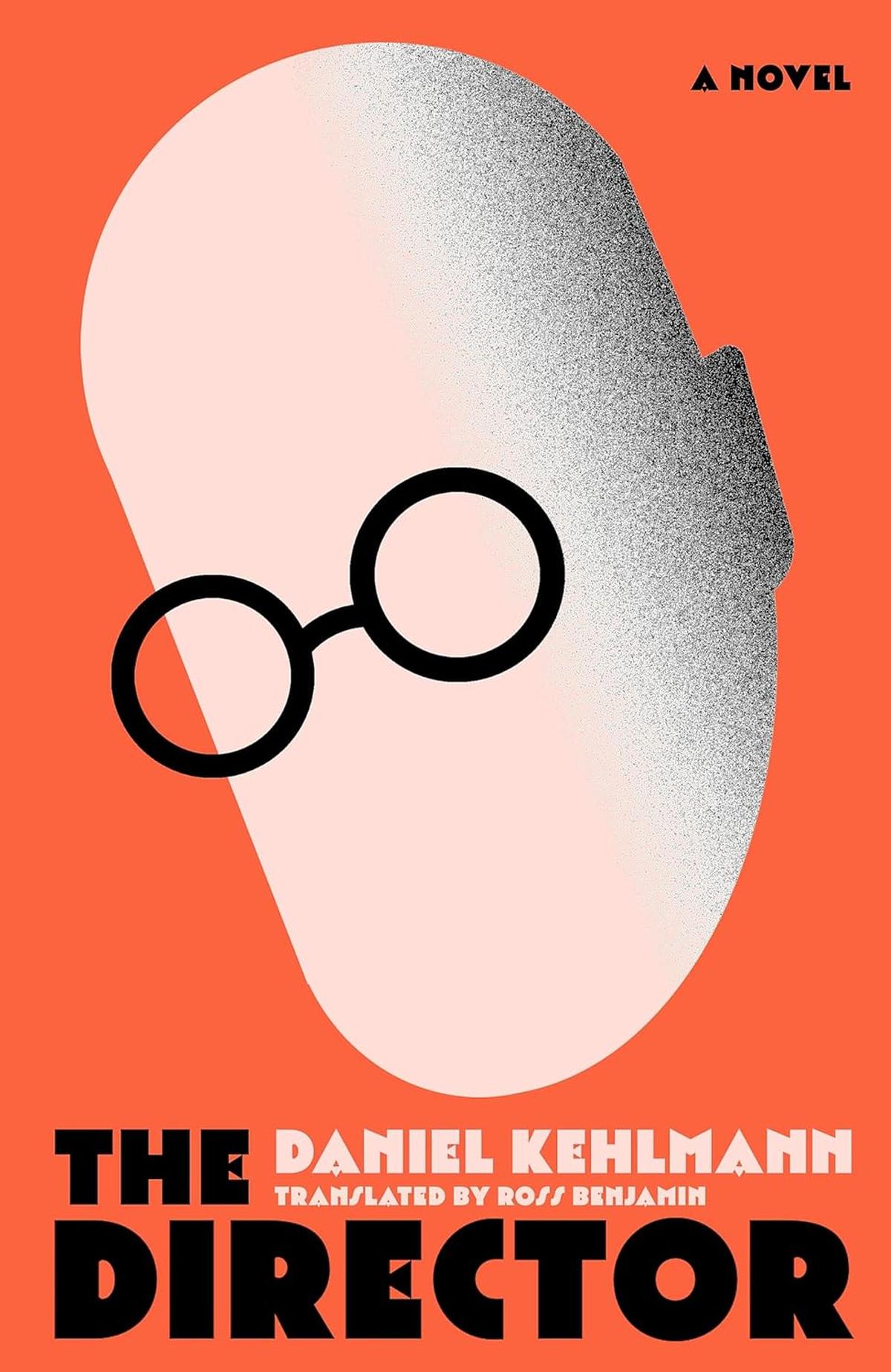
Previously nominated for the International Booker Prize in 2020 for his translation of Tyll by German writer Daniel Kehlmann, Ross Benjamin returns to this year’s shortlist with Kehlmann’s The Director (published by riverrun). The novel fictionalises the life of G.W. Pabst, the pioneering German filmmaker who not only broke new ground in the art of film editing but also discovered actors Greta Garbo and Louise Brooks.
Under the Third Reich, Pabst compromised his art in order to survive and make films for the Nazi establishment. While Kehlmann’s German prose captures Pabst’s life frame by frame on the page, Benjamin renders it in English with equal cinematic force. In this conversation, he discusses the novel’s recurring themes and reflects on the pleasures of translating Kehlmann’s work. Edited excerpts:
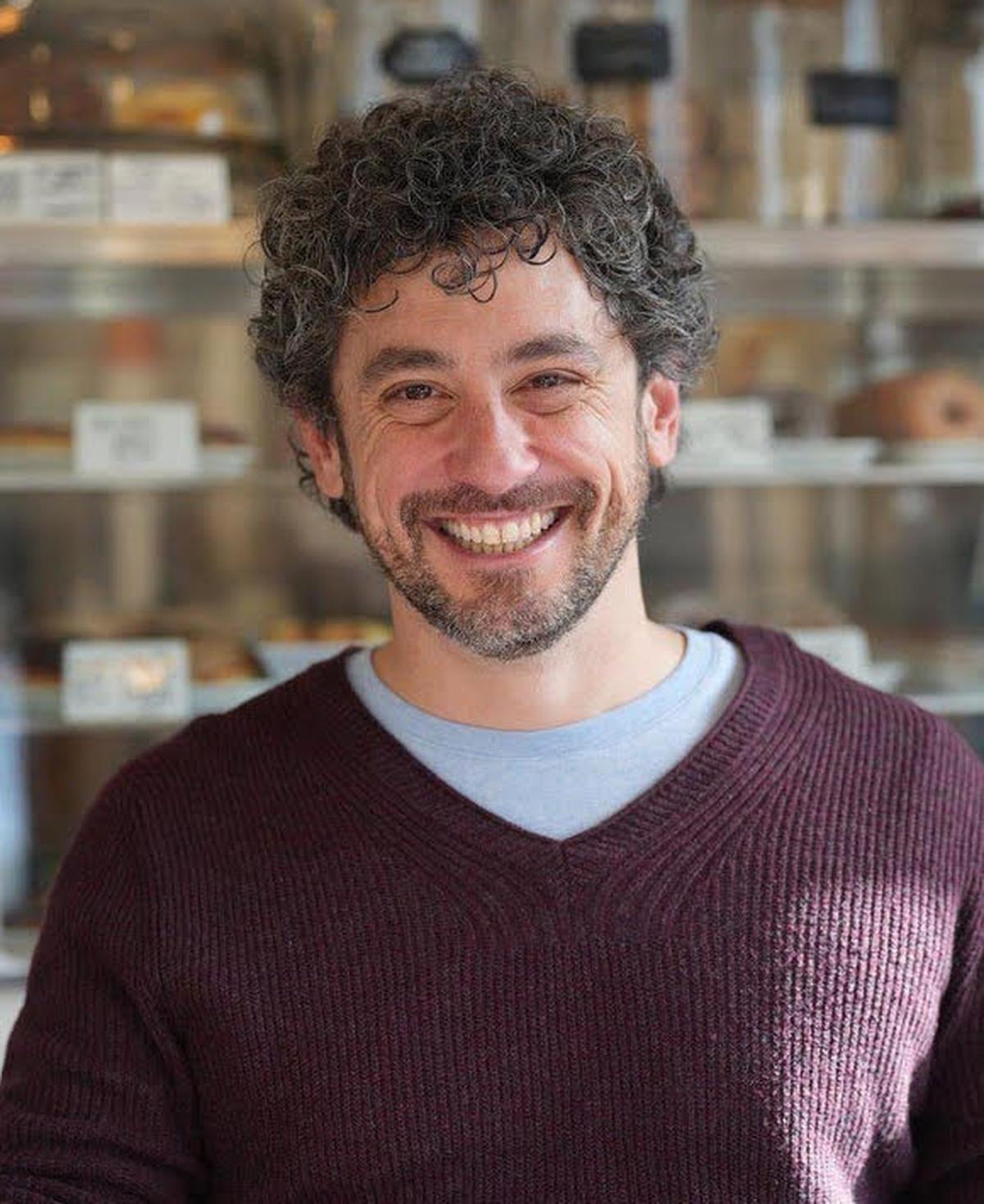
Ross Benjamin

 What drew you to translating Daniel Kehlmann’s novel?
 The book appeared in German before the 2024 presidential election in the U.S. The kinds of cultural dynamics that now make its parallels with American life so striking were already present, but they had not yet taken on the same force for me while I was translating it. That changed by the time I finished.
What drew me in from the start was also Kehlmann’s humour, wit, and intelligence and his extraordinary feel for history in all its specificity. One of his gifts is making the past seem uncannily immediate. At the time, though, I still had enough distance from the material to register those qualities primarily as artistic ones. Later, that distance collapsed. The novel’s echoes in Trump’s America became harder to miss, especially in the spectacle of cultural figures behaving as though they lacked freedoms they, in fact, still possessed, whereas in Pabst’s world, things had already grown much darker by the time he began accommodating himself to the regime.
How did you transpose the ‘shots’, as Kehlmann reflects on writing this book, from German to English?
As a translator, I was very aware of the novel’s cinematic techniques. Readers might notice scenes that seem to unfold as if through a moving camera, or that evoke the atmosphere of early German cinema. In one chapter especially, Pabst experiences his own life as if he were editing it while living through it. Given his importance as a filmmaker and innovator of editing technique, that conceit was central to the story. So, part of the task was to preserve those elements in English: the pacing, cuts, perspectival shifts, the play of intimacy and dissociation. Translation does sometimes make me think of film adaptation. The analogy holds only to a point, but both require you to remake something formally.

In both Tyll and The Director, the titular characters’ myths introduce us to them. What are your views on this technique?
I hadn’t actually noticed that parallel. But yes, in both novels, Kehlmann initially presents the central figure through other people’s accounts and impressions. It’s certainly effective. I can’t say how deliberate it was on his part, since I wasn’t conscious of it myself until now. It may sound odd, but a translator is sometimes more explicitly aware of what an author is doing than the author is. The author may arrive there by intuition, whereas the translator has to ask, sentence by sentence, what kind of effect is being created and how. In any case, it’s an old and powerful narrative device. Plenty of stories begin by surrounding a figure with hearsay, legend, or reported experience before bringing that person onstage. It may be as old as storytelling itself.
Pabst’s difficulty with the English language materialises differently, and is often tragicomic. Say, using ‘floor’ to mean ‘tier’.
Those are exactly the places where the challenge and pleasure of translation lie. If ‘Brot’ is just ‘bread’, there’s next to nothing the translator has to do. But when a novel is staging linguistic awkwardness, misunderstanding or comedy, you can’t just proceed word by word. The ‘second floor’ for ‘second tier’ moment had to be reinvented, because Kehlmann is misusing a different expression in German to achieve the same effect. There are several scenes like that in the book, where Germans are portrayed as speaking English and the humour depends on the friction between the two languages. That’s when fidelity becomes most interesting, when it might mean doing something quite new in English to recreate as precisely and compellingly as possible what the original is doing.The interviewer is a Delhi-based queer writer and culture critic.
The interviewer is a Delhi-based queer writer and culture critic.