









Beyond the glitter and thump of Pride Month celebrations in June, a quieter shift is underway — one that privileges community over spectacle, and continuity over occasion. Across India, queer collectives are carving out spaces that extend well beyond mixers and parties. From screenwriting labs and running groups to performance venues and drop-in studios, these initiatives are shaping a more grounded, durable form of solidarity.
Get ready for Chennai’s Rainbow Pride March on June 28
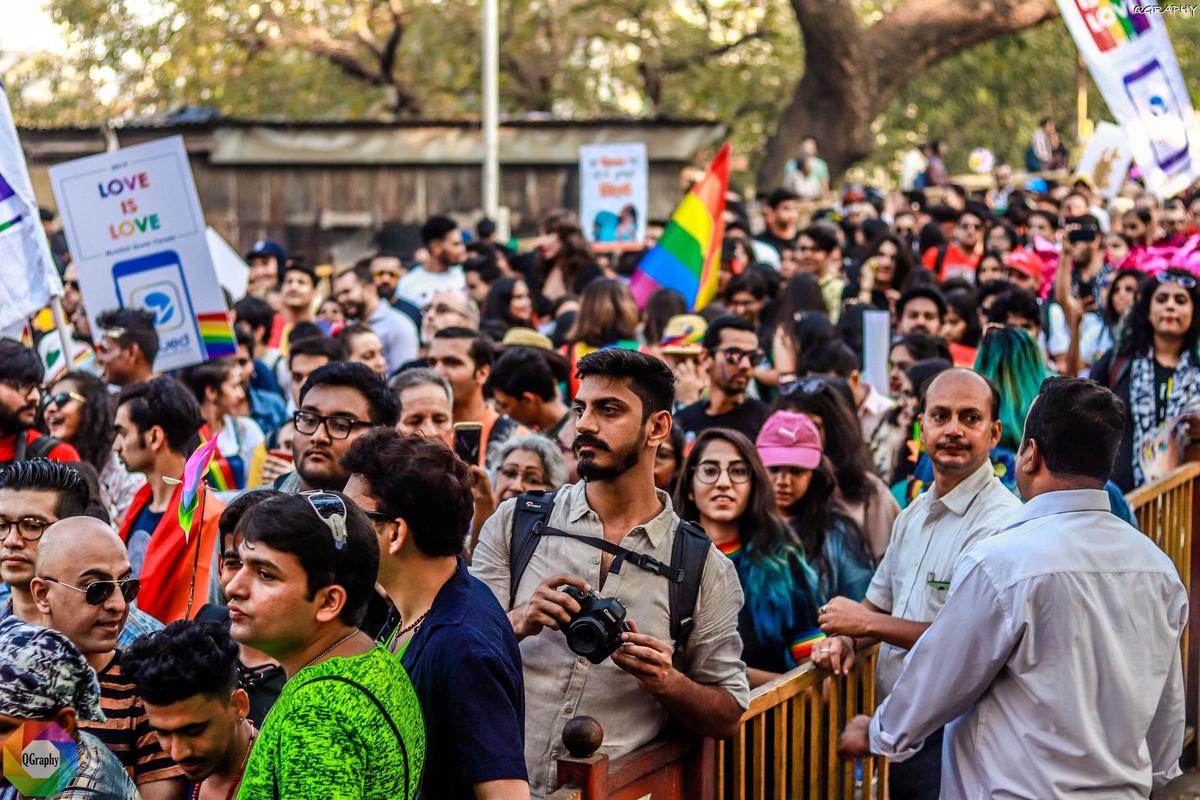
Queer spaces are few and far between | Photo Credit: Special Arrangement
What binds them is not only the promise of visibility but the deeper work of nurturing queer voices — through skill-building, peer-led workshops, or simply the chance to gather without expectation. These are not one-off events; they are sustained invitations to belong.
In Mumbai, that ethos is most evident in the quiet energy of Gaysi Family’s new studio space in Khar. “One basic need I’ve understood even today is that people just want to meet more queer people,” says Sakshi Juneja, co-founder of the longstanding media and community platform, which was founded in 2008. “Whether for friendship or intimacy, that’s the driving force.”
Since opening 13 months ago, the studio has become one of the city’s few open-to-all queer drop-in zones — no entry fee, no dress code of cool. The programming is gentle and regular: film screenings, acting workshops, and short film showcases. “Especially for younger lesbian, bisexual, trans, and non-binary folks, where money is tighter, it was important we create a space without that economic barrier,” says Sakshi. Anyone can propose a workshop or event, and the 35–40 seat studio offers itself up, no fanfare needed. “We announce something every few Saturdays —screenings, art evenings, open mics — and it keeps us connected to the next generation of queers.”
Launched in 2023 by The Queer Muslim Project with support from the Netflix Fund for Creative Equity, QueerFrames is one of the few dedicated creative incubators for queer storytellers across South Asia. The lab emerged from a 2022 convening in Nepal — co-hosted with the Goethe-Institut — that interrogated narrative access and artiste support in the region.
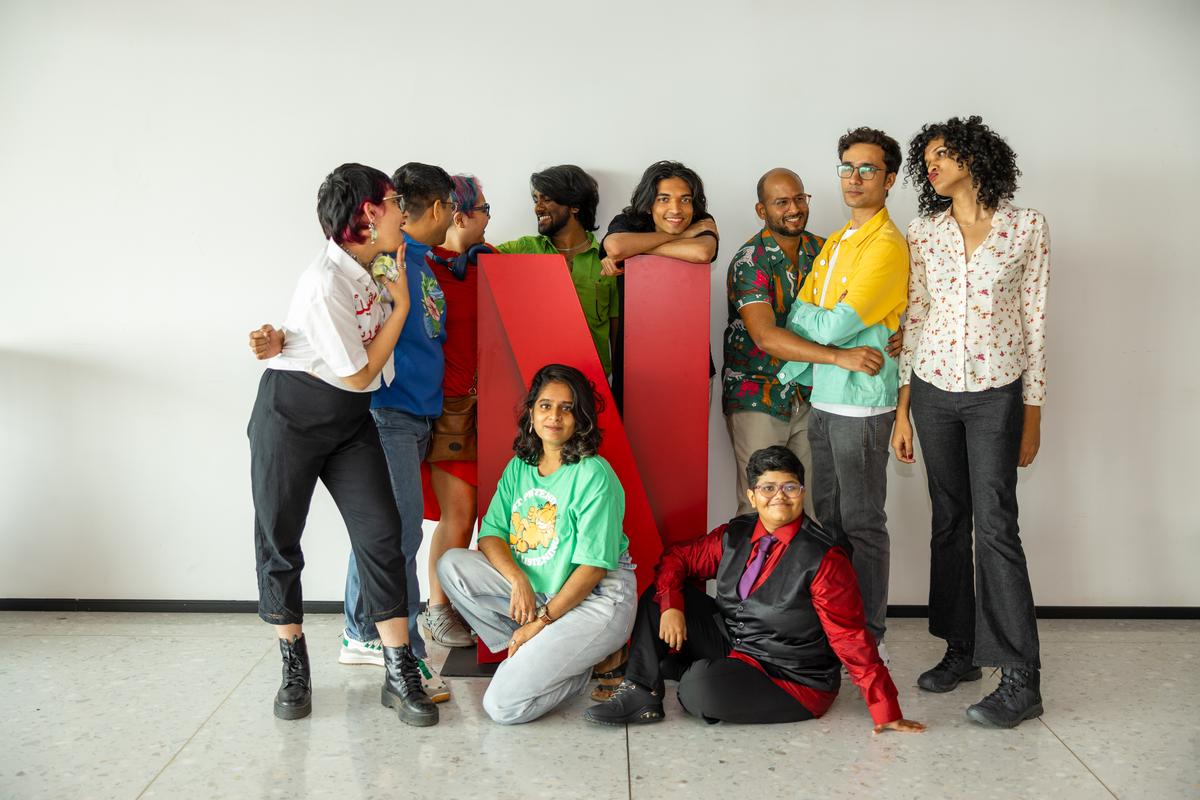
The QueerFrames cohort | Photo Credit: Special Arrangement
“We’re not just training writers, we’re building a long-term pipeline for queer storytelling,” says Rafiul Alom Rahman, founder of the project. “The idea is to create structural change so that queer artistes aren’t only visible during Pride Month, but have sustained access to resources, networks, and industry platforms.”
The first cohort, focussed on short films, brought together 10 writer-directors from India for a residency in Mumbai. Since then, at least three projects have entered production; one received the Kashish Q Drishti grant. In 2024, the lab expanded to fiction features, closing with a five-day immersion at Berlin’s European Film Market.
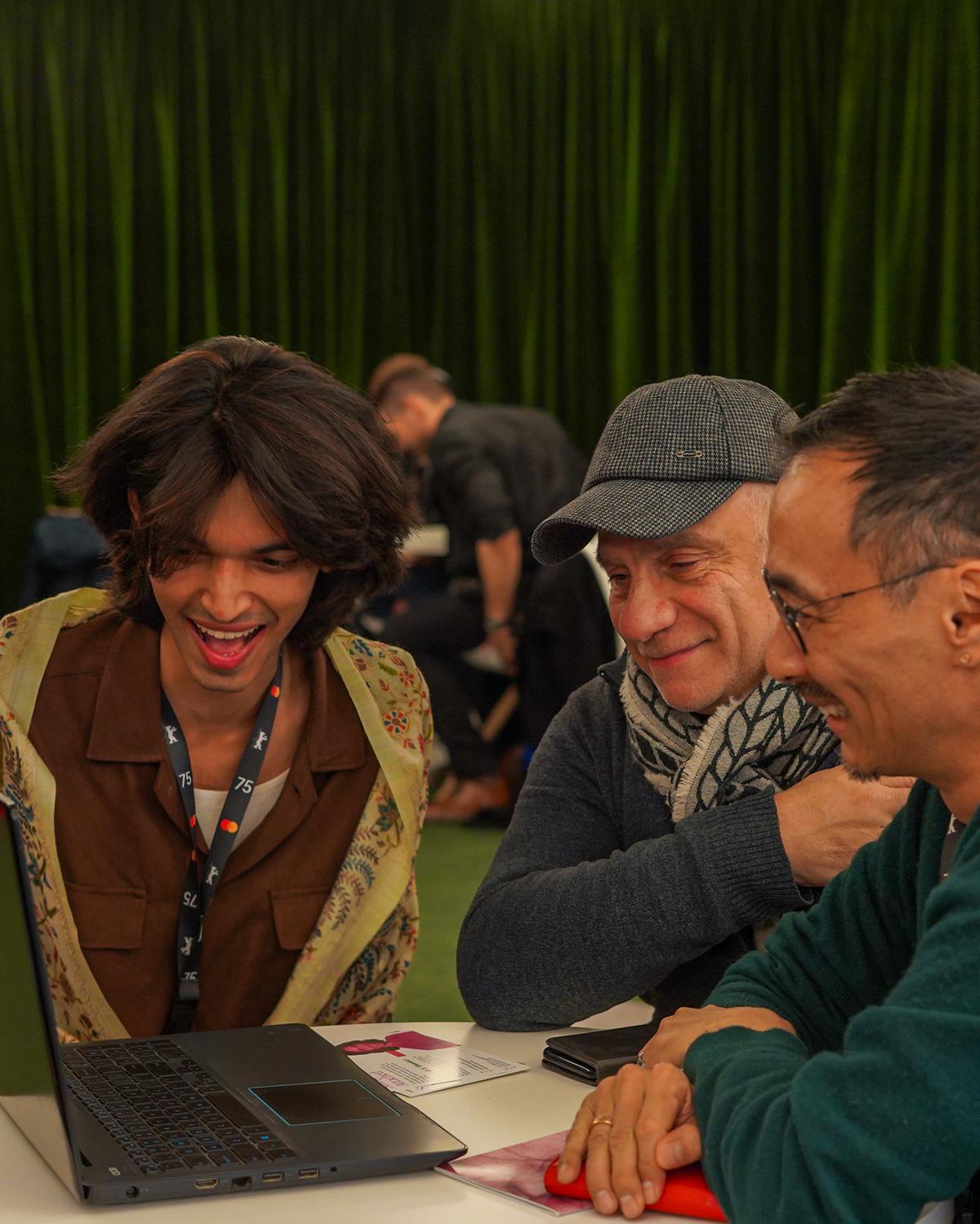
The QueerFrames residency in session | Photo Credit: Special Arrangement
Now in its third year, QueerFrames welcomes eight new participants from India, Bangladesh and Sri Lanka (with applications open till July at queerframes.com), in a hybrid programme that centres script development and regional solidarity. Recent recognition for alumni Zena Sagar and Ashutosh Shankar’s Tara — selected for Frameline, San Francisco’s LGBTQ+ film festival — suggests that this slower, behind-the-scenes work is starting to shift the landscape.
Outside the urban grid, other initiatives are focussing less on production and more on presence. In McLeodganj, Albela House has evolved into a sanctuary in the hills — run by Dehradun native Akash Aggarwal and his partner Manish Thapa, now based in Bengaluru.
The boutique stay does not operate as an explicitly queer venue, but its politics is clear. “It’s about creating access for queer people to take up space, to see themselves reflected in art, and to feel held,” says Manish. Since its inception, Albela has hosted intimate film screenings (Sheer Qorma by Faraz Arif Ansari), theatre readings, and drag performances.
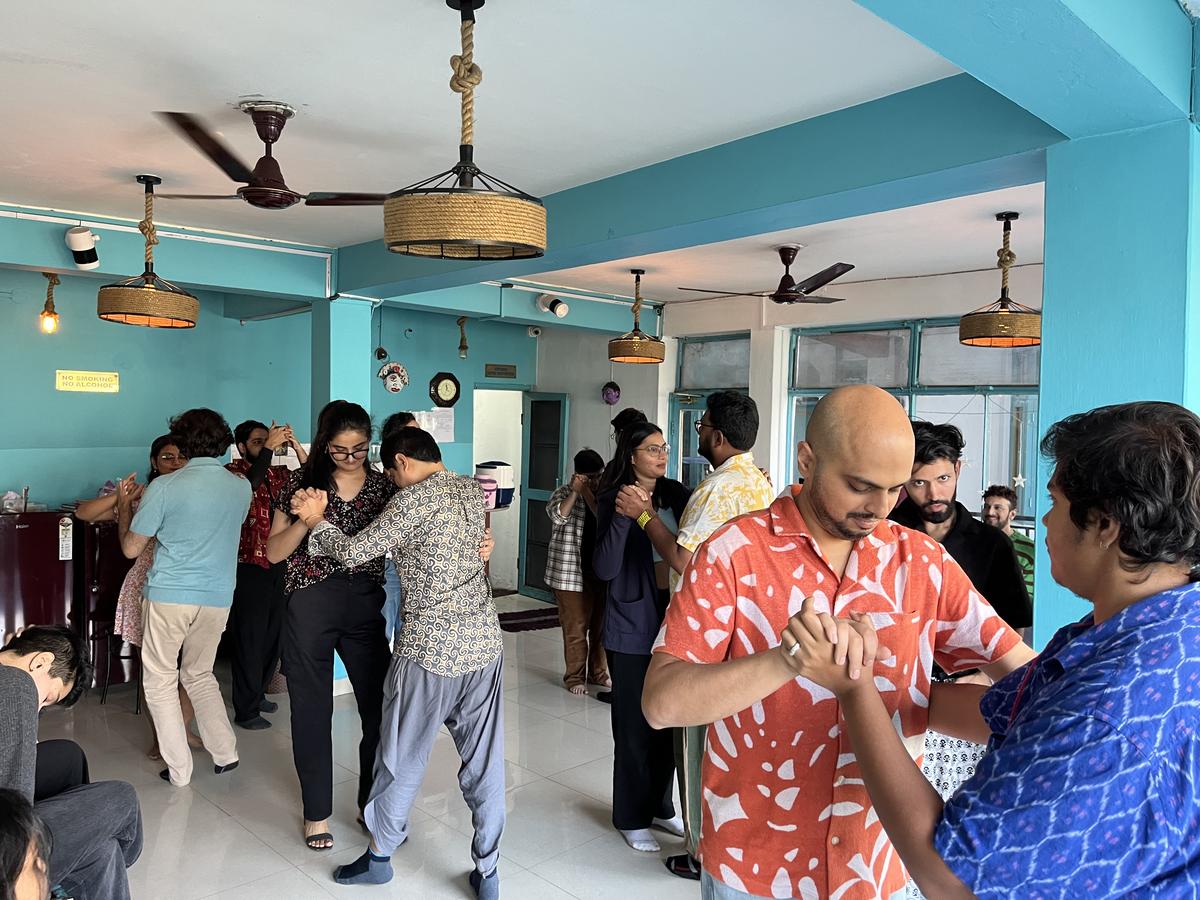
A dance class underway at Albela | Photo Credit: Special Arrangement
In 2023, the couple launched the Rainbow Mountain Festival — a three-day retreat of workshops in mental health, storytelling, movement and performance. Its second edition in April 2024 expanded to 18 sessions, all queer-led, with full-board meals and local transport included.
Next, they are developing Casa Albela in Bengaluru: a space designed from the ground up to be structurally queer-affirming. “One of the biggest issues queer organisers face is finding safe, affirming venues in cities,” says Manish. “We wanted to build something that doesn’t just tolerate queerness, but centres it.”
This idea that queer culture thrives not just through protest but in steady, unshowy participation is echoed in Kolkata, where third-generation restaurateur Anand Puri has turned Tavern Behind Trincas (TBT) into a quietly significant venue.
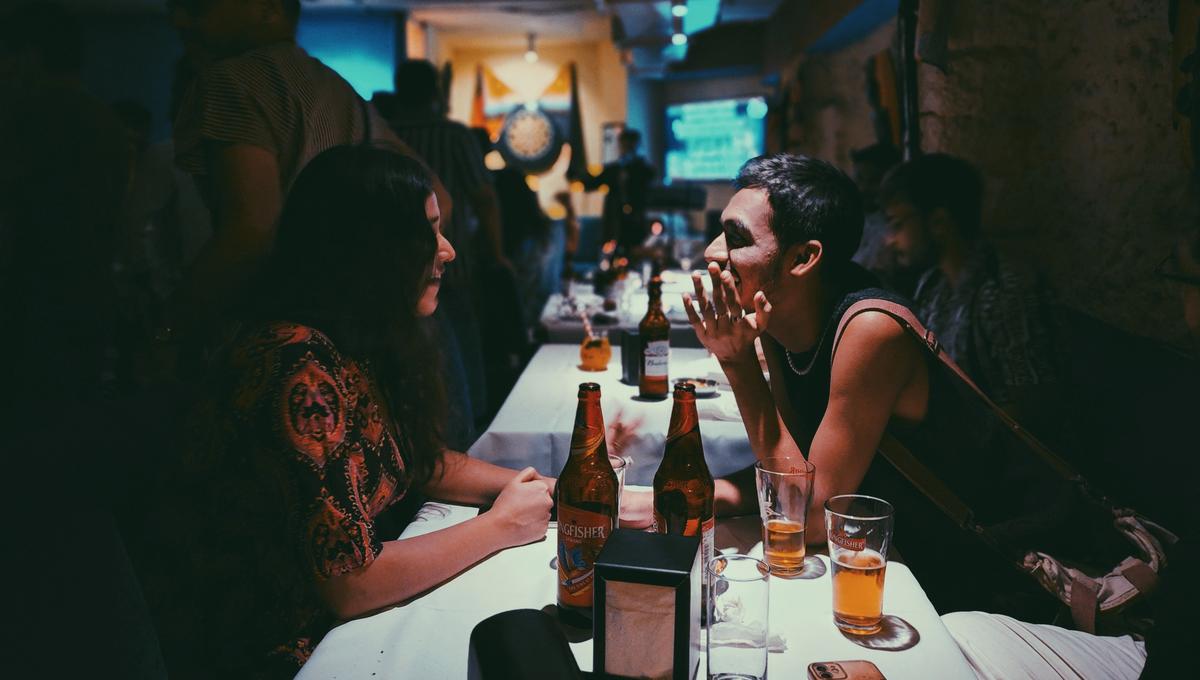
Tavern Behind Trincas | Photo Credit: Special Arrangement
Located behind the iconic Trincas restobar on Park Street, TBT did not begin as a queer project. But through programming shaped in collaboration with kolkatapride.org, it has become one of the city’s consistent queer-affirmative stages. In 2023, Karaoke Thursdays evolved into a weekly ritual.
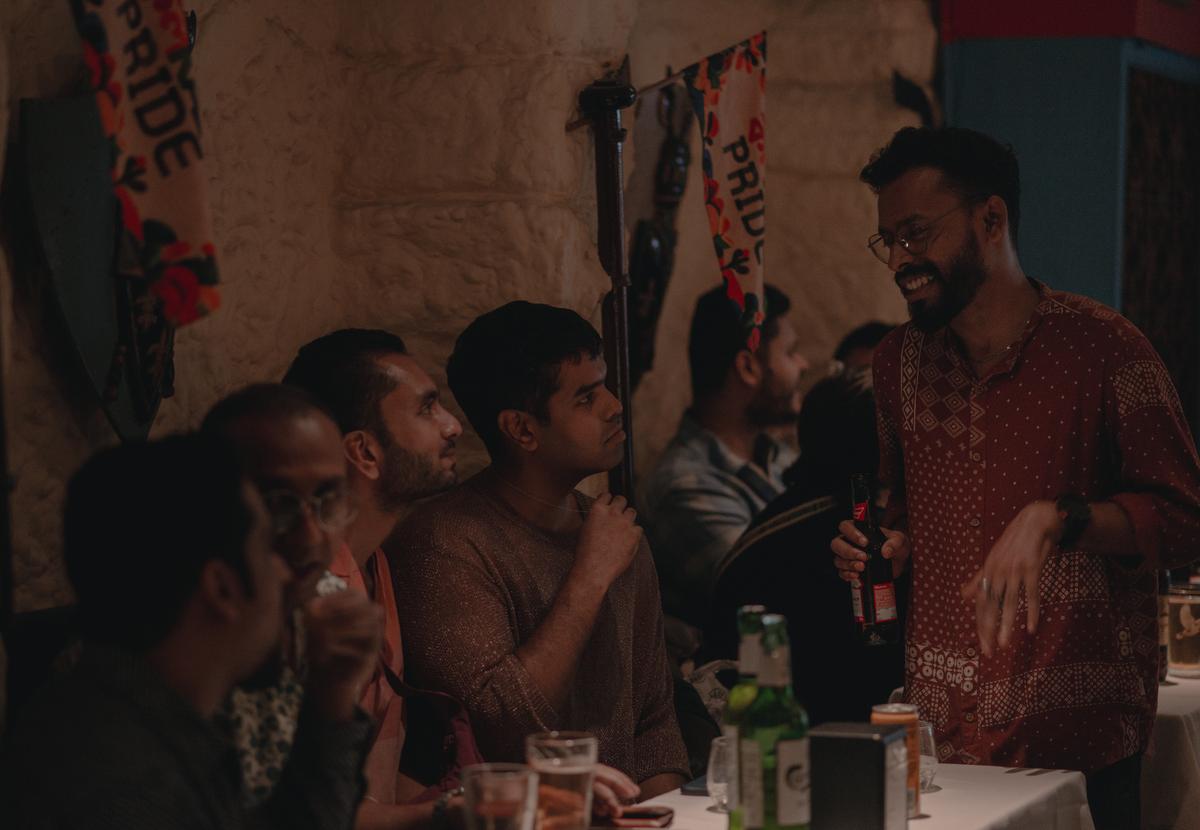
Tavern Behind Trincas in Kolkata is a queer affirmative space | Photo Credit: Special Arrangement
Inspired by the space’s embrace of subculture, TBT has also started spotlighting regional Bengali music and the city’s emerging hip-hop community. “Give respect, get respect. That’s the universal law here,” says Anand, whose year-round Pride flag is more visible than the restaurant’s own name.
Elsewhere, the work of cultural restoration takes on a more literal form. In Mumbai, Vikram Phukan’s promenade-style production Postcards from Colaba (started in 2022), which is usually performed from October to March, guides audiences through the city’s historic lanes, weaving in stories of queer desire, displacement, and coded visibility. Adapted to Goa in 2023, the project became more than a play; it evolved into a storytelling format — part theatre, part walking tour, part quiet insistence that queer histories belong in public space.
Similar ideas animate the Delhi Queer Heritage Walk, a collective that has been organising guided walks since 2018. These are not just tours — they are exercises in reclaiming cities. From the intimate relationships in Mughal courts to the legal erasure under British rule, these walks surface what has been forgotten or deliberately concealed. They are small, public acts of resistance.
And in Bengaluru, resistance looks like lacing up your shoes. Founded in 2021, Bangalore Front Runners (BFR) is India’s first chapter of the global Front Runners network, a queer running collective active in cities around the world. What started with a dozen runners has grown into a Sunday morning ritual.
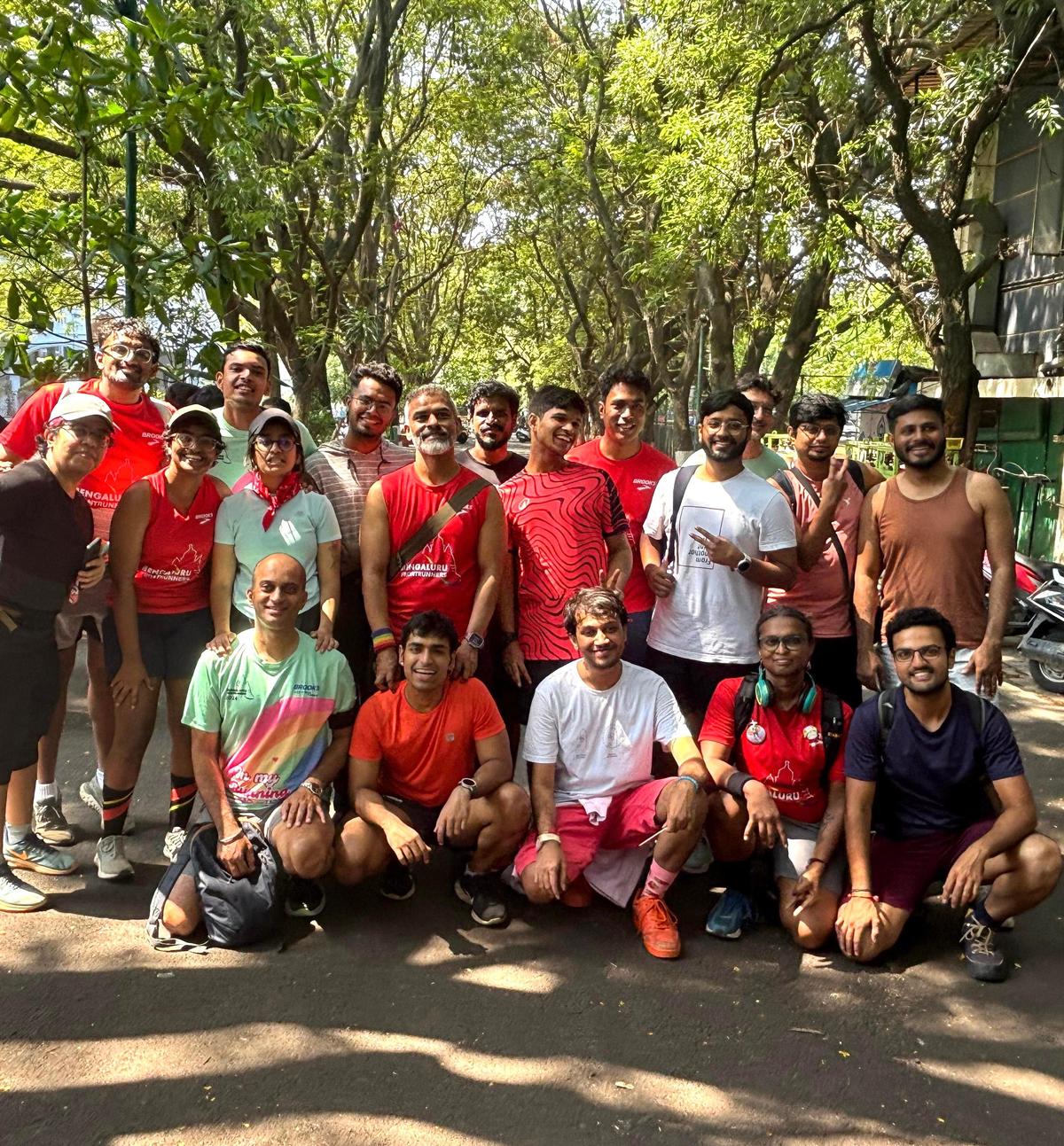
Members of Bangalore Front Runners | Photo Credit: Special Arrangement
Every Sunday, over 50 queer and allied runners meet at Cubbon Park. Seasoned runners complete 10–12K routes; newcomers join a 5K initiative. Post-run breakfasts are just as integral — part cool-down, part community care. “We wanted something that went beyond the clubbing scene,” says founder Gourav Tarafdar. “There was a real need for accessible, open queer sports spaces.”
These initiatives are not easily pinned to a season. What they offer is a future where queer life is less about marking presence on a calendar, and more about cultivating belonging in everyday time.
此内容由惯性聚合(RSS阅读器)自动聚合整理,仅供阅读参考。 原文来自 — 版权归原作者所有。