









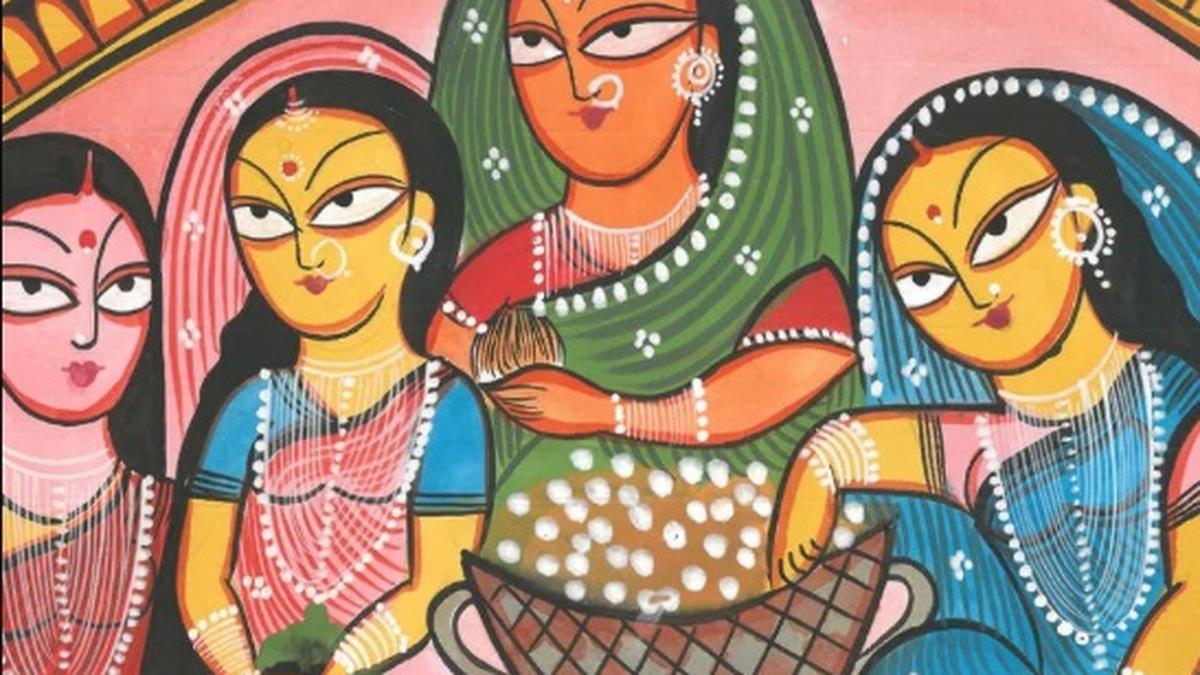
Bengali mishti, or sweets, are innately tied to the region’s cultural identity, celebration, and daily life. A new book, Sweet Excess: Crafting Mishti in Bengal by Ishita Dey, examines the industry and its history through the lens of caste, religion, science, and law. “This geography that has witnessed famine and food movements, yet has never lost its passion for mishti,” she says. The book was written after her travels and research in West Bengal and Bangladesh. Ahead of her talk at Bengaluru’s Champaca Bookstore on May 30, we catch up with her for an interview.
Ishita is an assistant professor at South Asian University in New Delhi, and the scope of her research and interests include food, labour and senses. Hailing from Bengal, she grew up in different cities in the State before living in Kolkata, and remembers how sweets were an important part of family life. “I grew up in Bandel Thermal Power Township in Triveni in Hooghly District till I turned 15. One of my favourite sweets was piping hot rosogolla from a local sweetshop in Tribeni. It has a melt-in-the-mouth effect. Our ancestral house is in Kolkata and during our weekly visits, we would stopover at Putiram, Bhimmnag, and Deshbondhu (well-known sweetshops) and pick up signature mishti on our way home.”
Published - May 29, 2026 09:11 am IST