






I was one of the few single women, amidst a handful of couples, attending the post-wedding dinner party of my best friend. In front of me were three married men, in their 30s, talking about salmon sperm facials showing up on their Instagram feeds. Soon, we were discussing skincare routines, brands the men loved and the overpriced serums they now cannot live without. At some point, one of them started gushing about the viral Fino hair mask his wife used, and how it is now part of his Sunday shower routine. If you had told me in 2020 that this would be our reality someday, I would have choked on my dalgona coffee.

Mumbai-based dermatologist Dr Jaishree Sharad | Photo Credit: Special arrangement
You have probably heard women expressing annoyance about how their male partners are dipping into their skincare stash. It is not uncommon for men to care about their appearances. “The moment men are in a relationship, they either get influenced or are coaxed or advised to take skincare more seriously by their partners. Men often come for their first appointment with their female partners,” confirms Mumbai-based dermatologist Dr Jaishree Sharad. The hetero man in your life may have last updated his social media profile in 2017, but that does not stop partners from sharing a post or two every once in a while. She adds, “Frequent photo-sharing on social media has made men more aware of how they look. They’re noticing things they never bothered about before, like pigmentation, hair thinning and acne scars. And what do they spot on the bathroom counter? Their partner’s products. That’s often the gateway into becoming curious about proper skincare.”
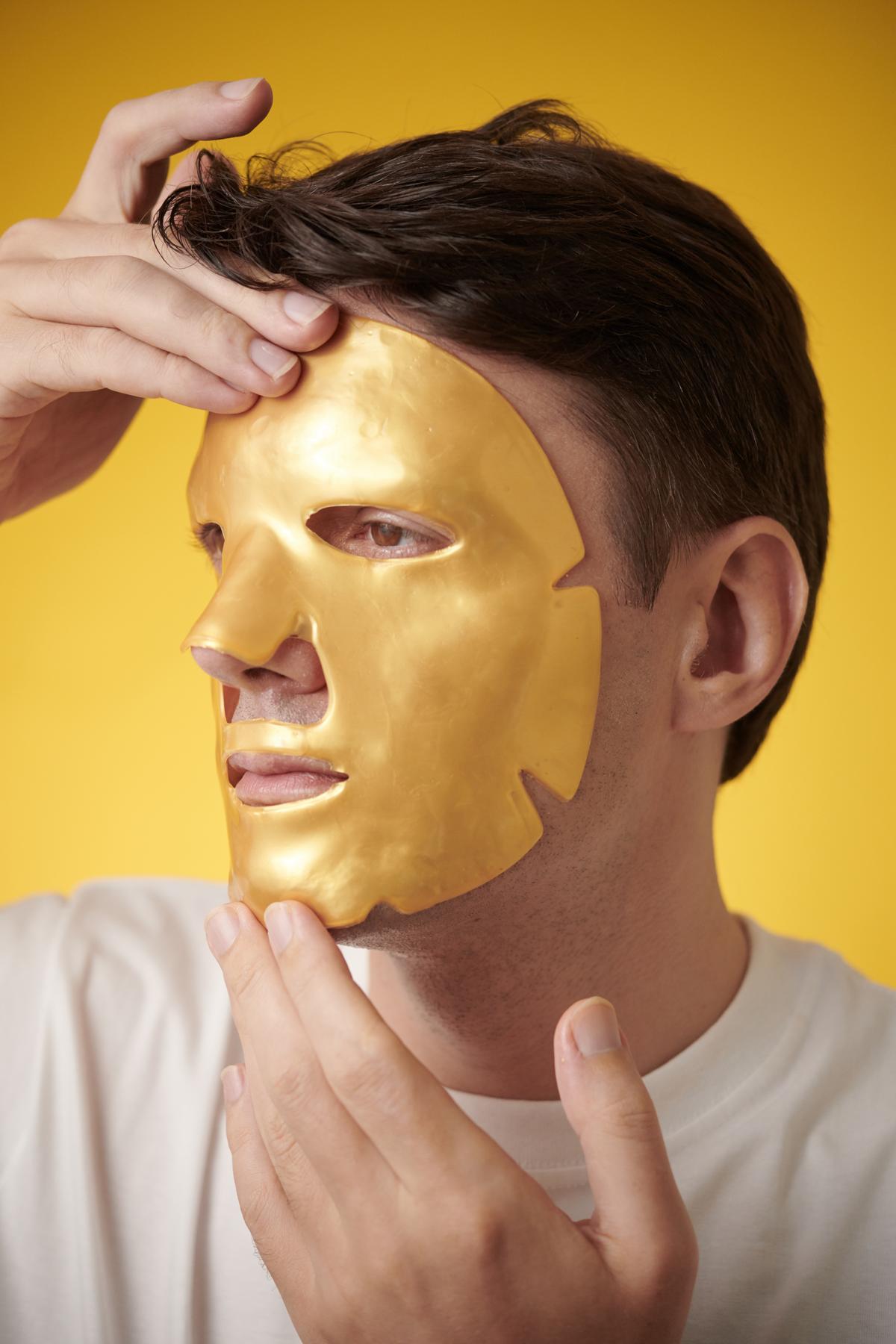
Mature man applying hydrogel face mask to soothe skin after treatment | Photo Credit: DragonImages
According to a study on ‘Utilization of dermatological care by men in the United States’ by the Journal of the American Academy of Dermatology, the reason why men seek medical attention for their skin less compared to women, may stem from perceived gender roles or social norms. Aman Mohunta, co-founder of Aminu, an Indian skincare brand that is gender agnostic, agrees. “When it comes to self-care, women typically spend more time on it, so men would rely on their female partners or sisters to guide them. Our orders are still from 90% women but we also know, through consultation calls we offer, that it’s usually women buying for the men in their lives. They will often have their husbands or boyfriends on calls as well, when asking for recommendations.”

Shraddha Inder Mehta’s husband Samir | Photo Credit: Special arrangement
Celebrity make-up artist Shraddha Inder Mehta’s husband’s skincare routine only fell into place after marriage. Despite being in a relationship for a couple of years, “he didn’t even know what SPF was,” she says. “After watching me do my routine, he was intrigued. So I introduced him to a basic cleanse-moisturise-sunscreen routine, and took him to a dermatologist for his acne and marks. One year on, he’s become so religious about skincare and often asks me about products he discovers online.”

Wealth manager Hans Punjabi | Photo Credit: Special arrangement
For wealth manager Hans Punjabi, it was his close female friend who first got him to try skincare a few years ago. “After seeing visible benefits, I started doing my own research and understood what works for me. My skin is sensitive so I love simple, light formulas that absorb quickly, something I understood with trial and error.”

Gold Coast-based marketing consultant Tushna Mehta | Photo Credit: Special arrangement
In Gold Coast-based marketing consultant Tushna Mehta’s case, she and her brother owe their skincare routine to his ex-girlfriend. “She had great skin and my brother and I had acne and a similar skin type. The beauty aisles can be so overwhelming so it was great when she got him onto a basic routine. She helped break the stereotype that skincare is complicated or only meant for women. I used his products and found that they worked for me too.”
Beyond gender roles
Sanszkar Sharma, a project consultant at EY, got married at the beginning of 2025, and his routine has already elevated from only moisturising post his night shower to targeted treatments. “Now, post my morning shower, I apply a serum, face cream and sunscreen. I have tried brands like Beauty of Joseon and Bioré, courtesy of my wife. .” His next order of business: Finding a sunscreen that doesn’t make him break out.

Buzzwords like ‘skin longevity’ replacing the traditional ‘anti-ageing’ can be credited for making looking after oneself more acceptable, as opposed to just vanity | Photo Credit: Getty Images/iStock
In the case of Aayushman Sinha, founder and CEO of a Mumbai-based artist management agency, the idea of a skincare routine was non-existent before he got married at 29. “Earlier, my skincare routine was limited to bathing with a body wash. Post marriage, I now have different body washes with different percentages of salicylic acid for different body parts, I use a face wash twice a day, include moisturising in the day and opt for a salon face clean-up with a mask or exfoliation once a month. Other than this, I’ve seen that steam and sauna sessions are great for recovery not just for my body but also my skin, I try to get in two of those a week.” While his wife was the one who helped educate him about the right skincare products and application — he used her products for an entire year — he’s now found his favourites.
Aayushman Sinha, founder and CEO of a Mumbai-based artist management agency | Photo Credit: Special arrangement
Buzzwords like ‘skin longevity’ replacing the traditional ‘anti-ageing’ can be credited for making looking after oneself more acceptable, as opposed to just vanity. In a recent editorial, Charlotte Palermino, the co-founder of the skin care brand Dieux, summed it up perfectly. “Skin longevity must be a capitalist dream, because it makes beauty palatable to women and inspirational to men.” Pulasta Dhar, a Goa-based, 36-year-old sports commentator, has a nine-year age gap with his wife who is a beauty writer and content creator — reason enough for him to want to look after himself. “ While I started using skincare at 31, the biggest change after our wedding last year has been the quality and abundance of products, and the knowledge about what to do when. It’s also about wanting to look great next to my wife. Watching her do something every day is an automatic motivator when you live together,” he says.

Pulasta Dhar, a Goa-based, 36-year-old sports commentator | Photo Credit: Special arrangement
Couple goals

Turns out a collective skincare routine is also a mindful moment for couples to come together at the end of the day | Photo Credit: Getty Images/iStock
Turns out a collective skincare routine is also a mindful moment for couples to come together at the end of the day. Rutvij Zode, founder of men’s accessories brand Zach looks forward to his routine with his wife every night. “Swapping from lenses to glasses, cleansing, using a night serum to treat current concerns and a moisturiser; it’s our mini ritual. If she’s trying a brightening serum this month then I’ll potentially try that next. I get very excited by fun packaging and it’s interesting to know how certain products can fix skin concerns. I remember seeing retinol trending on Instagram and then I found it on my wife’s shelf.”
Market plan
Women may be the catalysts to drive intrigue, but they are passing the baton to male skincare influencers and beauty brands. According to Mintel Senior Analyst Carson Kitzmiller, “Over two thirds of Gen-Z and millennial male personal care users say social media has influenced them to prioritise grooming.” She anticipates that social media and influencer influence will continue to shape the male skincare market, with a focus on authenticity and relatability, along with transparency and efficacy claims. “I find skincare content to be more relevant when it comes to me from a male influencer,” agrees Rutvij. “It feels relatable, even more than a dermatologist. I’ve noticed that I watch a lot more ads of skincare products where guys are talking and actually showing you testimonials via videos. Even if the content has been doctored, it still drives intrigue to see what the product is and if it will actually work. In the journey to find out if it’s real, you actually end up going deeper into the product and maybe even ordering it.”
With men taking active interest in skincare and ingredients, brands taking the traditional marketing route to sell to them may need to rejig their plans | Photo Credit: Getty Images/iStock
With men taking active interest in skincare and ingredients, brands taking the traditional marketing route to sell to them may need to rejig their plans. A product with typically manly visuals or names may not cut it in the near future. According to global market research agency Euromonitor, “Today’s male audience craves authenticity and rejects obvious marketing ploys, encouraging celebrities to push boundaries and create purposeful products.”
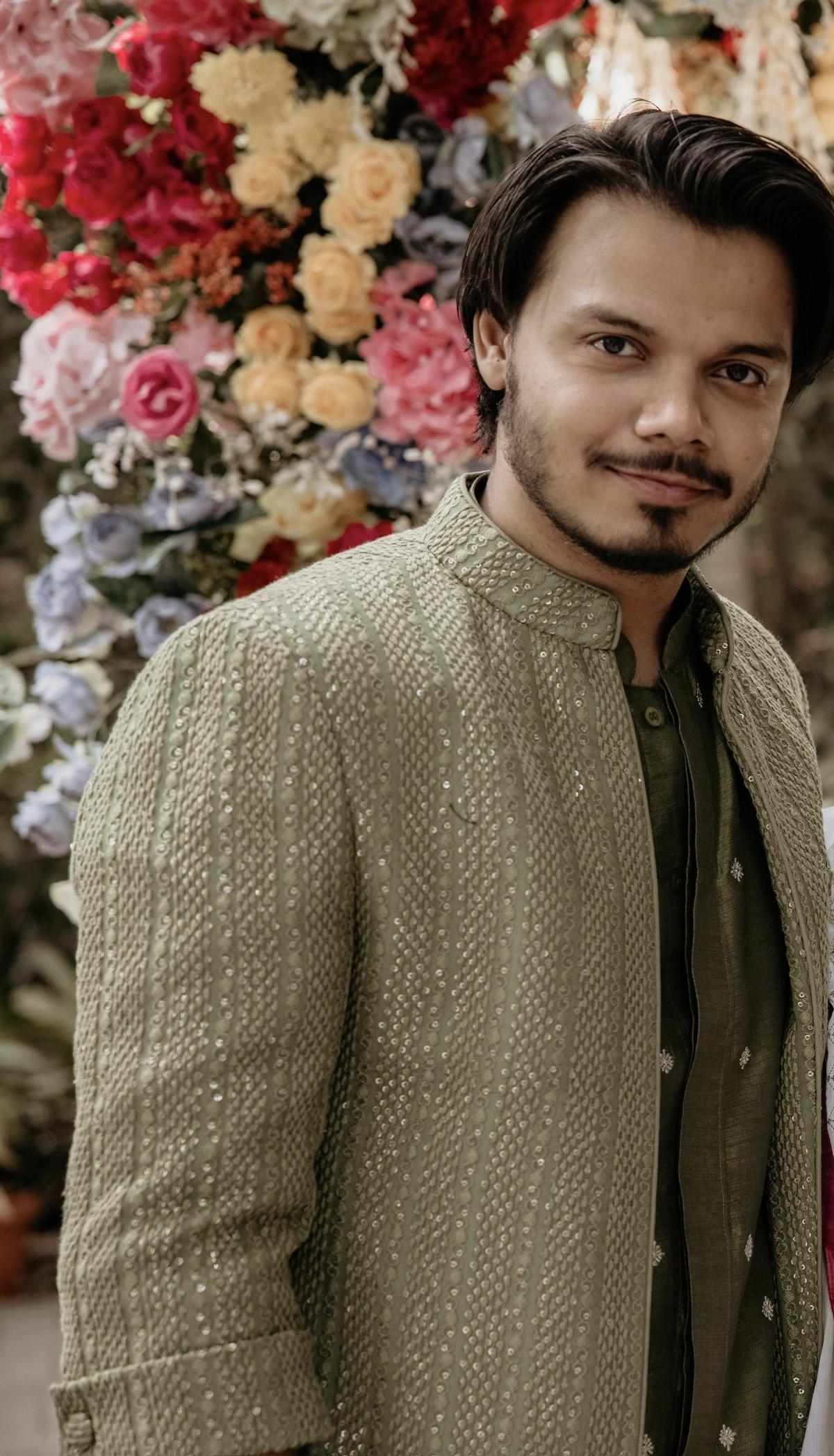
Rutvij Zode | Photo Credit: Special arrangement
Their survey found ‘dermatologist tested’ and ‘skin type specific’ to be the most desired factors by men when making skincare choices, with celebrity endorsements being the least. “While I trust male content more, I don’t need a product to say ‘for men’, especially in a generic category like sunscreen or cleansers, for me to believe it will work for me,” adds Rutvij. “Today, I like brands like Minimalist because they appear credible and science backed to me, almost medical. They focus more on talking about the product instead of finding gimmicky ways to market it or having a celebrity’s face plastered.”
A shared shelf
Sanszkar Sharma | Photo Credit: Special arrangement
TL;DR potentially. “Like working out, I look at skincare from a long term lens, as I am not getting any younger, plus our environment is only getting harsher,” says 31-year-old Sanszkar. “If I want healthy looking skin even when I’m older, I need to take the right steps now. The potential upside of it excites me, as I have a clear vision. I do not want my face to look like the archetype image of a 60-year-old when I was growing up.” We love this journey for men.