


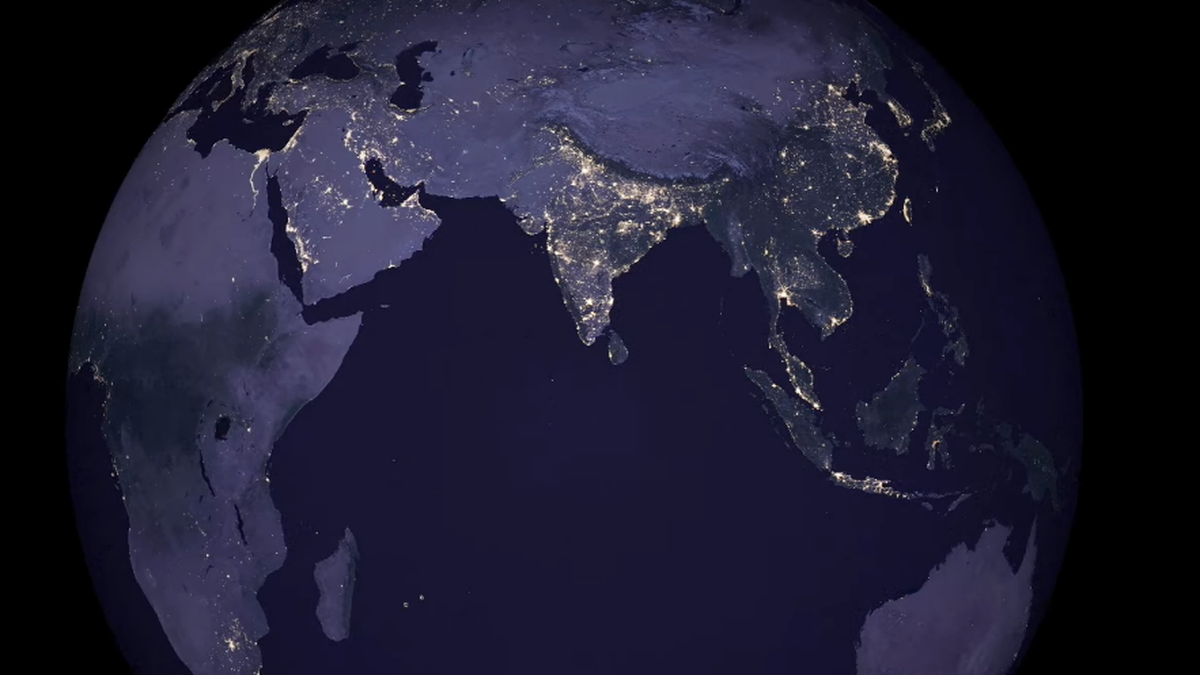
Night time lights are not just getting brighter
New data challenge the traditional view that nightlights are becoming brighter everywhere. Based on satellite data from 2014 to 2022 of artificial nightlight, researchers found a nightscape both brightening and dimming. While global brightening, mainly due to urban expansion and rural electrification, increased radiance by 34% from 2014, dimming due to energy-saving policies, using LEDs, and conflicts offset nearly half of that growth. They concluded that both brightening and dimming have intensified over the last decade.
Device allows UTI diagnosis after single patient visit
Researchers have made a new point-of-care platform called iPRISM to diagnose urinary tract infections. In a double-blind clinical study, iPRISM screened for infections with 81% specificity and 82% sensitivity at 75 minutes. For antibiotic susceptibility testing, iPRISM classified 100% of samples exposed to gentamicin in just 30 minutes and spotted ciprofloxacin resistance in 90 minutes. The speed can allow doctors to prescribe the right treatment after a single patient visit and support better antibiotic stewardship.
Land cover change predicts landslides’ deadliness
After analysing landslides in 46 countries over 60 years, scientists have reported that land-use changes driven by human activities, such as deforestation and urbanisation, influence fatality rates more than physical factors like steep terrain or heavy rainfall. The trend has been most pronounced in low- and lower-middle-income nations, where mountainous land cover changed by nearly 50% since 1960. This is why, they reported, Rwanda has more deadly landslides than Nepal despite bearing similar landslide risk.
Published - April 12, 2026 08:00 am IST