







When Nature in Focus (NIF) first introduced its annual photography contest back in 2015, the intent was simple — to recognise the skill and hard work of wildlife photographers across India. “Recognition is important,” believes Rohit Varma, the co-founder of this Bengaluru-based platform for natural history storytellers.
He says that he also wanted these images to make more people fall in love with nature. “If you see these, somewhere, at the back of your mind, you start thinking you should go and visit this place. That is how, slowly, that connection with nature happens.”
Over time, the contest’s focus expanded beyond this to a much broader conservation agenda: raising awareness of the issues faced both in India and around the world, says Rohit. “Today, I see our photography competition has a larger purpose. Apart from the recognition for wildlife photographers, we also want to highlight conservation and environmental issues through images and photo stories.”
Also read: A podcast about people who really love the wild
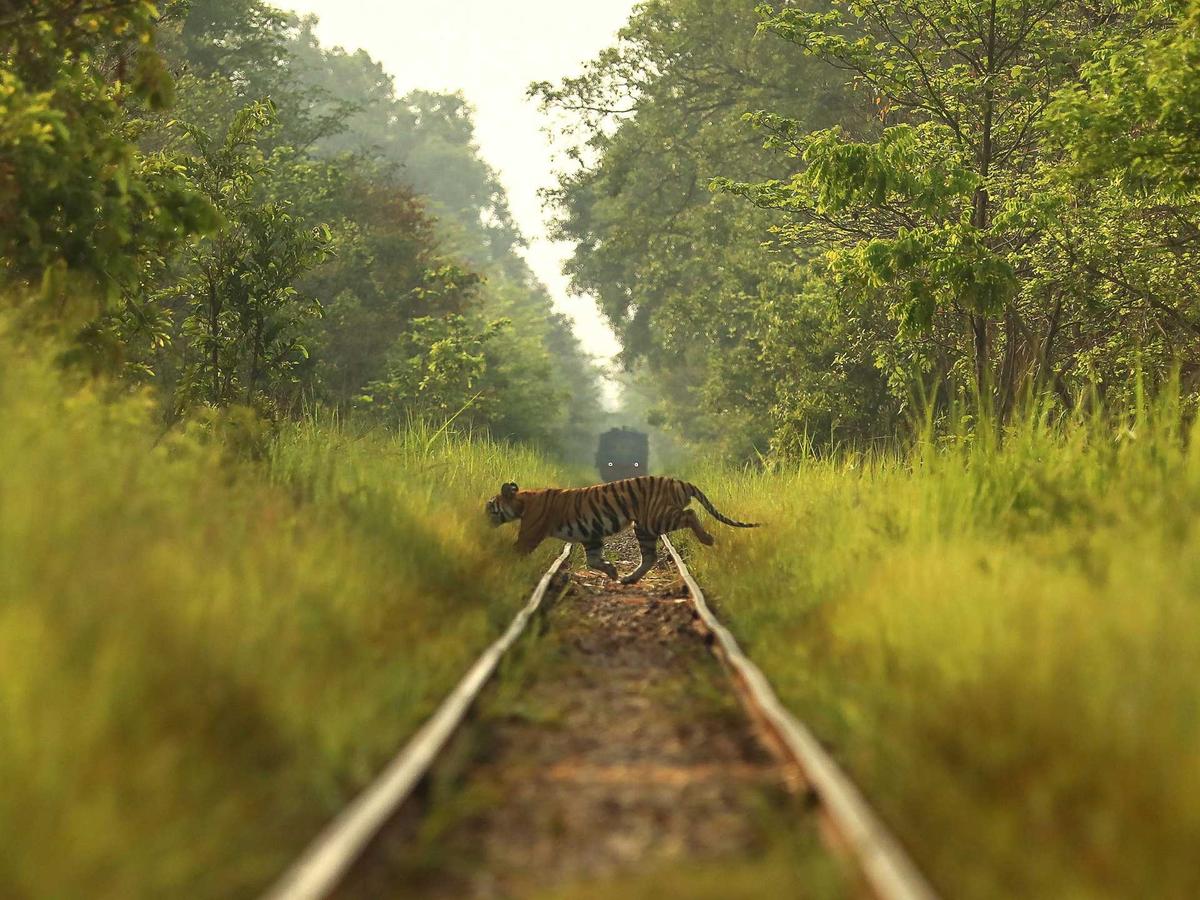
Apart from the recognition for wildlife photographers, NIF also wants to highlight conservation and environmental issues through images and photo stories | Photo Credit: Courtesy Nature in Focus
In keeping with this goal, the photography contest is divided into several categories, each exploring different facets of the natural world, titled ‘Animal Behaviour’, ‘Animal Portraits’, ‘Ramki Sreenivasan Conservation Photography Award’ and ‘Wildscape & Animals in their Habitat’, among others.
This year, a new category has been introduced, ‘Himalayas on the Edge’, which aims to raise awareness of how indiscriminate littering in the Himalayan region is negatively impacting its wildlife.
“We are not talking about the plastic problem as much as we should be,” explains Rohit, who hopes that entries in this category will educate people who live and visit this region to be more sensitive to how they use and dispose of their waste. “What we want is for more people to participate, more images to come out and more evidence created.”
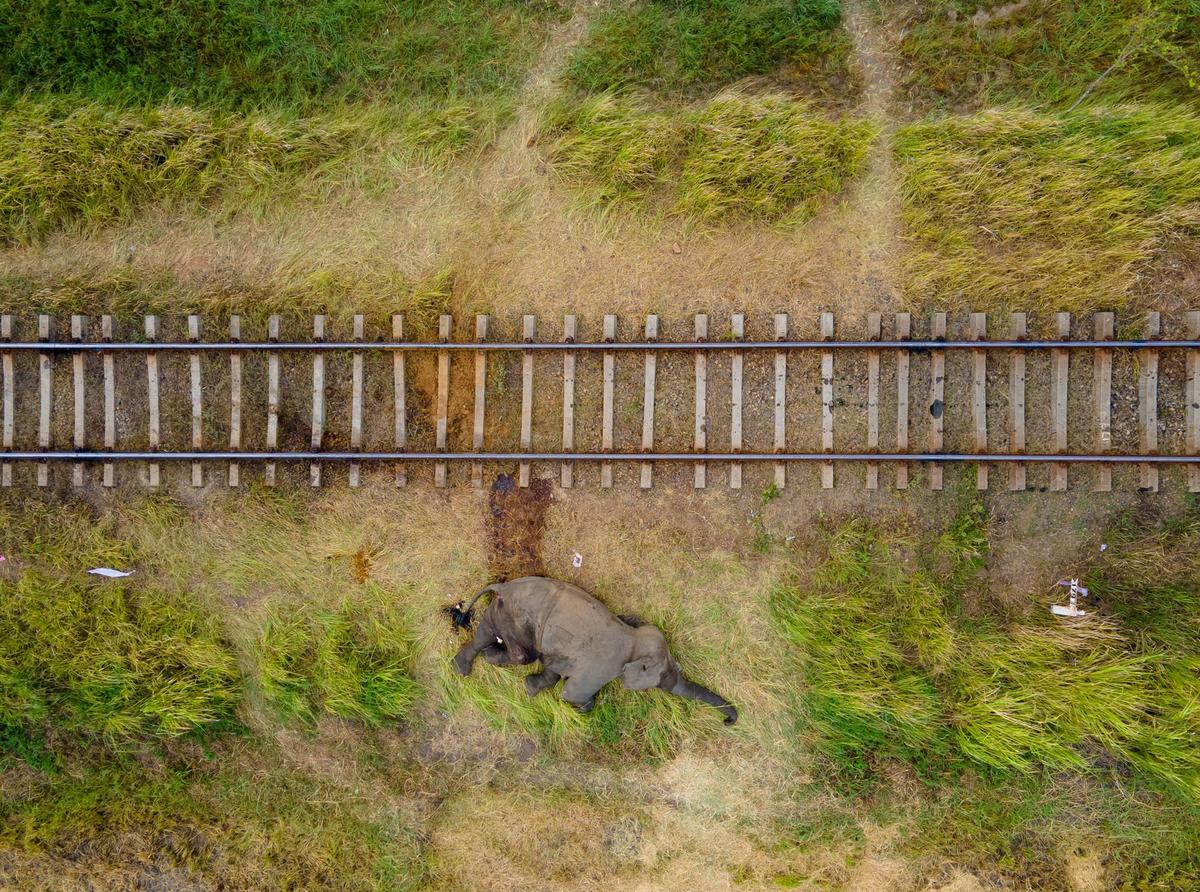
Photography can effect change in a big way, says Rohit Varma | Photo Credit: Courtesy Nature in Focus
‘Himalayas on the Edge’ is supported by Waste Warriors, a non-governmental organisation headquartered in Dehradun, Uttarakhand, which focuses on waste management in several locations in the country, including Dehradun, Dharamshala, Corbett National Park, and Himachal Pradesh.
Also read: India’s butterfly boom: How Nature walks, parks, and trails are sparking a new conservation movement
According to Angad Khanna, Associate Director, Communications at Waste Warriors, while waste is considered a hygiene or cleanliness issue, “it also has intersectionalities across many areas, such as climate change, wildlife, and habitat conservation.”
Take, for instance, its impact on human-wildlife conflict, especially in shared landscapes under severe development pressures. “Where there are more people, especially in high-footfall tourist areas, there is definitely more waste. And as waste accumulates, animals move closer to these areas. Because of this, human-wildlife conflict is increasing,” he says, recalling a recent incident where wild elephants had come close to the main city in Dehradun. “Because there was a dumping ground, they were looking for food there.”
Additionally, there is often a lack of waste management resources in many parts of this region, including biodiversity parks, national parks, and reserves, which, because they host abundant wildlife, are ecologically sensitive.
”Setting up waste management systems in the Indian Himalayan Region is not easy, given the tough terrain and limited funds. Also, many people in rural mountain villages lack awareness, since plastic is new for some of these communities,” says Angad.
That, in turn, leads them to burn or dump their waste, he says, with many people who do the latter not realising that this waste needs to be segregated and go through proper waste collection and processing systems.
When wildlife feeds on this unsegregated waste, they will end up consuming plastic. “Like in Kashmir, where a study conducted by Wildlife SOS found that 70-75% of the diet of Himalayan brown bears is scavenged from garbage, including plastic carry bags, milk powder, and chocolate wrappers, all of which was found in their excreta,” Angad says.
Despite all these issues, however, the magnitude of the problem is not documented enough, in Angad’s opinion. “While there is written evidence, and there have been some studies through camera traps by a few agencies and organisations, there is not enough photographic evidence.”
When photographers attempt to document this region, they do not photograph wildlife alongside the waste, says Angad. Instead, they often wait for the animal to move to a cleaner spot or frame a shot so that the waste is not apparent.
“As human beings, we have become so desensitised to seeing waste around us. That is why photographs are needed. If waste cannot sensitise someone directly, maybe an innocent animal eating waste could have an emotional effect on a human being.”
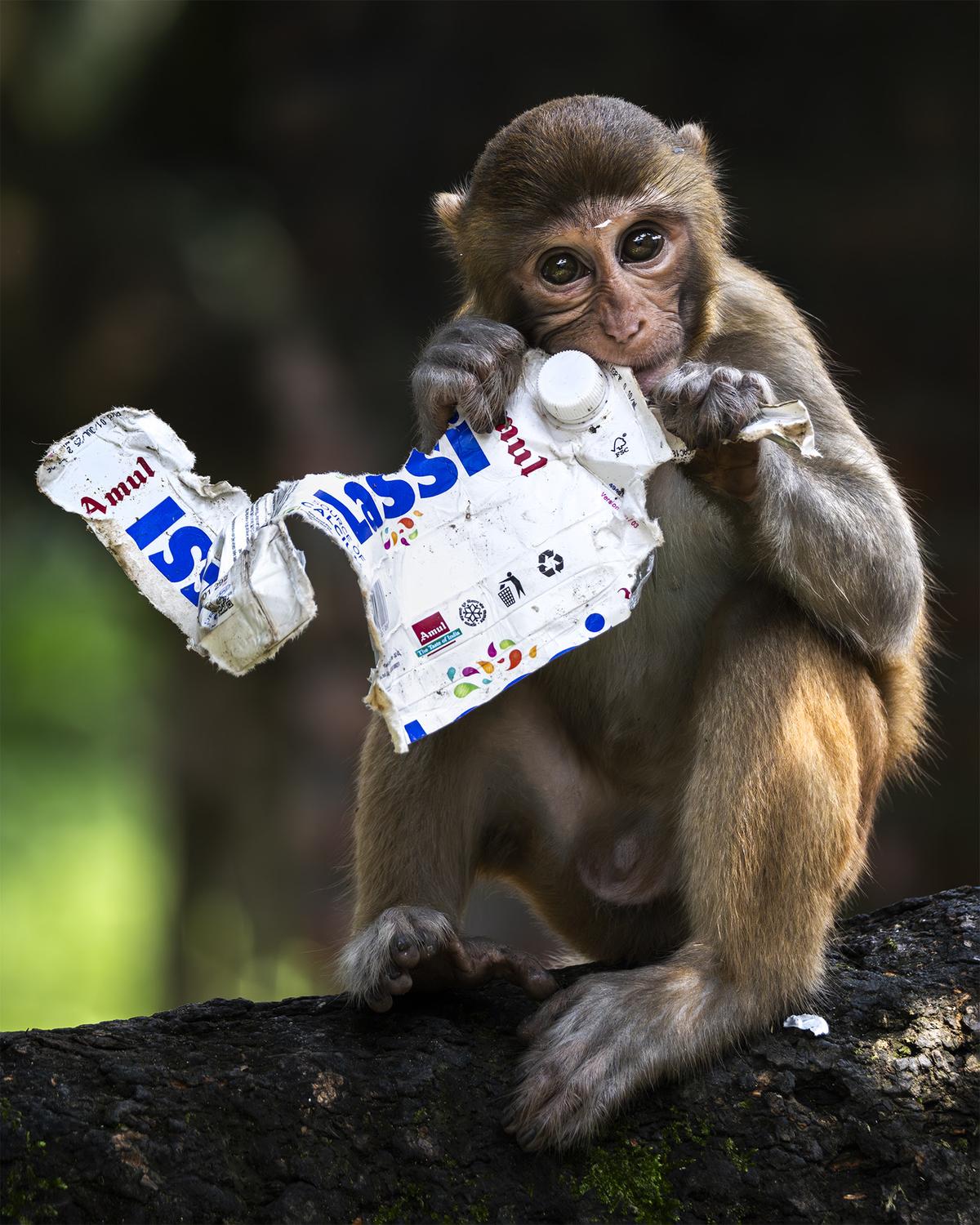
If waste cannot sensitise someone directly, maybe an innocent animal eating waste could have an emotional effect on a human being, says Angad Khanna | Photo Credit: Courtesy Waste Warriors
This is what Minakshi Pandey, Partnership Consultant at Waste Warriors, hopes this new category in the photography contest will lead to. Given that people do not seem to see waste as a problem, “this category wants people to realise that waste is a problem; not just for the voiceless animals and the beautiful landscape that we are destroying, but also for humans.” It is why they approached NIF, says Minakshi, who would like to see many hard-hitting photographs emerge from this competition.
“We want to use these images for a larger purpose,” she says, something Rohit, too, would like to see. “I personally, and as an organisation, believe that images can talk a lot and make people take certain decisions, whether they are laypeople, the forest department, the government or conservation organisations. Photography can effect change in a big way,” he says.
Registrations for the Nature in Focus photography competition close on May 31. To know more, log in to natureinfocus.in/wildlife-photography-contest
此内容由惯性聚合(RSS阅读器)自动聚合整理,仅供阅读参考。 原文来自 — 版权归原作者所有。