




惯性聚合 高效追踪和阅读你感兴趣的博客、新闻、科技资讯
阅读原文 在惯性聚合中打开

推荐订阅源

J
Java Code Geeks
博客园 - 司徒正美
博客园 - 【当耐特】
爱范儿
爱范儿
OSCHINA 社区最新新闻
OSCHINA 社区最新新闻
IT之家
IT之家
人人都是产品经理
人人都是产品经理
雷峰网
雷峰网
酷 壳 – CoolShell
酷 壳 – CoolShell
freeCodeCamp Programming Tutorials: Python, JavaScript, Git & More
大猫的无限游戏
大猫的无限游戏
月光博客
月光博客
宝玉的分享
宝玉的分享
V
V2EX
S
SegmentFault 最新的问题
V
Visual Studio Blog
阮一峰的网络日志
阮一峰的网络日志
Martin Fowler
Martin Fowler
Jina AI
Jina AI
让小产品的独立变现更简单 - ezindie.com
博客园_首页
L
LangChain Blog
D
Docker
腾讯CDC

Latest Money & Banking, Financial News Today - news | The HinduBusinessLine

Banking system’s ₹5 lakh cr plus surplus liquidity prompts RBI to announce drain out auction Fintech IPO plans hit pause as weak rupee, retail pullback weigh on timing Godrej Capital eyes ₹50,000 cr AUM in 2 years, to launch gold loans by June FIU-IND, SEBI sign MoU to strengthen anti-money laundering framework in India HDFC Bank chairman resignation not a sign of financial stability: InGovern HDBFS shares jump 12% post Q4 results, brokerages see steady growth ED arrests former ADAG executive Amitabh Jhunjhunwala in loan fraud case Q4 Results Highlights Today: Elecon Engineering PAT declines, ICICI Lombard net profit rises 7%, HDB Financial shares gain ahead of Q4 results today, Reliance Industrial Infra, GTPL Hathway, Tejas Networks to announce Q4 results today, ICICI Prudential Life, Anand Rathi Share rise Satin Growth Alternatives launches debut ₹200 cr fund Insurers need to make payouts quick and frictionless, says DFS Secretary C-D ratio of banks widens to 255 bps Non-life insurers’ premium income rises 9.2% to ₹3.35 lakh crore in FY26 RBI allows NBFCs, including gold loan companies, to open branches without prior approval Trump says he may fire Fed chair Jerome Powell if he does not step down RBI allows NBFCs to open branches without prior approval, eases norms LPL Financial opens Global Capability Centre in Hyderabad Shriram Finance subsidiary gets RBI nod to start primary dealer business NBFCs' reliance on bank borrowings to increase in FY27 on lower interest rates RBI holds talks with banks on ways to boost deposits Banks increase mark-up over repo-linked external benchmark loans to protect margins Paytm becomes majority Indian-owned and controlled company as domestic investors raise stake UPI clocks 228.5 billion transactions in 2025, driving India’s digital payments boom Kevin Warsh files financial disclosures, pledges divestment for Fed nomination Bitcoin climbs to 4-week high on hopes of US-Iran peace talks Gold loans register sharp growth to emerge India’s second-largest retail credit product: TransUnion CIBIL Poonawalla Fincorp mops up ₹2,500 cr via QIP RBI returns Ujjivan SFB’s application to transition to a universal bank LIC board approves 1-for-1 bonus issue BoB and Reliance Jio launch mobile banking app for feature phone users Net sales of non-financial pvt cos rise 11.4% in FY25: RBI data
RBI issues e-mandate framework for digital payments
By BL Mumbai Bureau · 2026-04-21 · via Latest Money & Banking, Financial News Today - news | The HinduBusinessLine
No charges can be levied on the customer for availing of the e-mandate facility for recurring transactions. 

No charges can be levied on the customer for availing of the e-mandate facility for recurring transactions. 

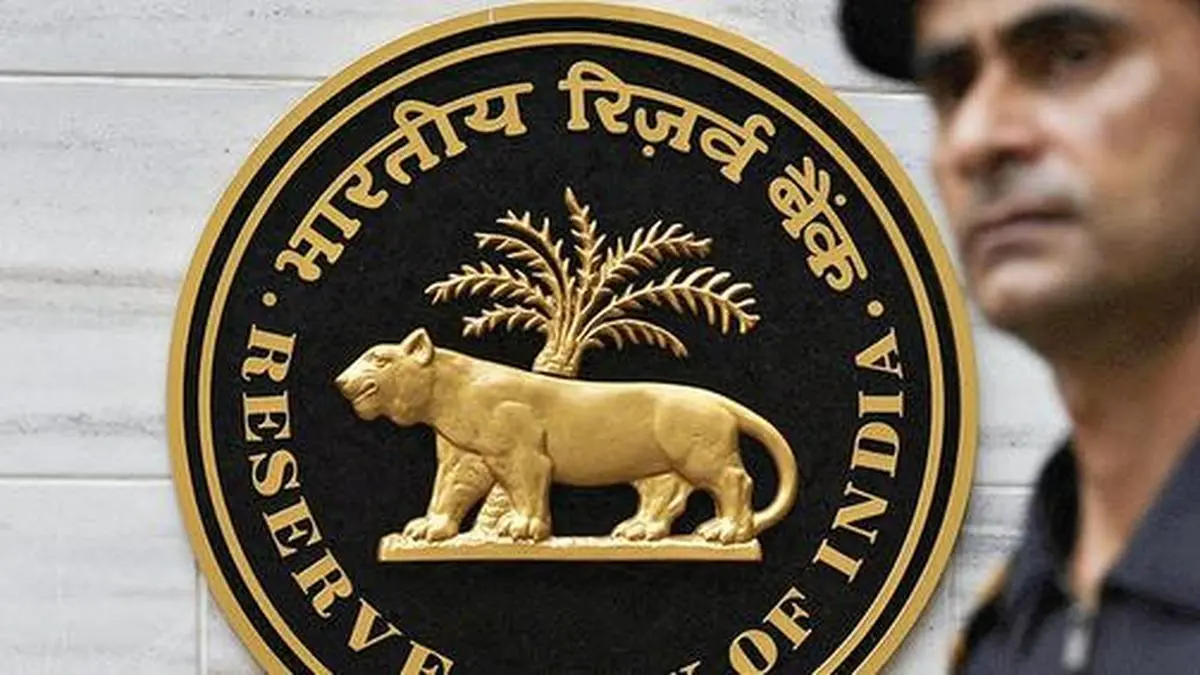
Reserve Bank of India on Tuesday issued the ‘Digital Payments – E-mandate Framework, 2026,’ whereby customers opting for e-mandates must complete a one-time registration process that requires additional factor authentication (AFA), and issuers will be required to send a pre-transaction notification at least 24 hours before a charge/ debit and a post-transaction notification.

The framework, which consolidates existing guidelines and introduces a comprehensive set of rules to govern recurring digital transactions across payment systems, has also fixed transaction limits and velocity check.

So, all recurring transactions may be authorised without AFA up to ₹15,000 per transaction. Transactions above this amount will be subject to AFA.

Further, payment of insurance premiums, subscription to mutual funds, and credit card bill payments may be made without AFA up to ₹1,00,000/- per transaction.

The RBI emphasised that no charges can be levied on the customer for availing of the e-mandate facility for recurring transactions. In the case of cards, existing e-mandate(s) can be mapped to re-issued cards.

Additional factor authentication

Under the framework, the e-mandate will be registered only after successful validation of AFA, in addition to the normal process required by the issuer.

Every e-mandate registered by the issuer will specify the validity period of the e-mandate. The issuer will provide the customer a facility to modify the validity period or withdraw the e-mandate at any point of time.

The e-mandate may be for either a pre-specified fixed amount or for a variable amount subject to the overall cap fixed by the RBI, according to the Framework.

In the case of variable e-mandates, the issuer will provide the customer a facility to specify the maximum value of any recurring transaction.

The customer will be given the facility to choose or change a mode among available options (SMS, email, etc.) for receiving the pre-transaction notification from the issuer. Any modification in, or withdrawal of, an existing e-mandate will require AFA validation by the issuer.

Pre & post-transaction notification

The pre and post-transaction notification will, at the minimum, inform the customer about the merchant’s name, transaction amount, date/ time of debit, reference number of e-mandate, reason for debit, i.e., e-mandate registered by the customer.

The issuer will provider the customer the facility to opt-out of any particular transaction or the e-mandate.

However, pre-transaction notification is not required for e-mandates registered to auto-replenish balances of FASTag, and the National Common Mobility Card (NCMC).

Dispute resolution

RBI said an appropriate dispute redressal system has to be put in place by the issuer to facilitate the customer to lodge grievance/s.

Further, its instructions on limiting the liability of customers for unauthorised transactions will be applicable to recurring transactions under e-mandates as well.

Published on April 21, 2026